
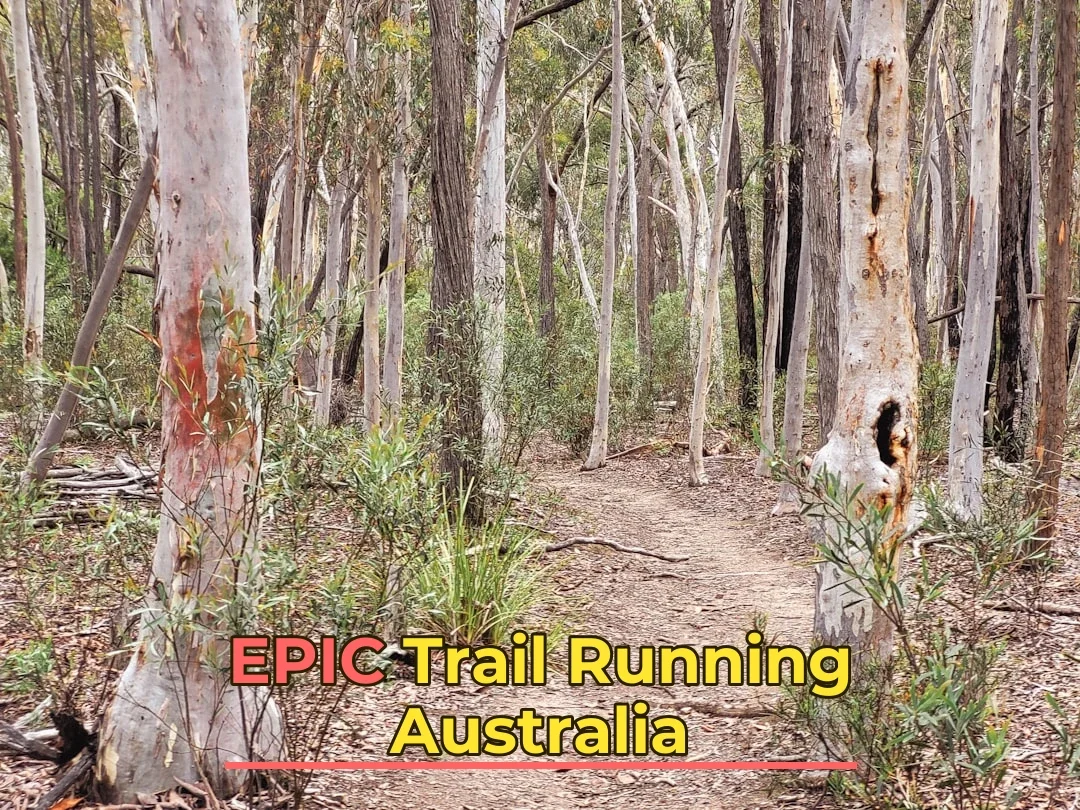
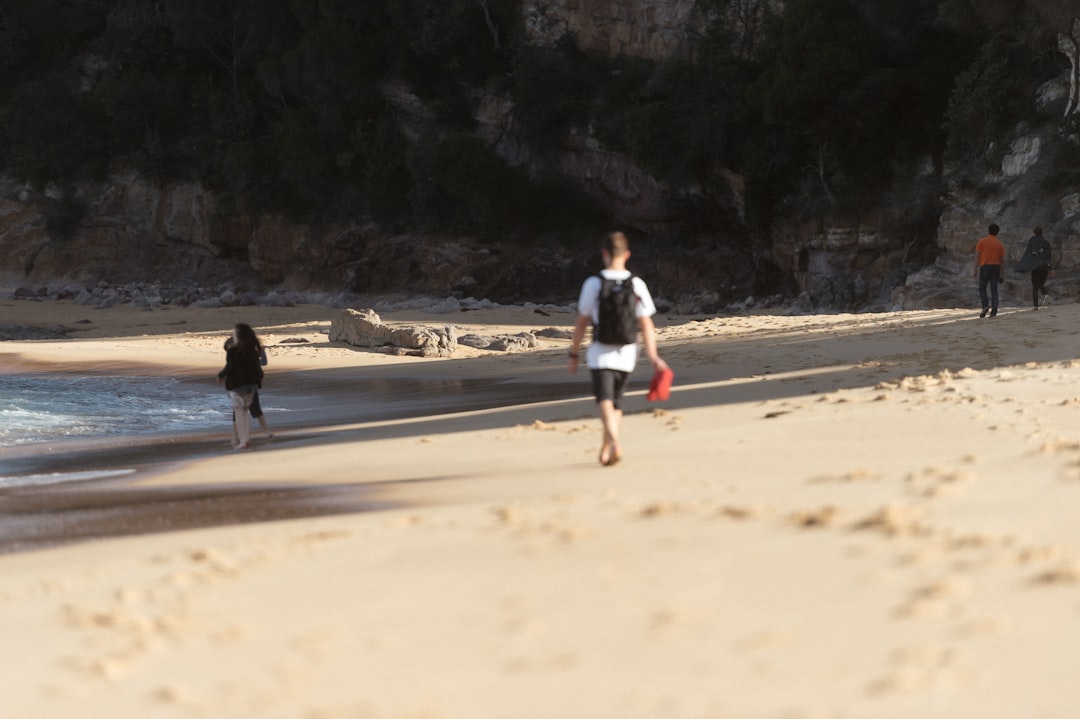
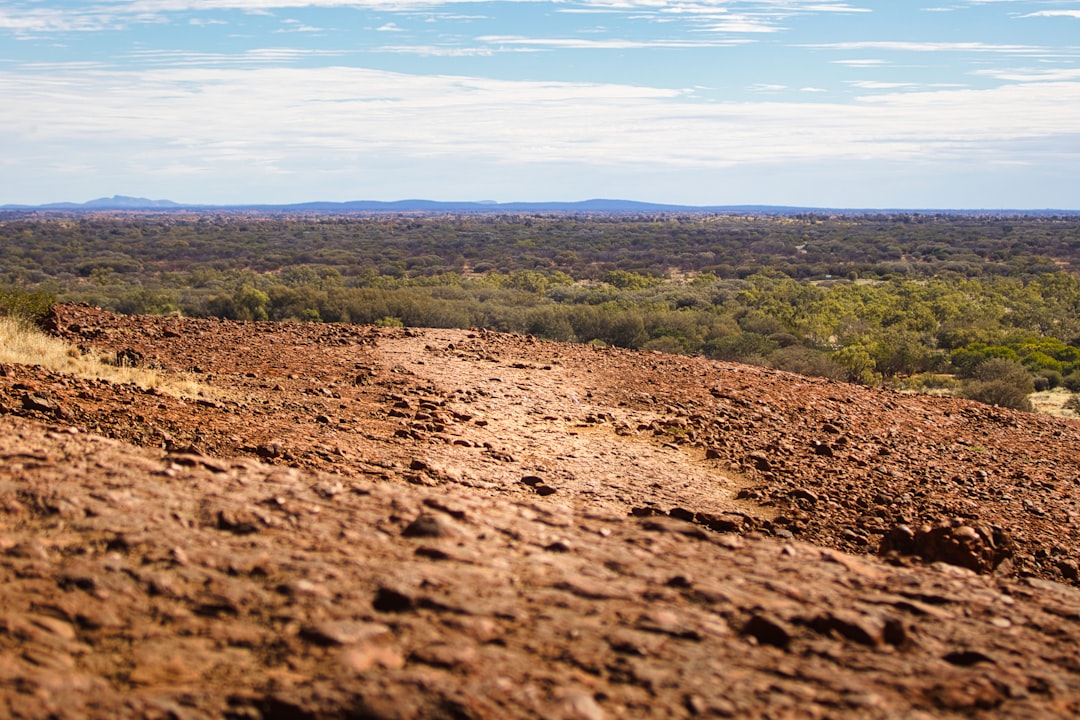
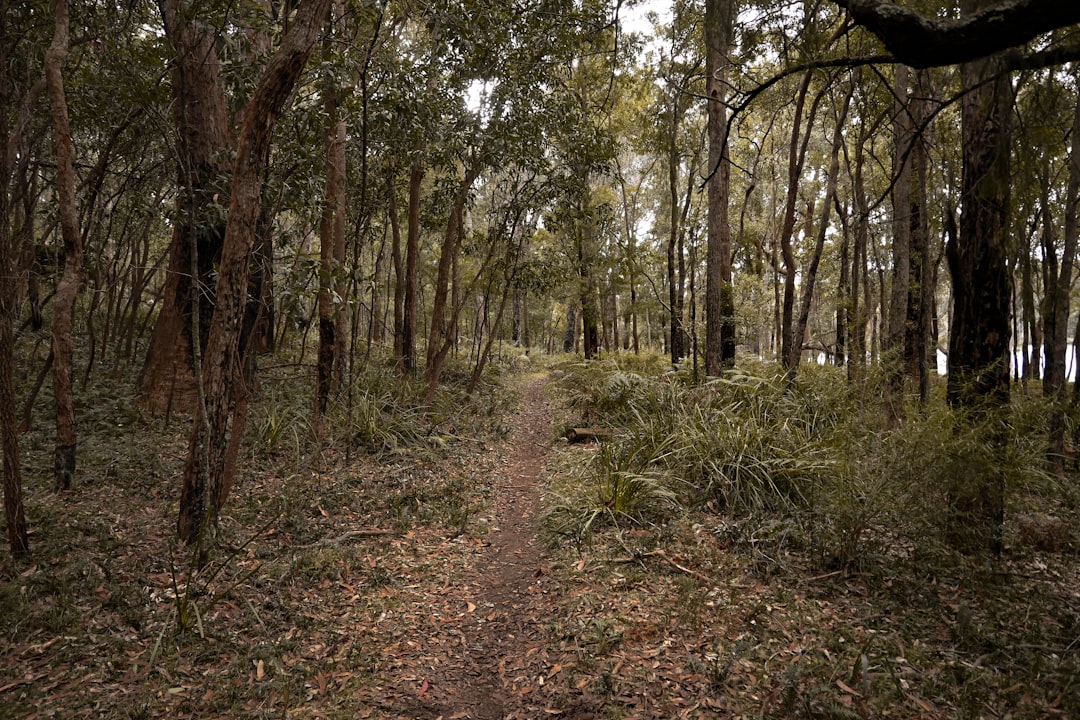
The crisp morning air fills your lungs as the first light catches the jagged silhouette of granite outcrops, but it is the sound that defines the start of your journey: a rhythmic thud-thud of firm footwear meeting ancient stone, contrasting sharply with the soft whisper of dune sand near Nepean Bay. The scent is a complex cocktail—that distinctive, pungent eucalyptus oil mingling with the salty brine of the Southern Ocean and the faint, sweet perfume of wild daisy-bush blooming against the coastal wind. For those seeking outdoor fitness Australia-wide, few experiences offer such a visceral transition from technical mastery to serene leisure. This is not merely a run; it is an immersion into Kangaroo Island’s ancient geology, where the rugged terrain challenges your balance and the breathtaking vistas reward your endurance. Whether you are a seasoned ultra-marathoner or a family introducing children to the joys of trail running, this definitive resource outlines how to navigate the island’s diverse landscape safely and sustainably.
Section I: The Granite Grip (Technical Mastery & Expert Insight)
The eastern end of Kangaroo Island, particularly the Nepean Peninsula and areas surrounding Penneshaw, presents a unique geological challenge that separates casual joggers from dedicated trail runners. Here, the terrain is dominated by ancient Precambrian rock formations, creating a landscape of loose shale, slippery granite slabs, and uneven roots. This is “The Granite Grip”—a section of trail that demands respect, technical skill, and specific gear.
Technical Terrain & Footwear Selection
When tackling these outcrops, standard road running shoes are a liability. The variable surface requires aggressive traction to prevent sliding on wet rocks—a common occurrence given the island’s microclimate. Expert Tip: Prioritise trail shoes with Vibram Megagrip soles or similar high-friction rubber compounds. Look for a lower “drop” (the height difference between heel and toe) to improve proprioception, allowing your feet to sense the ground instantly.
- Gear Check: Ensure your shoes have a protective rand to guard against rock strikes.
- Socks: Opt for merino wool blends to manage moisture and prevent blisters on rough descents.
- Visibility: Early morning runs often feature dew-covered rocks; high-visibility elements are crucial.
“The rock doesn’t care about your pace,” says Sarah Jenkins, a local guide based in Kingscote. “Your job is to read the terrain—identifying loose shale versus solid granite—and trust your feet. Speed comes later; stability is immediate.”
This section also offers solitude. Venture slightly off the main trails into backcountry sections near Flinders Chase National Park, and you may find yourself alone for hours. However, this isolation requires precise navigation. Always carry a topographic map and ensure your phone is in “Low Power” mode with offline maps downloaded. The lack of mobile signal on these ridges is not a glitch; it is the rule.
Section II: The Dune Drift (Accessible Adventure & Family Inclusion)
Moving westward towards Parndana and Kingscote, the topography shifts dramatically. The air feels lighter, the inclines gentler, and the footing softer. This is “The Dune Drift,” a zone ideal for beginners, families, and social trail running. The trails here are well-marked loops that weave through coastal heathlands, offering wide vistas of the ocean and frequent stops for wildlife observation.
Social Running & Family Dynamics
Trail running on Kangaroo Island is as much about community connection as it is about physical exertion. These accessible trails allow for “social pacing,” where families can maintain a conversational speed without compromising the integrity of the trail. It is common to see parents incorporating wildlife spotting into their run—scanning for wallabies or, with luck, a rare Malleefowl.
Recommended Loops for Beginners:
- Mellor Park Network (Kingscote): A series of flat, firm loops perfect for introducing young runners to the concept of off-road running. Distance: 2–5km.
- Sullivan’s Ranges Easy Loops: Gentle undulations with historical ruins to explore, adding a mental engagement component to the physical activity. Distance: 3–8km.
One of the value propositions of these trails is their integration with local tourism. A run can seamlessly transition into a visit to the Kangaroo Island Honey Company or a stop at a local bakery for post-run sustenance. This blend of activity and commerce supports the local economy while providing a tangible reward for physical effort.
Environmental Considerations
Sustainable tourism is paramount on Kangaroo Island. Trail runners must adhere to “Leave No Trace” principles strictly. This includes staying on marked paths to protect fragile coastal vegetation and disposing of all waste, including biodegradable items like fruit skins. Furthermore, always check for active fire bans before setting out, particularly during the summer months when dry grass can turn a gentle dune run into a high-risk exercise.
Section III: The Coastal Canvas (Scenic Reward & Mental Health)
The final zone of our “Triad of Terrain” is the long-distance coastal exposure. This section focuses on mid-to-long distance endurance runs along the edges of Flinders Chase National Park and the rugged southern coast. Here, the physical challenge is met with a profound mental reset—the “Coastal Canvas” effect.
The Mental Benefits of Ocean Views
Psychological research increasingly supports the link between exposure to vast natural landscapes and improved mental health. Running along these cliff-top trails, with the constant visual of the Southern Ocean crashing against sea stacks like the Remarkable Rocks (from a safe distance), provides a meditative quality that is hard to replicate in urban settings. The rhythmic nature of the waves often syncs with a runner’s breathing, inducing a state of “flow.”
Personal Narrative: The “Bad Run” turned Good
Not every run goes to plan. A memorable example involves a group of trail runners attempting a coastal loop who were caught in a sudden, dense bank of fog rolling off the ocean. Visibility dropped to zero, and the excitement of exploration quickly turned to anxiety. However, the island’s infrastructure for community support saved the day. By following pre-planned route markers and using a trusted accommodation host’s emergency contact, they navigated back to safety without incident.
This experience highlights the importance of “Run-cations” (running holidays). Instead of treating these trips as mere exercise, view them as opportunities to engage with local culture. A well-planned itinerary might include:
- Day 1 (Hard Miles): A technical run on the Nepean Peninsula, ending with a seafood dinner.
- Day 2 (Recovery): A gentle loop in Kingscote, followed by a visit to the local art galleries.
- Day 3 (Adventure): A longer, coastal traverse with a picnic stop at Remarkable Rocks.
This balance ensures that physical fatigue is managed, allowing runners to fully enjoy the island’s rich artistic and culinary scene.
Key Moment: The “Wildlife Pause” Protocol
Kangaroo Island is home to the largest colony of Australian sea lions and significant populations of kangaroos, wallabies, and emus. Ethical interaction with these animals is not just a courtesy; it is a safety requirement for both the wildlife and the runner.
The Protocol:
- Kangaroos/ Wallabies: Maintain a distance of at least 20 meters. Do not attempt to feed them, as this alters their natural behaviour and makes them aggressive.
- Birdlife: Be cautious near nesting sites, particularly for ground-nesting birds like the Malleefowl or Emu. Slowing down to let a family of wallabies cross a trail is not a hindrance; it enhances the experience, turning a routine jog into a memorable encounter.
- Marine Life: Keep to designated viewing areas near sea lion colonies. Stress from human proximity can cause mother sea lions to abandon pups.
Honest Limitation: Some trails may be closed seasonally to protect breeding wildlife. Always check the latest advisories on the National Parks Victoria app or local signage before starting your run.
This “Wildlife Pause” encourages runners to slow down and appreciate the island’s biodiversity. It shifts the focus from personal best times to a holistic connection with the environment, fostering a deeper sense of stewardship.
Key Moment: The Gear Reality Check
The island’s weather is unpredictable. Sunny skies can give way to howling winds within minutes. A brutally honest review of gear choices is essential for a safe and enjoyable experience.
What Works:
- Lightweight, breathable fabrics that dry quickly.
- Layers: A windproof jacket is non-negotiable for coastal runs.
What Doesn’t:
- Cotton clothing: It retains moisture and leads to rapid cooling.
- Overly expensive, heavy-duty outdoor gear: Unless you are camping in the bush, high-end mountaineering gear is overkill and cumbersome.
Specific References:
- Local Rental Options: Check with “KI Outdoor Hire” for windproof vests and hydration packs.
- Local Retailers: Stores like “Adventures on KI” often stock trusted brands (e.g., Salomon, Hoka One One) at competitive prices.
This pragmatic approach to gear saves money and reduces environmental impact, aligning with the island’s sustainable tourism ethos.
Key Moment: The Community Connection
The heart of Kangaroo Island’s trail running culture lies in its community. Groups like “KI Trail Runners” organise regular meet-ups, offering guided tours and social runs that are invaluable for beginners.
Joining the Community:
- Guided Runs: Book a guided tour with local experts like “Tami” or “Dave,” who offer insights into the island’s history and ecology while ensuring safety on technical trails.
- Social Events: Many groups host post-run coffee or beer gatherings, fostering friendships and knowledge sharing.
Insider Tips:
- Run early (before 7am) or late (after 4pm) to avoid sharing trails with tour buses, especially in popular areas like Penneshaw.
- Familiarise yourself with the island’s mobile phone coverage map, as many remote areas lack signal.
This community aspect transforms a solitary activity into a social one, providing a support network that enhances the overall experience and ensures safety in remote areas.
The Post-Run Ritual: Invitation to Stay
Imagine the scene as you finish your run. The sun is dipping below the horizon, casting a golden glow over the ocean. You sit on a weathered wooden bench overlooking the water, your muscles aching with a pleasant fatigue. In your hand, you hold either a cold local beer or a steaming cup of coffee from the nearby café. The salt is still on your skin, and your mind is clear—a stark contrast to the noise of city life.
This post-run ritual is not just a reward; it is an invitation to stay. We encourage you to book a stay at one of the island’s “Runner-Friendly Accommodations.” These eco-lodges and cabins are designed with the trail runner in mind, offering:
- Gear Drying Rooms: Ventilated spaces to dry mud-stained shoes and clothes.
- Early Breakfast Options: Fueling up before dawn runs.
- Trail Maps & Advice: Local knowledge on the best trails and conditions.
Curated List of Runner-Friendly Accommodations:
- Adelphi House – Kingscote: Boutique accommodation with dedicated gear storage.
- Kangaroo Island Holiday Park – Penneshaw: Family-friendly with direct trail access.
- Remarkable Rocks Eco-Lodge – Flinders Chase: Ultimate seclusion for serious trail runners.
Finally, remember that this is more than a trip; it is an investment in your health and connection to nature. By choosing to stay, support local businesses, and engage with the community, you contribute to the sustainability of Kangaroo Island’s precious environment. May your runs be safe, your trails challenging, and your memories lasting.
Key Takeaways
- Terrain Diversity: Kangaroo Island offers a “Triad of Terrain” (Granite Grip, Dune Drift, Coastal Canvas) catering to all skill levels.
- Gear Essentials: Invest in trail-specific footwear with aggressive lugs and layer for unpredictable coastal weather.
- Safety First: Adhere to the “Wildlife Pause” protocol, check fire bans, and carry navigation tools for remote areas.
- Community Integration: Engage with local trail groups and choose runner-friendly accommodations for an enhanced experience.
- Sustainable Tourism: Leave no trace, respect wildlife, and support local businesses to preserve the island’s natural beauty.
Frequently Asked Questions
What footwear is recommended for the technical ‘Granite Grip’ terrain on Kangaroo Island?
For the Nepean Peninsula’s loose shale and slippery granite slabs, standard road shoes are unsuitable. Experts recommend trail shoes with Vibram Megagrip soles or high-friction rubber compounds to prevent sliding on wet rocks. Look for a lower ‘drop’ (height difference between heel and toe) to enhance proprioception, allowing you to sense the ground instantly. Additionally, ensure your shoes have a protective rand to guard against rock strikes and wear merino wool blends to manage moisture and prevent blisters on rough descents.
How can families safely introduce children to trail running on the island?
Families should focus on ‘The Dune Drift’ zone, particularly the Mellor Park Network in Kingscote and Sullivan’s Ranges Easy Loops. These offer well-marked, flat to gently undulating loops ranging from 2–8km, ideal for social pacing and conversational speeds. Safety involves staying on marked paths to protect coastal vegetation and hydrating frequently, as deep dune sand requires more energy and stabilises the core differently than hard-packed earth. Incorporate wildlife spotting for wallabies or Malleefowl to maintain engagement while ensuring children take breaks to adjust their stride.
When is the best time to run on Kangaroo Island to avoid crowds and heat?
To optimise safety and trail access, run early (before 7am) or late (after 4pm). This strategy avoids sharing popular trails like those near Penneshaw with tour buses and reduces exposure to intense midday sun. Early morning runs also offer dew-covered rocks, requiring high-visibility gear. Additionally, always check for active fire bans before setting out, particularly during summer months when dry grass poses a high risk. Running during these off-peak hours supports sustainable tourism and ensures a more serene experience, especially in remote areas like Flinders Chase National Park.
What are the practical costs and gear options for trail running on Kangaroo Island?
You do not need to purchase expensive, heavy-duty outdoor gear. Instead, rent lightweight windproof layers from local suppliers like ‘KI Outdoor Hire’ in Kingscote to reduce luggage weight and carbon footprint. For footwear, retailers such as ‘Adventures on KI’ stock trusted brands like Salomon and Hoka One One at competitive prices. Avoid cotton clothing, which retains moisture; opt for breathable fabrics that dry quickly. This pragmatic approach saves money and aligns with the island’s sustainable tourism ethos, ensuring you have appropriate gear without unnecessary expense.
What is the ‘Wildlife Pause’ protocol and why is it essential for trail runners?
The ‘Wildlife Pause’ protocol mandates maintaining a distance of at least 20 meters from kangaroos and wallabies to prevent them from becoming aggressive or altering their natural behaviour. Never feed wildlife, as this is a safety risk. Be cautious near nesting sites for ground-nesting birds like the Malleefowl or Emu, and stay at designated viewing areas near sea lion colonies to avoid causing stress that could lead mothers to abandon pups. Some trails may close seasonally to protect breeding wildlife, so always check the National Parks Victoria app or local signage before starting your run.




Be the First to Comment
Sign in to start the conversation.