
The Weight of the Drop: A Noosa Abseiling Guide
The smell of salt air mingles with the faint, earthy scent of crushed eucalyptus leaves as you stand on the precipice, your harness pressing firmly against your hips and thighs. Below you, thirty metres of empty space stretches into a canopy of emerald-green foliage, while the distant roar of the Pacific Ocean provides a rhythmic backdrop to your sharp inhale. There is no sound but the creak of nylon webbing and the thrum of your own heartbeat. This is not merely a descent; it is a visceral dialogue with gravity and geography, where the only thing between you and the ground is your knowledge of physics and the integrity of your gear. Whether you are looking for a thrilling family adventure at a Big 4 caravan park or seeking the solitude of a hidden coastal cove, understanding the art and science of abseiling in Australia’s sun-drenched hinterlands is essential for a safe and transformative experience.
This guide goes beyond the basics, offering expert insights into the technical foundations of abseiling in Noosa and across Queensland. From the specific geological challenges of sandstone cliffs to the nuances of family-friendly setups, we will explore how to transition from a nervous beginner to a confident technical climber.
The Anatomy of Descent: Technical Foundations & Safety Protocols
Abseiling (or rappelling) is not simply jumping off a ledge with a rope. It is a controlled negotiation with friction, weight, and gravity. Before you even touch the edge of a cliff in Noosa National Park, understanding the mechanics of your descent is paramount. The difference between a smooth 30-metre drop and a dangerous, uncontrolled slide often lies in the friction brake you choose.
Friction Devices: Figure-Eight vs. ATC
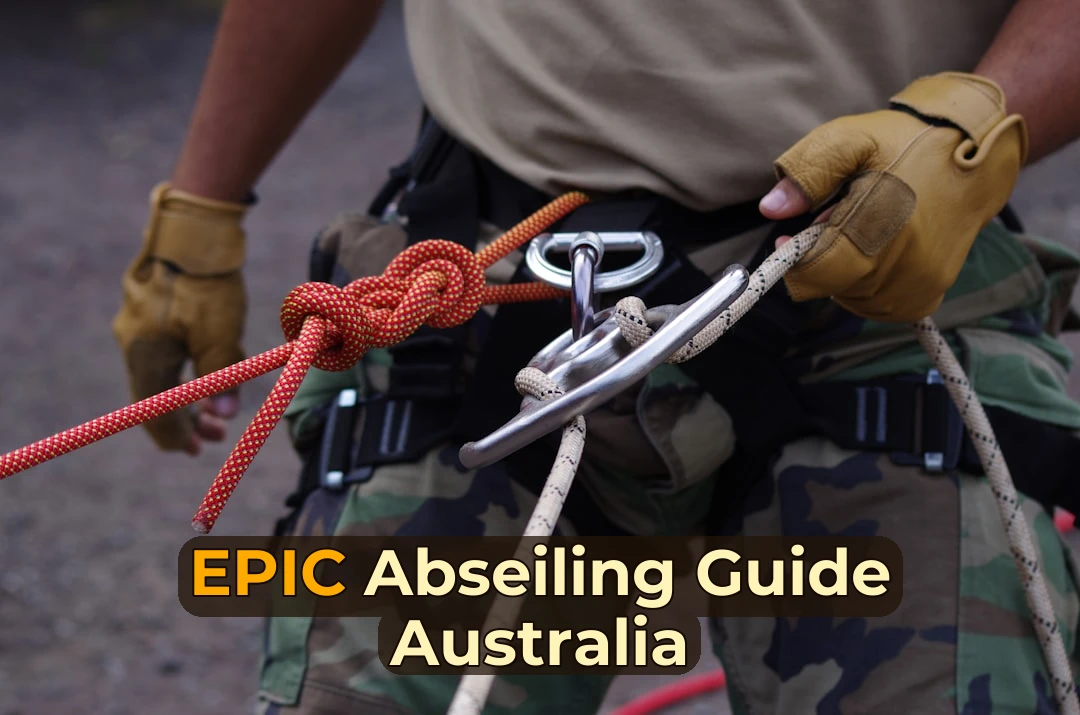
In the humid climate of Queensland, equipment choice is critical because moisture can affect how gear performs. The two most common devices are the figure-eight and the Tube device (ATC – Assist Technical Climbing).
* Figure-Eight: Known for high friction and durability, the figure-eight is a favourite among technical climbers. It provides excellent control on steep descents but can generate significant heat, requiring you to manage your grip carefully. In Noosa’s porous sandstone environments, where friction is naturally lower than on granite, a figure-eight offers the security needed to prevent accidental slips.
* ATC (Tube Device): This device is more versatile and easier to use for beginners. It offers adjustable friction by simply changing the angle of the rope. However, it requires a locking carabiner to function safely and is less forgiving if the rope becomes twisted or jammed—a common issue in overgrown cliffside vegetation.
“The gear is only as good as the knot you tie into it. In Noosa’s salt-laden air, check your rope for fraying and ensure your figure-eight is dressed correctly. A messy knot can jam a descender when you need it most.”
Anchor Points: Bolts vs. Natural Features
Noosa’s cliffs offer a mix of fixed bolts and natural anchors. Understanding the difference is crucial for safety.
* Fixed Bolts: Most popular abseiling sites, such as those near Tea Tree Bay, feature fixed bolt anchors. These are drilled directly into the rock and should be inspected for corrosion before every use, especially given the coastal salt spray.
* Natural Anchors: For self-guided adventures, you may need to use trees or rock features. This requires technical rigging skills (using a clove hitch or figure-nine on a bight). Caution: Never rely on a single natural anchor unless you have mastered redundancy systems.
The Buddy Check: A Non-Negotiable Ritual
Before stepping off, you must perform a buddy check. This is not a formality; it is your final safety net.
1. Knot Check: Ensure the end knot (usually a Figure-Eight on a Bight) is dressed correctly and has sufficient tail length.
2. Harness Check: Ensure the buckles are threaded correctly (the “through” and “back”) and tightened.
3. Gear Check: Verify your device is threaded correctly, the carabiner is locked, and your gloves are on.
“Humidity in Queensland slows down rope drying but speeds up gear corrosion. Always rinse your hardware with fresh water after coastal abseiling sessions.”
From Cliff Edge to Canopy Floor: Skill Progression Pathway
Not all abseiling experiences are created equal. Whether you are a parent looking for an activity at best family camping spots nsw or a seasoned climber tackling the Sunshine Coast hinterland, your approach must match your skill level.
Beginner: Guided Confidence
For first-timers, the journey begins with guided tours at Noosa National Park. Locations like Main Beach cliff edges offer shorter, manageable descents (10-20 metres). The focus here is on confidence-building.
* Activity: Follow a certified guide who manages the anchor points.
* Skill Focus: Basic knot tying (Figure-Eight), proper body positioning, and controlling descent speed.
* Family Appeal: Many Big 4 caravan parks in the Noosa region offer guided abseiling experiences for families, providing all necessary equipment and supervision. This is an excellent way to introduce children (typically aged 8+) to adventure sports in a safe environment.
Intermediate: Self-Reliance and Complexity
Once comfortable with guided descents, you can move towards self-anchoring. This involves learning to set up your own anchor points using fixed bolts or natural features.
* Skill Focus: Multi-pitch abseiling (connecting two ropes), navigating variable rock textures, and managing rope deployment.
* Challenge: Noosa’s cliffs can be uneven. You must learn to adapt your descent angle to the rock face, avoiding snagging on sharp edges or vegetation.
Expert: Technical Rigging and Rescue
For experts, the goal is mastery of complex scenarios. This includes long descents exceeding 50 metres and emergency rescue procedures.
* Skill Focus: Emergency self-rescue (how to stop and descend if your primary device fails), setting up pulley systems, and technical rigging for long-distance descents.
* Location: The hinterland offers more rugged, less frequented cliffs that require advanced navigation and rigging skills.
“Always carry a personal anchor system (PAS) and a backup descender. On complex cliff faces, redundancy isn’t just recommended; it’s essential for survival.”
The Noosa Context: Geography, Regulations & Hidden Gems
Noosa is unique in Australia for its combination of accessible coastal abseiling and lush hinterland terrain. Understanding the local geography is key to a successful trip.
Geology: Sandstone vs. Granite
Noosa’s cliffs are primarily composed of sandstone, which is softer and more porous than the granite found in other parts of Queensland.
* Implication: Sandstone can be friable (crumbly) when wet. This affects anchor placement—bolts are essential because natural rock features may not hold sufficient weight.
* Weather Impact: After heavy rain, sandstone becomes slippery and porous anchors can fail. Always check weather forecasts and avoid abseiling on exposed sandstone cliffs within 24 hours of significant rainfall.
Seasonal Considerations
* Spring (Sept-Nov): Ideal conditions. Mild temperatures, low humidity, and calm seas.
* Summer (Dec-Feb): Avoid abseiling during peak summer heat. Dehydration and heat exhaustion are real risks, especially when wearing harnesses. Additionally, Queensland’s wet season brings unpredictable storms and high winds, which can make cliff edges dangerous due to swinging ropes.
* Autumn (Mar-May): Excellent for families, with warm days and cooling evenings.
Leave No Trace: Environmental Stewardship
Noosa National Park is a protected area. When abseiling, you must adhere to strict Leave No Trace principles:
1. Minimize Anchor Impact: Use existing fixed bolts wherever possible. Avoid drilling new holes or damaging vegetation.
2. Rope Protection: Use edge protectors on sharp rocks to prevent rope damage and reduce friction.
3. Waste Management: Pack out all gear, including any discarded slings or carabiners. Never leave debris on the cliff face.
“Respect the ecosystem. Noosa’s coastal heath is fragile. Your adventure should leave no trace, ensuring these cliffs remain safe and beautiful for future generations.”
The Human Element: Stories, Limitations & Realities
Technical knowledge is only half the equation. Abseiling is as much about psychology and practical problem-solving as it is about physics.
Story 1: The “Silent Second” at Tea Tree Bay
Years ago, I stood on the edge of a Noosa cliff, looking down at Tea Tree Bay. My heart pounded, not from fear, but from the sheer disorientation of vertical space. The “silent second” before stepping off is a universal experience for abseilers. I remember my guide’s calm voice: “Check your knot, lock the biner, and breathe.” Stepping off felt like falling upwards. The initial panic of weightlessness shifted rapidly to focus as the rope engaged, and I became a passenger in my own descent. This moment taught me that proper instruction transforms fear into controlled action—a lesson every beginner must learn before stepping off.
Story 2: The Rain-Soaked Anchor Failure
A cautionary tale involves a group that ignored weather warnings after heavy rain. Attempting to abseil on porous sandstone, they relied on a natural tree anchor that had been weakened by water saturation. As the leader began to descend, the branch snapped under the dynamic load. Fortunately, they had a redundant backup system, and no one was injured. However, the close call highlighted a critical lesson: water reduces friction and weakens natural anchors. Always inspect your environment, especially after rain. In Noosa’s coastal climate, salt and moisture accelerate the degradation of both natural features and metal hardware.
Story 3: The Family Campfire Debrief
The true magic of abseiling often happens after the descent. I recall a family from Sydney, staying at a local Big 4 caravan park, who completed their first abseiling experience together. Afterward, they sat around a campfire, recounting their fears and triumphs. The children, who had been hesitant to start, were now boasting about how low they got. This social bonding aspect—the shared vulnerability and subsequent pride—is what makes adventure travel so rewarding for families. It complements the relaxation of a caravan stay, offering a balanced mix of challenge and comfort.
Addressing Limitations
Abseiling is not suitable for everyone, all the time.
* Physical Limitations: People with shoulder injuries or certain back conditions should consult a doctor before abseiling. The harness can put pressure on the lower back, and the arm position required to control descent can strain shoulders.
* Weather Limitations: High winds make ropes swing uncontrollably, increasing the risk of hitting cliff edges. Rain makes rocks slippery and anchors unreliable. Always prioritize safety over ego.
Key Takeaways for Abseiling in Noosa
* Choose the Right Gear: Use a figure-eight or ATC device appropriate for your skill level. In Noosa’s humid climate, rinse gear with fresh water after each use to prevent corrosion.
* Respect the Geology: Noosa’s sandstone cliffs are fragile, especially when wet. Use fixed bolts and avoid natural anchors after rain.
* Prioritize Safety: Always perform a buddy check. Use redundant systems, especially for intermediate and expert descents.
* Family-Friendly Options: Look for guided experiences at Big 4 caravan parks or within Noosa National Park for safe, age-appropriate abseiling.
* Leave No Trace: Protect the environment by using edge protectors and packing out all waste.
Conclusion: What Will You Discover When You Let Go?
Abseiling is not just about descending; it is about trusting the process and yourself. It teaches resilience, attention to detail, and a profound respect for nature’s power. As you stand at the top of a Noosa cliff, looking out at the vast Pacific, remember that expertise is built through respect for the craft, not just technical skill. Start with one guided session. Listen to your instructors. Feel the weight of the harness, smell the salt air, and embrace the silence before the drop.
What will you discover when you let go? Perhaps not just a hidden sea cave or unique flora, but a deeper understanding of your own capabilities. The rope is just the tool; the real journey is inward. So, tie in your knot, lock your carabiner, and take the first step—not just down a cliff, but into a richer, more connected life.
“The best abseilers are not those who never feel fear, but those who respect it enough to prepare thoroughly. Let go, and let the experience transform you.”
Frequently Asked Questions
What equipment is recommended for abseiling in Noosa’s climate?
In Queensland’s humid coastal environment, moisture can affect gear performance. The two primary devices are the figure-eight and the Tube device (ATC). A figure-eight offers high friction and durability, making it a favourite for technical climbers on Noosa’s porous sandstone. An ATC is more versatile and easier for beginners, though it requires a locking carabiner. Regardless of the device, you must rinse all hardware with fresh water after coastal abseiling to prevent salt-laden air from causing corrosion. Always ensure your rope is free of fraying and knots are dressed correctly to avoid jamming.
How do I choose between fixed bolts and natural anchors?
Noosa’s cliffs near Tea Tree Bay typically feature fixed bolt anchors drilled into the rock. These are preferred because Noosa’s sandstone is softer and more porous than granite, meaning natural rock features may not hold sufficient weight. Before using fixed bolts, inspect them for corrosion caused by coastal salt spray. If you must use natural anchors like trees, you need technical rigging skills (e.g., clove hitch). Never rely on a single natural anchor unless you have mastered redundancy systems, as water saturation can weaken branches and increase the risk of failure.
When is the best time of year to abseil in Noosa?
Spring (September–November) offers ideal conditions with mild temperatures, low humidity, and calm seas. Autumn (March–May) is also excellent for families due to warm days and cooling evenings. Avoid abseiling during summer (December–February) due to peak heat, which poses dehydration risks when wearing harnesses, and unpredictable storms. Crucially, never abseil on exposed sandstone cliffs within 24 hours of significant rainfall, as wet sandstone becomes slippery and porous anchors can fail. Always check weather forecasts to ensure safety.
Are there family-friendly abseiling options near Noosa?
Yes, many Big 4 caravan parks in the Noosa region offer guided abseiling experiences specifically for families. These tours provide all necessary equipment and supervision, making them safe for children typically aged 8 and older. Located within Noosa National Park, these beginner descents range from 10 to 20 metres and focus on confidence-building. Certified guides manage the anchor points, allowing families to enjoy a thrilling adventure while maintaining safety standards and leaving no trace on the protected coastal heath.

Be the First to Comment
Sign in to start the conversation.