

The scent of salt and eucalyptus mingles in the air as your boots crunch on the red earth. Sunlight filters through ancient gums, dappling the surface of the still water where a platypus suddenly breaks the surface. This is Australia’s outdoor canvas – vast, diverse, and waiting to be explored. From the pristine coastline of Western Australia to the rugged mountains of Tasmania, the continent offers unparalleled access to nature for fishing, camping, hiking, and countless other outdoor activities. But knowing where to begin, how to access these natural treasures, and what to expect can transform a dream adventure into a logistical puzzle.
The Access Map: Understanding Australia’s Outdoor Landscape
Australia’s outdoor opportunities are as diverse as its landscapes, but access varies dramatically between regions. The continent can be broadly divided into several outdoor zones, each with its own access considerations:
- Coastal regions: From tropical Queensland to the temperate south coast, Australia’s coastline offers world-class fishing and beach access, though some areas are protected marine parks with specific regulations.
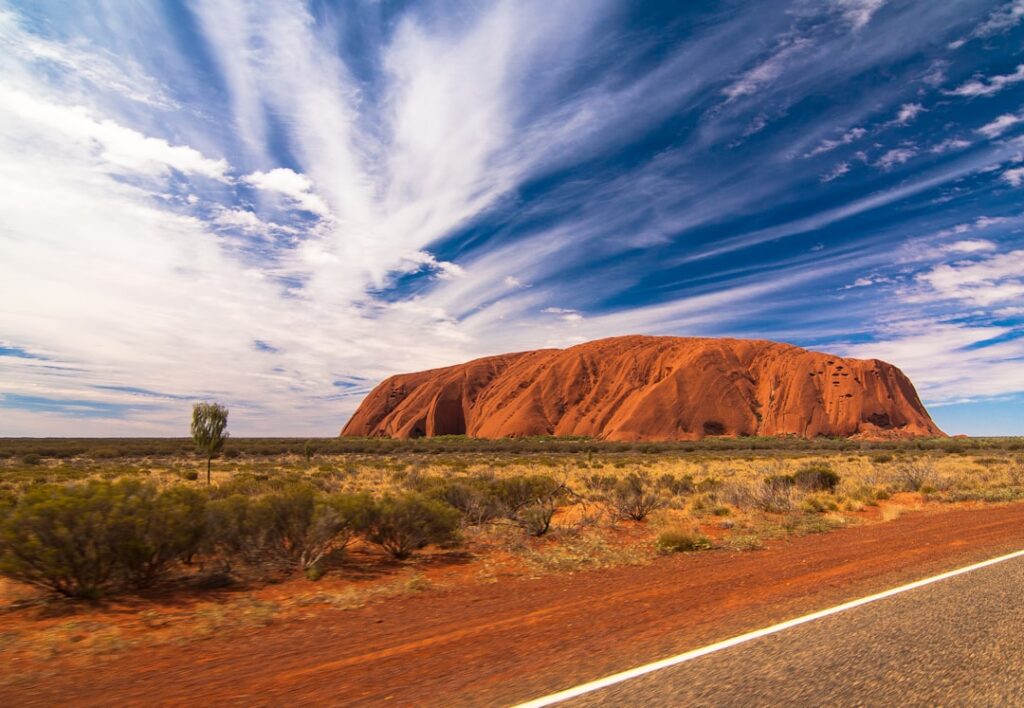
- Outback and desert areas: Remote regions like the Simpson Desert and Flinders Ranges offer solitude and unique experiences but require careful planning and often permit applications.
- Australian Alps: The mountain regions of Victoria and New South Wales provide seasonal access with summer hiking and winter skiing opportunities.
- Tropical north: The Top End and Far North Queensland offer year-round access but with distinct wet and dry seasons affecting accessibility.
Understanding land ownership is crucial for outdoor access. While Australia has vast national parks and state forests, significant portions are also Aboriginal land, private property, or agricultural leases. Access to these areas typically requires permission or permits that must be obtained well in advance.
Permissions & Paperwork: Navigating the Bureaucracy
For anyone planning outdoor activities in Australia, obtaining the necessary permits and licenses should be step one. The paperwork requirements vary by state and territory, as well as by activity:
Fishing Licenses
- NSW: Recreational Fishing Fee required, available online or from service centers
- Victoria: Victorian Recreational Fishing Licence (VRL) needed
- Queensland: Fisheries Queensland permit required
- Western Australia: Recreational Fishing from Boat Licence or Shore-based Fishing Licence
- South Australia: Fishing licence required, with different options for saltwater and freshwater
Camping and Access Permits
Camping on public land often requires permits, especially in popular national parks. Many parks now operate on booking systems, particularly during peak seasons. It’s essential to check individual park websites for specific requirements:
- Popular national parks: Often require advance bookings, especially during school holidays and summer months
- Remote camping: May require permits from local land management authorities
- Indigenous land: Always requires permission and often permits from Aboriginal corporations or councils
Seasonal Rhythms: When and Where to Go
Australia’s climate is notoriously unpredictable, and seasonal weather patterns significantly impact outdoor access. Understanding these rhythms is key to planning a successful outdoor adventure:
Summer (December-February)
- Best for: Southern coastal activities, alpine hiking, summer fishing festivals
- Avoid: Northern regions experiencing monsoon season, potential bushfire-affected areas
- Pro Tip: Summer is peak season for popular destinations – book permits and accommodation well in advance
Autumn (March-May)
- Best for: Fishing in southern states, hiking in temperate forests, wine region tours
- Weather: Generally stable, warm days cooling to comfortable nights
Winter (June-August)
- Best for: Snow sports in Victoria and NSW, whale watching in northern states, desert camping in central Australia
- Caution: Some high-country roads may be closed due to snow and ice
Spring (September-November)
- Best for: Wildflower displays in Western Australia, reef experiences in Queensland, fishing competitions
- Weather: Increasingly warm with variable conditions in southern regions
Local Knowledge: The Unwritten Rules of Australian Outdoor Access
While official regulations provide a framework, the real secrets to accessing Australia’s best outdoor experiences come from local knowledge. Here’s how to tap into this invaluable resource:
Where to Find Local Insights
- Tackle shops: These are often the best source of current fishing conditions and lesser-known access points
- Visitor information centers: Staffed by locals who know the area beyond the brochures
- Online forums: Specific fishing and outdoor activity forums often have active local contributors
Etiquette and Respect
Access to many outdoor areas in Australia is a privilege rather than a right. Following local etiquette ensures these places remain accessible for future visitors:
- Always leave gates as you found them – open or closed
- Respect private property and signage
- Take all rubbish with you, including fishing line and tackle
- When camping, use established sites where possible
Practical Realities: Beyond the Brochure
Planning an Australian outdoor adventure requires considering practical realities that extend beyond the beautiful brochures:
Vehicle Considerations
Quick Fact: Australia’s road conditions vary dramatically. A standard 2WD vehicle can access many popular coastal and forest areas, but significant inland and outback regions require 4WD vehicles with specific preparation. Always check road conditions before setting out, especially after rain.
Safety Considerations
- Water safety: Australian coastal waters can have strong rips and sudden changes
- Wildlife: Know how to safely encounter snakes, spiders, marine stingers, and crocodiles in different regions
- Remote communication: Many areas have no mobile coverage – consider satellite phones or personal locator beacons
Honest Assessment of Limitations
Warning: Despite Australia’s vast size, many popular outdoor areas face significant pressure from tourism and development. Some previously accessible spots may now require permits, have restricted access, or be closed for conservation reasons. Always check current access information before planning trips to avoid disappointment.
Key Takeaways
- Research and obtain all necessary permits and licenses well before your trip
- Seasonal timing significantly affects access and experience quality
- Local knowledge is invaluable for discovering the best spots and understanding unwritten rules
- Respect for land, wildlife, and local communities ensures continued access for everyone
- Preparation for Australia’s unpredictable climate and remote conditions is essential
As you plan your Australian outdoor adventure, remember that the journey to access these incredible spaces is part of the experience. With proper preparation, respect for the land, and an openness to local knowledge, you’ll discover that Australia’s outdoor canvas offers experiences beyond imagination – experiences that will stay with you long after you’ve left our shores.
Frequently Asked Questions
What are the main outdoor zones in Australia and their access considerations?
Australia can be divided into four main outdoor zones: coastal regions with fishing and beach access but some protected marine parks; outback and desert areas requiring careful planning and permits; Australian Alps offering seasonal access with summer hiking and winter skiing; and tropical north with year-round access affected by wet and dry seasons. Land ownership varies between national parks, Aboriginal land, private property, and agricultural leases, with access to non-public areas requiring permission or permits obtained well in advance.
How do I obtain fishing licenses in different Australian states?
Fishing license requirements vary by state: NSW requires a Recreational Fishing Fee available online or from service centers; Victoria needs a Victorian Recreational Fishing Licence (VRL); Queensland requires a Fisheries Queensland permit; Western Australia offers either a Recreational Fishing from Boat Licence or Shore-based Fishing Licence; South Australia requires a fishing license with different options for saltwater and freshwater. The Northern Territory is the exception where fishing licenses are generally not required, though bag limits and size restrictions still apply.
When is the best time to visit Australia for outdoor activities?
The best time depends on your activity preferences: Summer (December-February) is ideal for southern coastal activities and alpine hiking but avoid northern monsoon regions; Autumn (March-May) offers stable weather for southern fishing and temperate forest hiking; Winter (June-August) is perfect for snow sports in Victoria and NSW, whale watching in northern states, and desert camping; Spring (September-November) features WA wildflower displays, Queensland reef experiences, and fishing competitions with increasingly warm weather.
What practical considerations should I be aware of when planning Australian outdoor adventures?
Vehicle requirements vary significantly – 2WD can access many coastal and forest areas, but inland and outback regions need 4WD with specific preparation. Always check road conditions after rain. Safety considerations include awareness of strong coastal rips, wildlife encounters (snakes, spiders, marine stingers, crocodiles), and remote areas with no mobile coverage requiring satellite phones or personal locator beacons. Also be aware that many popular areas now require permits or have restricted access due to tourism pressure and conservation efforts.




Be the First to Comment
Sign in to start the conversation.