

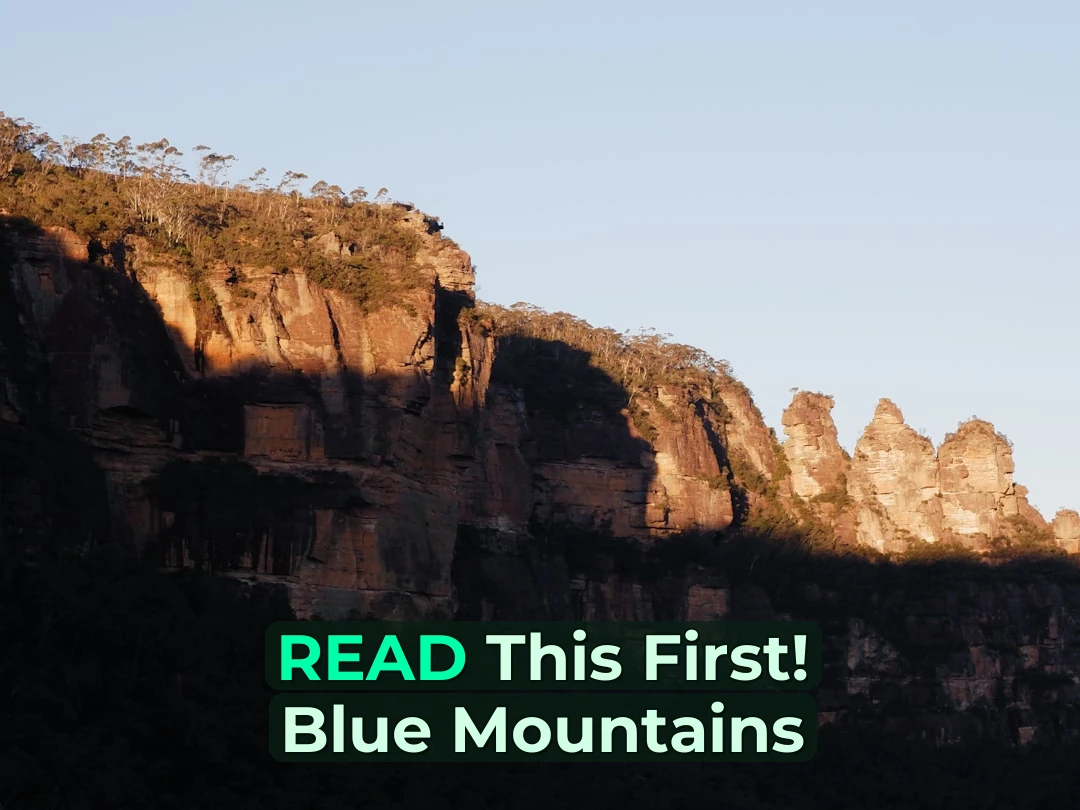
🔥 The scent of damp eucalyptus mingles with the cool, crisp air as you stand at the edge of a misty valley in the Blue Mountains. The chill bites through your clothes, and you’re left wondering: is that technical base layer or the ‘alternative’ wool option actually saving your skin?
📊 Quick Comparison Overview
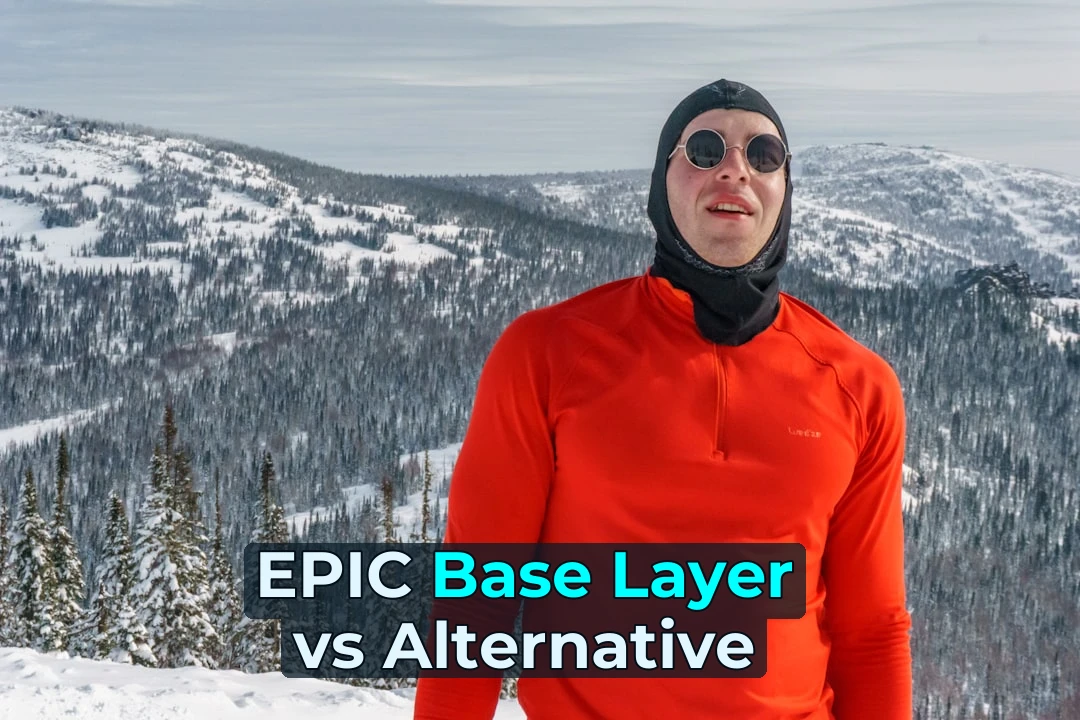
Right, let’s get into the nitty-gritty. I’ve been hitting the trails around Katoomba and Leura for years, and layering is everything when that mountain weather turns. We’re looking at two heavy hitters here: the synthetic Merino Base Layer (the ‘Base’) versus a heavyweight Unisex Flannel Shirt (the ‘Alternative’). The Base is all about moisture-wicking tech, while the Alternative brings that rugged, cotton-blend warmth. One is for high-output cardio; the other is for slow, steady appreciation of the lookouts.
🅰️ The Merino Base Layer Breakdown
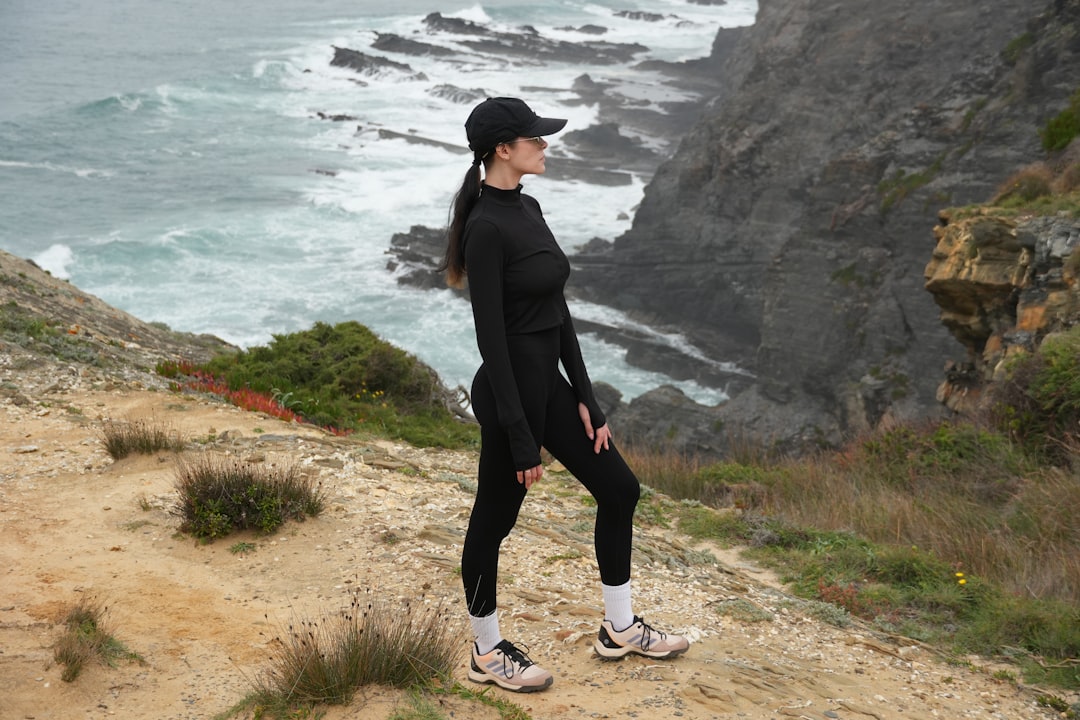
I grabbed this Badgerbase Merino blend for my hike up the Prince Henry Cut last winter. The fit is second-skin tight, which sounds uncomfortable but works a treat for preventing chafing. The standout feature? It stays warm even when I was sweating buckets on the steeper climbs. No clammy feeling, no cold shocks when we stopped for brekkie at the summit. It’s lightweight, packs down tiny, and dries faster than you can say ‘eucalyptus’. However, at $85 AUD, it’s an investment. If you’re a ‘sweater’, this is your holy grail.
🅱️ The Flannel Alternative Reality Check
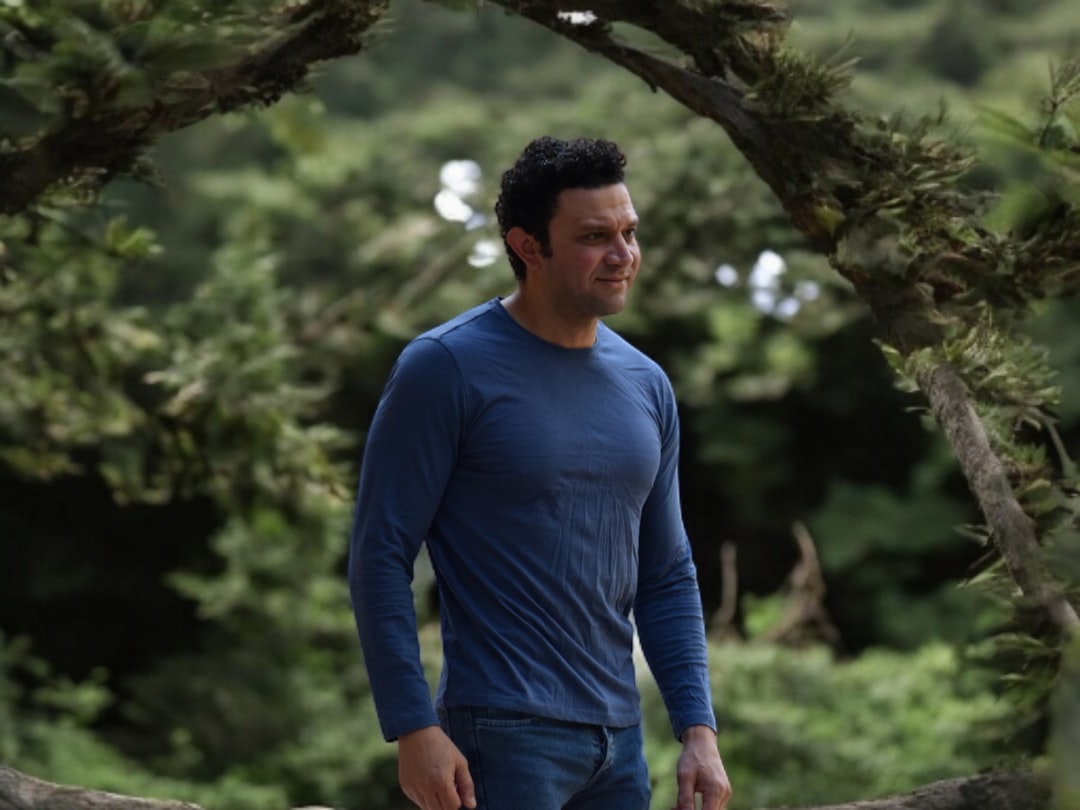
Then there’s the classic Unisex Flannel. I wore a heavy-duty cotton one on a chillier day near Wentworth Falls. The comfort factor? Off the charts. It feels like wearing a soft hug. It handles light rain well and looks great for casual photos at the Three Sisters. But here’s the catch: once you start moving fast, it traps heat instantly. And if a drizzle hits? It soaks up water like a sponge, adding pounds to your pack. Great for static views, terrible if you’re doing the full 14km walk.
⚔️ Head-to-Head Breakdown
Let’s put them to the test. For temperature regulation, the Base Layer wins hands down—it breathes when you’re hot and insulates when you’re still. The Flannel just gets hot, then cold. On durability, the Flannel is tougher against scrub and rocks, but the Merino shrinks if you wash it wrong (always cold water, mate!). For value, the Base Layer wins long-term because you wear it year-round. The Flannel is a one-season wonder for my wardrobe.
🏆 The Winner Is…
If you’re serious about hiking the Blue Mountains trails, especially longer ones like the Grand Loop or Giant Stairway, the Base Layer is the clear winner. It manages moisture better than any alternative I’ve tested. The Flannel is a ripper for casual strolls or if you’re just heading to a cafe in Katoomba, but don’t rely on it for serious trekking. For 90% of my outdoor adventures, I’m sticking with the Base Layer.
💡 Tips & Warnings
✅ ✅ Always pack a waterproof shell jacket. The Blue Mountains weather changes faster than a summer storm!
❌ ❌ Don’t wear cotton next to your skin if you’re doing active hiking. It traps sweat and makes you freeze.
⚠️ ⚠️ Check the Bush Fire Danger Ratings before you head out. Some trails close when it’s too hot.
🚀 So, are you Team Base Layer for the technical stuff or Team Flannel for the casual vibes? Which one would you pick?
#BlueMountainsHiking #BaseLayerVsFlannel #SydneyOutdoorLife #HikingGearReview #AustralianAdventures


Be the First to Comment
Sign in to start the conversation.