
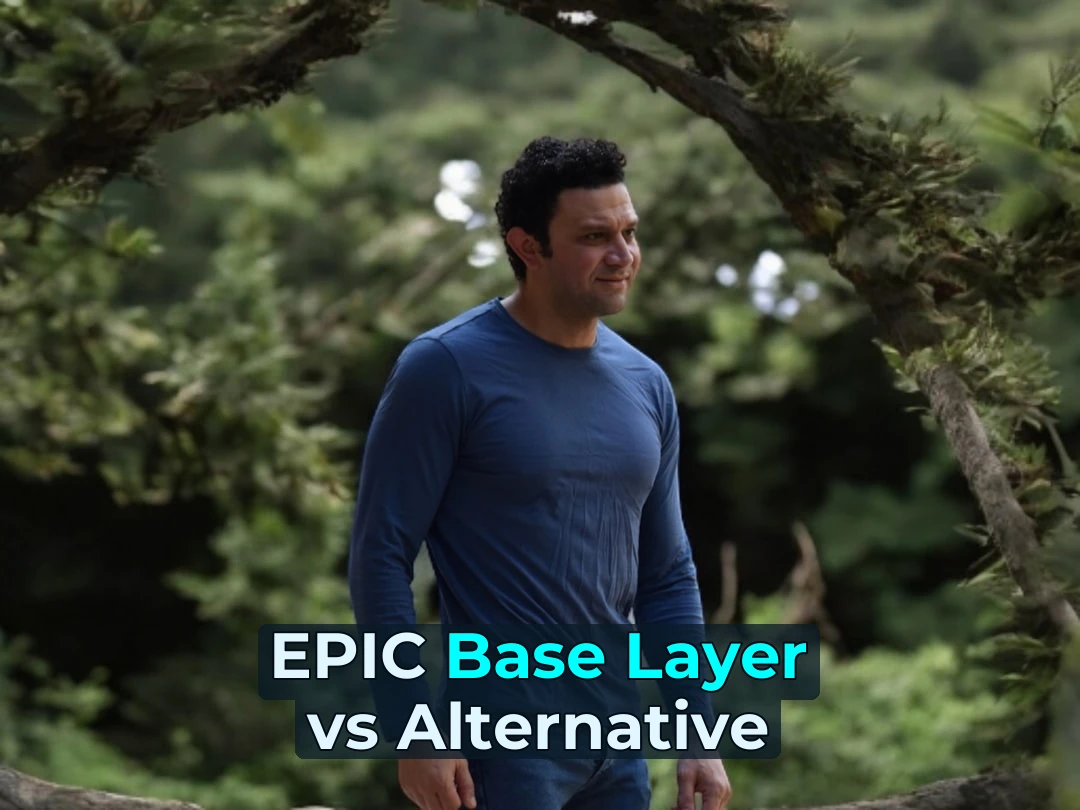
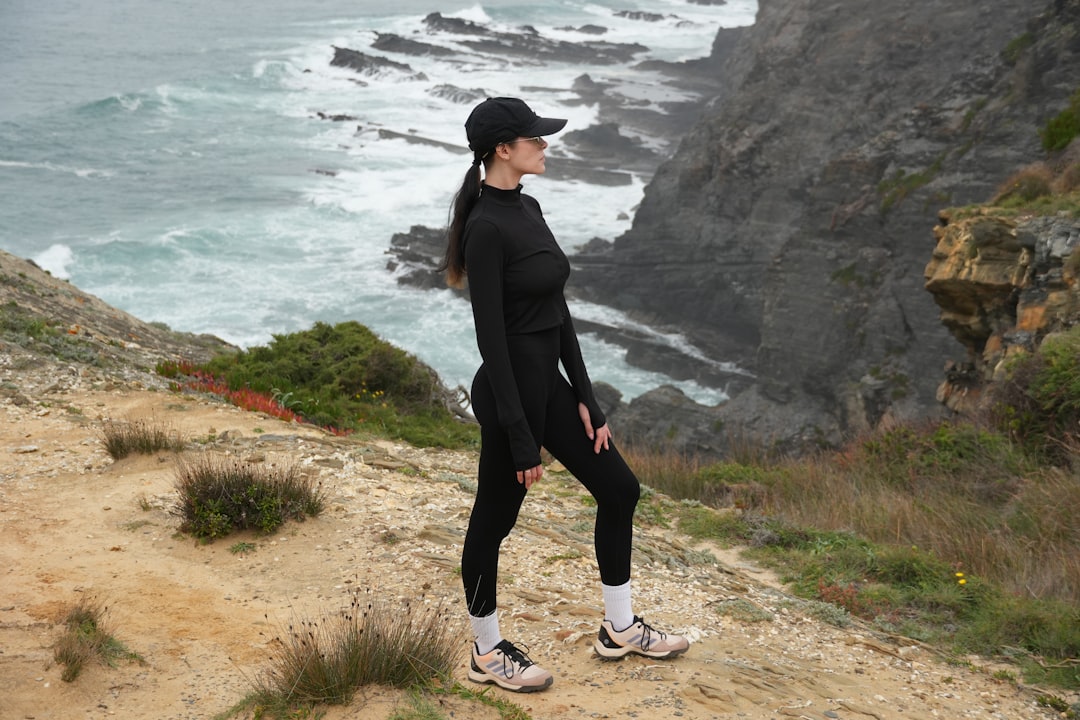
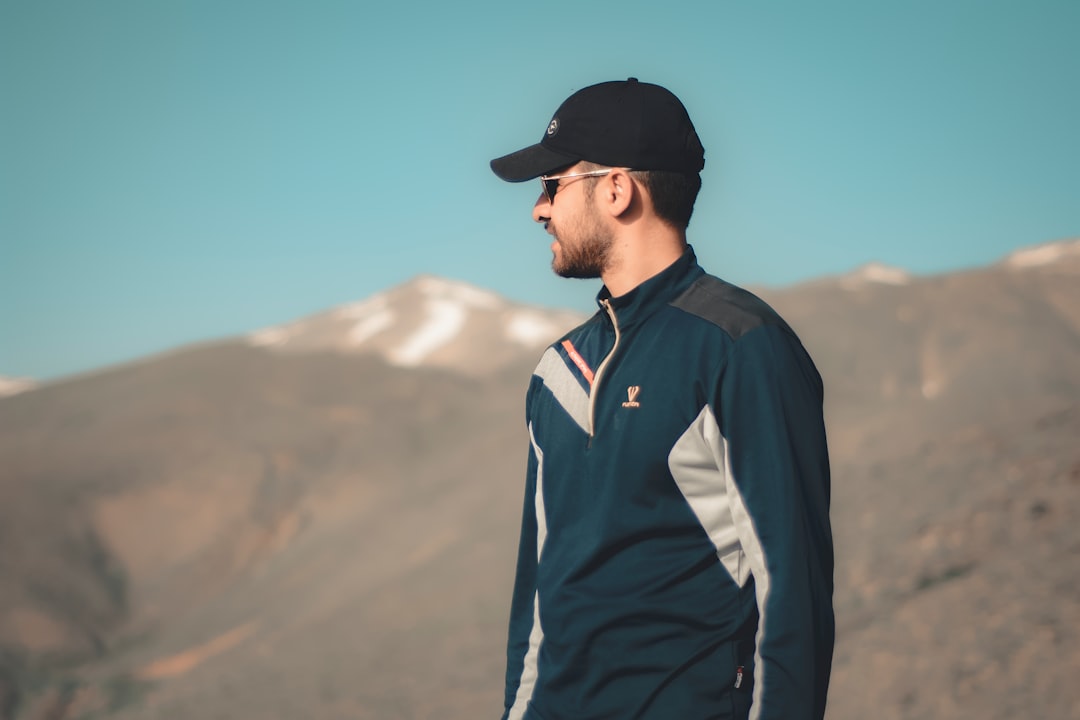
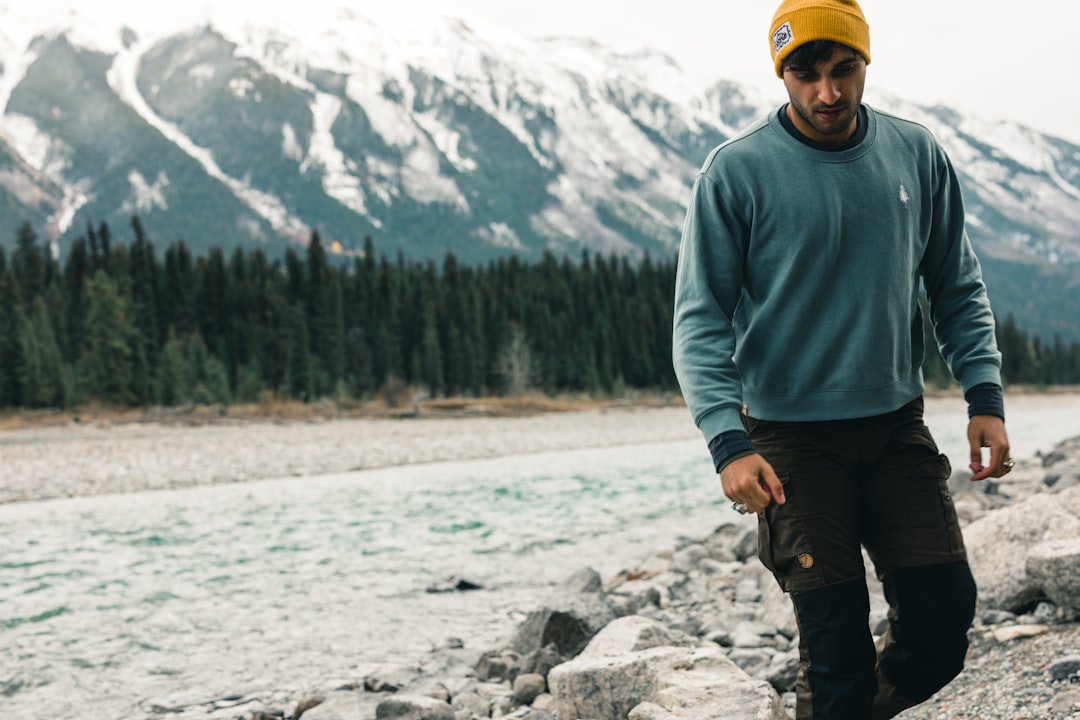
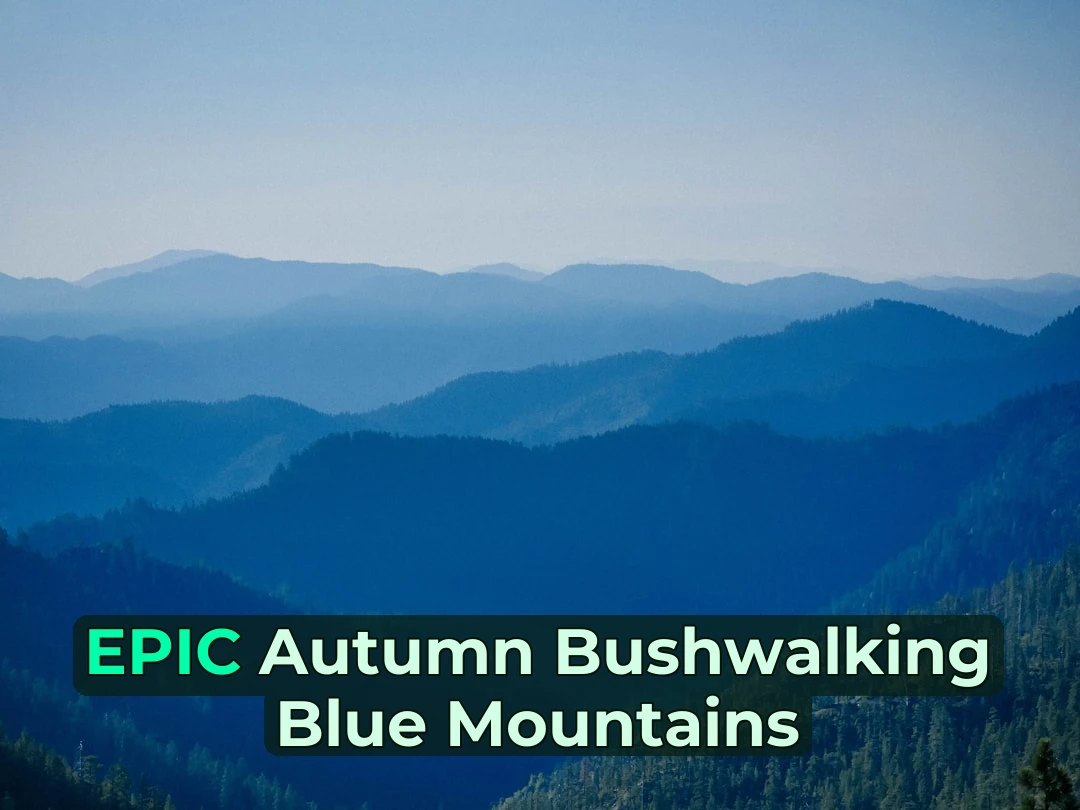
🔥 The salty sea breeze cuts through your thin shirt as you stand at the edge of the Blue Mountains, and suddenly that shivering sensation hits hard—so let’s sort out if you need a proper base layer or just some alternative gear to keep the chill at bay.
📊 Quick Comparison Overview
Alright mate, I’ve been testing gear through some proper chilly arvos on the Grand Canyon Track and the Scenic World walks. It’s crazy how many folks get this wrong! A **Base Layer** is your second skin—usually merino wool or synthetic—it’s designed to manage moisture and keep you warm when things get damp. **Alternatives** (like fleece mid-layers or even heavy cotton long-sleeves) are bulky but warm. The real question? Do you need the technical precision of a base layer, or is a chunky alternative enough for your Blue Mountains adventures? Let’s dive in!
🅰️ Base Layer Detailed Review
I packed my 180gsm merino base layer for a hike up to Wentworth Falls last winter. Honestly, it’s a ripper piece of kit. The fabric is thin but incredibly warm, and because it wicks sweat away from your skin, you don’t get that gross clammy feeling when you’re climbing steep sections. It’s also odour-resistant, which means I wore it for two days without needing to wash it. Perfect for hiking where you’re active but the wind picks up.
🅱️ Alternative Gear Review
On the flip side, I tested a thick cotton-blend long-sleeve and a basic fleece. The good news? It’s cheap and you can grab it at any big-box store in Sydney. But the bad news? Once I started sweating on the descent, that cotton got heavy and cold against my skin. The fleece was warm but bulky—it limited my arm movement when using trekking poles. It’s fine for sitting around a campsite, but for actual hiking? It’s a bit much.
⚔️ Head-to-Head Breakdown
Here’s the clash: **Base Layers** win on comfort, weight, and moisture management. They’re a nightmare to pack if you’re short on space, but they dry fast and keep you dry. **Alternatives** win on price point (often half the cost) but lose hard on performance when things get wet or windy. If you’re doing a quick, easy family walk to the Viewing Platform, an alternative might suffice. But for any serious trail work in the Blue Mountains? The base layer is king.
🏆 The Winner Is…
Hands down, the **Base Layer** takes the trophy! It’s versatile, durable, and keeps you comfortable whether it’s a crisp 5°C morning or a humid summer hike. Yes, you pay more upfront (think $80-$120 for quality merino), but you’ll replace cheaper alternatives every season. For serious Blue Mountains exploration, don’t compromise on your second skin!
💡 Tips & Warnings
✅ ✅ Always choose merino wool or synthetic fabrics for base layers—avoid cotton at all costs!
❌ ❌ Don’t pack bulky cotton fleeces if you plan on active hiking; they’ll weigh you down when wet.
⚠️ ⚠️ Blue Mountain weather changes fast—always check the forecast and pack layers you can add or remove easily.
🚀 So, which one would you pick for your next Blue Mountains adventure? Let me know in the comments! 🚀
#BlueMountains #HikingGear #OutdoorLife #MerinoWool #SydneyOutdoors


Be the First to Comment
Sign in to start the conversation.