




What if the best outdoor gym in Australia wasn’t a gym at all, but a stretch of coastline where your equipment includes ocean breezes, sand dunes, and hidden trails? While many Sydneysiders instinctively punch the coordinates for Byron Bay or the Royal National Park into their GPS, they often speed right past the Greater Sydney region’s most underrated fitness playground: the Central Coast. It is time to stop treating this stretch of the New South Wales coastline as just a highway detour. Located just an hour north of Sydney, this area is fast becoming a premier destination for those seeking the best outdoor fitness in Australia, offering a unique blend of bushland and beach without the chaotic crowds of the city.
The “False Summit” and The Real Views
There is a common misconception among outdoor enthusiasts in Sydney that you need to drive three hours north or south to find a “real” adventure. We call this the “False Summit”—the idea that the effort required to reach a destination dictates its value. But if you pull over at the Central Coast, you’ll realise that the geography here offers a ruggedness that rivals anywhere else, yet it is incredibly accessible. The clash of dense eucalypt bushland crashing into the Pacific Ocean creates a natural training ground that is as challenging as it is beautiful.
Two Distinct Vibes: Bouddi vs. Wyrrabalong
When planning your outdoor fitness Australia experience here, it helps to understand the two main personalities of the Coast’s national parks.
- Bouddi National Park: This is for the purist. The Coastal Walk here offers a rugged, technical experience that will test your calves and your cardio. It is raw, exposed, and dramatic.
- Wyrrabalong National Park: Located further south, this offers a more manageable but equally rewarding experience. The trails here are winding and shaded, perfect for a solid trail run or a family hike that doesn’t require a rescue party.
However, the real magic lies in the unexpected discovery. Most tourists flock to the main lookouts, but locals know that the Putty Beach to Maitland Bay track holds a secret. If you time your hike to finish at the secluded Maitland Bay, you are rewarded with a view of the rusty wreck of the SS Maitland on the sand—a sombre, fascinating piece of maritime history that makes the burn in your quads feel entirely worth it.
“The Coast isn’t just a place you drive through to get somewhere else; it’s where the city’s noise fades out and the ocean’s rhythm takes over. It’s Sydney’s best-kept fitness secret.”
Moving with the Elements
To truly master the outdoor fitness Australia lifestyle on the Central Coast, you need to stop looking at the calendar and start looking at the sky. This region has distinct moods that change how you exercise. Treating it like a sunny, static postcard is a fast track to a miserable workout.
The Morning Mist: The Secret Weapon
While many people pack away their hiking boots in winter, savvy locals know that June to August is actually the prime time for outdoor exercise equipment near me—specifically, the natural kind. During these cooler months, the morning mist hangs low over the Hawkesbury River and the coastal ridges.
Why is this better? First, the visibility. The air is crisp, and you can see for miles without the summer haze. Second, and more practically, the reptiles are asleep. On a 20-degree winter morning, you can tear down a single-track trail without scanning every log for a sunbaking snake. It is pure, uninterrupted movement.
The Afternoon Sea Breeze: Nature’s Resistance Band
Conversely, summer is a different beast. From December through February, the Central Coast is defined by the “Nor-Easter.” If you plan a coastal run at 2:00 PM, you aren’t just running; you are fighting a headwind. Instead of fighting it, use it. Plan your run to head into the wind for the first half, letting the breeze push you home on the return leg. It turns a standard cardio session into a resistance workout.
Beyond the Tourist Map
This is where we stop being a travel brochure and start being a local. The difference between a good weekend and a great one often comes down to logistics—the kind of things that only residents learn after years of frustration.
Surfing, Running, and Rust
For those looking for specific outdoor fitness Australia equipment setups, the Central Coast has some gems, but you have to know where to look.
If you are into calisthenics or functional training, skip the crowded stations at the main Avoca Beach foreshore on a Saturday morning. Instead, head to Terrigal Haven. There is a clifftop fitness station there that looks out over the Tasman Sea. It is tougher, more rustic, and generally used by serious locals rather than tourists taking selfies. The view of “The Skillion” while doing dips makes the burn infinitely more bearable.
Local Knowledge: The Hill Has No Name
When asking for directions, you might hear locals refer to a hill by a name that doesn’t appear on Google Maps. For example, the steep, paved incline leading up from Woy Woy to the lookout is affectionately (and painfully) known by locals as “The Heartbreak Hill.” If someone suggests it for a workout, bring water. It is a short, sharp shock to the system that gains elevation rapidly, offering a sweat session that leaves even seasoned runners gasping.
The “Secret Spot” Reveal
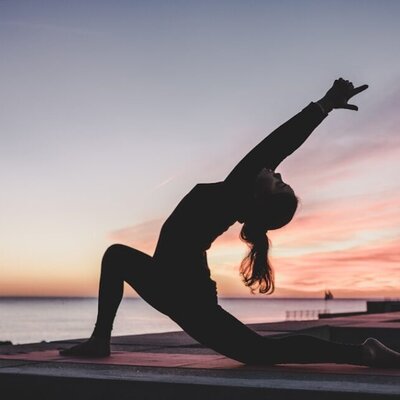
I remember a Tuesday afternoon last February when I decided I needed a break from the noise. I drove past the packed car parks at Terrigal and kept going until I reached the edge of Bouddi. I found a small, unmarked turnoff and walked ten minutes through the scrub. Suddenly, the bushes parted, and I was standing on a cliff edge above a tiny, isolated cove. There wasn’t another soul in sight. I spent an hour doing yoga on the flat rock ledge, the sound of the waves crashing below acting as my playlist. That is the beauty of the Central Coast—the isolation is there if you are willing to walk a little further than everyone else.
The “Sand Pit” Reality Check
On the flip side, let’s talk about humility. I once decided that Macmasters Beach would be the perfect spot for a soft-sand run. I strapped on my shoes, feeling heroic, and hit the sand at low tide. Ten minutes later, my calves were on fire, my lungs were burning, and I was barely moving faster than a walk. I had completely underestimated the resistance of the soft dry sand. It was a humbling reminder that “outdoor fitness” isn’t just about fresh air; it’s about respecting the surface. If you are new to sand running, stick to the hard-packed wet sand near the water’s edge first. Your shins will thank you.
Conclusion
This isn’t about ticking off a checklist of spots; it’s about changing how you view your own backyard. The “Greater Sydney” outdoor experience is incomplete without acknowledging the wild, untamed beauty of the region just north of the Harbour Bridge. So, will you keep driving past the exit on the F3, or will you finally step out and let the Coast show you what real outdoor training feels like?
Key Takeaways
- The Central Coast offers a rugged alternative to crowded Sydney spots, with Bouddi and Wyrrabalong National Parks providing diverse hiking and running options.
- Winter (June-August) is ideal for hiking due to cooler temperatures and increased visibility, while summer requires planning around the afternoon sea breeze.
- For a post-exercise coffee, seek out local vans over main strips to experience authentic local culture.
- Be wary of soft sand running if you are a beginner; stick to the hard-packed wet sand near the water to build up strength safely.
Frequently Asked Questions
What are the main differences between Bouddi and Wyrrabalong National Parks for outdoor fitness?
Bouddi National Park is designed for the purist, offering a rugged, technical experience with the Coastal Walk that tests your calves and cardio. In contrast, Wyrrabalong National Park, located further south, provides a more manageable experience with winding, shaded trails that are perfect for solid trail runs or family hikes without requiring extreme exertion.
How should I handle the afternoon ‘Nor-Easter’ sea breeze during a summer run?
Instead of fighting the strong ‘Nor-Easter’ headwind common from December through February, you should use it to your advantage. Plan your run to head into the wind for the first half of your session, which acts as resistance training. This strategy allows the breeze to push you home on the return leg, turning a standard cardio session into a resistance workout.
When is the best time of year to hike the Central Coast trails for maximum visibility and safety?
The prime time for hiking is during the winter months of June to August. During these cooler months, the morning mist hangs low over the Hawkesbury River, offering crisp air and excellent visibility without summer haze. Additionally, the cooler temperatures mean reptiles are less active, allowing you to tackle single-track trails without constantly scanning for sunbaking snakes.
Where is the best spot for outdoor calisthenics and functional training on the Central Coast?
For a serious workout, skip the crowded stations at the main Avoca Beach foreshore and head to Terrigal Haven. There is a rustic clifftop fitness station there that looks out over the Tasman Sea, favoured by locals over tourists. It offers a tougher workout and a view of ‘The Skillion’ while you perform exercises like dips.


Be the First to Comment
Sign in to start the conversation.