


The full moon crests the horizon at Town Beach, and suddenly the dark expanse of Roebuck Bay transforms into a shimmering illusion. A golden staircase stretches across the exposed mudflats, reflecting the rising light onto the roots of the mangroves in a spectacle that feels almost otherworldly. For a few minutes, the air is perfectly still, the humidity drops just enough, and the crowd around the mangroves falls silent, captivated by the optical trick known as the Staircase to the Moon. It is a moment of pure visual magic, but as the light fades and the reality of the tropics settles back in, you are reminded that experiencing the Kimberley isn’t just about being there—it’s about being there at the exact right moment. Catching this light, or indeed enjoying any outdoor activity in this vast landscape, relies entirely on understanding the rhythm of the seasons.
The Three Kimberley Personalities
To truly understand when to visit, you have to stop thinking in months and start thinking in moods. The Kimberley year isn’t a linear progression of dates; it’s a rotating cast of three distinct characters. Knowing which one is in charge when you arrive will dictate whether your trip is a dream adventure or a sweaty ordeal.
The Build-Up (The Intense Introvert)
Stretching from October to November, this season is moody, oppressive, and incredibly dramatic. This is when the heat really digs in, testing your resolve. The sensory experience is defined by the smell of rain—that unmistakable, earthy scent of petrichor rising from the baked ground before a single drop falls—and the sound of distant thunder rolling across the landscape.
The sky turns a bruised purple in the afternoons, and the air feels so heavy you could swim through it. It’s moody, atmospheric, and undeniably powerful.
The Wet (The Dramatic Performer)
From December through March, the Kimberley becomes a stage for one of nature’s most impressive shows. This is the season of monsoonal rains and roaring waterfalls. The greenery explodes, covering the red dirt in a vibrant coat of life. While the humidity is high, the reward is witnessing the region’s waterfalls at their thundering peak and the lightning shows that light up the night sky.
The Dry (The Reliable Extrovert)
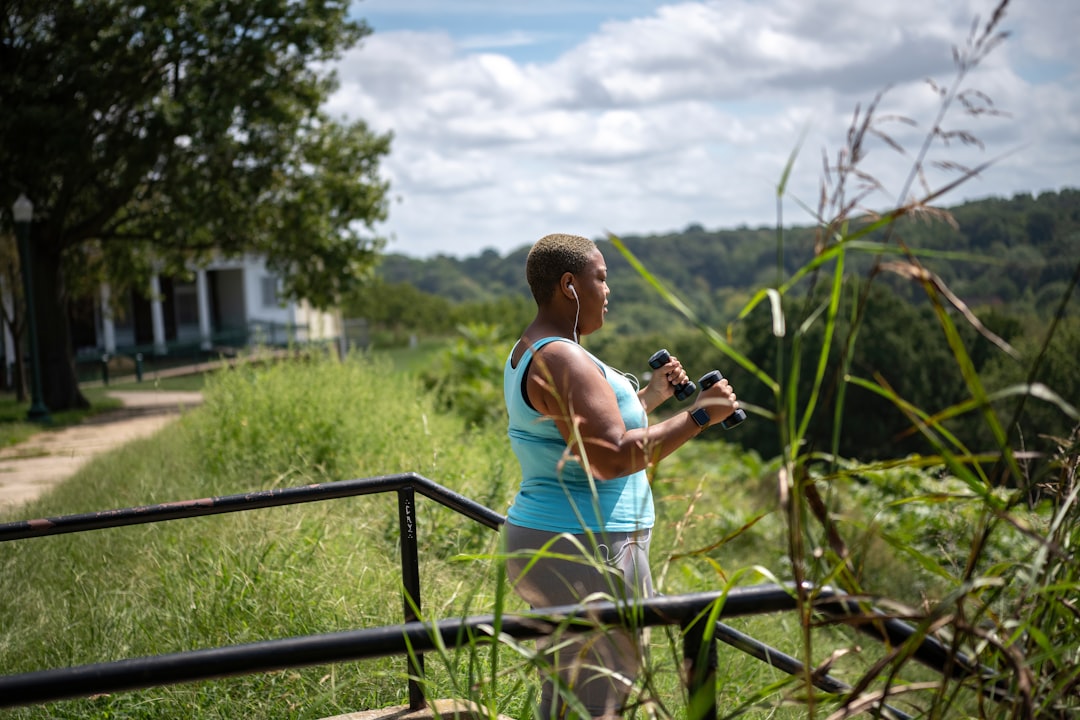
Finally, from May to September, the region invites everyone to the party. This is the social season, characterized by crisp, starry nights and warm, pleasant days. The oppressive humidity vanishes, replaced by a dry heat that makes outdoor fitness a genuine joy rather than a chore. This is when the region is accessible, the roads are open, and the calendar is packed with events.
The “Window of Opportunity” Calendar
If you are the type who likes a cheat sheet, here is your month-by-month action plan. Forget the average temperatures; this is about activity suitability.
- May: The sweet spot. Hike the Gibb River Road without the dust, swim in waterholes, and camp under the stars. The nights are cool enough for a campfire.
- June: Peak season kicks in. Perfect for camel rides on Cable Beach and long-distance trekking. Book accommodation well in advance.
- July: Ideal for families. School holidays bring energy to the town, and the weather is flawless for outdoor festivals and markets.
- August: Great for wind sports. The breeze picks up, making it prime time for kitesurfing. Still excellent for hiking.
- September: The water starts to warm up. Excellent for fishing and boating as the humidity begins a slow, gentle rise.
- October: Stick to the coast. The inland starts to get too hot. Focus on early morning activities or water-based fitness.
- November: The “Pool and AC” rule applies. Do not attempt long hikes. Stick to the resorts, the pools, and the mangroves.
- December – March: 4WD enthusiasts only. This is the time for waterfall chasing by helicopter or boat. Most national parks close to vehicles.
- April: The transition. The rain tapers off, the waterfalls are still pumping, and the dust hasn’t settled yet. A magical, fleeting time.
Local Secrets & Limitations
Let’s be honest: the Kimberley is not a year-round paradise. It is a wild environment that demands respect. If you come unprepared, the environment will chew you up and spit you out.
The “Authentic Experience” isn’t just about seeing the sights; it’s about surviving them comfortably. The humidity in the Build-Up can reach 90%, making outdoor exercise dangerous if you aren’t acclimatised. Locals don’t fight it; they adapt.
The Melted Flip-Flop Story
I learned this lesson the hard way a few years ago. It was early October, right on the cusp of the Build-Up. I thought I was tough, a seasoned outdoorsman who could handle a bit of heat. I decided to go for a “light” trail run near the outskirts of town at 10:00 AM. Within fifteen minutes, the air felt like a hairdryer set to ‘high’ blowing directly into my face. The sweat wasn’t cooling me down; it was just coating me in a sticky film. The defining moment came when I stopped to tie my shoe, and I left a visible footprint in the bitumen road—the ground was actually softening under the heat. I looked down at my cheap rubber thongs (flip-flops) and realized the sole was starting to deform against the scorching pavement. That was the end of the run. I walked back, defeated, realizing that in the Kimberley, nature sets the schedule, not you.
The Surprise at Gantheaume Point
Conversely, timing can sometimes offer incredible gifts if you pay attention to the tides. I once took a stroll down to Gantheaume Point during a particularly low tide in July. I wasn’t looking for anything specific, just enjoying the fresh air of the Dry season. As I clambered over the red sandstone rocks, I noticed strange, three-toed impressions in the stone. I looked them up later—they were real dinosaur footprints, preserved for 130 million years. Seeing them felt like a secret handshake with the ancient past. The key was the tide; if I had arrived an hour later, they would have been submerged under the Indian Ocean. It was a stark reminder that outdoor activities here are governed by the moon and the sea just as much as the sun.
Did you know? The dinosaur tracks at Gantheaume Point can be difficult to see at high tide. For guaranteed views without getting your feet wet, check out the plaster casts located at the top of the cliff.
Invitation to Choose
So, which Kimberley persona are you? Are you the rugged adventurer chasing waterfalls in the Wet, happy to swap a dry shirt for a private view of a thundering cascade? Or perhaps you are the social butterfly who loves the buzz of the Dry season festivals and long, warm evenings by the beach? Maybe you are the introspective soul who finds beauty in the moody, heavy skies of the Build-Up.
Whoever you are, pack smart. Bring the high-SPF sunscreen, the wide-brimmed hat, and a hydration pack that you actually use. The Kimberley offers some of the best outdoor fitness and adventure experiences in Australia, but it rewards those who respect the rhythm of the land. Choose your window, pack your gear, and get ready for an adventure that will stay with you long after the red dust has left your shoes.
Frequently Asked Questions
What are the three distinct seasons in the Kimberley and how do they differ?
The Kimberley year is defined by three distinct ‘personalities’. The Build-Up (October to November) is moody and oppressive with heavy heat and petrichor. The Wet (December to March) brings monsoonal rains, high humidity, and thundering waterfalls. The Dry (May to September) offers a reprieve with crisp nights, warm days, and accessible roads, making it the most popular time for social activities and outdoor fitness.
How can I best manage outdoor activities during the intense heat of the Build-Up?
To cope with the extreme conditions during the Build-Up, locals recommend joining the ‘5 AM Club’. Sunrise is the only golden hour suitable for exercise; by 8:00 AM, the heat becomes perilous. You should focus on early morning activities and spend the midday hours planning adventures or staying in air-conditioned comfort to avoid the 90% humidity which can make outdoor exercise dangerous.
When is the best time to visit for camping and hiking the Gibb River Road?
The Dry season, specifically May and June, is the prime window for camping and hiking. May is considered the sweet spot to hike the Gibb River Road before the dust settles, allowing for cool nights suitable for campfires. June marks the start of peak season with perfect weather for long-distance trekking, though you must book accommodation well in advance.
What are the travel limitations and safety concerns during the Wet season?
Travel during the Wet season (December to March) is largely restricted to 4WD enthusiasts. Many remote tracks, including popular sections of the Gibb River Road, close completely due to safety hazards. Bypassing closed road signs is dangerous as the risk of getting bogged is high. While waterfalls are at their peak, most national parks are inaccessible to vehicles during this time.


Be the First to Comment
Sign in to start the conversation.