
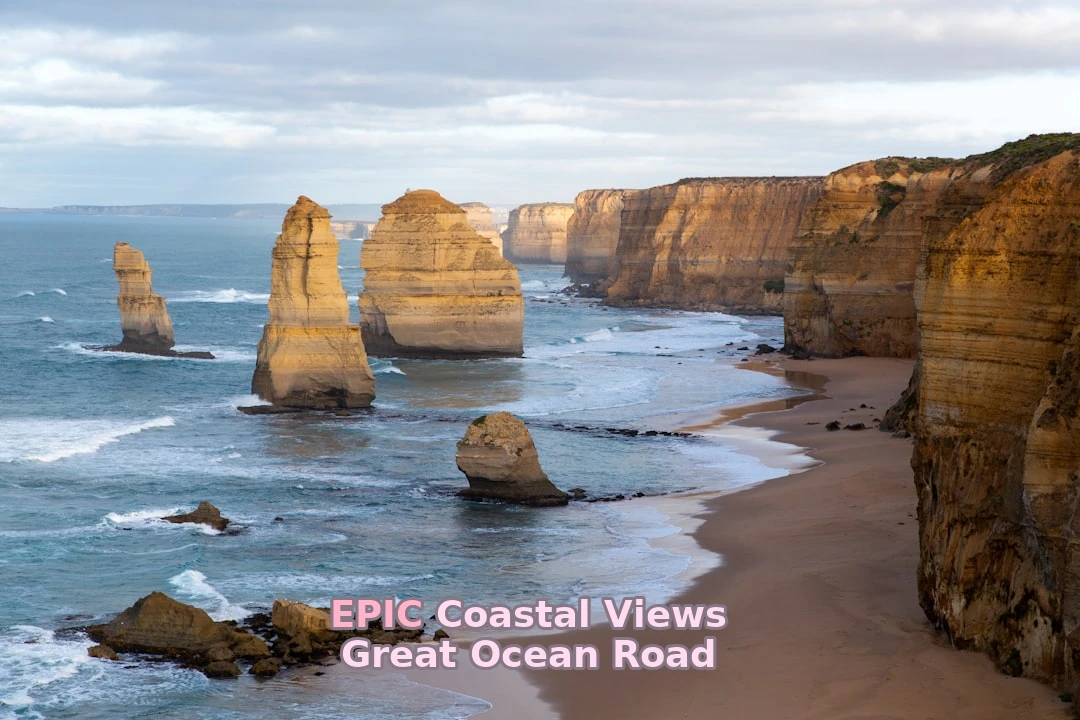
🔥 The crisp salt air hits your face as you round the bend, and suddenly there they are – seals basking on the rocks, their dark forms contrasting against the turquoise water. That was my first proper wildlife encounter on the Great Ocean Road, and mate, it was a ripper!
🎒 What You’ll Need
Before you head out, make sure you’ve got these essentials:
✅ Binoculars – don’t cheap out here, mate. A decent pair makes all the difference
✅ Camera with zoom lens – phone cameras just won’t cut it for wildlife shots
✅ Comfortable walking shoes – you’ll be doing heaps of walking on uneven surfaces
✅ Sunscreen and sunnies – that Aussie sun is no joke, even on overcast days
✅ Water bottle and snacks – you’ll get hungry out there
✅ Field guide or app – something to help identify what you’re seeing
Optional but handy:
– Wide-brimmed hat
– Light jacket (it can get chilly near the coast)
– Portable chair for long viewing sessions
1️⃣ Step 1: Research Your Spots
The Great Ocean Road is massive, so you gotta know where to look. Here are my go-to spots:
📍 Loch Ard Gorge – brilliant for seals and seabirds
📍 Gibson Steps – perfect for whale spotting (June to October)
📍 Apollo Bay – dolphins often play in the harbour
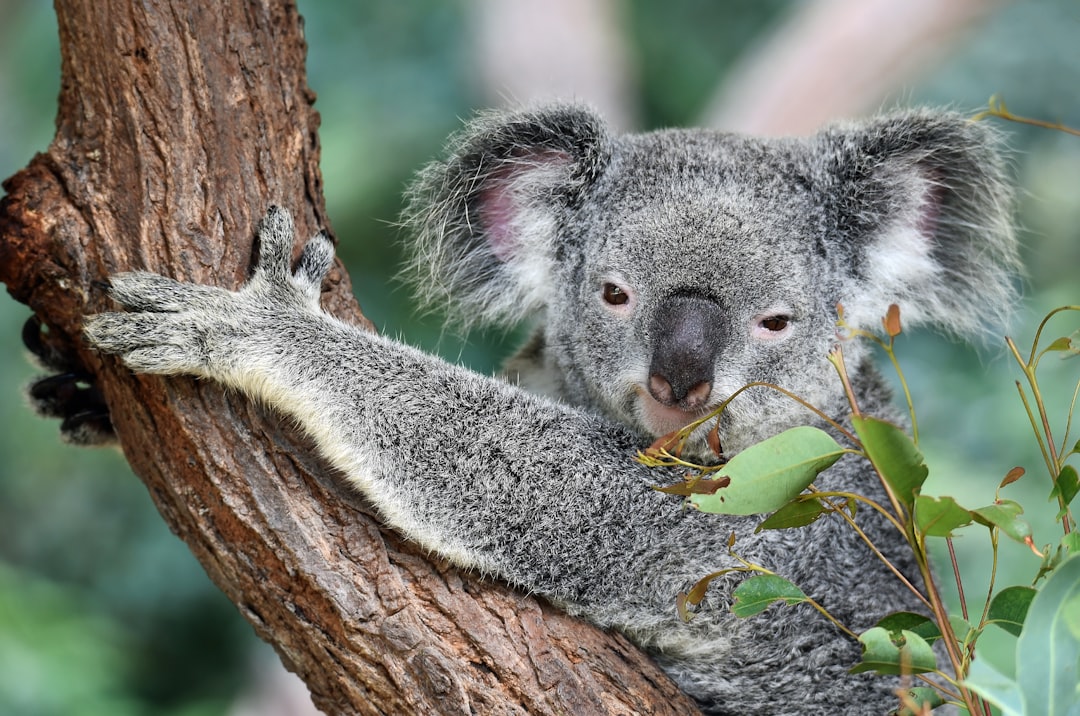
�offset Cape Otway Lightstation – koalas galore in the trees!
Check tide times before you go – low tide exposes more rock platforms where seals love to hang out. I usually plan to arrive an hour before high tide for the best viewing.
2️⃣ Step 2: Master the Art of Patience
Wildlife watching ain’t like seeing animals at the zoo, mate. You gotta be quiet and patient. Here’s what works for me:
– Find a good spot and just sit still for 10-15 minutes
– Let the animals get used to your presence
– Move slowly and quietly when you do need to adjust
– Keep your voice down – yelling scares them away
Last time I was at Cape Otway, I sat for about 20 minutes just watching. At first, nothing. Then I spotted one koala, then another, and before I knew it, there were five of them! Patience pays off, I tell ya.
3️⃣ Step 3: Respect the Wildlife
This is crucial, mate. We’re visitors in their home, so gotta show some respect:
✅ Keep at least 30 meters distance from large animals
✅ Never feed wildlife – it’s illegal and bad for them
✅ Stick to marked paths to avoid disturbing habitats
✅ If an animal seems stressed or agitated, back away slowly
✅ No flash photography – it can startle and harm animals
Remember the saying: take only photos, leave only footprints. I’ve seen too many idiots trying to get selfies with seals or feeding wallabies. Don’t be that person!
4️⃣ Step 4: Capture the Moment Right
Getting good wildlife photos takes practice. Here are my tips:
– Use burst mode for action shots (dolphins leaping, birds taking flight)
– Early morning or late afternoon gives the best light
– Focus on the eyes – makes the photo more engaging
– Use a tripod for stability, especially with binoculars or camera zoom
– Don’t worry about fancy equipment – I’ve taken some beaut shots with just my phone and a steady hand
My best wildlife shot was of a sea eagle at Loch Ard Gorge. I waited an hour for it to fly, and when it did, I managed to capture it with its wings spread wide against the blue sky. Pure magic!
5️⃣ Step 5: Join a Guided Tour
If you’re new to this or want to learn from the pros, a guided tour is worth every cent. I’ve done a few and they’re heaps good because:
– Guides know exactly where to look
– They’ll help you identify animals you might miss
– Often have access to exclusive viewing spots
– Provide interesting facts about the wildlife
– Handle all the logistics so you can just enjoy
Last year I did an evening wildlife tour near Apollo Bay. Our guide spotted a rare frogmouth that I never would’ve seen on my own. Was absolutely worth the $80!
💡 Pro Tips for Budget Watching
You don’t need to spend heaps to have a ripper wildlife experience:
– Visit national parks on free entry days (usually several times a year)
– Pack your own brekkie and lunch to save on café costs
– Camp instead of staying in pricey accommodation
– Share binoculars with friends or family
– Download free wildlife identification apps
My most memorable wildlife experience was during a budget camping trip near Anglesea. We spotted a mother kangaroo with her joey right at our campsite! Didn’t cost a cent beyond the camp fee.
📋 Practical Info
📍 Great Ocean Road, Victoria, Australia (various locations along the route)
🚗 From Melbourne, approximately 1.5-2 hours drive via the Princes Highway or Great Ocean Road itself
💰 $0-15 per person for park entry | $80-150 for guided tours | Free for many viewing spots
🕐 Wildlife is most active at dawn and dusk | Parks generally open 24/7 but check specific locations
⏱️ Full day recommended for multiple locations, half day for focused area
💡 Tips & Warnings
✅ Arrive early to avoid crowds and catch animals when they’re most active
❌ Don’t wear strong perfumes or colognes – animals have sensitive noses
⚠️ Be extra careful near cliff edges and rock platforms – waves can be unpredictable
✅ Check weather conditions before heading out – some viewing spots can get very windy
🚀 Give it a crack and let me know how you go! The Great Ocean Road wildlife experiences are waiting for you 🚀
#WildlifeWatching #GreatOceanRoad #AustralianAnimals #NatureLovers #OutdoorAdventures #BeginnerGuide #EcoTourism #SealSpotting #KoalaSighting #DolphinWatching

Be the First to Comment
Sign in to start the conversation.