

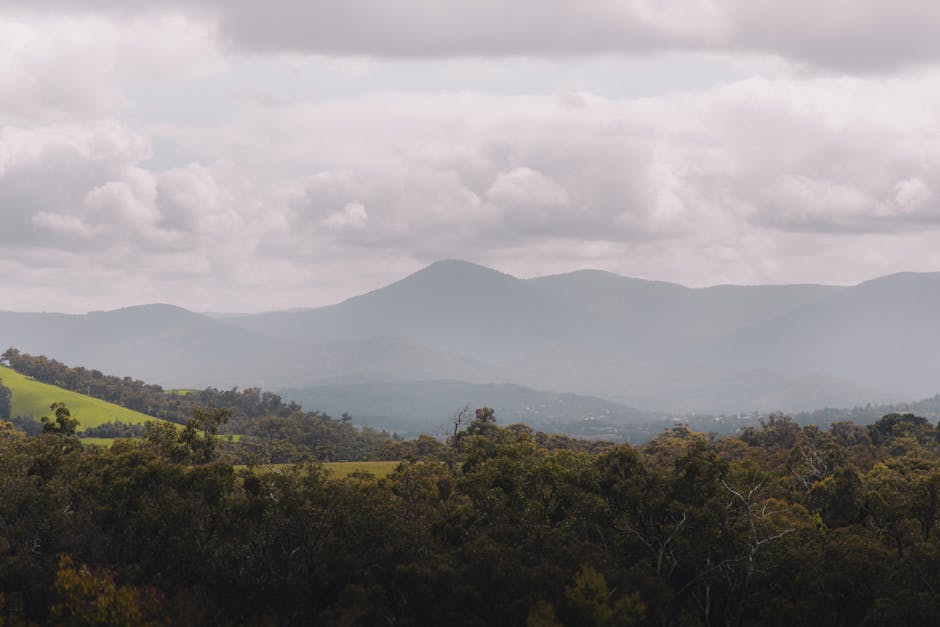
The rough texture of Grampians sandstone scrapes against your fingertips as you reach for the next hold. Above you, the sun filters through eucalyptus leaves, casting dappled shadows across the cliff face. The distant call of a kookaburra echoes through the valley, mixing with the rhythmic sound of chalk dust falling onto the ground below. This is Western Victoria’s rock climbing playground – a place where ancient geology meets human ambition, where each climb tells a story written in stone and sweat.
The Grampians at Your Fingertips
The Grampians (Gariwerd) National Park offers some of Australia’s most diverse climbing experiences, with everything from beginner-friendly beginner areas to challenging multi-pitch routes that will test even the most experienced climbers. The unique quartzite and sandstone formations create friction that’s perfect for climbing, with features that range from delicate edges to powerful overhangs.
Key Climbing Areas
- Mount Arapiles: Often called Australia’s premier climbing destination, with over 2,000 routes across all grades.
- The Grampians (Northern Areas): Taipan Wall, The Organ Pipes, and Bundaleer offer incredible variety.
- Mount Coot-tha: Perfect for beginners and families with gentle grades and stunning views.
- Black Range State Park: Less crowded with excellent granite bouldering opportunities.
“The climbing here isn’t just about the physical challenge—it’s about connecting with something ancient. When you’re on these rocks, you’re touching the same stone that Aboriginal people have interacted with for over 22,000 years.” – Local climber and cultural guide
Route Recommendations by Skill Level
For beginners, start with the “Grampians Classic” at Mount Coot-tha—a gentle 10-meter route with excellent handholds and stunning valley views. Intermediate climbers will find plenty of challenges at Taipan Wall, particularly the popular “Buttress” series. Experienced adventurers should tackle the multi-pitch routes on The Organ Pipes, which offer some of the most exposed and rewarding climbs in the region.
Climbing Through the Seasons
Western Victoria’s climate offers year-round climbing opportunities, each season bringing its own unique experience. Understanding these seasonal variations is key to planning your climbing adventure.
Spring (September – November)
Spring brings the most pleasant climbing conditions—warm days with cool mornings, perfect for multi-pitch routes. This is also when the Grampians explode with wildflowers, creating a stunning backdrop for your climbing adventures.
Summer (December – February)
<warning: 40°c,="" always="" and="" can="" carry="" climbing="" closely.
Autumn (March – May)
Autumn offers crisp, clear air and comfortable temperatures. The changing colors of the eucalyptus create a spectacular visual experience, making this season particularly popular for photographers and those seeking Instagram-worthy climbing shots.
Winter (June – August)
While cooler, winter climbing is possible on sunny days. The rock stays cool, making it ideal for friction-dependent routes. However, be prepared for potential rain and always check weather forecasts before heading out.
Beyond the Rock Face
The Grampians region offers so much more than just climbing—perfect for making your trip an unforgettable adventure for the whole family.
Family-Friendly Activities
- The Brambuk National Park and Cultural Centre offers interactive exhibits about Aboriginal culture and local wildlife.
- The MacKenzie Falls lookout provides spectacular views without requiring strenuous hiking.
- Reeds Lookout offers panoramic views with accessible pathways suitable for all fitness levels.
Local Food and Accommodation
After a day of climbing, treat yourself to local specialties like kangaroo burgers at the Halls Gap pub or visit the Farmers Market (held on the first Saturday of each month) to taste local produce. For accommodation, options range from camping at The Pines to comfortable cabins at the Grampiers YHA or luxury stays at the boutique hotels in Halls Gap.
The Climber’s Compendium
Getting There
The Grampians are approximately 3 hours’ drive from Melbourne. For those using public transport, V/Line trains run to Ararat and Stawell, from where you can take a bus or taxi to the climbing areas. Car access is recommended for flexibility, especially if planning to visit multiple climbing spots.
Equipment and Services
While most climbers bring their own gear, Halls Gap and Stawell have outdoor stores where you can purchase essentials or rent equipment if needed. Note that chalk use is regulated in some areas—always check current regulations before your trip.
Environmental Considerations
The Grampians are not just a recreational area—they’re a sacred landscape with deep cultural significance to Aboriginal communities. Always follow Leave No Trace principles, respect sacred sites, and obtain necessary permits for commercial filming or large groups.
Emergency Information
Mobile phone coverage is limited in many climbing areas. Download offline maps before heading out and carry a Personal Locator Beacon (PLB) if planning remote climbs. The nearest emergency services are in Halls Gap and Ararat.
Key Takeaways
- The Grampians offer diverse climbing experiences for all skill levels, from beginner-friendly areas to challenging multi-pitch routes.
- Spring and autumn provide the most comfortable climbing conditions, while summer requires early starts and extra precautions.
- The region combines exceptional climbing with cultural experiences and natural beauty, making it perfect for adventurers and families alike.
- Always respect the cultural significance of the land and follow environmental guidelines to preserve this special place for future generations.
Frequently Asked Questions
What are the key climbing areas in Western Victoria?
Western Victoria offers several premier climbing destinations. Mount Arapiles is Australia’s premier climbing spot with over 2,000 routes across all grades. The Grampians Northern Areas include Taipan Wall, The Organ Pipes, and Bundaleer. Mount Coot-tha is perfect for beginners and families with gentle grades. Black Range State Park provides less crowded granite bouldering opportunities. Each location offers unique geological features and climbing experiences suitable for different skill levels.
How do I choose the right climbing route for my skill level?
For beginners, start with the ‘Grampians Classic’ at Mount Coot-tha—a gentle 10-meter route with excellent handholds and valley views. Intermediate climbers should challenge themselves at Taipan Wall, particularly the popular ‘Buttress’ series. Experienced adventurers should tackle the multi-pitch routes on The Organ Pipes, offering exposed and rewarding climbs. Always check route grades and difficulty ratings before attempting any climb, and consider hiring a local guide if you’re unfamiliar with the area.
When is the best time to go rock climbing in Western Victoria?
Spring (September-November) offers the most pleasant conditions with warm days and cool mornings, perfect for multi-pitch routes, plus spectacular wildflowers. Autumn (March-May) provides crisp, clear air and comfortable temperatures with changing eucalyptus colors. Summer requires early starts (before 8 AM or after 5 PM) due to temperatures exceeding 40°C. Winter is possible on sunny days with cool rock ideal for friction-dependent routes, but be prepared for potential rain. Always check weather forecasts before heading out.
What are the practical considerations for climbing in the Grampians?
The Grampians are approximately 3 hours’ drive from Melbourne, with car access recommended for flexibility. Equipment can be purchased or rented in Halls Gap and Stawell, but note chalk use is regulated in some areas. Mobile coverage is limited, so download offline maps and carry a PLB for remote climbs. The region offers various accommodations from camping at The Pines to luxury hotels in Halls Gap. Always follow Leave No Trace principles, respect sacred sites, and obtain necessary permits for commercial activities or large groups.


Be the First to Comment
Sign in to start the conversation.