
🔥 Standing knee-deep in the crystal-clear waters of the Thredbo River, watching a wild brown trout rise to take my fly for the first time, time literally stopped. The morning mist was lifting off the Snowy Mountains, and I realised why people get absolutely obsessed with this sport.
🎒 What You’ll Need to Get Started
Alright mate, before you wade into the water, let’s sort out your kit. The good news? You don’t need to drop a fortune to get started!
**Essential Gear:**
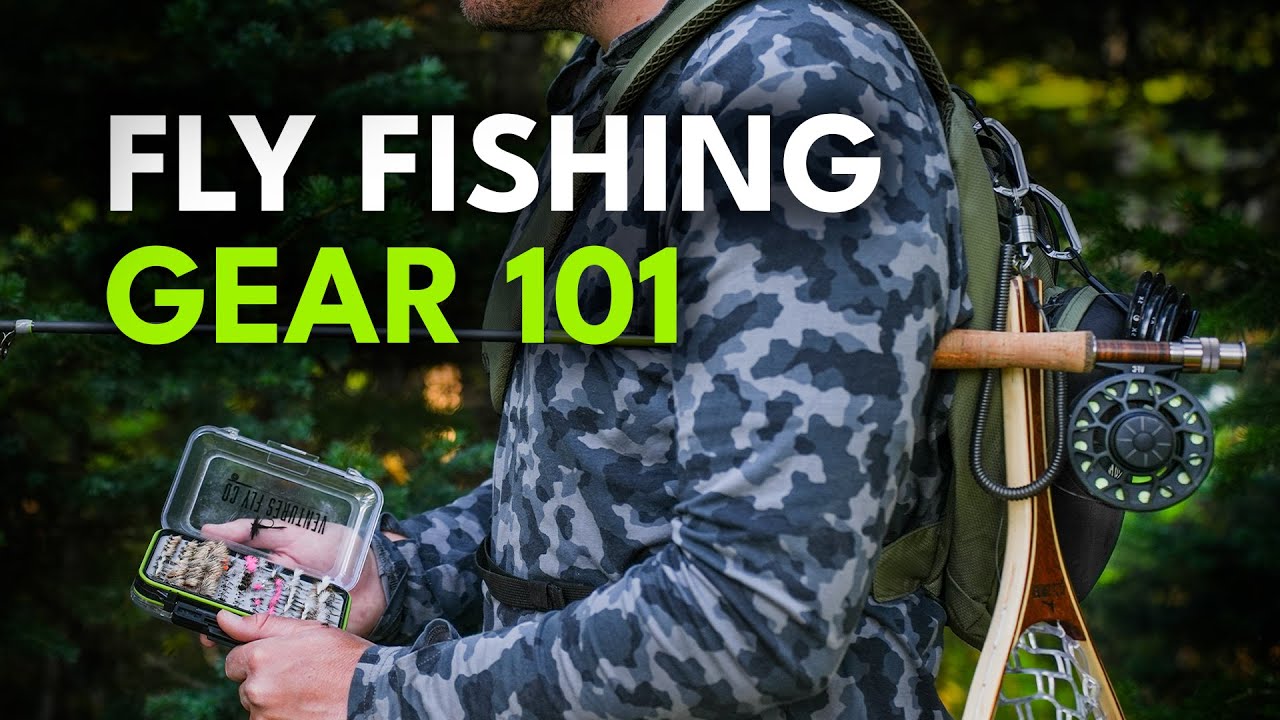
• **Fly rod** – Start with a 9-foot, 5-weight rod (perfect all-rounder for Aussie conditions)
• **Reel** – Match it to your rod weight, doesn’t need to be fancy
• **Fly line** – Weight-forward floating line in the same weight as your rod
• **Leader & tippet** – 9-foot tapered leader, 4x or 5x tippet
• **Flies** – Grab a beginner’s assortment with dry flies, nymphs, and streamers
• **Waders** – Chest waders for colder months, or just wading boots in summer
• **Polarised sunnies** – Absolute game-changer for spotting fish!
• **Hat & sunscreen** – The Aussie sun is no joke, even on overcast days
**Budget Option:** Kmart and Anaconda sell beginner combos for around $80-150 that’ll get you on the water. Once you’re hooked (pun intended), you can upgrade!
**Where to Shop:** BCF, Anaconda, or your local fly shop – the staff at specialist shops are usually keen anglers who’ll happily chat for ages about the best spots!
1️⃣ Learn the Basic Cast
This is where most beginners come unstuck, but don’t stress – it’s all about practice!
**The Grip:** Hold the rod like you’re shaking hands with it. Thumb on top, relaxed grip. Don’t death-grip it!
**The Motion:**
1. Start with the rod tip low, line straight in front of you
2. Lift smoothly to about 10 o’clock position – this is your BACKCAST
3. PAUSE – let the line straighten behind you (watch it in the air)
4. Accelerate forward to about 2 o’clock – this is your FORECAST
5. Follow through, lowering the rod as the line settles on the water
**The Golden Rules:**
• It’s not about power – it’s about timing
• Keep your wrist stiff, use your forearm
• The pause between backcast and forecast is crucial!
**Practice Tip:** Head to a local oval or park with just your rod and leader (no fly). Practice on grass before hitting the water. Spend 20-30 minutes getting the rhythm and you’ll save yourself heaps of frustration later!
I spent three weekends practicing in my backyard before my first real trip. My neighbours thought I’d lost it, but it paid off big time!
2️⃣ Understand the Water
Fish aren’t randomly scattered through the water – they’ve got their favourite haunts!
**Where Trout Hang Out:**
• **Seams** – Where fast and slow water meet (like behind rocks)
• **Pools** – Deep, slow-moving water where fish rest
• **Riffles** – Shallow, choppy water rich in oxygen and insects
• **Undercut banks** – Fish love the cover and protection
**Reading the Water:**
Look for bubbles or debris floating in a line – that’s a current seam. Watch for rises (fish feeding on the surface). If you see little dimples on the water, that’s your target!
**Approach:**
• Always move slowly and quietly
• Stay low – fish can see you if you skyline yourself
• Cast upstream and let your fly drift naturally downstream
• Avoid stepping on loose rocks – they’re noisy underwater!
The Snowy Mountains region has some of the best fly fishing in Australia, with the Thredbo, Eucumbene, and Murrumbidgee rivers all offering ripper spots for beginners and pros alike.
3️⃣ Choose the Right Fly
Walking into a fly shop and seeing hundreds of flies can be bloody overwhelming! Here’s how to narrow it down.
**The Three Main Types:**
• **Dry flies** – Float on the surface, imitate adult insects. Exciting because you see the fish take them!
• **Nymphs** – Sink below the surface, imitate insect larvae. Super effective as fish feed underwater 80% of the time
• **Streamers** – Imitate small fish or baitfish. Good for aggressive fish
**Beginner Fly Box Essentials:**
• **Dry:** Royal Wulff, Parachute Adams, Elk Hair Caddis
• **Nymphs:** Hare’s Ear, Pheasant Tail, Copper John
• **Streamers:** Woolly Bugger (absolute must-have!)
**Pro Tip:** Ask at your local fly shop what’s hatching in the area you’re planning to fish. They’ll set you straight with the right patterns for that specific waterway and season.
Don’t overthink it – I’ve caught plenty of trout on a simple Woolly Bugger when my mates were faffing about with fancy patterns!
4️⃣ Practice Catch and Release
Most Aussie fly fishos practice catch and release to keep our waterways healthy and sustainable. Here’s how to do it properly:
**Handling Fish:**
• Wet your hands before touching the fish (protects their slime coating)
• Keep the fish in the water as much as possible
• Support the fish horizontally, never by the jaw alone
• Use barbless hooks or crimp the barbs – easier to remove and less harmful
**The Release:**
• Gently hold the fish in the current, facing upstream
• Let water flow over the gills until the fish kicks away strongly
• Don’t release a tired fish – revive it properly!
**If You’re Keeping Fish:**
• Check local regulations – size and bag limits apply
• Dispatch quickly and humanely
• Only keep what you’ll actually eat
Respect the environment and other anglers. Leave the spot cleaner than you found it, and give other fishos plenty of space. The fishing community looks after its own!
📅 Best Times and Seasons
Timing matters heaps in fly fishing!
**Best Seasons:**
• **Spring (Sep-Nov):** Peak season! Trout are active, insect hatches are plentiful
• **Summer (Dec-Feb):** Early mornings and evenings are best; fish go deep during the heat of the day
• **Autumn (Mar-May):** Ripper season as fish feed heavily before winter
• **Winter (Jun-Aug):** Some areas close for spawning; check local regulations
**Best Time of Day:**
• **Dawn** – Fish are actively feeding, insects are hatching
• **Dusk** – Another prime feeding time, especially in summer
• **Overcast days** – Fish feel safer and feed more confidently
**Weather Tips:**
• A light drizzle can actually improve fishing – insects get knocked onto the water
• Barometric pressure changes affect fish activity
• Avoid bright, sunny middays in summer – fish are spooky and deep
My favourite time is a spring morning when there’s a hatch happening. Watching trout rise to take flies off the surface is bloody magical!
⚠️ Common Mistakes to Avoid
Learn from my stuff-ups so you don’t have to make ’em!
❌ **Casting Too Fast** – Rushing the cast creates tangles and poor presentation. Slow down, feel the rod load
❌ **Wrong Fly Size** – Match the size of insects on the water. If they’re taking tiny midges, your big bushy fly won’t work
❌ **Poor Drift** – If your fly is dragging across the water unnaturally, fish won’t touch it. Mend your line!
❌ **Spooking Fish** – Wading like an elephant, wearing bright clothes, casting shadows over the water – all rookie errors
❌ **Giving Up Too Soon** – Fly fishing has a learning curve. Those first few trips might be fishless, and that’s totally normal!
❌ **Ignoring Local Knowledge** – Fly shop staff and local anglers know the water. A quick chat can save you hours of frustration
**My Biggest Mistake:** Not practising my casting before hitting the water. Spent my first day untangling line from trees instead of catching fish. Don’t be like early me!
💡 Pro Tips for Beginners
Stuff I wish someone told me when I started!
✅ **Join a Club** – Australian Freshwater Fisherman’s Association (AFFA) has clubs in most states. Great way to learn and meet mates
✅ **Hire a Guide for Your First Trip** – Yes it costs money ($400-600 for a day), but you’ll learn more in one day than months on your own
✅ **Keep a Fishing Journal** – Note the date, weather, flies used, what worked. You’ll start seeing patterns
✅ **Learn to Tie Your Own Flies** – Adds a whole new dimension to the sport and saves money long-term
✅ **Invest in Good Wading Boots** – Cheap ones are slippery and dangerous. Felt soles or studs are worth every cent
✅ **Start Small** – Small streams are easier to read and cast on than big rivers
**Budget-Friendly Tip:** Second-hand gear on Gumtree or Facebook Marketplace is often barely used. People buy expensive kits, use them twice, and sell them cheap!
The fly fishing community in Australia is incredibly welcoming. Don’t be afraid to ask questions – most anglers are stoked to help a beginner get into the sport!
📋 Practical Info
📍 Multiple locations across NSW, VIC, TAS, and ACT. Popular beginner spots include Thredbo River (NSW 2625), Lake Eucumbene (NSW 2628), and Rubicon River (VIC 3712)
🚗 Most quality fly fishing spots require a car. From Sydney to the Snowy Mountains: 5-6 hours drive. From Melbourne to the Victorian High Country: 3-4 hours drive
💰 Starter kit: $100-300 | Guided trip: $400-600/day | Fishing licence: $10-35 depending on state | Flies: $2-5 each
🕐 Best fishing: Dawn and dusk, especially during spring and autumn seasons
⏱️ Allow a full day for your first few trips (6-8 hours on the water)
💡 Tips & Warnings
✅ Get your fishing licence before you go – you can buy them online through each state’s fisheries website
✅ Practice your casting on grass before your first trip – it’ll save you heaps of frustration
❌ Don’t wade deeper than your waist – it’s dangerous and you’ll spook the fish anyway
⚠️ Check local fishing regulations and seasonal closures – they vary by state and waterway
✅ Join a local fly fishing club or Facebook group – the community is incredibly helpful for beginners
🚀 Give it a crack and let me know how you go! There’s nothing quite like that first trout on a fly you tied yourself. Tight lines, mates! 🚀
#flyfishingaustralia #troutfishing #beginnerfishing #aussieangler #snowymountains #catchandrelease #fishinglife #outdooraustralia #learntoflyfish #tightlines

Be the First to Comment
Sign in to start the conversation.