



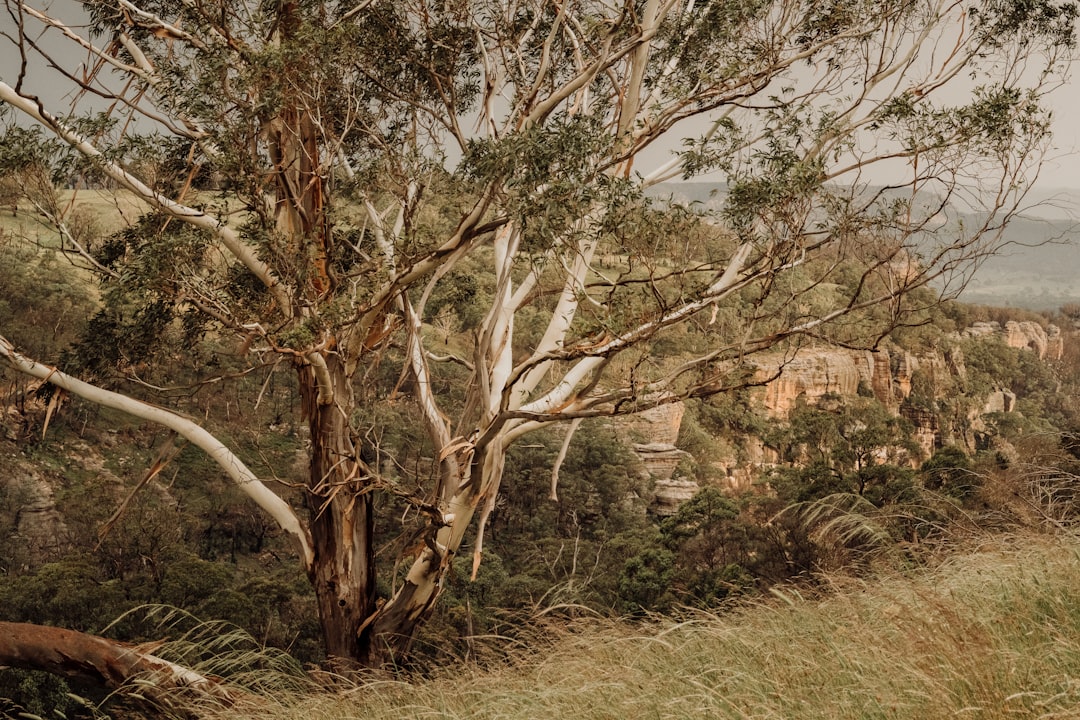
The mist clings to the surface of Lake Eucumbene like a held breath, reluctant to release its grip on the water as the first light of dawn struggles to penetrate the dense fog of the Snowy Mountains. The air is sharp enough to sting your lungs, a biting reminder that you are standing in the high country, far removed from the humid coast. In the bow of the boat, the silence is absolute, save for the rhythmic *click-click* of a fly reel being stripped and the distant, haunting call of a currawong echoing off the granite slopes. Suddenly, the water surface shatters—not from a ripple, but from the explosive, heavy surge of a Murray Cod breaching, its prehistoric silhouette a stark contrast against the glassy obsidian of the lake. It is in this precise moment, suspended between the freezing cold and the electric anticipation of the strike, that the true essence of Australian freshwater fishing is revealed. It isn’t merely about the capture; it is about the immersion in a landscape as ancient and unforgiving as the species that inhabit it.
The Paleoclimatology of the Catch (Understanding the Fish)
To truly master freshwater fishing in Australia, you must first look beyond the water’s edge and deep into the continent’s geological past. The species we target today are not random residents; they are survivors of ancient climatic shifts, living fossils shaped by the drying of the continent and the violent separation of the landmasses. Understanding this paleoclimatology—the history of climate and its effect on life—is the single greatest advantage an angler can possess.
The Australian freshwater environment is a tale of two distinct lineages: the ancient natives and the modern introductions. The natives, such as the Murray Cod (Maccullochella peelii) and the Golden Perch (Macquaria ambigua), are remnants of a time when vast inland seas covered the Murray-Darling Basin. They evolved to survive in extreme turbidity and wildly fluctuating flow rates. In contrast, the introduced Trout species—the Brown and Rainbow—are ecological colonisers, thriving in the cool, oxygen-rich headwaters that mimic their ancestral homes in the Northern Hemisphere.
The Geological Mindset
When you approach a waterway, you are essentially reading a geological map. The behaviour of the fish is dictated by the terrain beneath them. In the high country of the Snowy Mountains, the water is clear, cold, and fast-flowing. Here, the Trout is king. Their metabolism is tied to the temperature; they are aggressive predators in the glacial melt but sluggish in the summer heat. Conversely, in the sprawling, slow-moving billabongs of the Northern Territory or the Murray-Darling system, the water is often warm and silty. The Barramundi and the Murray Cod here are ambush predators, relying on structure and patience rather than speed.
Evolutionary Adaptations
The Murray Cod, for instance, has evolved a distinct mottled pattern that perfectly mimics the dappled light filtering through river red gums. This isn’t just for camouflage against predators; it allows them to remain virtually invisible to prey until the final moment of the strike. Barramundi, possessing an acute sense of lateral line detection, can hunt in zero-visibility muddy water, a trait developed to survive the monsoonal deluges that turn Top End rivers into chocolate milk. By aligning your techniques with these evolutionary traits, you stop fighting the fish and start working within their natural instincts.
Hydro-Cartography: Reading Water That Guides Don’t Show
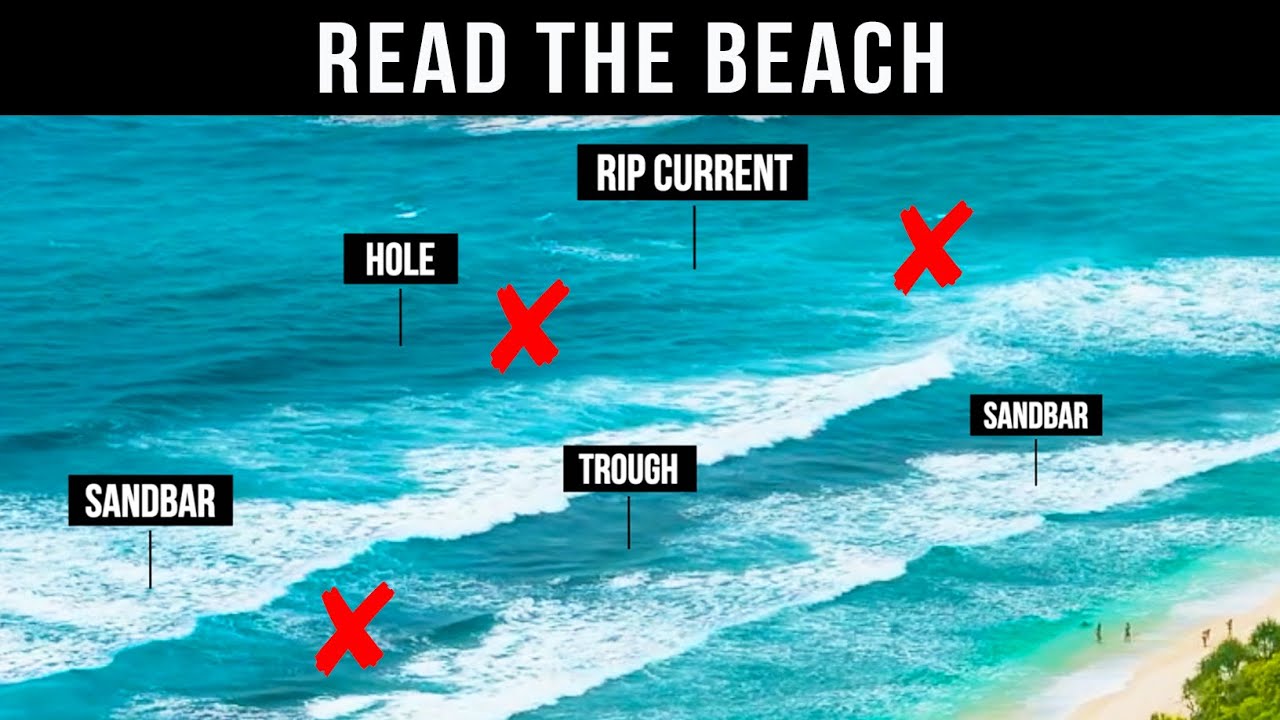
Maps can tell you where the water is, but they rarely tell you what the water is doing. True expertise in Australian freshwater fishing comes from hydro-cartography—the ability to read the subtleties of current, depth, and structure with your own eyes. It is a skill that separates the weekend angler from the local legend.
In Australia, the “perfect spot” is rarely a static location. It changes with the season, the rainfall, and the agricultural draw-down. Learning to interpret the surface is critical. A seemingly uniform stretch of the Darling River might look featureless to the untrained eye, but to the expert, a subtle surface boil indicates a submerged snag—a likely “Cod hole.”
Identifying the “Cod Hole”
A classic Murray Cod holding spot is rarely in the middle of the flow. It is on the seam where fast water meets slow water, usually behind a physical obstruction. Look for:
- The Snag: Large submerged timber. Cod love the security of a solid roof over their heads.
- The Drop-off: A sharp change in depth where a fish can move from deep, cold water to shallow feeding grounds without expending energy.
- The Colour Change: A transition from clear water to turbid water. Predators often use the murky edge as a blind to attack prey in the clear water.
Reading the Trout Run
In the high country streams, the approach is different. You are looking for the “food conveyor belt.” Trout do not want to fight the current all day; they want to sit in a pocket of slack water—behind a rock or a log—and wait for the drift to bring them insects.
Honest Limitation: Even the best hydro-cartographer can be defeated by the Australian environment. Prolonged drought can turn a flowing river into a series of disconnected, stagnant pools, concentrating fish but making them incredibly spooky and difficult to catch. Conversely, a bushfire followed by heavy rain can wash ashore and silt into the system, temporarily decimating the insect population and shutting down the bite. You must be willing to adapt your plan or walk away if the conditions are compromised.
The Rigging Matrix: Matching Technique to Species
Purchasing tackle in Australia is an investment, and throwing money at the wrong gear is a frustration best avoided. The Rigging Matrix is about matching the physics of your gear to the biology of the target. It is not about having the most expensive rod; it is about having the right tool for the specific challenge presented by the harsh Australian environment.
The High-Country Finesse (Trout)
Targeting Trout in the Snowy Mountains or Tasmanian highlands requires a delicate touch. These fish are line-shy and the water is often crystal clear. Heavy gear will spook them instantly.
- The Technique: Lure casting with hard-bodied minnows or fly fishing.
- The Setup: A 2-4kg spin rod matched with a 1000-2500 size reel. Use a fluorocarbon leader of 4-6lb, which is invisible underwater.
- The Logic: “If the water is gin-clear, use natural colours like browns and greens. If the sky is overcast, use brighter colours like gold or rainbow trout patterns.”
The Brute Force Tactics (Murray Cod)
Targeting the Murray Cod is a different game entirely. You are hunting a apex predator that lives in heavy structure and fights with the power of a bulldog. If you fish for Cod with Trout gear, you will lose 100% of the time.
- The Technique: Casting large surface lures (poppers) or diving hardbodies into the thickest snags you can find.
- The Setup: A 20-50kg baitcasting rod with a low-profile reel and braided line (50-80lb). A heavy monofilament or fluorocarbon leader (60-100lb) is essential to prevent the fish’s teeth or rough gill rakers from cutting the line.
- The Logic: “If the water temperature is above 16 degrees, use surface lures to provoke an explosive top-water strike. If it is colder, use deep-diving vibes to get right into the snag where the fish are holding.”
The Tropical Agility (Barramundi)
The Barramundi is the ultimate acrobat. They jump, shake their heads, and wrap line around mangrove roots.
- The Technique: Soft plastic vibes or hardbody lures worked with a distinct “hop” retrieve.
- The Setup: A 6-10kg spin rod with a 4000 size reel. 30-50lb braid is standard.
- The Logic: “If the water is turbid, use vibration lures that emit a strong sound frequency. If the water is clear, downsize your profile and slow your retrieve to match the lethargic metabolism of the fish in the heat.”
“The angler who understands the relationship between water temperature and metabolic rate will always catch more fish than the angler who relies solely on luck.” — Rob Paxevanos, Australian fishing icon.
The Ethics of the Strike: Sustainable Angling in a Harsh Land
Australia’s freshwater ecosystems are among the most fragile on Earth. The El Niño-Southern Oscillation (ENSO) cycle brings punishing droughts, while La Niña brings floods that can wash fish out of the systems entirely. In this volatile environment, the modern angler has a profound responsibility to act as a steward of the waterway.
The Catch-and-Release Paradigm
Catch-and-release is not just a regulation; it is a necessity for the survival of species like the Murray Cod and the iconic Barramundi. However, simply throwing a fish back does not guarantee its survival. Australian summers can see water temperatures soar above 30 degrees Celsius. Playing a fish to exhaustion in warm water can lead to lactic acid build-up and delayed mortality, even if the fish swims away strongly upon release.
The Fight Against Noxious Species
Ethical fishing in Australia also involves the management of introduced pest species. European Carp (Cyprinus carpio) are the scourge of the Murray-Darling Basin, destroying aquatic vegetation and muddying the waterways.
The ethical angler does not return Carp to the water. Most state fisheries require that Carp be humanely dispatched and disposed of away from the water’s edge (burying or binning) to prevent nutrients from returning to the system. Participating in “Carp musters” or fishing competitions targeting these species is a proactive way to contribute to the health of native fish populations.
Field Notes: Lessons from the Water
Theory is essential, but experience is the ultimate teacher. Across decades of casting lines into Australian waterways, three distinct moments stand out as transformative lessons in understanding this land.
The “Ghost Cod” Story
I recall a remote stretch of the Darling River, back in the autumn of 2024, near the township of Louth. We had been trolling for hours without a touch. The sun was beating down, and the frustration was palpable. As we drifted past a massive, ancient red gum that had fallen halfway into the river, I saw it. A Murray Cod of immense proportions—easily over the metre mark—cruised just inches beneath the surface in the shade of the branches. It was pale, almost ghostly white in the tannin-stained water. I cast perfectly, placing the lure inches from its nose. The Cod didn’t flinch. It simply looked at the lure, dismissed it with a flick of its tail, and vanished back into the depths. That fish became known to us as the “Ghost Cod.” We spent the next two days trying to tempt it, to no avail. It was a humbling reminder that we are visitors in their home. The hunt was more valuable than the catch because it forced us to study, adapt, and ultimately respect the intelligence of these ancient fish.
The “Tropical Melt” Failure
Fast forward to the build-up season last year in the Northern Territory. We were targeting Barra in a system renowned for its meter-plus fish. I had rigged up with the latest “high-tech” soft plastics, stored in a premium tackle box I’d left on the deck of the tinny. By 11:00 AM, the humidity was 95%, and the temperature was nudging 38 degrees. I reached for a new lure, only to find the plastics had fused together into a single, unrecognisable blob of goo. The heat had melted them. To make matters worse, the extreme humidity had fogged the optics of my fish finder and drained my trolling motor battery faster than usual. We were forced to retreat to the pub by midday. It was a stark lesson: never underestimate the Australian environment. Since that trip, I now store temperature-sensitive plastics in a cooler with an ice brick and always carry a backup set of traditional hardbody lures that can withstand the melt.
The “Snowy Impoundment” Case Study
In contrast to the tropical chaos, a trip to Lake Jindabyne this past January offered a masterclass in technical fishing. The bite was tough. The lake level had dropped, pushing the fish into deeper water. We spent the morning scanning the depth finder, looking for the thermocline—the layer where water temperature changes rapidly and fish congregate. We found it at 12 metres. I switched to a custom-painted StumpJumper in a deep “Scoti” pattern, designed to imitate the small galaxiid baitfish in the lake. We positioned the boat directly over a submerged ridge that came up to 10 metres. The technique was precise: drop the lure to the bottom, rip it up three times, let it pause, then repeat. Nothing happened for an hour. Then, at exactly 2:15 PM, the screen lit up. A school of Rainbow Trout moved up the ridge. We landed five fish in twenty minutes. It wasn’t luck; it was the combination of electronics understanding, specific lure choice, and timing the “bite window” when the fish moved from the depths to feed.
Conclusion
As the engine cuts and the silence rushes back in, the water smooths out again, erasing the evidence of our presence. The gear is packed away, the rods stowed, and the spotlight of the day fades into the purple bruise of twilight. You realise then that the “Ultimate Guide” was never just about finding a location on a map or buying the most expensive rod. It was about learning to read the water itself, understanding the ancient geology that shapes the riverbed, and respecting the resilience of the creatures that swim beneath the surface. Whether you are chasing the ghost of a Murray Cod in the muddy west or the flash of a Trout in the crystal east, the true reward is the connection to the vast, rhythmic pulse of the Australian landscape. It is a rhythm that, once you feel it, stays with you long after you’ve driven away from the water’s edge.
Key Takeaways
- Understand the Paleoclimatology: Fish behaviour is dictated by the ancient history of the waterway. Natives like Cod and Barra are adapted to warm, turbid environments, while introduced Trout thrive in cool, clear flows.
- Master Hydro-Cartography: Learn to read the water. Look for structure, current seams, and depth changes rather than relying solely on GPS coordinates.
- Match the Rig to the Challenge: Use finesse gear for Trout and heavy, robust gear for Murray Cod and Barramundi. Adjust your lure choice based on water clarity and temperature.
- Practise Ethical Angling: Prioritise catch-and-release best practices, especially in extreme heat, and humanely dispose of noxious species like Carp.
- Respect the Environment: Australian conditions are extreme. Prepare for heat, cold, and sudden weather changes to ensure your safety and success.

Be the First to Comment
Sign in to start the conversation.