

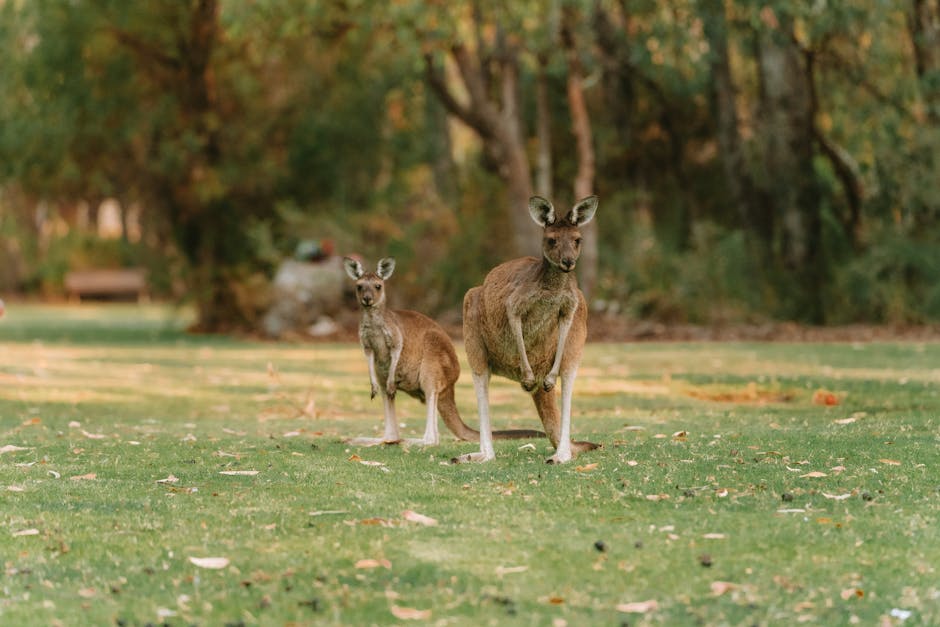


The sharp scent of eucalyptus crushed underfoot mixes with the metallic tang of sunscreen as the midday sun beats down on your neck. You step into the current, and the shock of the snow-melt water instantly numbs your toes, a welcome relief from the 35°C heat radiating off the red dirt. The dragonflies buzz in a frantic rhythm, the only thing moving faster than the shadow of a trout darting beneath the overhanging bracken. It is distinctly Australian summer—harsh, vibrant, and alive—but out here on the water, the frantic pace of the holiday season slows to the rhythm of the current.
The Morning Mist: Targeting Tasmania’s Highlands
If you are serious about fly fishing in Tasmania this summer, you are setting an alarm for 4:00 AM. There is no way around it. The Australian sun doesn’t play nice in January; by 9:00 AM, the light is flat and the heat pushes the fish deep into the shadows. But in the Tasmanian Highlands, specifically around the lakes of the Central Plateau, the pre-dawn hours offer a magic window.
During these early hours, you are chasing the “dun hatch.” As the fog lifts off the water like a slow-moving curtain, the mayflies begin to emerge. It is a sensory experience—the slurp of a rising trout, the chill on your hands that you can’t quite shake, and the visual of mist swirling around the gum trees.
However, don’t let the postcard-perfect weather fool you. Summer is arguably the trickiest season for beginners in Tassie. The fish are educated, the water is crystal clear, and the margins are lined with eager spectators. You need stealth.
The Red Dirt Clash: Northern Tropicals vs. The South
Look, I love a trout stream as much as the next person, but we cannot ignore the sheer, brutal beauty of the North. If you are willing to trade the cool mountain air for humidity that feels like a warm towel over your face, the tropical summer offers a completely different challenge: Barramundi.
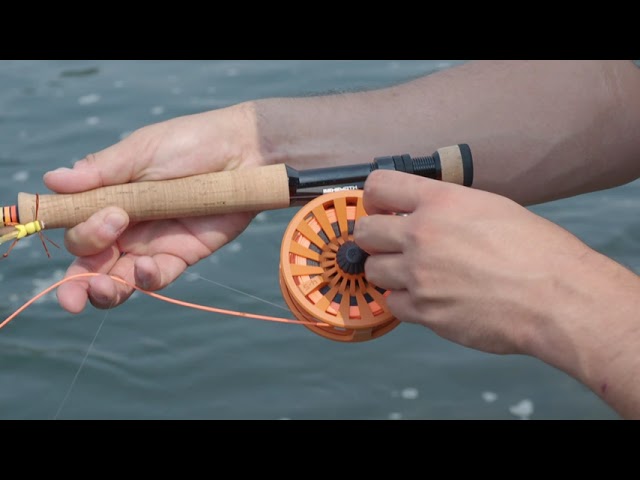
This isn’t a lazy afternoon on a riverbank. Fly fishing for barra in the Top End is physical work. You are casting heavy 8-weight or 9-weight rods, stripping line fast through mangrove snags, and dealing with mosquitoes the size of small birds. But the payoff? A silver flash that hits your fly with the force of a freight train. It is raw power, no finesse required.
The Honest Limitation
I have to be straight with you. If you are looking for a peaceful, meditative experience, the tropical summer might not be for you. It is hot, sweaty, and relentless. But if you crave adrenaline and the chance to tangle with a fish that fights harder than anything in the southern waters, the red dirt country is calling.
The Pub Stop: Local Wisdom & The Golden Hour
By midday, the fishing slows down. Even the fish have enough sense to find shade. This is the perfect time to hit the local pub for a cold counter meal and a yarn with the locals. The bloke behind the bar or the old fella in the corner knows more about the river than any guidebook.
Conversations usually turn to flies. In the Snowy Mountains, the locals might swear by a Red Spinner. Over in Victoria, they might be raving about a Mudeye pattern. But pay attention to the specific advice they give about water clarity.
The “Blowfly” Revelation
During one particularly slow session on the Goulburn River, a local angler laughed as I pulled out a fancy imported dry fly box filled with intricate patterns. He reached into his pocket and pulled out a scruffy, ugly-looking fly with a hacked-up body. “It’s a blowfly imitation,” he said. “It looks terrible in the box, but the fish here are gorging on the real thing. They don’t care if it’s pretty.”
We sometimes get caught up in the aesthetics of the sport, but the most effective fly in an Australian summer is often the one that mimics the annoying things buzzing around our ears. Keep it simple. Keep it local.
“I spent three hours on the Monaro Plains casting to a rising fish that refused everything I threw at it. I tried emergers, duns, even a beetle. When the sun finally went down, I waded over to see what it was… it was a submerged stick. That’s fishing in Australia. It keeps you humble.”
Key Takeaways
- Early Bird Gets the Worm: In Tasmania, target the dawn “dun hatch” before the sun flattens the water.
- Embrace the Sweat: Northern Barramundi fishing is tough work but offers the most powerful fight of the summer.
- Check Your Water: Bushfire runoff can ruin water clarity in late summer; prioritize lake systems if rivers are silty.
- Simplify Your Flies: Ugly, local patterns like blowfly imitations often outperform fancy imports.
- Respect the Heat: Use the midday lull to rest and gather local intel at the pub.
The Tangled Line Philosophy
As you pack up the rod, the line inevitably tangled in a knot that will take until morning to undo, you realize the catch wasn’t the point. It was the silence of the bush, the distant laugh of a kookaburra, and the cool beer waiting in the esky. The fish are still there tomorrow, but this specific light on the water isn’t. Keep that in your back pocket.
Frequently Asked Questions
What are the main fly fishing targets during an Australian summer?
Australian summer fly fishing offers two distinct experiences. In Tasmania, anglers target trout in the Central Plateau lakes, specifically chasing the ‘dun hatch’ during pre-dawn hours which requires stealth due to clear water and educated fish. Alternatively, the Top End provides a humid, physical challenge targeting Barramundi. This tropical option demands heavier 8-weight or 9-weight rods to handle casting through mangrove snags, offering raw power rather than finesse compared to the southern trout streams.
When is the best time to fly fish in Tasmania during the summer months?
You should set your alarm for 4:00 AM to successfully fly fish in the Tasmanian Highlands. The pre-dawn hours provide a magic window as fog lifts off the water and mayflies emerge, creating ideal feeding conditions. It is critical to finish early because by 9:00 AM, the Australian sun flattens the light and the intense heat pushes the fish deep into the shadows, making them significantly harder to catch.
How should I adjust my fly selection for Australian summer conditions?
Simplify your fly box by prioritising local patterns that mimic local insects rather than fancy imports. For example, scruffy blowfly imitations often outperform intricate flies on rivers like the Goulburn because trout are gorging on the real thing. Additionally, you must adapt your strategy based on water clarity; if late summer bushfires cause ash runoff that turns streams into ‘tea’ or ‘chocolate’, pack up and head to lake systems instead of fighting unfishable water.
What specific gear and precautions are needed for fishing the Northern Tropicals?
Fly fishing for Barramundi in the North is physical work requiring heavy 8-weight or 9-weight rods to handle the powerful strikes and mangrove snags. You must also prepare for the environment by packing protection against mosquitoes that can be as large as small birds. Before heading out, always check local regulations, as Barramundi are protandrous hermaphrodites and many river systems have summer breeding season closures to protect the larger ‘mama’ fish.

Be the First to Comment
Sign in to start the conversation.