
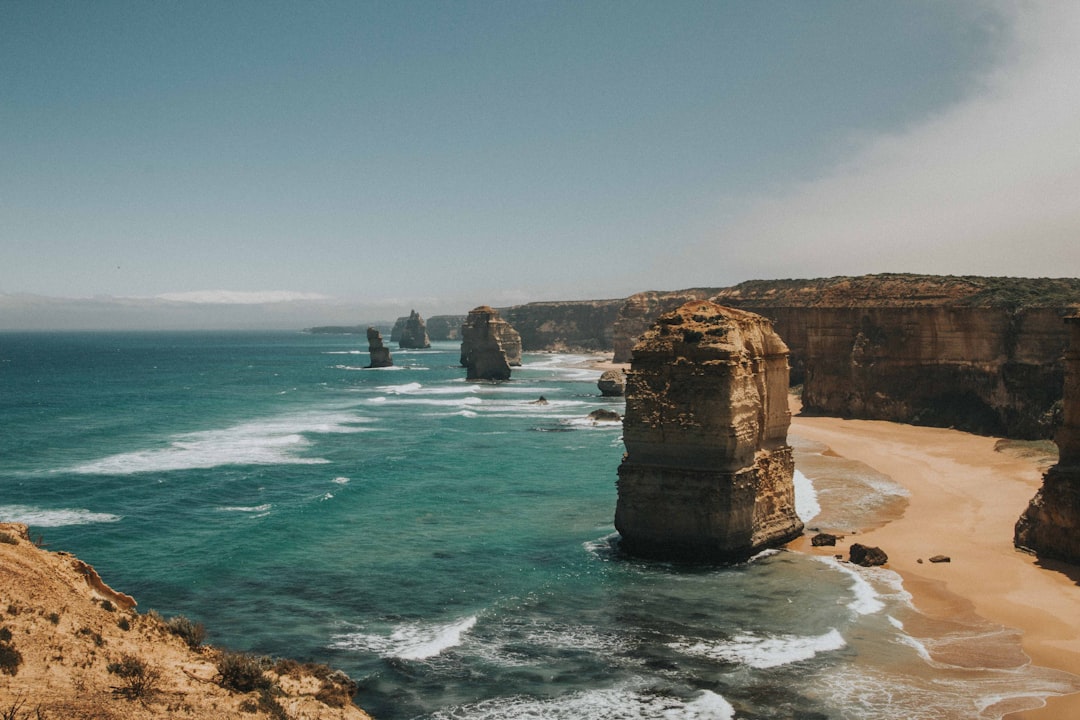
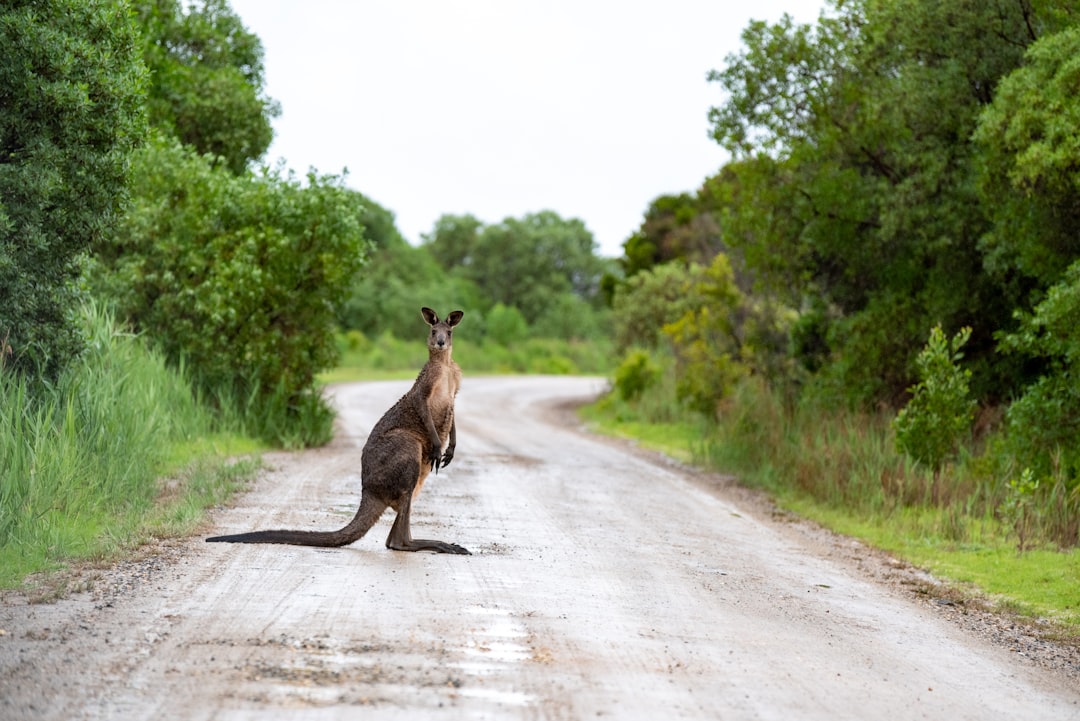
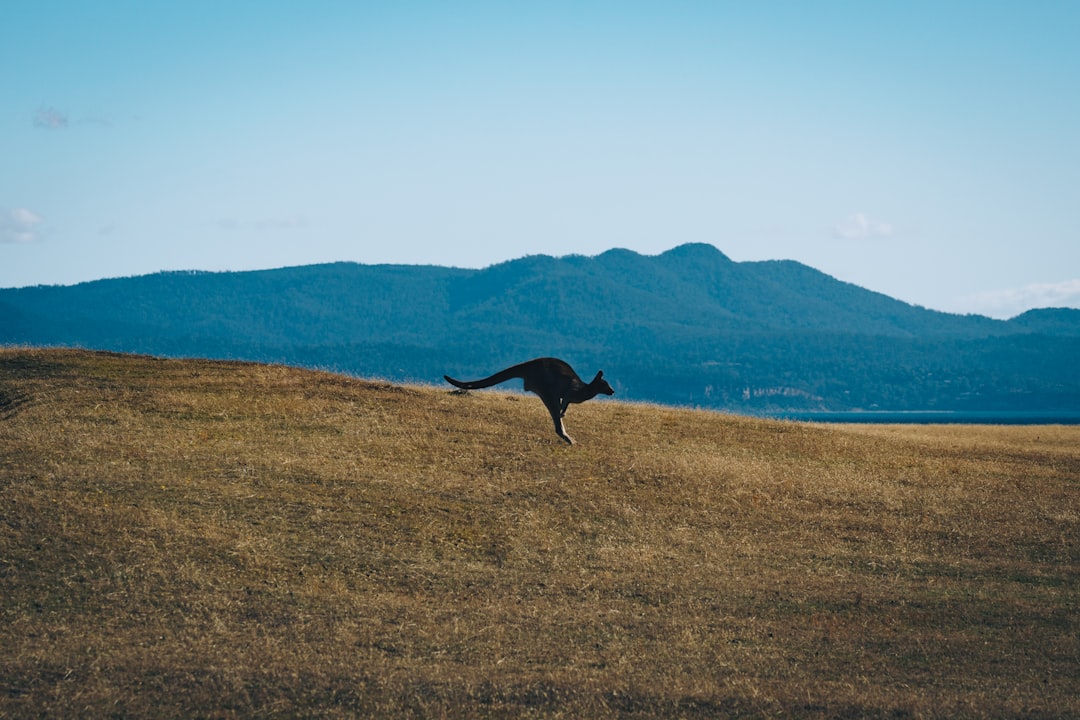

Standing at the edge of the famous Whitehaven Beach, the visual is almost overpowering. The turquoise swirls of the Whitsundays lap against silica sands so white they practically blind you, creating a postcard-perfect scene that feels unreal. But as the sun climbs high, the tropical heat intensifies, turning this paradise into a shimmering furnace. You quickly realise that while the scenery is timeless, the experience is entirely dictated by the clock and the calendar. This is the fundamental truth of exploring Australia: it is a land of stunning extremes, and getting the timing right is the difference between an adventure of a lifetime and an endurance test.
The “Two Australias” Map (The North vs. The South)
If you look at a map of Australia, you might think it’s just one big sunburnt country, but for outdoor enthusiasts, it operates as two completely different climate personalities. Understanding this divide is the first step in planning your trip.
The Tropical North: The Wet vs. The Dry
Everything above the Tropic of Capricorn—including Cairns, the Great Barrier Reef, Darwin, and the Kimberley—runs on a tropical calendar. Here, the year is split into just two seasons.
- The Dry (May to October): This is the golden window. The humidity drops, the skies are blue, and the water is crystal clear. It is the peak time for hiking, camping, and exploring the reef.
- The Wet (November to April): This is when the monsoons arrive. It’s hot, humid, and dramatic. While many waterfalls are at their thundering best, accessibility is often cut off by road closures, and marine stingers dominate the coastal waters.
The Temperate South: Mild vs. Frosty
Below the tropic—in Sydney, Melbourne, Adelaide, and Tasmania—you get the traditional four seasons. This region follows a “Mild vs. Frosty” rhythm.
- Summer (Dec-Feb): Perfect for the beach, but can be scorching inland. It’s the peak holiday season for locals.
- Winter (Jun-Aug): The air turns crisp in the cities and freezing in the high country. This is the time for skiing in the Australian Alps or cosy wine tasting, not necessarily for swimming at the beach unless you are hardy.
The Monthly Decoder: When to Chase What
Instead of asking “when is the best time to visit?”, ask “what do I want to do?”. Here is a non-chronological guide to chasing specific outdoor pursuits.
Desert & Outback Adventures
For the red centre and the rugged outback, timing is a safety issue as much as it is a comfort one.
- The Prime Window: May to September.
- The Reality: In the middle of the year, the days are sunny and warm, perfect for walking around Uluru or hiking Kings Canyon. The nights can drop below freezing, so you need layers.
- The Avoidance Zone: October to April. Attempting long hikes in the Simpson Desert or the Kimberley during these months is dangerous due to extreme heat.
Coastal Waters & Marine Life
Australia’s coastline is vast, but the “best” time depends on whether you want to swim or spot whales.
- The Prime Window (Swimming): December to March in NSW and Victoria; April to October in Queensland (to avoid stingers).
- The Prime Window (Whale Watching): May to November. Humpback whales migrate along the entire east and west coasts. Hervey Bay in Queensland is the unofficial capital for this.
Alpine Adventures
Yes, Australia has snow, and it’s a unique experience to eucalyptus slopes dusted in white.
- The Prime Window: June to early October.
- The Experience: Head to the Victorian Alps or Kosciuszko National Park. While the ski fields are busy, the backcountry touring offers incredible solitude.
The Local Secret Calendar
Tourists often flock here during the standard school holidays, but locals know that the “off-peak” or “shoulder” seasons often provide the most authentic experiences.
The Magic of the “Build Up” (Top End)
Everyone talks about the Dry Season in Darwin, but locals have a soft spot for October. It’s hot, known as the “Build Up”, but the storm clouds are dramatic, the lightning shows are world-class, and the birdlife is frantic before the rains break. It’s intense, but unforgettable if you can handle the sweat.
Melbourne in Autumn
While summer is famous, Melbourne really shines in Autumn (March-May). The city’s gardens turn golden, the weather is stable and cool—perfect for hiking the Yarra Valley or riding the trails without the summer scorch. It’s arguably the most comfortable time to be outdoors in the southern states.
Winter Beaches (Jervis Bay)
Most people pack away the snorkel in June, but this is when the water visibility on the south coast is often at its best. The summer crowds vanish, the water settles, and if you time it right, the bioluminescence puts on a show.
“The two-week nightmare on the Gibb is a rite of passage for some, but it usually just means you didn’t check the rainfall data. The outback teaches you patience quickly.”
Key Moments: The Highs and The Lows
To truly understand the seasons, you have to look at the extreme experiences that define them.
The “Boggy” Truth
There is a specific romanticism about the “shoulder season”—that magical time between the dry and the wet when the land is green. However, trying to drive the Gibb River Road during the shoulder season can turn a planned 4-day adventure into a muddy, 2-week nightmare. Corrugations turn into soup, and what looks like a shallow creek crossing on the map can be a raging torrent. It is a stark reminder that “accessibility” in the Australian bush is a constantly moving target.
The Bioluminescence Surprise
Conversely, some of the best moments happen when you least expect them. On a crisp June night in Jervis Bay, miles from the summer heat, the water can ignite. Stirred up by the movement of the tide, millions of plankton glow a fluorescent blue. It’s a spectacle that most tourists miss because they assume winter is the “dead” season for beaches. But standing there in the cold, watching the ocean light up with every splash, you realise that Australia’s outdoor magic doesn’t sleep in winter; it just changes form.
The “Perfect Moment” Philosophy
So, when is the best time for outdoor activities in Australia? The honest answer is that there is no single “best” time for the whole country. If you are looking to ski, you avoid the north. If you want to snorkel the reef without a stinger suit, you avoid the northern summer.
Instead of trying to fit the whole continent into one timeline, the right time is simply the time that matches the adventure you crave. It’s accepting that you might need a parka for the Tasmanian highlands and a swimsuit for the Gold Coast in the same week. Whether it’s the crisp, clean air of a mountain hike or the humid, electric buzz of a Top End sunset, Australia is ready for you—you just have to choose which version of it you want to play in first.

Be the First to Comment
Sign in to start the conversation.