
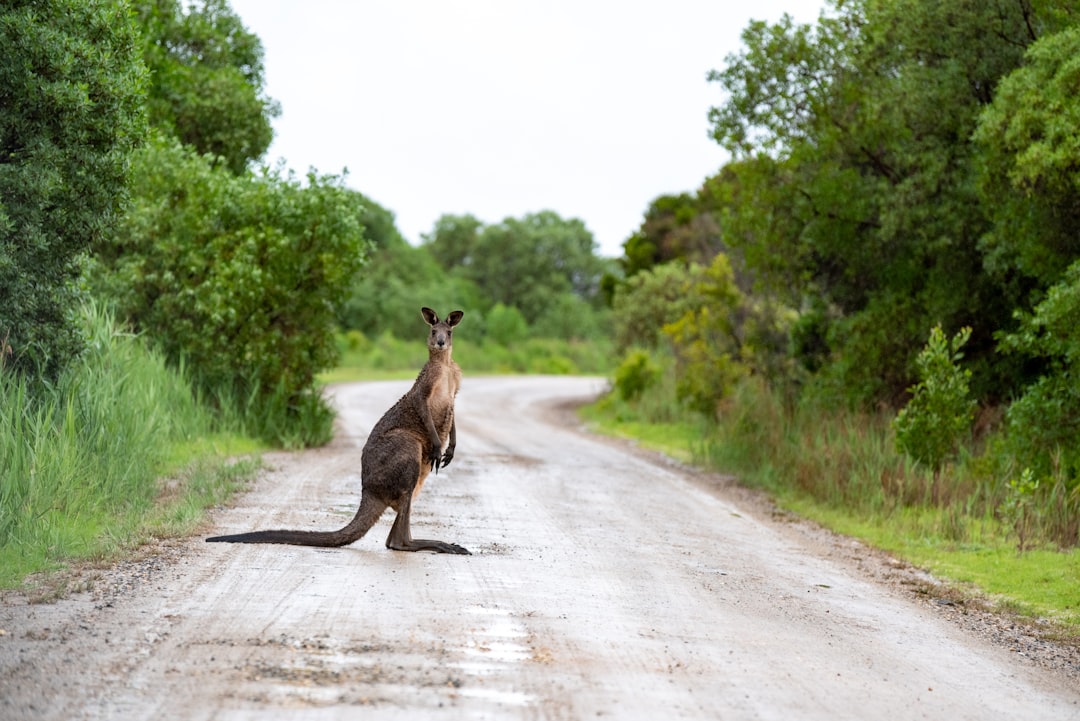
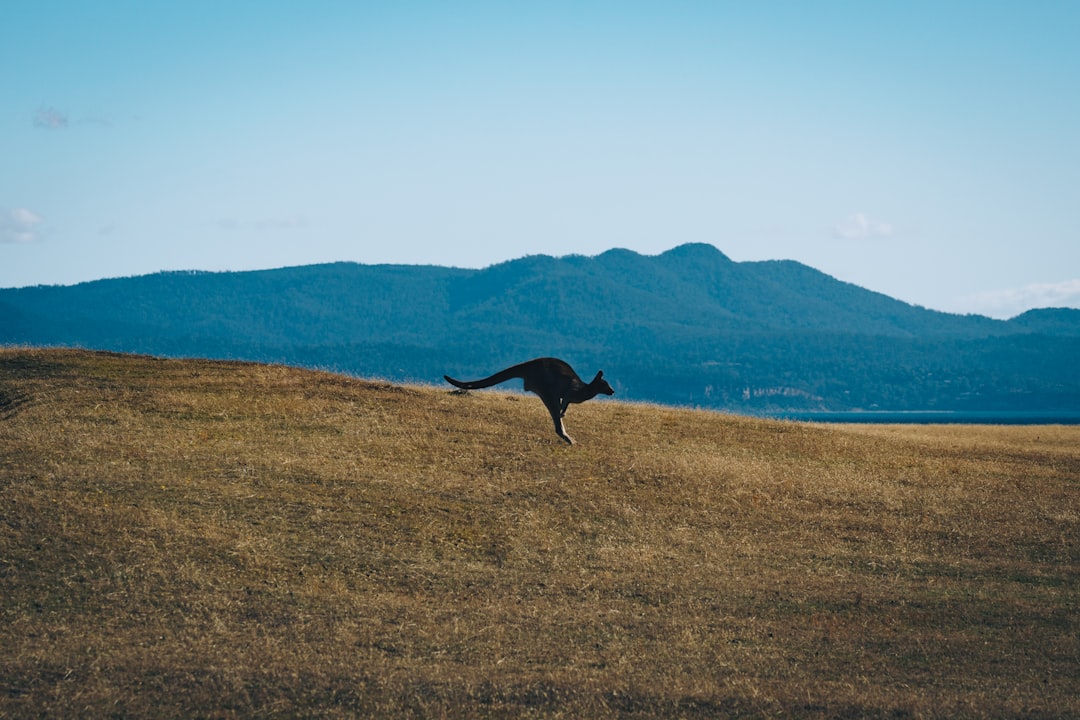

The heat radiating off the red dirt instantly warms your skin, a stark contrast to the sharp, medicinal scent of eucalyptus oil hitting the back of your throat with every breath. Somewhere high in the canopy above, the high-pitched laugh of a kookaburra echoes through the gumtrees, acting as a soundtrack to the vast, unfolding canvas before you. This isn’t just a holiday destination; it’s a living, breathing entity that demands to be experienced with every sense. To truly explore the outdoors in Australia is to navigate a landscape that feels as old as time itself, moving beyond the checklist of sights to feel the rhythm of the land beneath your boots.
The Red Center & The Blue Coast: A Tale of Two Extremes
When planning an outdoor adventure here, the most common mistake is trying to treat Australia as a single climate. In reality, you are choosing between two vastly different worlds: the arid, ancient heart of the Red Centre and the sun-drenched, salty expanse of the Blue Coast.
The Heart of the Country
Out here, silence is a physical weight. The landscape is dominated by hues of ochre and rust, shifting dramatically as the sun dips below the horizon. Watching Uluru at sunset isn’t just about seeing a rock change colour; it’s about watching the sky bleed from violet to burning orange in a matter of minutes. But for those willing to venture further west, the Karijini National Park offers an even more tactile experience. You can descend into ancient gorges, slipping into cool, hidden rock pools that feel like secret oases in a furnace.
The Pacific Shock
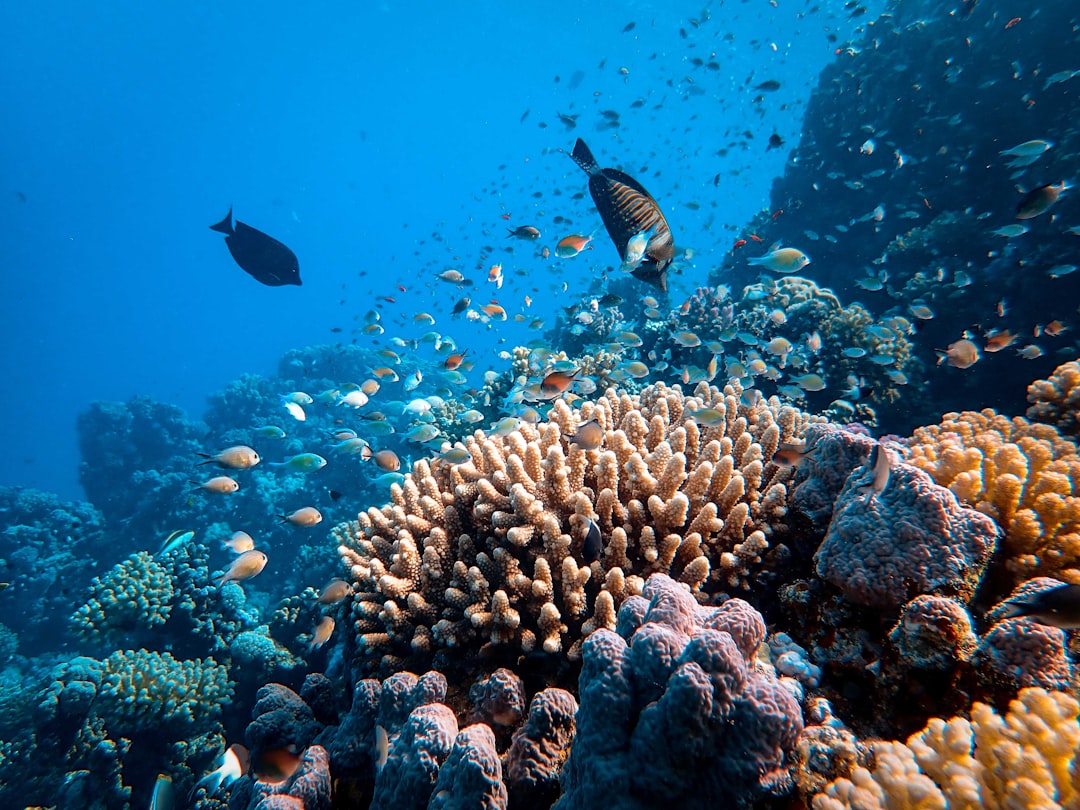
Contrast that dusty heat with the immediate, refreshing shock of the Pacific Ocean. The coastline is the lifeblood of Australian culture, where the scent of salt spray replaces the dust. Whether you are surfing off the coast of Victoria or snorkeling in the Queensland tropics, the ocean is never far away. However, the crowd favourites can get busy. For a more authentic experience, head inland slightly to the granite archways of Girraween National Park. Here, you can balance atop massive boulders with views that stretch forever, offering a peaceful alternative to the busy coastal strips.
The “Secret Season” Cheat Sheet
If you ask a travel agent for the “best time to visit,” they will likely give you the generic shoulder season answer. But if you ask a local, they will tell you that timing is everything when it comes to comfort and safety. The Australian continent is harsh, and picking the wrong window can turn a dream trip into a slog.
The Golden Hours
The real sweet spot lies in the shoulder seasons: March to May and September to November. During these months, the country is finding its balance. In the south, the worst of the winter chill has retreated, and in the north, the humidity hasn’t yet become stifling. This is when you get the golden light that photographers dream of, without the blistering heat that makes hiking at midday impossible.
Navigating the Wet Season
You need to be brutally honest about the tropical north. The “Wet Season” (November to April) isn’t just a bit of rain; it is a monsoonal event. Many national parks close entirely due to flooding, and the humidity is oppressive.
In Darwin, this time of year brings a phenomenon locals call “Mango madness.” It’s the build-up before the rains break, where the heat hangs heavy and stagnant. It’s a unique experience, but unless you love sweating through your shirt at 8:00 AM, it’s best to plan your Top End adventure for the dry winter months.
Reading the Landscape: Safety Without the Scare Tactics
It is easy to get bogged down in the horror stories—spiders, snakes, and sharks—but the reality of outdoor safety in Australia is much more practical. It is about reading the land and respecting the unwritten rules. Safety here isn’t about fear; it is about preparation, which in turn rewards you with access to places most tourists never see.
The Unwritten Rules
Understanding the environment starts with small details. It means checking tide charts before you walk on a beach to ensure you don’t get cut off by the incoming tide. It means knowing how to read a surf rip and knowing that if you are caught in one, you swim parallel to the shore, not against the current.
“The bush doesn’t try to kill you, but it is indifferent to your presence. Respecting that indifference is the key to coming home with a great story rather than a scar.”
A Night to Remember
I remember a night in the Grampians a few years back. I had set up my tent under a full moon, tired from a long day of scrambling over ridges. I made the classic rookie mistake: I left a zip of the tent open and a chocolate bar in my shoe. At 2:00 AM, I woke up to the sound of scratching. A possum had unzipped my tent, marched right in, and was sitting on my chest, enjoying my chocolate. It was a terrifying and hilarious reminder that we are just visitors in their home. Secure your food, zip your tent, and respect the locals—even the furry ones.
Unexpected Discoveries & Honest Limitations
Despite all the planning, the best parts of an Australian outdoor trip are the moments you didn’t plan for. Some of my most vivid memories aren’t from the expensive paid campsites but from the humble “free camps” or roadside rest areas.
One morning, we pulled into a dusty rest area just off the highway, expecting nothing more than a flat patch of dirt. Instead, we woke up to a sunrise over the ocean that rivalled any postcard, with zero crowds and just the sound of waves for company. You can pay $50 a night for a caravan park, but sometimes, the best view is free if you are willing to look for it.
Gear That Matters
When it comes to gear, leave the heavy canvas tent at home for certain trips. In the red dirt or the sandy scrub, a swag—the iconic Australian bedroll—is often superior. It allows you to roll out under the stars without the hassle of poles and pegs, and it keeps you warmer on chilly desert nights than a flimsy hiking tent.
However, never skimp on communication. If you are venturing into the bush—whether it’s the High Country or the Outback—a satellite messenger like a Garmin inReach is non-negotiable. Mobile reception disappears quickly once you leave the highway, and being able to send an “I’m safe” message or call for help provides peace of mind that allows you to truly relax.
The Open Road Sign-Off
There is a specific kind of melancholy that hits when you start packing up the campsite on the final morning. It’s the realization that the routine you’ve fallen into—waking with the sun, cooking on a gas stove, washing dust off your legs—is about to end. You throw the swag in the back of the ute, but the smell of campfire smoke still lingers in your hair, and the dust on your boots tells a story of where you’ve been. This trip wasn’t something you just “completed” and checked off a list. For a few weeks or months, you inhabited this land. You breathed its air and felt its heat. Now, as you pull out onto the bitumen and head back to the real world, the only thing you can think about is when you can turn around and do it all again.
Key Takeaways
- Respect the Extremes: Layer clothing for the Outback’s freezing nights, even after scorching days.
- Time it Right: Avoid the northern Wet Season and aim for shoulder seasons (March-May, Sept-Nov).
- Go Local: Venture beyond the “Big Three” spots to places like Karijini or Girraween for authentic experiences.
- Stay Safe: Carry a satellite messenger in remote areas and secure your food from curious wildlife.
- Embrace the Unexpected: Don’t underestimate the joy of a free camp spot with a million-dollar view.
Frequently Asked Questions
What are the main climate differences between the Red Centre and the Blue Coast?
The Red Centre is an arid, ancient environment characterised by ochre hues and dramatic temperature swings, ranging from 40°C during the day to freezing at night. In contrast, the Blue Coast refers to the sun-drenched, salty coastline defined by the Pacific Ocean. While the coast offers activities like surfing and snorkelling, the interior demands preparation for extreme heat and cold, with the landscape offering a silent, rugged experience compared to the vibrant, salty culture of the ocean regions.
How should I prepare for the extreme temperature variations in the Australian Outback?
You must layer your clothing to handle the drastic shift between scorching days and freezing nights. Even if you are hiking in 40°C heat, the temperature can plummet once the sun sets. It is vital to carry a warm jacket and a quality sleeping bag. For sleeping, consider using a swag—an iconic Australian bedroll—which keeps you warmer on chilly desert nights than a flimsy hiking tent and allows you to sleep under the stars.
When is the best time to visit Australia for outdoor activities?
The ideal time to visit is during the shoulder seasons of March to May and September to November. These months offer a balance where the southern winter chill has retreated and northern humidity is not yet stifling. Specifically, May is recommended for road trips through the Red Centre, providing cool nights for campfires and crisp days perfect for walking. Conversely, avoid the northern Wet Season from November to April, as many parks close and conditions become dangerous.
What specific safety and communication gear is essential for remote Australian travel?
Mobile reception disappears quickly once you leave the highway, so carrying a satellite messenger like a Garmin inReach is non-negotiable for emergency communication and safety. Additionally, you should secure your food in vehicles or locked containers to avoid encounters with wildlife like possums. When hiking or swimming, practical safety involves reading the landscape—such as checking tide charts to avoid getting cut off and knowing how to identify and escape rips by swimming parallel to the shore.


Be the First to Comment
Sign in to start the conversation.