
Over 20,000 kilometres of coastline girdle the continent of Australia, yet statistics suggest that less than 5% of beach anglers successfully target their desired species during the critical spring transition. This staggering gap between simply standing on the sand and actively fishing with intent highlights a missed opportunity for thousands of enthusiasts. As we navigate into 2026, the shift in water temperatures is not just a change in weather; it is biological alarm bell ringing for marine life. For the dedicated beach fisher, understanding this shift is the difference between an empty creel and a memorable morning. Whether you are casting your line off the rocky headlands of New South Wales or the sheltered bays of Queensland, mastering the spring rhythm is essential for any angler looking to elevate their game.
The Great Australian Shift: Timing the Seasonal Reset
Spring is not merely a season; it is a biological reset button for Australia’s coastal ecosystems. As water temperatures begin to climb, the marine environment undergoes a profound transformation that triggers massive migrations. Understanding these biological cues is vital for timing your outings correctly.
The primary driver of spring fishing success is the warming water column. As surface temperatures rise, they bring with them a surge in plankton and baitfish, creating a food chain reaction that draws larger predators closer to shore. This is the golden window for targeting species like tailor, whiting, and bream.
However, “spring” is not a uniform concept across the continent:
* Queensland (North): The spring transition begins early, often starting in late August. Here, waters warm rapidly, and tailor are abundant. The key is to target the lower reaches of rivers where freshwater influx mixes with saltwater, creating perfect feeding grounds.
* New South Wales: The transition is steady but delayed compared to the north. Mid-spring (September–October) sees tailors moving up from deeper waters, while whiting beds become more active as the surf clears.
* Victoria and Tasmania: The bloom comes late. With colder currents persisting longer, early spring fishing here can be sluggish. Patience is required until late October, when the true surge of bream and garfish begins to pick up.
Pro Tip: Always monitor water temperatures rather than just air temperature. If the surface water hits 18°C, you are entering the prime window for most temperate species.
The Licence Logistics: Navigating Bureaucracy
One of the most common questions beginners ask, often surfacing in discussions about “fishing australia book” guides or online forums, is simply: do i need a licence to fish in australia? The answer is yes for most recreational saltwater fishing, but the specific rules vary significantly by state. Ignoring these regulations can lead to hefty fines that could have been spent on better bait.
In 2026, the compliance landscape remains strict but accessible:
* New South Wales: A recreational fishing licence (RFL) is mandatory for all saltwater fishing. Exemptions exist for certain age groups and specific Aboriginal customary fishing rights, but these are narrowly defined.
* Queensland: Similar to NSW, a general fishing licence is required for most anglers. However, Queensland offers unique concessions for youth and seniors, making beach fishing more accessible for families.
* Victoria: A recreational fishing permit is required. Unlike some states, Victoria has recently tightened rules around specific baitfish harvesting, so always check current size and bag limits for species like whiting.
Important: Fishing without a valid licence is not just a fine; it undermines conservation efforts. Always carry your digital or physical proof of licensing, as rangers frequently patrol popular beach spots during spring weekends.
Where the Locals Cast: Regional Highlights
Generic advice to “fish near the rocks” rarely yields consistent results. To truly excel at beach fishing, you must understand the micro-geography of your chosen spot. Spring productivity is often found in less-crowded areas where the tidal flow interacts with specific topographical features.
For those seeking quality over quantity, consider these regional highlights known for spring productivity:
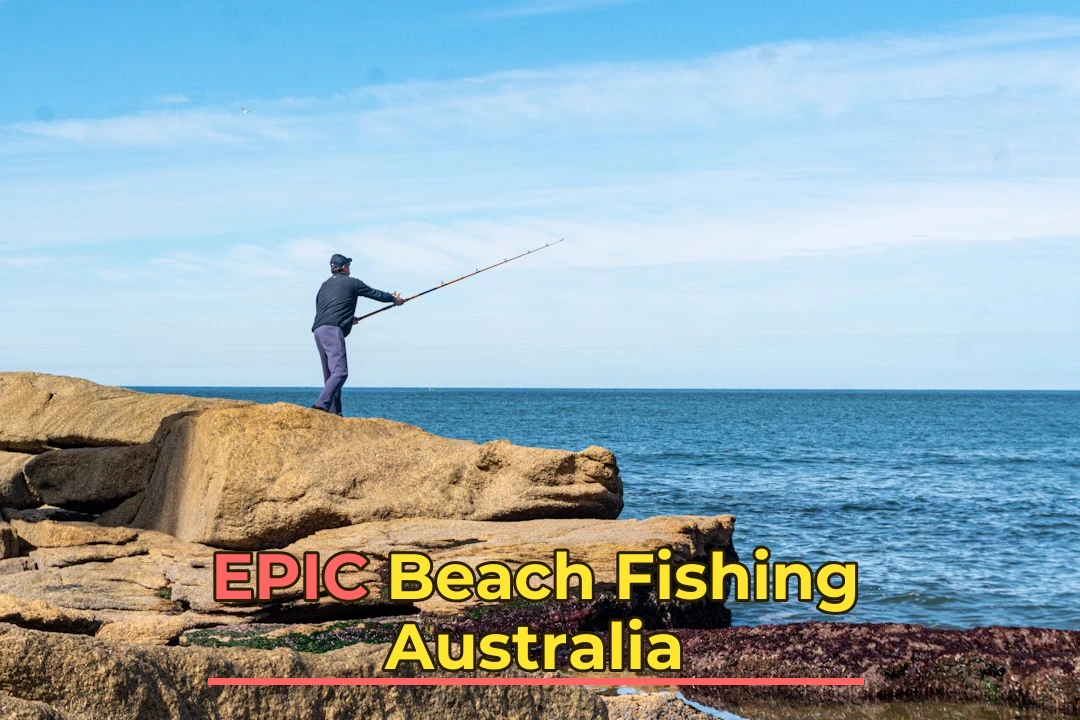
1. The South Coast Headlands (NSW): Rather than the wide, sandy beaches of the Central Coast, the rocky headlands south of Sydney offer deeper water closer to shore. Species like tailor and snapper are more common here, especially around rocky outcrops that disrupt the surf.
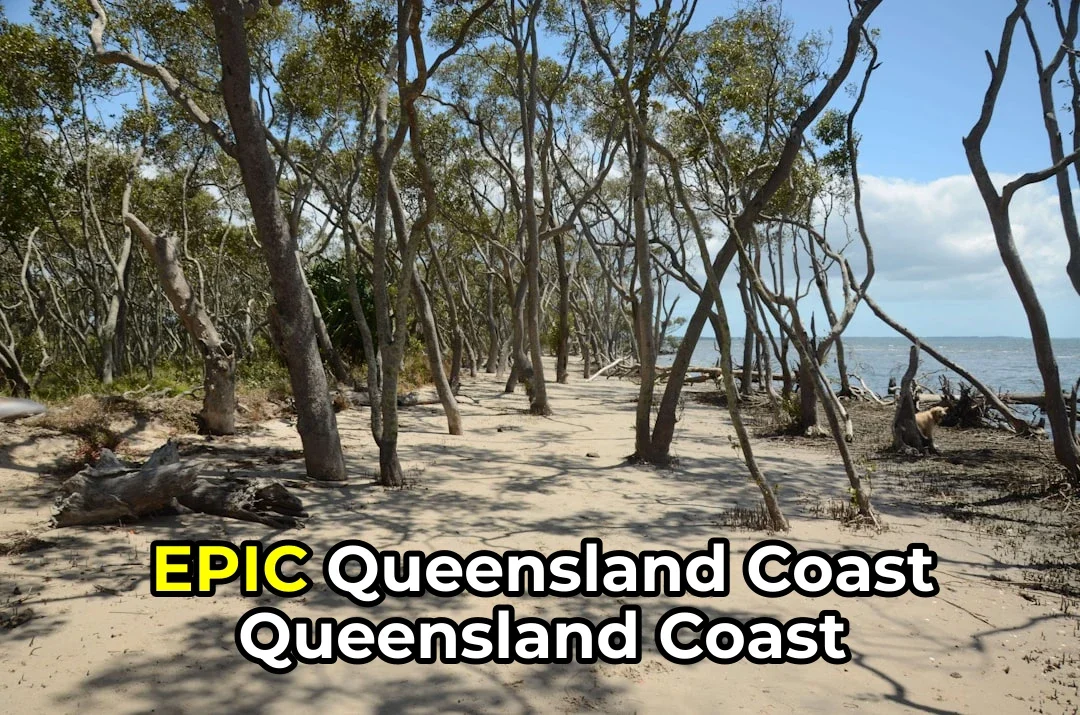
2. Sunshine Coast Bays (QLD): Sheltered bays, such as those around Noosa and Currimundi, provide calm waters ideal for targeting whiting and bream. The key here is low tide; as the water recedes, these species retreat into deeper channels that are exposed only at specific tidal stages.
3. Western Australian Pelagic Hotspots: Further west, near Exmouth, spring brings unique pelagic action. The interaction between the Leeuwin Current and warmer inshore waters creates a feeding frenzy for larger species, offering a stark contrast to the temperate zones.
Local Knowledge: In many of these sheltered bays, the best fishing occurs not during the high tide, but as the tide drops. The receding water concentrates baitfish in deeper holes and channels, making them easy targets for predators lying in wait.
Gear That Survives the Salt: Practical Setup Advice
The harsh marine environment demands durability. One of the most frustrating experiences for a beginner is watching their tackle corrode or fail due to salt spray. Investing in gear that can withstand the salt is not just about saving money; it’s about reliability when the fish are biting.
For spring beach fishing, simplicity often wins. You don’t need a $10,000 rod and reel combo. Instead, focus on a durable, medium-action spinning rod paired with a corrosion-resistant reel (look for sealed bearings).
* Rigging: A simple inshore rig with a ball bearing swivel and a fluorocarbon leader is sufficient for 90% of spring species. Fluorocarbon is less visible in clear water and abrasion-resistant against rocks.
* Bait: Live prawns or mullet strips are king in spring. They mimic the natural prey available and entice a wider variety of species than artificial lures, which can be erratic in spring conditions.
“Spring fishing requires a lighter touch than summer. The fish are more curious and the water is clearer, so your presentation must be subtle.”
A Personal Morning on the Gold Coast
I recall a specific morning last spring on the Gold Coast. I arrived early, armed with expensive soft plastics and a plan to target tailors. The water was choppy, the wind was howling, and my creel remained empty by 10am. I had ignored the subtle spring tide change, casting into deep channels where the fish had simply moved on due to the temperature shift.
Frustrated, I switched tactics. I moved closer to a rocky outcrop, used a simple prawn rig, and fished the rip where the water hit the rocks. Within an hour, I had caught three beautiful tailor and a few whiting. That morning taught me that spring requires a completely different rhythm than summer. It’s not about covering water; it’s about reading the subtle shifts in flow and temperature.
Honesty in the Hustle: Managing Expectations
It is important to admit that some species are simply unpredictable in spring due to erratic weather patterns. Even with the perfect gear, licence, and location, nature can throw a curveball. A sudden cold front can push fish deep instantly, or heavy rain can cloud the water enough to stop feeding altogether.
This unpredictability is part of the charm of beach fishing. It keeps you humble and engaged with your environment. Instead of viewing a bad day as a failure, view it as data collection for the next outing.
Conclusion: Your Spring Adventure Awaits
This guide is not just a list of rules; it is an invitation to explore the coastline with fresh eyes. Spring offers a unique window into Australia’s marine life, providing opportunities to connect with nature and challenge yourself on the beach.
We encourage you to share your own spring fishing stories, whether they are triumphant catches or valuable lessons learned. Let’s build a community of anglers who respect the environment and leave every beach better than they found it. So, grab your licence, check the tide, and get out there. The water is warming up, and the fish are waiting.
Frequently Asked Questions
When is the best time to target tailor and whiting during spring across different Australian states?
Spring timing varies by region due to water temperature shifts. In Queensland, the transition begins early in late August, making it ideal for targeting tailor in lower river reaches. In New South Wales, mid-spring (September–October) is key as tailors move up from deeper waters and whiting beds activate. For Victoria and Tasmania, patience is required until late October when colder currents recede, allowing for a surge in bream and garfish. The golden window generally opens when surface water temperatures reach 18°C.
Do I need a fishing licence to fish from the beach in Australia?
Yes, most recreational saltwater fishing requires a licence, though rules vary by state. In New South Wales, a Recreational Fishing Licence (RFL) is mandatory for all saltwater fishing, with narrow exemptions for certain age groups. Queensland requires a general fishing licence but offers unique concessions for youth and seniors. In Victoria, a recreational fishing permit is required, and you must also check tightened rules on baitfish harvesting and size limits for species like whiting. Always carry digital or physical proof, as rangers frequently patrol popular spots.
What gear and bait setups work best for spring beach fishing?
Simplicity often wins in spring. Use a durable, medium-action spinning rod paired with a corrosion-resistant reel featuring sealed bearings. For rigging, a simple inshore setup with a ball bearing swivel and a fluorocarbon leader is sufficient for 90% of species, as it offers visibility benefits and abrasion resistance. For bait, live prawns or mullet strips are superior to artificial lures in clear spring water. They mimic natural prey and entice a wider variety of species, requiring the lighter touch that spring fish prefer.
Which specific locations offer the best spring fishing conditions in Australia?
Spring productivity is found where tidal flow interacts with specific topography. In NSW, the South Coast Headlands south of Sydney offer deeper water closer to shore, making rocky outcrops prime spots for tailor and snapper. In Queensland, sheltered bays like Noosa and Currimundi are ideal for whiting and bream; target these during low tide as water recedes into deeper channels. In Western Australia, near Exmouth, the interaction between the Leeuwin Current and warmer inshore waters creates pelagic action for larger species.


Be the First to Comment
Sign in to start the conversation.