




Did you know that Byron Bay enjoys an average of 240 sunny days per year? With this much sunshine, it’s tempting to think you can roll out of a beachside campervan at any hour and start your adventure. However, anyone who has attempted a midday hike in January will tell you that the Australian sun is as relentless as it is beautiful. This guide isn’t just about what time the sun rises; it is a survival strategy for maximising those golden hours while avoiding the harsh UV rays and unpredictable coastal weather that define the outdoor experience in New South Wales.
The “Goldilocks” Windows (Seasonal Strategy)
In Byron Bay, the traditional calendar matters less than the specific “feel” of the air. To get the most out of your outdoor fitness and sightseeing, you need to shift your schedule according to three distinct phases of the year. Timing your activities correctly can mean the difference between a refreshing session and a heat-exhausted struggle.
The Early Risers Window (Winter/Spring)
During the cooler months—roughly May to September—the crisp ocean air is invigorating, but the sun still packs a punch by mid-afternoon. This is the season for the “cold start.” The best time for outdoor exercise equipment near you is first thing in the morning.
- 6:30 AM – 8:30 AM: Prime time for the Cape Byron Walking Track. The light is soft, making for incredible photos without the glare.
- Activity: High-intensity interval training or running. The lower humidity allows your body to cool down efficiently.
- Why: You’ll beat the coastal winds that often pick up by midday in Winter.
The Water & Sunset Window (Summer)
From December to February, the midday sun is dangerous. This phase requires a nocturnal shift. You want to avoid the UV peak between 10 AM and 3 PM entirely. This is the best time of year for water-based activities or evening strolls.
- 5:30 AM – 7:30 AM: Surfing at The Pass or Wategos Beach. The water is glassy, and the crowds are thin.
- 6:00 PM – Sunset: Beach volleyball or casual frisbee. The sand retains heat, but the air is cooling off.
- Why: The UV index drops to safer levels, and the summer storms often roll in later in the afternoon, clearing the air for dramatic sunsets.
The Golden Hour Window (Autumn)
March and April are arguably the best months for outdoor fitness Australia wide. The water is still warm from summer, but the air is crisp. This is the “Goldilocks” zone where almost any time works, provided you prioritise the late afternoon.
The Locals’ “Secret Shift” (Inside Knowledge)
Tourists tend to operate on a “hotel clock”—waking up around 8 AM, eating breakfast, and heading out by 10 AM. This creates a crush at the most popular spots. To find an authentic experience, you need to understand the “Secret Shift” that locals use to navigate Byron Bay’s popularity.
Locals know that sunrise isn’t just about the photo; it is about parking. If you arrive at the Wategos Beach car park at 5:45 AM in January, you get a spot. If you arrive at 6:15 AM, you are walking from the town center. Furthermore, locals treat the “afternoon lull”—that lazy time between 2 PM and 4 PM when everyone is napping or eating—as the secret window for secluded beach walks.
The Reality of Crowds
While the Cape Byron Walking Track is spectacular, doing it at 11 AM in peak season feels more like a queue at a theme park than a nature trek. Instead, try the Tallow Beach side of the headland during these peak hours. It lacks the paved path but offers solitude and the same ocean views.
The Gear Timeline (Practical Prep)
Being prepared in Australia isn’t just about having the right gear; it is about having it ready at the right moment. Here is a countdown checklist to ensure you get the best outdoor fitness Australia has to offer without getting caught out.
24 Hours to Go: The Tide Check
Check the local tide charts. Many of Byron Bay’s best coastal features are only accessible or visible at low tide. If you plan to explore the rock pools near Byron Bay Surf Life Saving Club, a high tide will cover them completely. Planning your outdoor adventure around the tides ensures you don’t miss out on the hidden marine life.
1 Hour to Go: The Sunscreen Rule
0 Hour: Hydration Station
Freeze your water bottle the night before. By the time you hit the track at 7 AM, you’ll have ice-cold water. Outdoor fitness equipment is abundant in Byron Bay, including fitness stations along the foreshore, but water fountains can be spaced out. Carry your own.
Unexpected Discovery: A Lesson in Shade
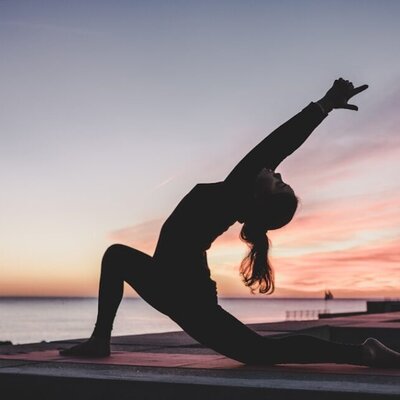
I remember attempting a workout at The Pass at 11 AM one January. It was a mistake. The sand was scorching hot, burning through the soles of my trainers, and there was absolutely no shade. Realising I couldn’t continue, I retreated up the cliffside and stumbled upon a shaded, grassy knoll overlooking the water. It turned out to be the perfect spot for a yoga session—something I never would have found if the midday sun hadn’t chased me away from the beach.
Respecting the Flags
A key piece of practical information is the authority of the red and yellow flags. The Byron Bay Surf Life Saving Club flags are the ultimate timekeeper. If the flags are up, it is prime swimming time. If they are down, the conditions are too dangerous, or the surf lifesavers have gone home for the day. Swimming outside these hours is a major risk. Even if the water looks calm, rips are unpredictable along this coastline.
Weather Forecast Reality Check
Ultimately, the best-laid plans for outdoor fitness Australia-style are at the mercy of the elements. If the wind picks up or the clouds roll in, that’s not a ruined schedule—that’s just Byron Bay reminding you to grab a smoothie instead. Flexibility is the most important tool in your gear bag. Use these windows as a guide, but listen to your body and the sky. Sometimes, the best outdoor activity is a quiet break on a cafe balcony watching the storm roll in.
Key Takeaways
- Winter/Spring: Aim for early mornings (6:30 AM – 8:30 AM) to avoid afternoon winds.
- Summer: Shift to dawn patrols (5:30 AM) or late afternoons to escape the peak UV radiation.
- Secret Shift: Avoid the Cape Byron Lighthouse track between 10 AM and 2 PM to dodge the crowds.
- Tides Matter: Always check the tide chart 24 hours before exploring rocky coastal areas.
- Safety First: Swim only between the red and yellow flags patrolled by the Surf Life Saving Club.



Be the First to Comment
Sign in to start the conversation.