


Mud spatters against your shins, cold and deliberate. Your tyres bite into damp earth, sending up that distinctive winter smell—eucalyptus mixed with wet soil and something vaguely sweet, like decaying gum leaves. Your fingers ache inside damp gloves, but you’re grinning. This is Yarra Valley in July, and honestly? It’s when the riding gets good.
Why Winter Isn’t the Enemy (The Reframe)
Let’s address the elephant in the room: yes, Melbourne winters are cold, grey, and about as predictable as a kangaroo in a car park. But here’s what the fair-weather crowd misses—winter riding in and around Greater Melbourne offers something summer simply can’t.
For starters, the trails are grippier. That hard-packed dirt that turns to dust bowls in February becomes tacky, responsive earth that holds your line like it’s personally invested in your success. The crowds disappear too. Those popular trails around Lysterfield that resemble a conveyor belt of lycra in warmer months? Come August, you might have them largely to yourself.
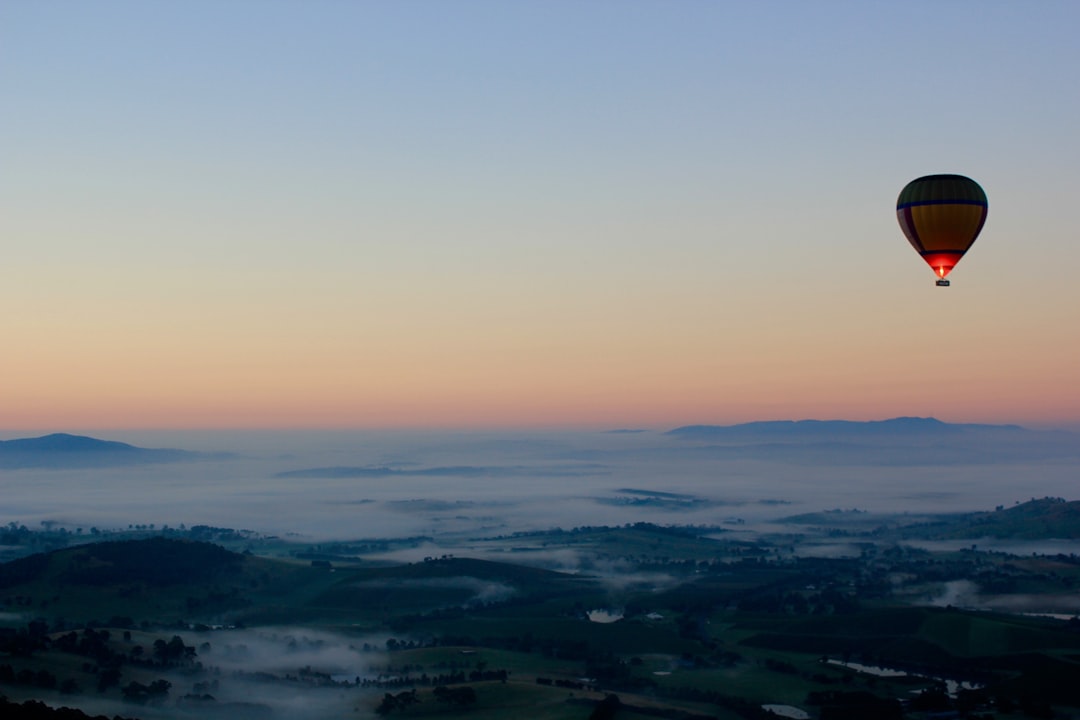
There’s also a different kind of beauty at play. The Yarra Valley, one of Victoria‘s premier wine regions located roughly an hour east of Melbourne, transforms in winter. Mist clings to the mountain ash forests. The light goes soft and golden even on overcast days. It’s moody and atmospheric—honest Australian bush at its most evocative.
The Three Trails That Actually Get Better in Rain
Not all trails are created equal when the heavens open. Some turn into unrideable bogs that’ll have you pushing your bike and questioning your life choices. Others, though, come alive in ways that’ll make you a convert to winter riding.
Lysterfield Park
This is the undisputed king of wet-weather riding near Melbourne. The granite-based surfaces drain exceptionally well, meaning you can ride here when other trails are genuine no-go zones. The trails built for the 2006 Commonwealth Games—particularly Comm Games and Capital—hold up beautifully in damp conditions.
The granite gravel essentially becomes grippier when wet, unlike the clay-based nightmares elsewhere. You’ll still want to avoid the immediate aftermath of heavy downpours (give it 24 hours), but Lysterfield is reliable when everywhere else is questionable.
Warrandyte State Park
Here’s where local knowledge matters enormously. Much of Warrandyte is clay-based and should be avoided like a magpie in spring when wet—riding clay trails in rain causes significant damage that takes months to repair. However, the Punches Road area and some of the higher, rockier sections can handle light moisture.
Yarra Valley Rail Trail and Warburton Area
When the singletrack is too soggy, the rail trail is your friend. The Lilydale to Warburton Rail Trail covers 38 kilometres of former railway line, and because it was engineered for trains, drainage is excellent. You won’t get technical challenges, but you’ll get stunning winter valley views without the mud bath.
For those determined to find singletrack, the Warburton area offers some gems—but you need timing on your side. The guys at the Cog Bike Cafe will tell you—unofficially—that the first hour after light rain is magic. The dust settles, the grip increases, and the trails haven’t turned to soup yet.
Trails to Save for Summer
Some popular trails around Greater Melbourne genuinely suffer in winter. Anything with heavy clay content (parts of the You Yangs, certain sections at Smiths Gully) should be left alone until the ground firms up. It’s not just about your experience—winter riding on vulnerable trails causes erosion that affects everyone.
The Gear Conversation (Without the Sales Pitch)
Let’s be honest about what you actually need versus what marketing departments would have you believe. You don’t need a new bike, heated grips, or this season’s colour-coordinated kit.
What you genuinely need:
- Lights: Even if you don’t plan to ride after dark, winter days are short. A decent front light (500+ lumens) and rear light are non-negotiable.
- Layers you can remove: You’ll warm up faster than you expect. A thermal underlayer, windproof outer, and the ability to stuff both in a pack when you’re climbing.
- Decent gloves: Cold fingers can’t brake properly. This isn’t comfort—it’s safety. I learned this the hard way on my first winter ride in cotton gardening gloves. Don’t be me.
- Mud guards: Optional but your riding mates will appreciate you not spraying them with rooster tails of grit.
The Social Side (Because No One Rides Alone in Winter)
There’s something about winter riding that demands company. Partly it’s safety—if you come off on a frosty morning in a remote section of the Yarra Valley, you’ll be grateful for a mate who can call for help. But it’s also motivation. Rolling out of a warm bed to meet your crew at 7am takes commitment that’s easier to honour when someone’s expecting you.
Several clubs around Melbourne run year-round group rides. Cycling Australia (now AusCycling following the merger) affiliated clubs often have winter schedules, and the social aspect becomes even more valuable when the weather turns. Check the AusCycling website for clubs in your area—even if you’re not competitive, most clubs welcome social riders.
Getting the Family Involved Without the Misery
Winter family rides require a different approach. Shorter distances, plenty of snacks, and a hard rule: if the kids are miserable, the ride’s over. No exceptions. The goal is building positive associations, not proving a point about toughness.
The rail trails are perfect for this. Flat, traffic-free, and you’re never far from a cafe when little fingers start going numb. Pack hot chocolate in a thermos. Make it an adventure, not an ordeal.
The Coffee Stop is Non-Negotiable
Let’s be clear: winter riding is approximately 40% actual riding and 60% warming up afterward. Plan your routes around good coffee. The Yarra Valley has no shortage of options—Healesville, Warburton, and everywhere in between has cafes that understand what cyclists need (carbohydrates, caffeine, and a place to drip dry).
The Post-Ride Payoff
Last August, a wrong turn near Warburton led to an unmapped singletrack through foggy mountain ash forest. The mist was so thick the trees disappeared overhead. No Strava segment, no crowd. Just the sound of tyres and breathing. Sometimes winter gives you things summer can’t—solitude.
Here’s what I won’t do: pretend you should ride in a torrential downpour. There’s committed, and there’s stupid. If the Bureau of Meteorology shows that big blue blob heading across the ranges, maybe it’s a coffee ride. The trails will still be there next week.
Back at the car, peeling off wet gloves. The flask of coffee you packed is still hot. Steam rises from your jacket as you sit on the tailgate, legs tired in that specific way that means you did something. The valley spreads out below you, mist clinging to the hills. Winter riding isn’t about enduring discomfort. It’s about earning moments like this.
The trails are waiting. Just maybe pack a dry pair of socks.
Frequently Asked Questions
Which Melbourne mountain biking trails are best to ride in wet winter conditions?
Lysterfield Park is the best wet-weather option near Melbourne due to its granite-based surfaces that drain exceptionally well and actually become grippier when damp. The Commonwealth Games and Capital trails, built for the 2006 Commonwealth Games, hold up beautifully. The Lilydale to Warburton Rail Trail is also excellent in winter—the 38-kilometre former railway line has excellent drainage since it was originally engineered for trains. Avoid Warrandyte State Park’s clay-based trails when wet, as they turn to ‘greased pottery’ and riding them causes significant damage.
How should I prepare for winter mountain biking around Melbourne?
You need lights (500+ lumens minimum for front) since winter days are short—this is non-negotiable even if you don’t plan to ride after dark. Wear removable layers: a thermal underlayer and windproof outer that you can stuff in your pack when climbing. Invest in decent gloves, as cold fingers can’t brake properly and this becomes a safety issue. Mud guards are optional but appreciated by riding mates. Local bike shops like Cog Bike Cafe in Warburton or independents around Fitzroy and Northcote offer practical winter gear advice from experienced riders.
When is the best time to go mountain biking in Melbourne during winter?
Serious local riders often prefer May through August for trail riding. The cooler temperatures allow you to push harder without overheating, and trail surfaces offer consistent grip that summer’s loose-over-hard conditions can’t match. At Warburton, locals suggest the first hour after light rain is ideal—the dust settles, grip increases, and trails haven’t turned to soup yet. For Lysterfield, wait 24 hours after heavy downpours before riding. Always check the Bureau of Meteorology forecasts before heading out.
What does winter mountain biking in the Yarra Valley cost in terms of gear and preparation?
Essential winter gear doesn’t require a new bike or expensive heated grips. Budget for a decent front light (500+ lumens) and rear light, thermal underlayers, a windproof jacket, and quality gloves—these are safety items, not luxuries. Mud guards are optional. Many rides become ‘coffee rides’ with approximately 40% actual riding and 60% warming up afterward, so factor in cafe stops at places like Healesville or Warburton. The trails themselves at locations like Lysterfield Park and the Yarra Valley Rail Trail are free to access.


Be the First to Comment
Sign in to start the conversation.