
The Moment Everything Goes Quiet
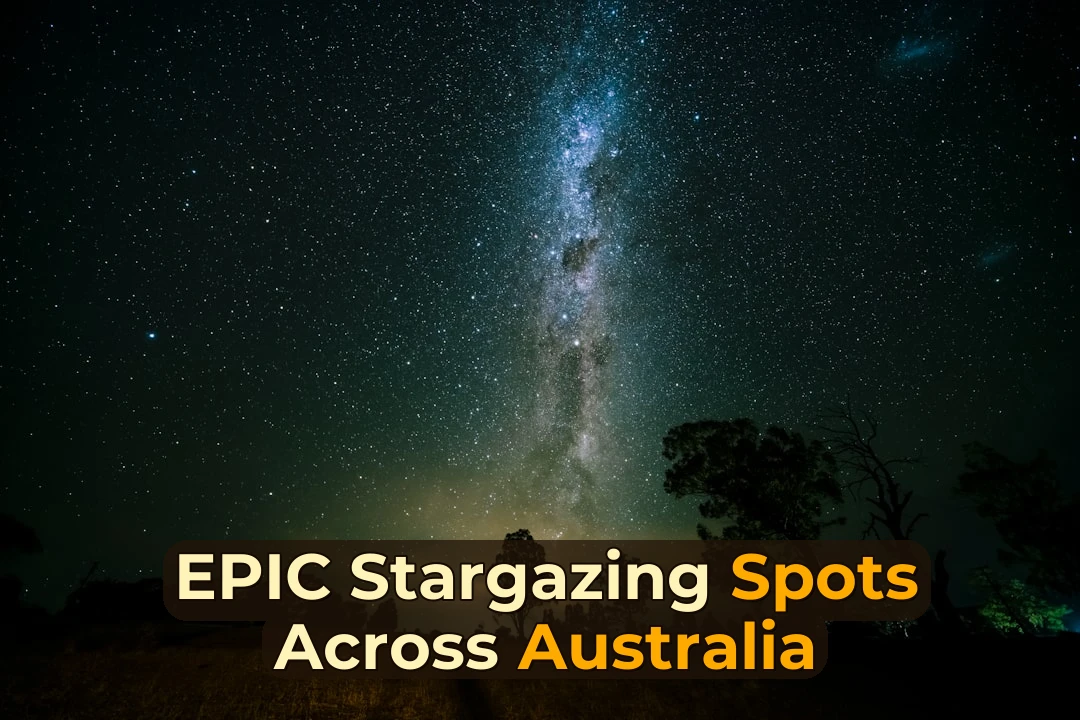
The last tourist bus pulled out of Wentworth Falls lookout twenty minutes ago, and now there’s just you and the cooling sandstone under your feet. The eucalyptus scent sharpens as the temperature drops—that distinctive Blue Mountains evening bite creeping through your jacket. Venus has been visible since twilight, but now Vega appears overhead, then Sirius, and suddenly the sky isn’t empty at all. It’s crowded. The Milky Way emerges not as a scattering of individual stars but as a river of light, and if you squint slightly, you can make out the dark dust lanes between them—the Emu in the Sky, stretching its long neck across the zenith. The silence here has a texture. Standing at the edge of this ancient escarpment, looking up at the same stars that have watched over this country for 65,000+ years, you understand why people drive two hours from Sydney just to stand in the dark.
The Three Tiers of Dark — Finding Your Level
Not all stargazing spots are created equal, and honestly, that’s a good thing. The family with a six-year-old who just wants to see “lots of stars” needs something different from the amateur astrophotographer chasing the Orion Nebula. Here’s how the Blue Mountains stacks up by commitment level:
Tier 1: Easy Access (Wheelchair Friendly, Sealed Paths, Facilities)
Wentworth Falls Lookout and Govetts Leap in Blackheath are your bread-and-butter options. Both have sealed car parks, accessible toilets, and well-maintained paths. The trade-off? Light pollution from nearby towns means you’ll see hundreds of stars rather than thousands—but for most visitors, that’s still a revelation compared to Sydney’s glow.
Echo Point in Katoomba gets mentioned constantly, and yes, the Three Sisters look magnificent under moonlight. But realistically, the town lights compromise the viewing. Save this one for moonlit landscape photography rather than deep-sky observation.
Tier 2: Short Walk (20-40 Minutes, Basic Facilities)
Pulpit Rock in Blackheath requires a short walk but rewards you with 270-degree views and significantly darker skies. The Grand Canyon track has several quieter lookouts along its route—particularly the eastern-facing platforms that catch the rising constellations.
These spots strike the sweet spot for most visitors: dark enough to see the Milky Way’s structure clearly, accessible enough that you’re not committing to a full expedition.
Tier 3: Deep Dark (Minimal Facilities, Maximum Stars)
The Megalong Valley is where serious stargazers end up. Less light pollution, wider horizons, and that profound darkness that makes the stars feel close enough to touch. There are spots around Blackheath’s back roads that locals guard jealousy—gravel turnoffs with no signage, just wide shoulders and big skies.
The Infrastructure You Actually Need at 11pm
Facilities look different when you’re standing in a car park at 11pm in July, breath fogging in front of your face. Here’s what genuinely matters:
Toilets: The Locked Door Reality
Here’s something most guides won’t tell you: many National Parks toilets lock at dusk. I learned this the hard way at Govetts Leap one Tuesday evening in May, arriving at 8:30pm with a thermos of tea and a full bladder, only to find the amenities padlocked. Wentworth Falls main toilets stay open longer (typically until 10pm on weekends), but the smaller lookouts? Assume they’re closed.
Parking: Sealed vs. Unsealed
Most Tier 1 and 2 lookouts have sealed parking, but some of the darker spots require navigating unsealed roads. “4WD recommended” on the Blue Mountains map usually means “high clearance helpful in wet weather”—not “you’ll die in a Corolla.” That said, some Megalong Valley turnoffs are genuinely rough. Check recent conditions on the National Parks website before committing.
Shelter: The Wind Factor
Blue Mountains winter nights regularly drop to 0-5°C, and the wind chill at exposed lookouts can make it feel like -5°C. Evans Lookout has natural windbreaks from surrounding vegetation. Hargraves Lookout does not. This matters more than you’d think when you’re standing still for two hours trying to photograph the Magellanic Clouds.
Phone Reception: A Realistic Map
Telstra coverage is surprisingly good across most main lookouts. Optus and Vodafone? Patchy at best, nonexistent in the valleys. If you’re heading to Tier 3 spots, download offline maps first and let someone know your plans.
The Calendar of Dark — Seasonal Facilities Guide
When you go matters almost as much as where you go. Different seasons bring different facility considerations:
Summer (December–February)
Longer days mean astronomical twilight doesn’t end until 10pm or later. The upside? Warm nights (15-20°C) and facilities operating at full capacity. The downside? You’re starting late, and crowds linger at popular lookouts until well after dark.
Winter (June–August)
Prime viewing starts as early as 6pm, which is brilliant for families and anyone who values sleep. The trade-off is genuine cold—overnight temperatures regularly hit 0°C, and some smaller carparks become icy and hazardous. Pack layers you wouldn’t consider in summer.
Moon Phase Integration
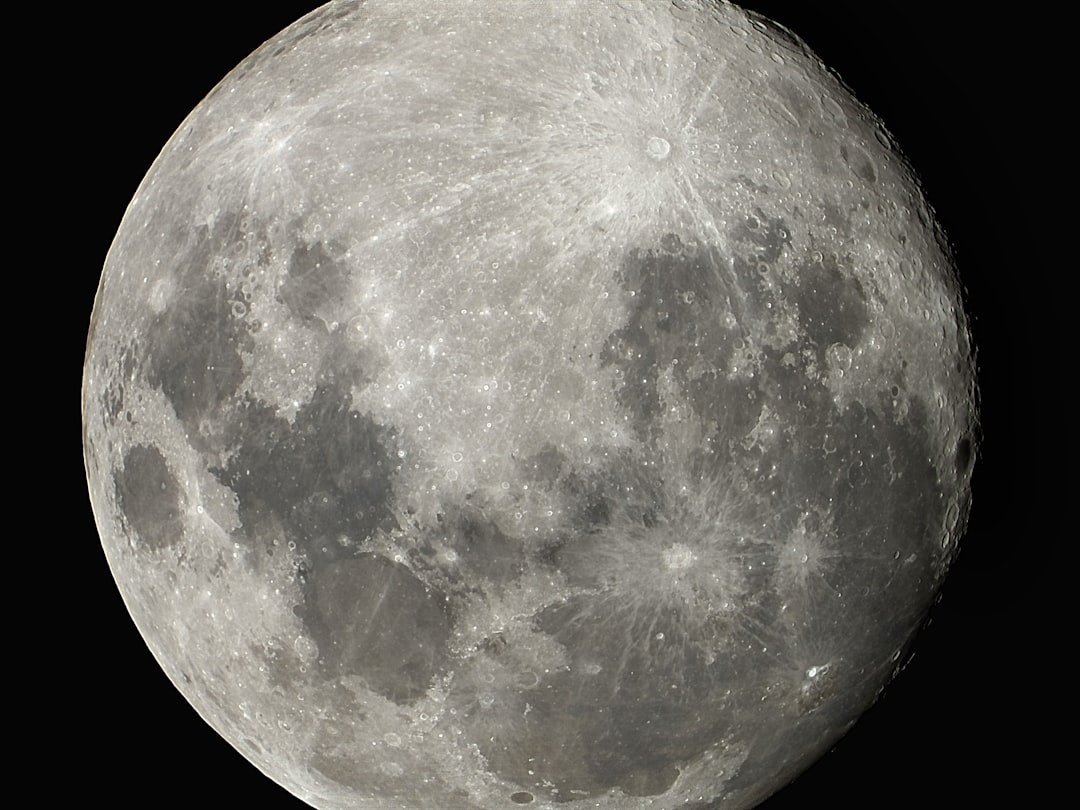
The best stargazing happens during the new moon (roughly one week per month). The week before and after? Still good for bright objects like planets and the Moon itself, but the Milky Way core will be washed out. Check a lunar calendar before booking your Blue Mountains accommodation.
Where to Lay Your Head — Accommodation with Sky Access
You can drive up from Sydney for an evening—and many people do—but staying overnight transforms the experience. You can stargaze until 2am without worrying about the drive home, catch the pre-dawn planets, and actually relax into the darkness.
Camping with Clear Sightlines
Megalong Valley Caravan Park sits in a natural bowl with surprisingly dark skies for an established campground. Basic facilities (hot showers, powered sites), but the horizon views are genuinely good. Book well ahead for new moon weekends.
Cabins and Eco-Lodges
Several Blue Mountains accommodation options specifically cater to stargazers. Look for places advertising “dark sky friendly” lighting or observatory access. Some Blackheath and Mount Victoria properties have dedicated viewing decks away from street lights.
The Unexpected Discovery
Here’s a spot not marketed for stargazing at all: Cahills Lookout near Blackheath. It’s primarily a sunset spot, which means most visitors leave as soon as the sun dips. But the western aspect gives you spectacular views of the setting constellations, and because it’s not on the main tourist circuit, you’ll often have the place to yourself after 8pm. No facilities beyond a small car park, but sometimes that’s the point.
The Emu in the Sky — A Brief Acknowledgement
Before we get to your checklist, there’s something that deserves mentioning. The stars you’re looking at have been read and understood by Aboriginal Australians for longer than any written record exists. The Emu in the Sky—visible in the dark dust lanes of the Milky Way from about April to October—is one of the most accessible examples of Indigenous astronomy. It’s not a constellation in the Western sense; it’s the absence of stars that forms the shape. The Emu’s body stretches from the Coal Sack near the Southern Cross through the galactic centre. Learning to see it changes how you view the entire sky.
Your First Night Checklist
Right, let’s make this practical. Here’s everything you need to know before you head up the mountains:
Pack
- Red light torch (preserves night vision—white lights ruin it for 20+ minutes)
- Thermos of something warm (trust me on this one)
- Picnic blanket or camping chair (standing for three hours gets old)
- Star map app (SkyView or Stellarium—download offline maps first)
- Extra layers (always one more than you think you need)
Check
- Moon phase (new moon = maximum stars)
- Sunset time (astronomical twilight ends 90 minutes after)
- Weather forecast (cloud cover is the enemy—look for “clear” or “mostly clear”)
- Toilet lock times for your chosen site (or plan alternatives)
Know
- The one facility limitation that matters most for your chosen tier (probably toilets or phone reception)
- How to get back to your car in total darkness (familiarise yourself during daylight)
- When to leave Sydney to arrive at dusk (roughly 90 minutes to most lookouts from the CBD)
Final Thoughts
The Blue Mountains isn’t the darkest place in Australia—that honour belongs to the Kimberley or the Red Centre. But it’s the most accessible genuine dark sky for millions of people, and that matters. You don’t need a telescope. You don’t need expensive gear. You need a clear night, a warm jacket, and the willingness to drive two hours to stand in a car park looking up.
The sky’s already there. The only question is which Thursday you’re going to meet it.
Frequently Asked Questions
What are the three tiers of stargazing locations in the Blue Mountains?
The three tiers are: Tier 1 (Easy Access) includes Wentworth Falls Lookout and Govetts Leap with sealed car parks, accessible toilets, and well-maintained paths—though light pollution means hundreds rather than thousands of stars. Tier 2 (Short Walk) covers Pulpit Rock and Grand Canyon track lookouts, requiring 20-40 minute walks but offering darker skies. Tier 3 (Deep Dark) features Megalong Valley and Blackheath’s back roads with minimal light pollution but no toilets, no water, and patchy phone reception.
When is the best time of year to go stargazing in the Blue Mountains?
April and September are the sweet spots, offering darkness by 7:30pm, manageable temperatures of 8-15°C, fully operational facilities, and thinner tourist crowds. Winter (June-August) provides prime viewing from 6pm but temperatures regularly hit 0°C. Summer (December-February) has warmer 15-20°C nights but astronomical twilight doesn’t end until 10pm or later. Always plan around the new moon phase for maximum star visibility.
How should I prepare for limited facilities at Blue Mountains stargazing spots?
Many National Parks toilets lock at dusk to prevent vandalism—Wentworth Falls main toilets typically stay open until 10pm on weekends, but smaller lookouts should be assumed closed. Telstra coverage is good at main lookouts, whilst Optus and Vodafone are patchy or nonexistent in valleys. For Tier 3 spots like Megalong Valley, download offline maps and inform someone of your plans. Bring a red light torch to preserve night vision, as white lights ruin it for 20+ minutes.
Where can I stay overnight for Blue Mountains stargazing?
Megalong Valley Caravan Park offers camping in a natural bowl with dark skies, hot showers, and powered sites—book ahead for new moon weekends. Several Blue Mountains accommodation options cater specifically to stargazers with dark sky friendly lighting and dedicated viewing decks, particularly in Blackheath and Mount Victoria. Cahills Lookout near Blackheath is an underrated option where most visitors leave after sunset, leaving you with western views of setting constellations.


Be the First to Comment
Sign in to start the conversation.