



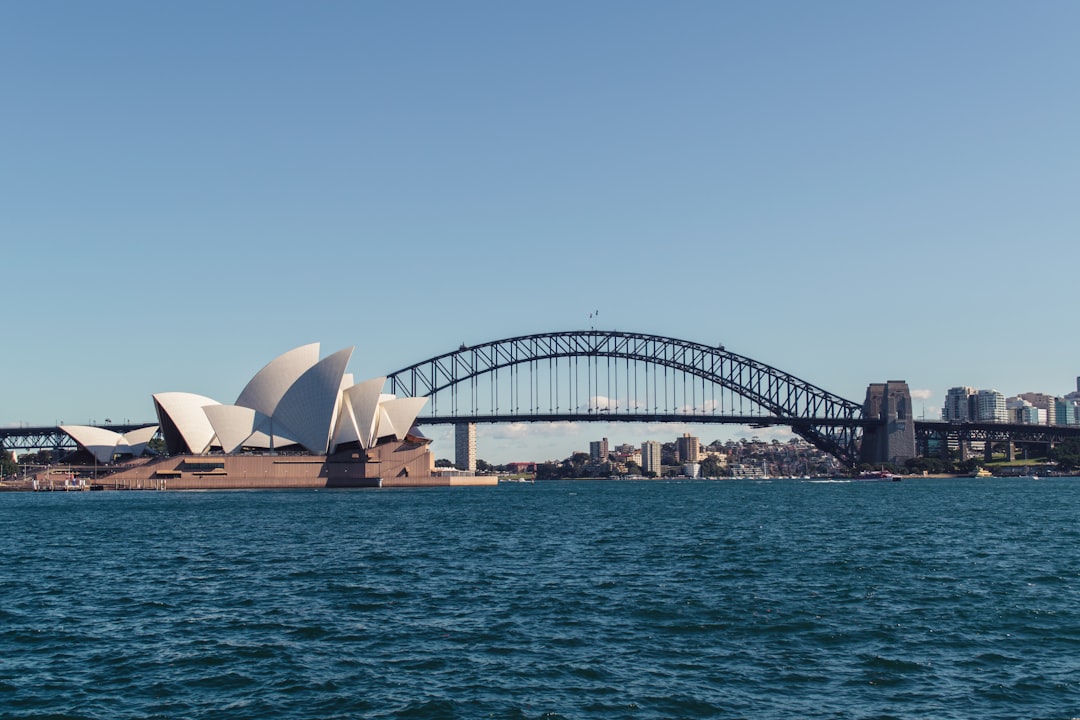
The crisp morning air nips at your exposed skin as you unzip your tent, your breath forming small clouds that dance in the weak winter sunlight. The ground crunches under your boots with a satisfying frostiness, and the valley below is shrouded in mist that slowly parts like theater curtains as the day awakens. This is the Blue Mountains in winter – a completely different world from the summer crowds, offering an intimacy with the landscape that cooler months reveal to those willing to embrace the chill. The Blue Mountains, just a two-hour drive from Sydney, transform into a serene wonderland where you can experience Australia’s unique mountain environment without the bustling tourist traffic.
Winter’s Palette: The Blue Mountains Transformed
The familiar Blue Mountains landscape shifts dramatically in winter, with the region’s iconic eucalypt forests taking on new hues against the crisp, clear air. The winter season typically runs from June to August, offering the perfect conditions for a different kind of mountain adventure – one where you can truly connect with nature without the summer crowds.
Winter mornings in the Blue Mountains are particularly magical. The temperature inversion creates sea-like mists that fill the valleys, often referred to as “the blue haze” that gives the mountains their name. As the sun rises, these mists gradually lift, revealing stunning vistas of sandstone escarpments, waterfalls, and deep gorges. This phenomenon is especially visible from popular lookouts like Echo Point, Wentworth Falls, and Govetts Leap.
“Winter camping in the Blue Mountains offers a completely different experience – the silence is profound, and the landscape reveals details you simply don’t notice in summer.” – Local camping enthusiast
The winter season also brings unique wildlife viewing opportunities. Many animals become more active in the cooler months, and you might spot lyrebirds, wallabies, and even the elusive platypus in the mountain streams. The winter flowering of certain plants, like the iconic waratah and banksia, adds splashes of color to the otherwise subdued landscape.
Regional Highlights and Attractions
The Blue Mountains offer numerous camping spots that showcase the region’s natural beauty during winter:
- Blackheath Campground – Offers stunning views of the Megalong Valley and is perfect for stargazing on clear winter nights
- Jenolan Caves – Explore the magnificent limestone caves, which maintain a constant year-round temperature of 16°C
- Wentworth Falls – Winter rains often replenish the waterfalls, creating dramatic cascades
- Mt. Tomah Botanic Garden – Features a diverse collection of cold-climate plants and offers winter blooms
Mountains Whisper: Local Wisdom for Winter Campers
The Blue Mountains locals have developed their own set of camping traditions and tips that have been passed down through generations. These insights can transform your winter camping experience from merely surviving to truly thriving in the mountain environment.
Seasonal Advice and Timing
Winter in the Blue Mountains offers distinct advantages for campers:
- Fewer crowds mean more secluded camping experiences
- Cooler temperatures make hiking more comfortable
- Fire restrictions are often lifted (always check current conditions)
- Waterfalls and creeks are often flowing more strongly
Local Insights
The Blue Mountains camping community has developed unique traditions for winter camping:
- The “mountain tea” ritual – locals brew tea from local herbs like lemon myrtle and mountain pepper
- Winter solstice gatherings – many campers celebrate the shortest night of the year with shared meals and stories
- Morning walks – early risers often gather for sunrise walks to share the experience of watching the mist lift from the valleys
Winter Camping Toolkit: Preparing for Blue Mountains Adventures
Winter camping in the Blue Mountains requires specific preparation to ensure comfort and safety. The region’s unique microclimates can change quickly, so being properly equipped is essential.
Essential Gear
Essential winter camping equipment for the Blue Mountains includes:
- A quality, four-season tent with good ventilation to prevent condensation
- Sleeping rated for at least -5°C (even if temperatures don’t drop that low)
- Thermally insulated sleeping pad (air mattresses lose significant heat in cold conditions)
- Layered clothing system including merino wool base layers
- Waterproof outer shell and insulated mid-layers
- Insulated boots with good grip for potentially icy conditions
- Chemical hand and foot warmers for particularly cold nights
Practical Travel Information
Accessing the Blue Mountains for winter camping requires some planning:
- Getting There: The Blue Mountains are approximately 100km west of Sydney, accessible by car via the M4 and Great Western Highway. The drive takes approximately 2-3 hours depending on traffic
- Camping Permits: Most camping areas in the Blue Mountains National Park require a permit, available online through the NSW National Parks website
- Fire Regulations: Check current fire restrictions before your trip. Winter often allows for controlled campfires in designated areas
- Water Availability: Some camping areas have limited water availability in winter – always carry extra
- Mobile Coverage: Coverage is limited in many areas of the mountains – download offline maps before your trip
Key Takeaways
- Winter camping in the Blue Mountains offers a unique, serene experience with fewer crowds
- Proper preparation is essential – temperatures can drop significantly, especially at night
- The region’s winter phenomena, like mist-filled valleys and flowing waterfalls, provide spectacular sights
- Local knowledge can enhance your experience – consider connecting with the camping community
- Always check current conditions, fire regulations, and park requirements before your trip
Winter camping in the Greater Sydney region, particularly in the Blue Mountains, offers an authentic Australian experience that few tourists get to enjoy. By embracing the cooler months and preparing appropriately, you can discover a side of this iconic landscape that reveals its true character in winter’s quiet embrace. The mountains have a way of speaking differently to those who visit in the colder months – it’s an invitation to slow down, listen, and experience nature in its most raw and beautiful form.
Frequently Asked Questions
What makes winter camping in the Blue Mountains different from summer camping?
Winter camping in the Blue Mountains offers a completely different experience with fewer crowds, allowing for more intimate connection with nature. The region experiences temperature inversions creating mist-filled valleys that reveal stunning vistas as they lift. Winter mornings bring frost and fog, while afternoons can be surprisingly warm and sunny. Wildlife like lyrebirds, wallabies, and platypus become more active, and certain plants like waratahs and banksias produce winter blooms, adding color to the landscape.
How should I prepare for winter camping in the Blue Mountains?
Proper preparation is essential for winter camping in the Blue Mountains. Invest in a three-season sleeping bag rated for temperatures below what you expect, as the region can feel significantly colder than official readings. Essential gear includes a quality four-season tent, sleeping pad rated for at least -5°C, layered clothing with merino wool base layers, waterproof outer shell, insulated mid-layers, and insulated boots with good grip. Always carry extra layers as temperatures can drop suddenly, even during the day, and be prepared for rapid weather changes, especially at higher elevations.
When is the best time to go winter camping in the Blue Mountains?
The winter season in the Blue Mountains typically runs from June to August, offering perfect conditions for mountain adventures with fewer crowds. This period provides cooler temperatures that make hiking more comfortable, often lifted fire restrictions (always check current conditions), and waterfalls and creeks flowing more strongly. The region experiences temperature inversions during these months where valleys can be colder than mountain tops, meaning camping at higher elevations can sometimes be warmer than lower altitudes. Winter mornings are particularly magical with mist-filled valleys that gradually lift as the sun rises.
What practical information do I need to know for camping in the Blue Mountains during winter?
The Blue Mountains are approximately 100km west of Sydney, accessible via the M4 and Great Western Highway with a 2-3 hour drive depending on traffic. Most camping areas require permits available through the NSW National Parks website. Check current fire restrictions as winter often allows controlled campfires in designated areas. Water availability can be limited in some camping areas during winter, so always carry extra. Mobile coverage is limited in many areas, so download offline maps before your trip. The Jenolan Caves maintain a constant year-round temperature of 16°C, offering a warm activity option during cold days.

Be the First to Comment
Sign in to start the conversation.