
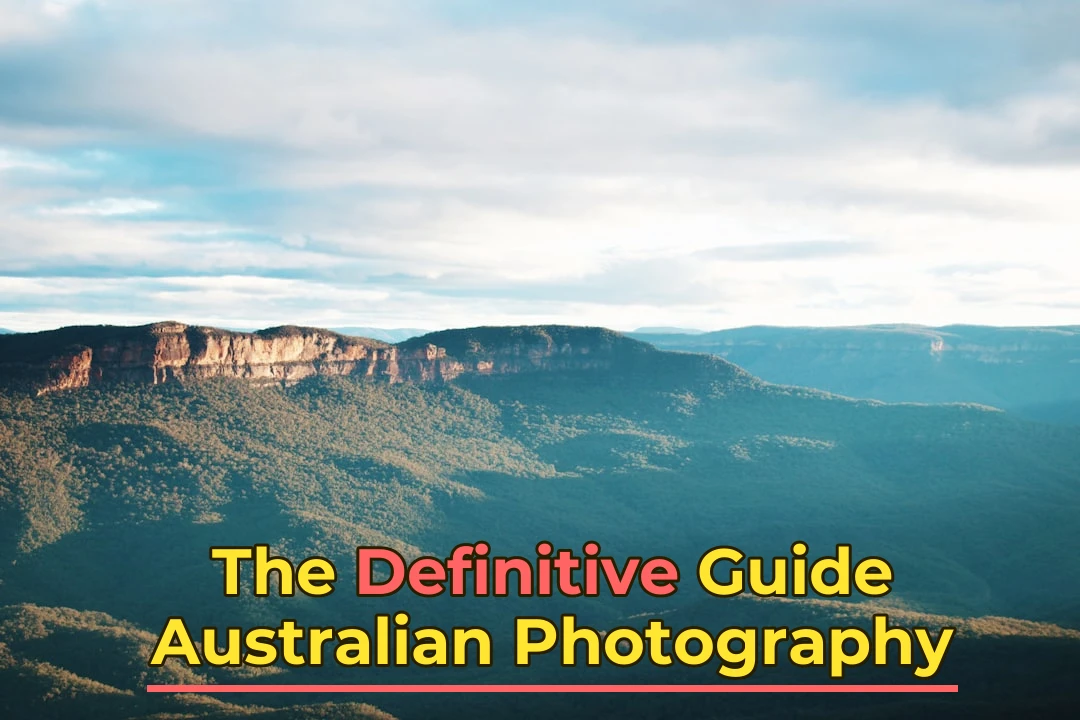
🔥 Ever wondered if that hefty price tag on a premium first aid kit actually buys you peace of mind when you’re miles from help in the Blue Mountains? I’ve been using this kit for 6 months on everything from day hikes to multi-day bike trips, and here’s my honest take!
📦 First Impressions & Build Quality
Right off the bat, I was impressed by the rugged orange hard case. It’s not just plastic; it feels like it can survive a tumble down a rocky track or get squashed in my backpack. The interior is colour-coded with clear zip compartments, which makes finding stuff when your hands are shaking (or covered in mud) way easier than digging through a generic bag. I checked the expiry dates on everything, and they’re solidly 3-5 years out. For a kit priced around $120 AUD, the initial quality screams ‘pro-grade’, which is exactly what I was looking for before tackling the tougher trails near Leura.
🏃 Real-World Testing in the Blue Mountains
I didn’t just sit on this; I took it out. Last month, I used it during a guided mountain biking session near Katoomba when a mate got a nasty scrape from his handlebars. The kit had plenty of adhesive bandages, but the real star was the triangular bandage and safety pins—perfect for making a sling or securing a wound. I also tested the waterproof matches and the compact fire blanket, which gave me confidence for overnight camping trips. The kit survived a light drizzle (nothing major, but enough to test the seal) without any moisture getting in. It’s compact enough for a bike frame bag but packed with serious gear.
⚖️ Pros & Cons Breakdown
Let’s get real about what works and what doesn’t. ✅ Pros: The case is genuinely waterproof (IP67 rated), the organisation is brilliant, and it includes everything from burn gel to antiseptic wipes. It’s lightweight but feels durable. ❌ Cons: It’s pricey compared to supermarket kits, and while it has enough bandages for minor scrapes, you’ll run out of large gauze pads quickly if dealing with a serious injury. Also, no tweezers included—needed to remove a thorn from my dog’s paw later, which was annoying. You might need to add those separately.
⭐ Final Verdict & Rating
So, is it worth the money? If you’re a casual walker to Katoomba Lookout, maybe not—you could get by with a basic box. But if you’re serious about mountain biking, bushwalking, or camping in the Blue Mountains where help is hours away, this kit is a ripper investment. It’s not just about treating cuts; it’s about being prepared for blisters, sprains, and minor emergencies. I’d give it a solid 4.5/5 stars. It’s bulky for ultra-light backpacking, but for family adventures or bike trips, it’s perfect. Just buy separate tweezers!
💡 Tips & Warnings
✅ ✅ Customise it: Add a pair of small tweezers and some blister plasters before your trip. I always keep it in the car boot near my bike gear.
❌ ❌ Don’t ignore the expiry dates: Check them every 6 months. I learned this the hard way with an old camping kit!
⚠️ ⚠️ Weight matters: If you’re doing multi-day hikes, this kit adds about 800g. Pack it efficiently to save space for water and food.
🚀 Got questions about the first aid kit or trail prep? Ask away! 🚀
#BlueMountains #MountainBikingSydney #FirstAidKitReview #OutdoorGearAU #LeuraHikes #BikeLifeAustralia #SafetyFirst
Be the First to Comment
Sign in to start the conversation.