
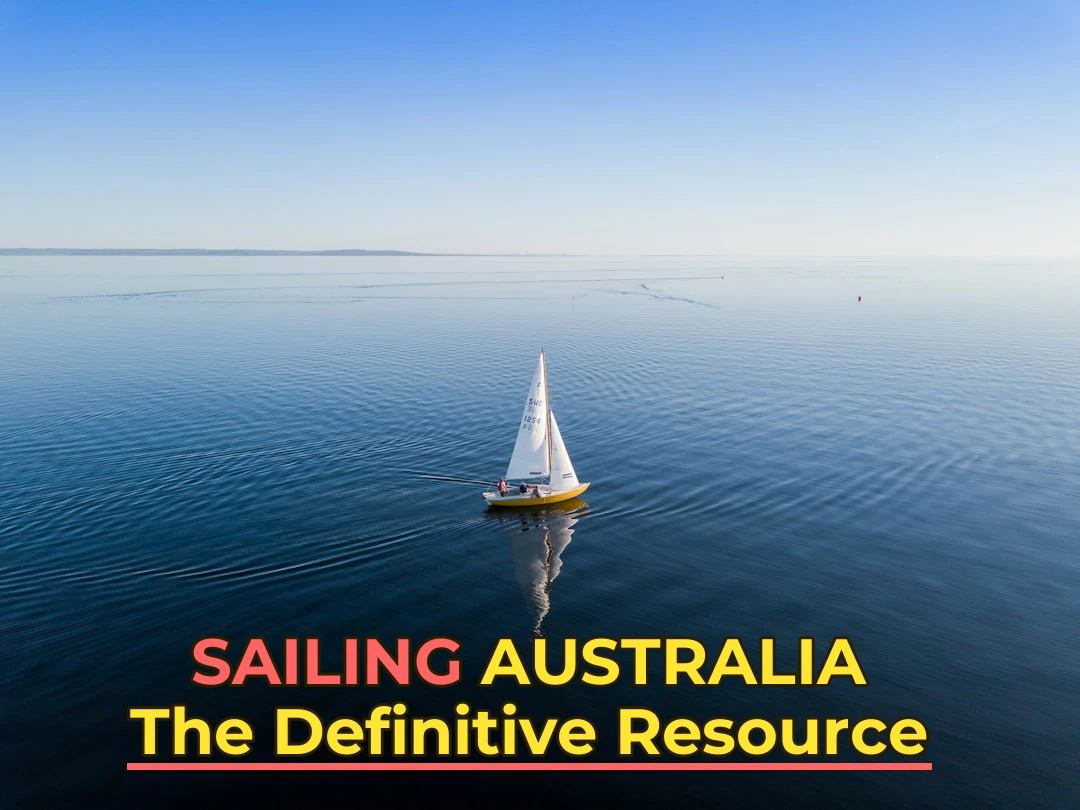
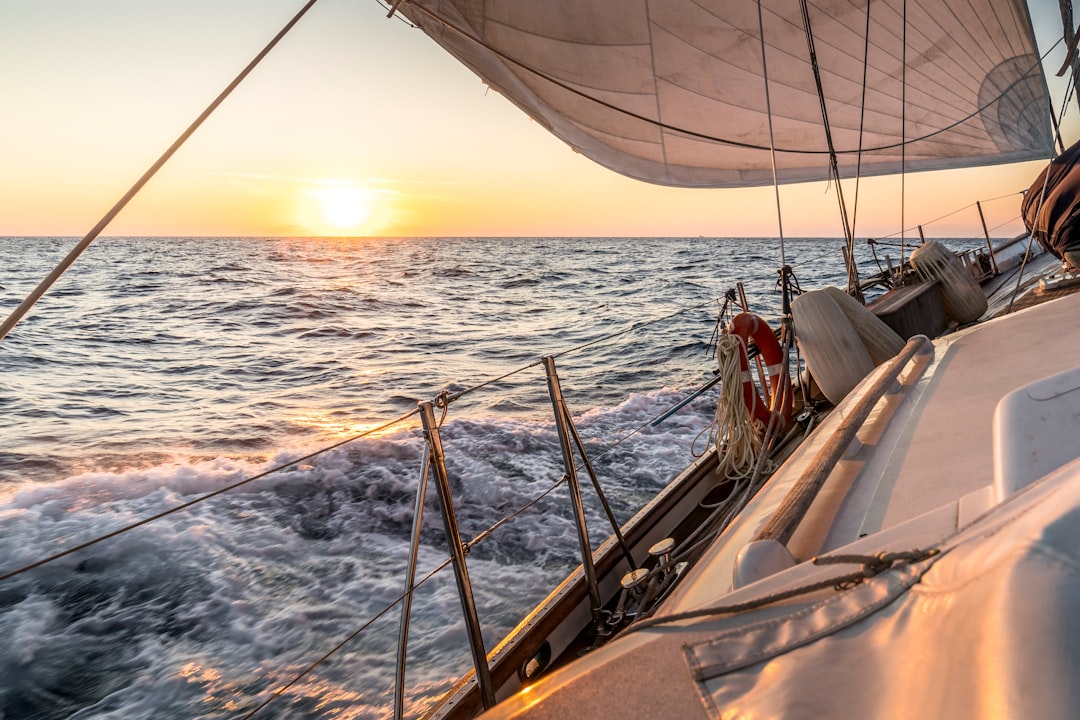
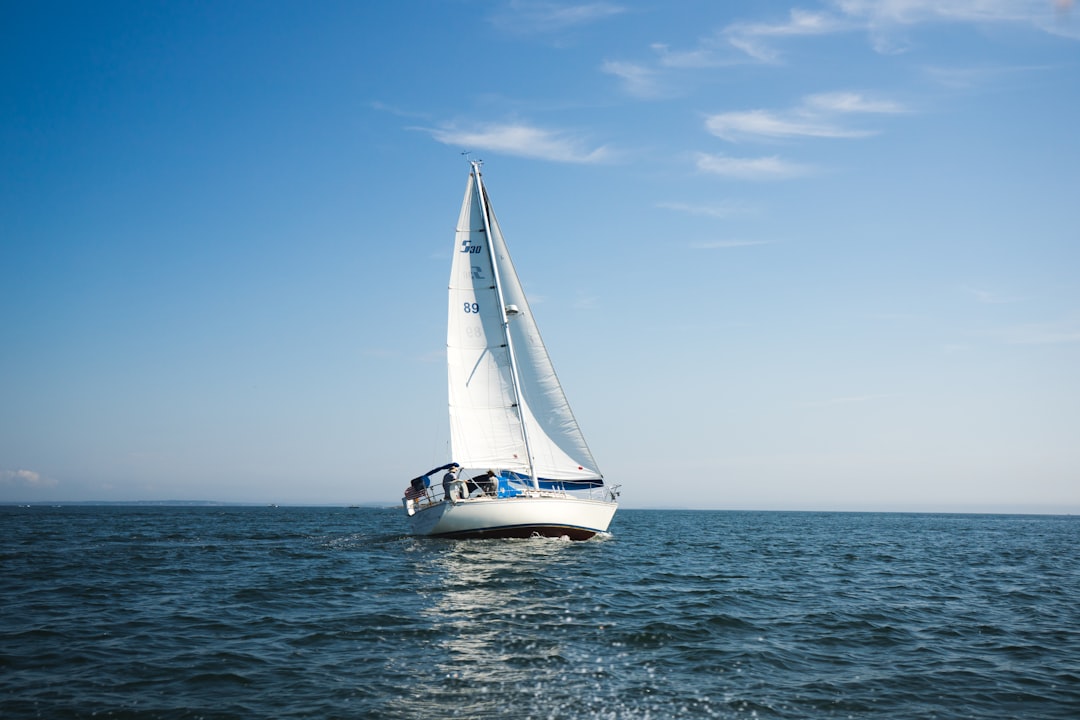
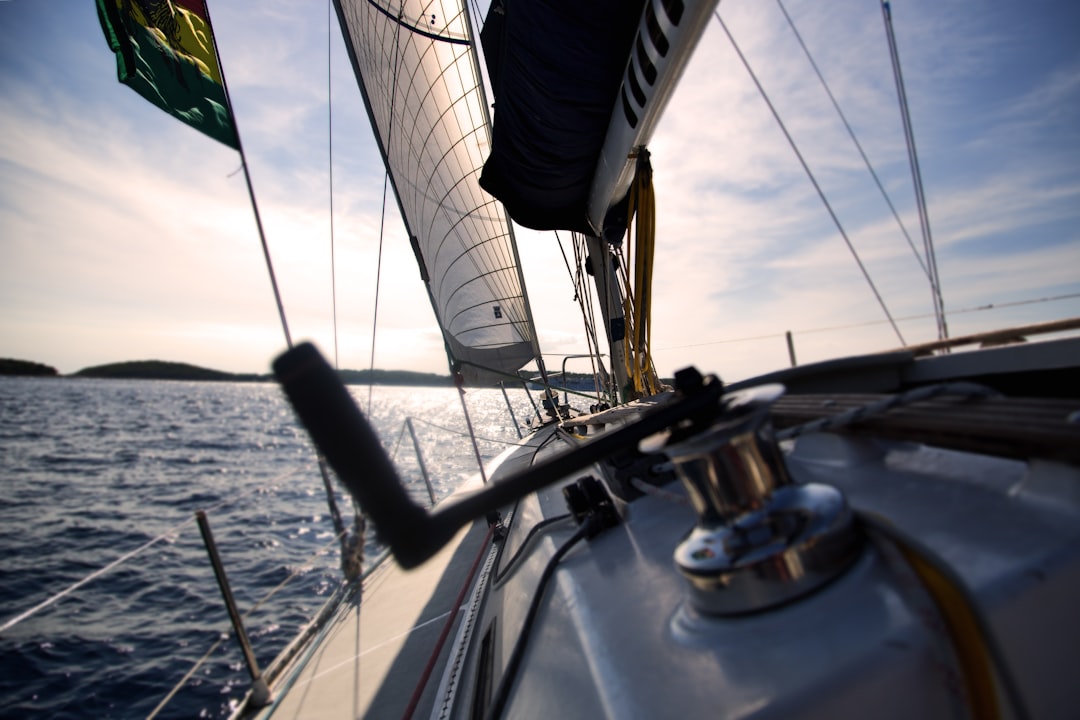
The world dissolves into a haze of indigo and ochre as the first light catches the limestone cliffs of Cape Byron, Australia’s most easterly point. The air here is thick with the scent of salt spray mingling with the resinous sweetness of coastal casuarinas, a perfume unique to this stretch of the Northern Rivers coastline. You feel it before you hear it—a sudden, sharp drop in pressure against your skin as the sea breeze finally breaks over the Heads. The rigging hums a low, taut note, and beneath your feet, the hull of the vessel shivers in response to a current that shifts with the moon’s gravitational pull. This is not merely the backdrop for a holiday; it is an active, breathing participant in your experience. To sail here is to negotiate with the weather, respect the tides, and surrender to a rhythm that has governed these waters for millennia. It is a visceral awakening, far removed from the sterile abstraction of booking an activity online.
The “Sailing” Illusion vs. The Byron Reality
For many visitors, the concept of sailing in Byron Bay conjures images of open-ocean cruising along pristine coastlines. However, the hydrodynamics of the Northern Rivers region present a unique challenge that defies standard sailing assumptions. Here, “sailing” is less about long-distance leisurely cruising and more about navigating a complex interplay of tidal gates, river mouths, and the notorious “Byron Breeze.”
The Hydrodynamic Puzzle
The geography of Byron Bay is defined by the massive basalt headland of Cape Byron, which juts out into the Pacific Ocean. This geological formation creates a specific aerodynamic funneling effect. As the sun heats the mainland, air rises, and cooler ocean air rushes in to fill the void. However, because the bay is partially enclosed by this headland, the wind does not simply blow straight in. It swirls, eddies, and accelerates unpredictably around the point.
Furthermore, the tidal flow through Byron Heads—the narrow channel between the headland and the beach—is one of the strongest in eastern Australia. During a spring tide, water can rush through this gap at speeds exceeding 5 knots. This creates standing waves and whitecaps even on calm days, a phenomenon known locally as “the chop.” For the novice sailor, ignoring these tidal gates is a recipe for anxiety rather than enjoyment.
The Byron Breeze Pattern
Understanding the wind timing is critical. In standard sailing textbooks, sea breezes are often described as building steadily through the morning and peaking in the afternoon. In Byron, the pattern is often more aggressive. The breeze can pick up unexpectedly early, sometimes as soon as 8:00 AM, and gust significantly by mid-morning. This “Byron Breeze” is often stronger than forecasted due to the channeling effect of the headland.
Warning: Do not be lulled by the visual calmness of the water at Tallow Beach or Wategos. The surface can lie, masking the powerful currents and gusts generated by the wind hitting the basalt cliffs. Always consult a local marine forecast that specifies “wind gusts” and “current” separately, not just general visibility.
This reality demands a shift in mindset. You are not just cruising; you are reading the water’s intent. This requires a keen eye for cloud formations, especially those building over Mount Warning (Wollumbin) in the hinterland, which often signal an incoming gust or squall. It is this nuanced interaction with the local environment that separates a superficial visit from a genuine engagement with Byron Bay.
Decoding the Local Lingo & Hidden Hazards
To navigate Byron Bay’s waters with confidence, one must understand the local vernacular and respect the hidden intricacies of the geography. Generic charts often fail to capture the micro-details that local sailors know by heart, such as hidden reefs and shifting sandbars.
Key Landmarks and Hazards
Cape Byron Lighthouse: While the lighthouse itself is a tourist attraction on land, its position dictates sea conditions. The lee side of the headland (the western side) can be deceptive. Wind that feels gentle at the beach may translate into a violent cross-current just 50 meters out.
The Pass: This is the gateway to the bay. It is a busy, crowded channel used by ferries, commercial vessels, and sport fishing boats. The etiquette here is strict: slow down, keep to the right (port side), and be hyper-aware of jet skis that often zoom through the channel at high speeds. Novices often underestimate the wash created by larger vessels entering or exiting, which can rock smaller boats dangerously.
Wategos Beach Anchorages: The calm waters near Wategos are popular for kayaking and snorkelling. However, the coral shelves here are shallow and sensitive. Anchoring without a proper understanding of the depth is prohibited in many zones to protect marine life.
Hidden Reefs and Markers
Many recreational boaters are unaware of the submerged rock formations near the southern end of the bay, close to Tallow Beach. These are not always marked prominently on basic recreational maps. Local sailors refer to these as “the teeth” due to their sharp, unpredictable nature during low tide.
Pro Tip: When approaching the Heads from the south (Tallow side), do not cut across too close to the shore. The current sweeps eastward here, potentially pushing a slow-moving vessel directly into the path of incoming traffic. Always maintain a safe distance from the southern shoreline until you have confirmed your position relative to the navigational buoys.
Surfer Etiquette at The Pass
Sharing waters with surfers is a daily reality in Byron. The “Pass” becomes a hive of activity during big swell days (generally west to north-west swells).
* Respect the Line-up: Do not motor through a line-up of surfers. Wait for them to clear or give a wide berth (at least 50 metres).
* Foam Zone Caution: Never drive into the whitewater (foam) zone unless you are experienced. The turbulence here is chaotic and can capsize smaller boats or cause loss of steering control.
* Communication: If you must pass near a group, use your horn sparingly (one short blast) to announce presence, but avoid aggressive honking which agitates both surfers and marine life.
Understanding these nuances is not just about safety; it is about belonging to the community that uses these waters. It transforms you from an intruder into a respected participant in the coastal ecosystem.
The Charter Ecosystem – Matching Boat to Soul
The market for sailing charters in Byron Bay is vast, ranging from high-end luxury yachts to budget-friendly catamarans. However, a blanket comparison by price is misleading. The true value lies in matching the vessel and operator to your specific intent—whether that be family bonding, solo exploration, or group celebration.
The Family Day Sailer
For families with young children, stability is paramount. Monohull sailboats, while elegant, can heel (tilt) significantly in a breeze, which may terrify small children.
* Recommendation: Opt for a wide-beam catamaran (40ft+). These offer flat sailing, vast deck space for running around, and shallow draft allowing access to secluded coves.
* Key Feature: Look for vessels with a flybridge (upper deck). This provides a shaded area that is out of the direct sun, crucial for Australian summers.
* What to Ask: Does the charter company provide life jackets in all sizes, including for infants? What is their cancellation policy if the wind dies (often leading to motoring)?
The Solo Adventurer
For those seeking a performance-oriented experience, smaller monohulls (30-35ft) are ideal. They require active sail handling, providing a deeper connection to the mechanics of sailing.
* Experience: Expect more physical engagement. You will be trimming sails, adjusting sheets, and learning to balance the boat.
* Access: These boats can often navigate narrower channels, such as those leading to the freshwater lagoons of the Tweed River, offering a unique dual-environment experience (salt and fresh water).
* What to Ask: Is skippered instruction included, or is this a bareboat charter requiring proof of competency?
The Group Celebration
For larger groups (10+ people), the focus shifts to amenity over performance. These are often motor-sailers or large luxury catamarans designed for entertaining.
* Amenities: Look for onboard catering options, wet bars, and ample seating. The sailing aspect is secondary to the social experience.
* Route: These charters typically stick to the calmer inner bay, focusing on views of the lighthouse and Tallow Beach rather than challenging navigation.
* What to Ask: What is the catering policy? Can they arrange for local Byron Bay food suppliers (like The Larder or Byron Smokehouse) to board?
Navigating the “Cheap Day Sail” Trap
A common pitfall found on forums like r/ByronBay involves “cheap day sails” that operate on a hidden fee model.
Important: Be wary of operators advertising extremely low base rates without clear inclusions. The “cheap” sail often excludes fuel, skipper fees, and equipment hire, leading to a final bill that doubles the initial quote. Ethical local charters provide transparent pricing breakdowns upfront, including all taxes and fuel surcharges. Always request a detailed quote in writing before booking to avoid these add-on fee traps.
By aligning your expectations with the right type of vessel, you ensure that your sailing experience in Byron Bay is memorable for the right reasons.
Beyond the Sail – Integrating Byron’s Culture
Sailing in Byron Bay is not an isolated activity; it is the perfect complement to the town’s vibrant cultural offerings. By strategically timing your sailing excursion, you can integrate it seamlessly with other iconic “Byron Bay things to do,” creating a holistic and efficient itinerary.
The Market-Morning Synergy
One of the most rewarding strategies for locals and seasoned visitors is coordinating a morning sail with the Byron Bay Farmers Market.
* The Strategy: Depart on a charter at 6:00 AM. This allows you to catch the morning slack tide and navigate out of the bay before the heavier commercial traffic arrives.
* The Return: Plan to return to the marina by 9:30 AM. This timing is critical because the Byron Bay Farmers Market (located at the Civic Centre) opens its stalls around 9:00 AM, with the best produce arriving early.
* The Benefit: You combine a physically engaging morning activity with the best culinary and artisanal experiences in the region. You can dock, stretch your legs, and immediately transition into browsing for fresh local produce, handmade crafts, and artisan coffee. This synergy turns two separate activities into one seamless, high-value day.
Sunset Anchorages and Cultural Events
As the day winds down, the focus shifts from navigation to observation. The best vantage points for watching the sun dip below the Pacific horizon are not from the town itself, but from the water.
* Tallow Beach View: Anchoring in deeper waters off Tallow Beach (ensuring you are not on the reef) offers an unobstructed view of the sun setting behind Mount Warning. This is a spiritual moment for many, aligning with Byron’s reputation as a centre of mindfulness and wellness.
* Full Moon Parties: On certain weekends, particularly around the full moon, there are informal gatherings on nearby islands like Wardell Island. While not official events, knowing the local calendar can help you anticipate these unique social gatherings, though they require respectful participation.
Holistic Trip Planning
Integrating sailing with other activities maximizes the value of your visit. Consider combining a late-afternoon sail with an evening dinner at The Larder or Bales Restaurant, booking a table with a water view. The context of your day—having just sailed past the very cliffs you now overlook—adds a layer of depth to the dining experience that no restaurant review can convey.
This approach transforms sailing from a mere transaction into a narrative thread that weaves through your entire Byron Bay adventure.
The “Pass” Panic Story: A Lesson in Humility
No discussion of Byron Bay sailing is complete without acknowledging the inevitable challenges. Even experienced sailors face moments of doubt here.
A few years ago, a novice sailor and I took out a small monohull on a seemingly perfect day. The forecast was calm, the sky clear. We felt confident as we approached the Heads to exit the bay. As we passed the lighthouse, the wind hit us not as a breeze, but as a wall. A squall, predicted to be mild by the national weather service, had funneled down from the hinterland with terrifying speed.
The boat heeled over sharply, and the autopilot struggled to keep us on course. For a moment, panic set in—a cold, familiar sensation. We had underestimated the local topography’s influence on micro-weather.
Key Lesson: I immediately engaged the engine and dropped the mainsail, reducing sail area to maintain control. We motored slowly through the Heads, humbled by the ocean’s power. This incident taught me a crucial rule: Always check the specific “Marine Areas” forecast for Northern Rivers, not just the general Byron Bay town forecast. The national models often smooth over local gusts and current interactions, leading to dangerous underestimations.
This story is not meant to frighten, but to humble. It reminds us that Byron Bay demands respect. It is a place where nature holds the ultimate authority, and our role is to listen carefully before we act.
Conclusion: Stewards of the Waters
Sailing in Byron Bay is more than a recreational pursuit; it is an exercise in stewardship. The waters here are fragile, home to dolphins, seabirds, and sensitive coral ecosystems that require our protection. As you sail out from the harbour, remember that you are a guest in this environment.
The true measure of a successful sailing trip is not just the views captured or the wind felt, but the respect shown to the marine life and the local community. By adhering to sustainable practices—such as using environmentally friendly antifouling paints, avoiding anchoring on coral reefs, and disposing of waste properly—we ensure that Byron Bay remains a pristine sanctuary for future generations.
Pre-Departure Checklist for Responsible Sailing
To ensure your trip is both safe and sustainable, use this final checklist:
1. Check the Marine Forecast: Verify specific wind gusts and current speeds for Byron Heads, not just general conditions.
2. Inspect Safety Gear: Ensure life jackets fit all passengers, including children, and that VHF radio is charged and tested.
3. Respect Marine Zones: Familiarize yourself with no-anchor zones, especially near coral shelves and seagrass beds. Use mooring buoys where available.
4. Waste Management: Pack out all trash, including fishing line and plastic wrappers. Never dispose of waste overboard.
5. Local Knowledge: Consult with local charter operators about current wildlife sightings (e.g., humpback whales in winter) and adjust your route to avoid disturbance.
By embracing these principles, you contribute to the longevity of this beautiful coastal ecosystem. So, raise your sails, feel the wind on your face, and sail responsibly through the heart of Byron Bay.
Safety Note: Always ensure your vessel is equipped with a valid VHF radio and that you know how to use it. In case of emergency, channel 16 is the international distress and calling frequency. Familiarize yourself with local rescue protocols before heading out.
Pro Tip: Carry a physical paper map as a backup. Mobile signal can be unreliable around Cape Byron and the Heads, especially in bad weather. A paper chart will never run out of battery.
Frequently Asked Questions
What makes sailing in Byron Bay different from standard coastal cruising?
Sailing in Byron Bay is defined by unique hydrodynamic challenges rather than simple leisurely cruising. The massive basalt headland of Cape Byron creates an aerodynamic funneling effect, causing wind to swirl and accelerate unpredictably around the point. Additionally, the tidal flow through Byron Heads is one of the strongest in eastern Australia, with spring tides exceeding 5 knots. This generates standing waves and whitecaps known locally as ‘the chop,’ even on calm days. Novice sailors must respect these tidal gates and the notorious ‘Byron Breeze,’ which often picks up early by 8:00 AM and gusts significantly, requiring a mindset shift from passive cruising to active navigation of complex currents.
How do I choose the right charter vessel for my group size and experience?
Selecting a vessel depends on your specific needs. For families with young children, opt for a wide-beam catamaran (40ft+) which offers stability, shallow draft for secluded coves, and a flybridge for shade. Solo adventurers seeking performance should choose smaller monohulls (30-35ft) that allow for active sail handling and access to freshwater lagoons like the Tweed River. For groups of 10+ people, focus on luxury catamarans or motor-sailers with amenities like wet bars and onboard catering. Crucially, avoid ‘cheap day sails’ that hide fees; ethical operators provide transparent pricing including fuel and skipper costs upfront in writing to prevent final bills from doubling the initial quote.
What is the best time to sail in Byron Bay to avoid hazards?
Timing your departure is critical for safety and enjoyment. The ‘Byron Breeze’ often begins as early as 8:00 AM and can gust significantly by mid-morning, creating dangerous conditions if underestimated. To navigate safely, depart on a charter at 6:00 AM to catch the morning slack tide before heavier commercial traffic and stronger winds arrive. This strategy allows you to return to the marina by 9:30 AM, perfectly syncing with the opening of the Byron Bay Farmers Market at the Civic Centre. Always consult a local marine forecast specifying ‘wind gusts’ and ‘current’ separately, as general visibility can be deceptive.
What are the specific hidden hazards and etiquette rules for navigating The Pass?
The Pass is a busy channel with strict etiquette: slow down, keep to the right (port side), and remain hyper-aware of jet skis. Novices often underestimate the wash from larger vessels, which can rock smaller boats dangerously. Hidden hazards include submerged rock formations near Tallow Beach, locally called ‘the teeth,’ which are sharp and unpredictable at low tide. When approaching from the south, do not cut close to shore as eastward currents can push vessels into traffic. Additionally, respect surfers by giving a wide berth of at least 50 metres and never driving into the whitewater foam zone unless experienced, as turbulence can cause loss of steering control.

Be the First to Comment
Sign in to start the conversation.