
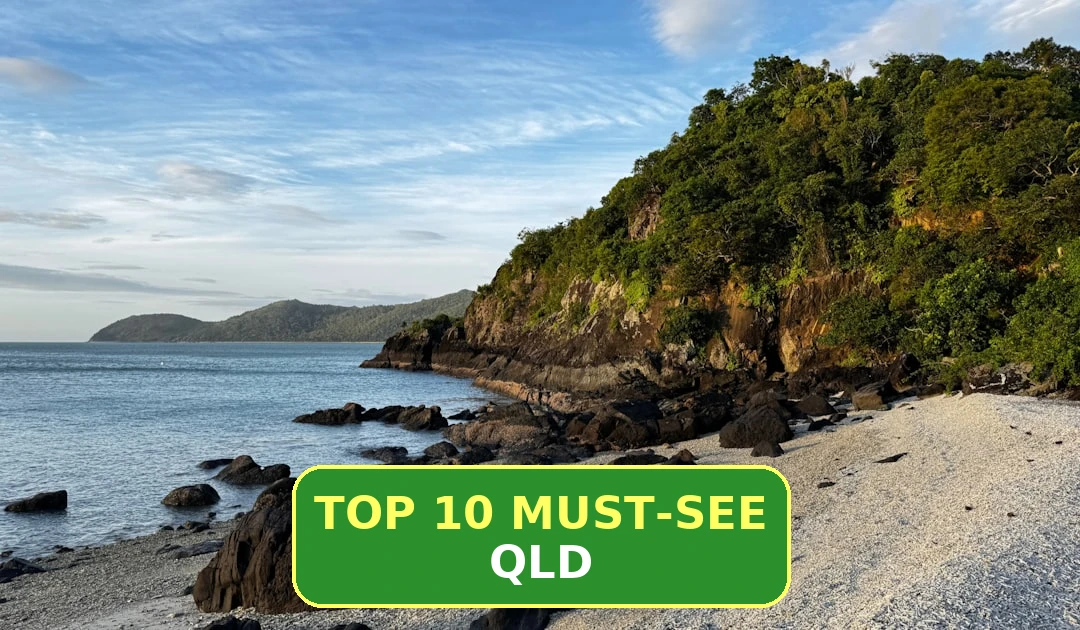

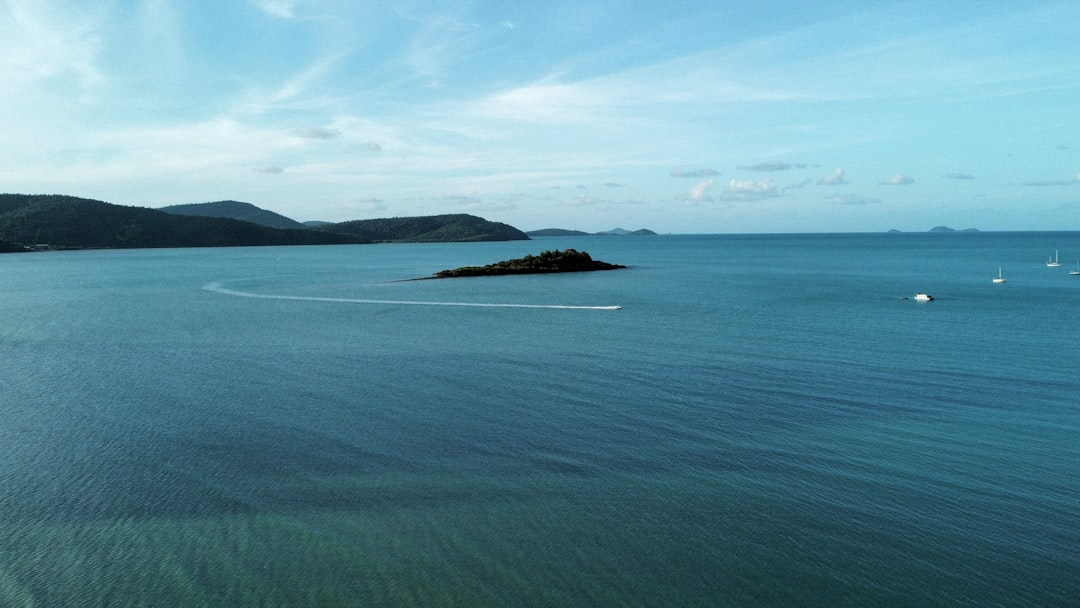
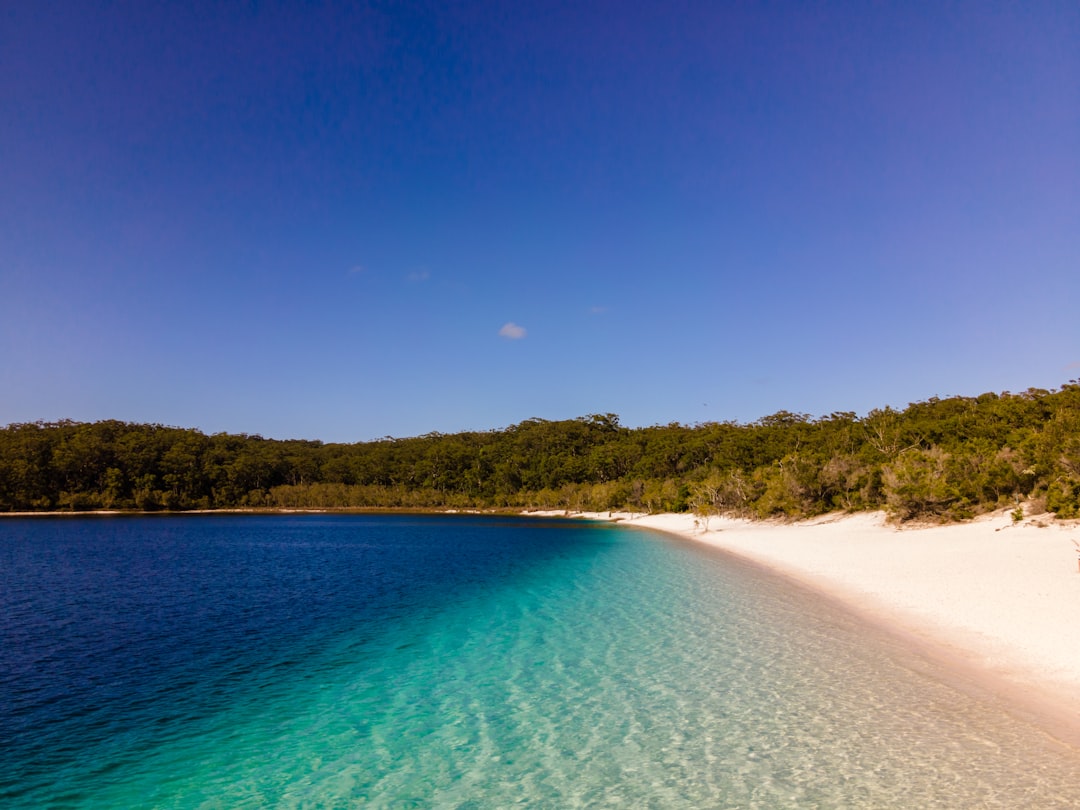
The cool morning mist kisses your face as you dip your paddle into the glassy waters, creating ripples that expand toward mangrove-lined shores. The air carries the scent of salt and damp earth, punctuated by the distant cry of a seabird. Your kayak glides silently through this Queensland paradise, parting waters that have welcomed paddlers for thousands of years. This isn’t just kayaking—it’s communion with one of Earth’s most magnificent aquatic playgrounds, where the Great Barrier Reef meets ancient waterways teeming with life.
Liquid Highways: Queensland’s Kayaking Canvas
Queensland’s diverse landscapes offer kayaking experiences as varied as they are spectacular. From the serene mangrove tunnels of the Noosa Everglades to the dramatic coastal cliffs of the Whitsundays, each location presents a unique aquatic adventure. The state’s extensive waterways provide access to pristine wilderness areas, stunning coastal vistas, and vibrant marine ecosystems—all within reach of a paddle.
The North: Tropical Paradise Beckons
Far North Queensland offers some of Australia’s most spectacular kayaking destinations, where the rainforest meets the reef. The Daintree River provides a magical paddling experience through ancient mangrove forests, home to saltwater crocodiles and an incredible variety of birdlife. For those seeking ocean adventures, the islands around Cairns and Port Douglas offer protected bays perfect for beginners and more challenging routes for experienced paddlers.
“The best time to paddle in the tropics is early morning when the water is calmest and wildlife is most active. You’ll see things others miss—like the way sunlight filters through mangrove canopies or the playful dance of dolphins just beyond the breakers.”
The South East: Coastal Charm and Waterway Wonders
Southeast Queensland combines beautiful coastal scenery with accessible waterways perfect for all skill levels. The Gold Coast’s Broadwater offers protected paddling with stunning skyline views, while Moreton Island’s turquoise waters and shipwrecks create an underwater wonderland accessible only by boat. Brisbane’s river system provides urban paddling with a twist—city views combined with surprising pockets of wilderness.
The Central Coast: Gateway to the Great Barrier Reef
The central region truly represents the quintessential Queensland kayaking experience, with easy access to both the mainland reef and spectacular island chains. Airlie Beach serves as the perfect launch point for exploring the Whitsunday Islands, where you can paddle from island to island, camping on secluded beaches and snorkeling in crystal-clear waters.
Whispers from the Water: Local Wisdom for Kayaking Adventures
Queensland locals know these waters intimately, and their tips can transform a good paddling day into an unforgettable adventure.
- Ask about hidden waterfalls accessible only by kayak—many are seasonal treasures
- Local operators often know the best camping spots not marked on maps
- Some of the best wildlife viewing happens at dawn and dusk
- Many traditional owners welcome respectful visitors—always seek permission before entering certain waters
Secrets from the Shore
Long-time residents share their insider knowledge freely once you strike up a conversation. In Mission Beach, they’ll tell you about a hidden lagoon accessible only through narrow mangrove channels at high tide. In Cairns, they might mention the best spot to see turtles while avoiding the tourist crowds. These local tips often lead to unexpected discoveries that guidebooks simply can’t match.
The Dance of Tides: When and Where to Paddle
Understanding Queensland’s seasonal patterns is crucial for planning the perfect kayaking adventure. The dry season, typically from May to October, offers the most reliable conditions with warm days and minimal rainfall. This period is ideal for multi-day expeditions and coastal paddling.
Seasonal Highlights
- Winter (June-August): Perfect conditions for longer trips with comfortable temperatures and calm seas. Whale migration season offers spectacular viewing opportunities.
- Spring (September-November): Wildlife abounds as many species breed and nest. Water temperatures begin to rise, making extended snorkeling sessions more enjoyable.
- Summer (December-February): The wet season brings dramatic thunderstorms and higher water levels, transforming some waterways. Best for experienced paddlers familiar with changing conditions.
- Autumn (March-May): A sweet spot with warm water, decreasing humidity, and fewer crowds. Many species are still active as the transition to dry season begins.
Paddle Ready: Your Queensland Kayaking Toolkit
Preparing for a Queensland kayaking adventure requires careful consideration of equipment, safety, and environmental responsibility.
Essential Gear
While Queensland’s waterways are accessible to beginners, proper equipment makes all the difference. A personal flotation device (PFD) is non-negotiable, along with sunscreen, a hat, and plenty of water. For multi-day trips, consider a dry bag for valuables and camping gear. Many operators offer rentals, but bringing your own paddle and hydration system can significantly enhance comfort.
Sustainable Paddling Practices
As visitors to these pristine environments, kayakers have a responsibility to minimize their impact. The Leave No Trace principles apply strongly here—pack out everything you bring in, avoid disturbing wildlife, and stick to marked trails where they exist. When snorkeling, use reef-safe sunscreen and never touch or stand on coral formations.
Planning Your Adventure
For beginners, guided tours offer the safest introduction to Queensland’s waterways. Operators like Reef Kayaking or Paddle Queensland provide equipment, safety briefings, and local knowledge. For experienced paddlers, detailed route planning and weather checking are essential before setting out. Many waterways require permits for camping—check with Queensland Parks and Wildlife Service well in advance.
Key Takeaways
- Queensland offers diverse kayaking experiences for all skill levels, from serene mangrove rivers to open-ocean adventures
- The dry season (May-October) provides the most reliable conditions for paddling
- Local knowledge can unlock hidden gems and enhance your experience
- Safety preparation is essential, with particular attention to tides, marine stingers, and weather conditions
- Sustainable practices help preserve these waterways for future generations
Whether you’re gliding silently through ancient mangrove tunnels or paddling alongside humpback whales, Queensland’s waterways offer an intimate connection with nature few other experiences can match. Each stroke of the paddle reveals new wonders, from hidden coves to spectacular marine life, creating memories that will last long after you’ve left these magical waters behind.
Frequently Asked Questions
What are the best kayaking locations in North Queensland?
North Queensland offers spectacular kayaking destinations where the rainforest meets the reef. The Daintree River provides a magical paddling experience through ancient mangrove forests, home to saltwater crocodiles and diverse birdlife. Around Cairns and Port Douglas, the islands offer protected bays perfect for beginners and more challenging routes for experienced paddlers. The best time to paddle in the tropics is early morning when the water is calmest and wildlife is most active.
How do seasonal conditions affect kayaking in Queensland?
Queensland’s kayaking conditions vary significantly by season. The dry season (May-October) offers reliable conditions with warm days and minimal rainfall, ideal for multi-day expeditions. Winter (June-August) provides perfect conditions for longer trips with comfortable temperatures and calm seas, plus whale migration viewing. Spring (September-November) features abundant wildlife and rising water temperatures. Summer (December-February) is the wet season with dramatic thunderstorms and higher water levels, best for experienced paddlers familiar with changing conditions.
What safety precautions should kayakers take in Queensland waters?
Safety preparation is essential for Queensland kayaking. Always wear a personal flotation device (PFD), sunscreen, a hat, and carry plenty of water. Check tidal charts religiously, especially in areas like the Whitsundays where tidal ranges can exceed 3 meters. During warmer months (November to May), Queensland’s tropical waters have marine stingers (box jellyfish), so always wear protective stinger clothing or swim in netted enclosures. Never underestimate ocean currents, as even strong swimmers can be caught in unexpected riptides.
What is the cost and preparation needed for kayaking in Queensland?
For beginners, guided tours with operators like Reef Kayaking or Paddle Queensland offer equipment, safety briefings, and local knowledge, though costs vary by tour length and location. Essential gear includes a personal flotation device (non-negotiable), sunscreen, hat, water, and for multi-day trips, a dry bag for valuables. Many operators offer rentals, but bringing your own paddle and hydration system enhances comfort. Permits are required for camping in many waterways, so check with Queensland Parks and Wildlife Service well in advance. Reef-safe sunscreen is recommended for snorkeling to protect coral formations.


Be the First to Comment
Sign in to start the conversation.