



Walking the Edge of Time: The Definitive Guide to Great Ocean Road Nature Walks (2026)
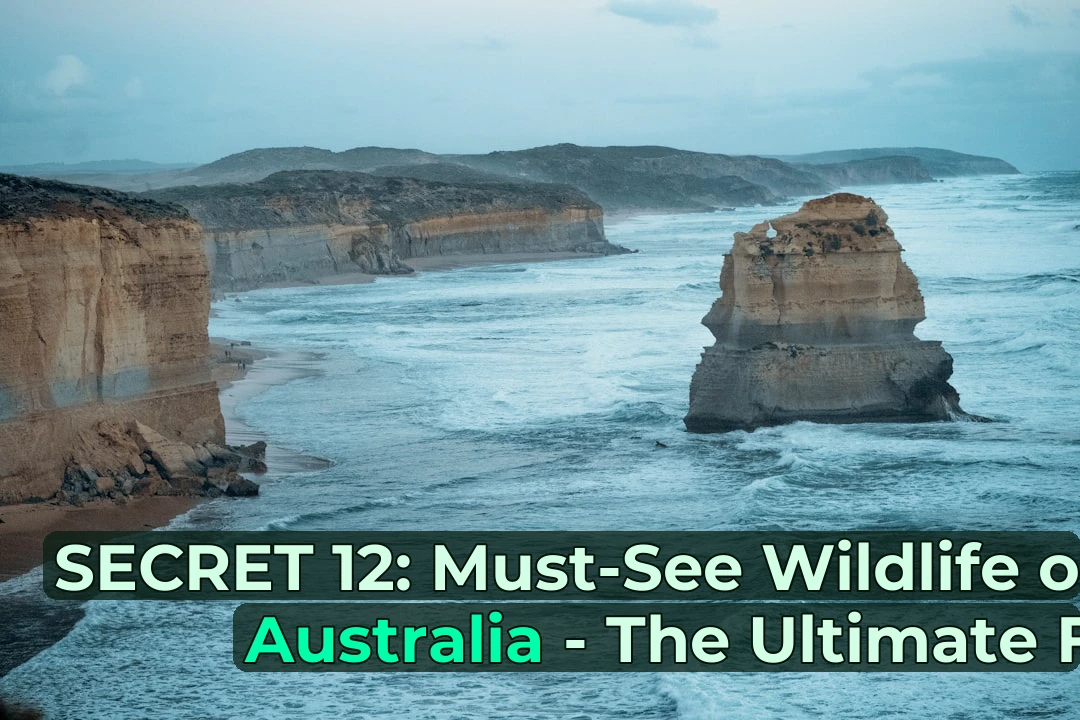
The car winds around the final bend and suddenly, the world opens up into a stark, magnificent theatre of stone. Standing on the basalt cliffs near Loch Ard Gorge at dawn, you are hit immediately by the visceral texture of the air—a biting salt spray from the Southern Ocean clashing with the dry, resinous scent of eucalyptus drifting up from the coastal scrub. Below you, the ocean churns against ancient limestone stacks, their white forms ghostly and fading into a thick morning mist. It is here, at the edge of the continent where the land surrenders to the sea, that the Great Ocean Road reveals its true nature. This is not merely a scenic drive; it is one of the world’s most dramatic geological formations, a place where hiking offers more than exercise—it offers perspective. As you stand here, the distant white shapes of the Twelve Apostles emerge from the fog like sentinels guarding the coast, reminding you that you are walking through deep time.
The Cartography of Choice: Mapping Your Adventure
For decades, the Great Ocean Road was synonymous with the car window view. However, for the modern nature enthusiast in 2026, the true gold lies on foot. The region is not a monolith; it is a complex tapestry of rugged headlands, hidden gullies, and ancient rainforests. To navigate this effectively, we must move beyond a linear list of walks and categorize them by landscape type and accessibility.
The Skill-to-Scenery Matrix
Selecting the right trail requires matching your fitness level with the terrain. The Great Ocean Road region offers a gradient of difficulty that caters to everyone from a casual stroller with a pram to an experienced rucksacker seeking solitude.
- The Family-Friendly Gullies (Apollo Bay to Lorne): Sheltered, moss-draped rainforest trails with minimal elevation gain. Ideal for toddlers and casual walkers.
- The Coastal Headlands (Torquay to Lorne): Moderate elevation, exposed coastal views, and uneven footing. Best for fit beginners.
- The Rugged Isolation (Bells Beach to Cape Otway): Steep descents, rugged limestone cliffs, and longer distances. Reserved for experienced hikers.
If you are looking for the “classic” experience, your route will likely take you westward from Torquay. However, to truly understand the diversity of the region, you must look inland as well.
The Geology of Time: Understanding the Landscape
You cannot understand these trails without understanding the rocks beneath your feet. The Great Ocean Road is carved into limestone, a sedimentary rock formed from the compressed remains of ancient marine organisms. This specific geology is what makes the landscape so dynamic—and occasionally dangerous.
Safety Note: The Dynamic Coast
A Personal Encounter with Erosion
I remember a visit to the trail near Port Campbell just two years ago. The path was rerouted abruptly, leading us away from the ocean’s edge and through a dense patch of scrub. A sign simply read: “Trail Closed – Active Landslip.” It was a stark reminder that this landscape is alive. We ended up walking a higher ridge trail instead—a detour that, while initially frustrating, offered us panoramic views of the Twelve Apostles without the crowds.
“The Great Ocean Road is a lesson in humility. You are walking on ground that is literally disappearing. The key to hiking here is flexibility; the map of today may not be the map of tomorrow.”
— Park Ranger, Parks Victoria
The Great Ocean Road Walks: A Tiered Guide
With the geological context established, let us explore specific nature walks. These are categorised by region and intensity.
Torquay to Lorne (The Great Ocean Walk Section)
This is the most popular section of the walk, but it is also the most rewarding for its variety. The 42-kilometre stretch from Torquay to Lorne is part of the longer Great Ocean Walk, but you can do shorter segments.
- Bells Beach to Jan Juc Heads: A 12km return hike. Steep elevation at the start, but rewards you with views of the famous surf beach and rugged headlands.
- Lake Pendlebury: A 3km return track through dry sclerophyll forest. Home to the famous “Lake’s Ghost” (a rusted boat) and offers a chance to spot koalas in the eucalypts.
The Apollo Bay Forest Canopy
As you drive west from Apollo Bay, the atmosphere shifts. The harsh, open ocean air gives way to the humid, moss-draped serenity of the Otway Rainforest. This is where you enter a different ecosystem.
Pro Tip: The Hidden Gorge
The Surprise of Sandpaper Falls
Further inland, near Beechworth (accessible via the Great Ocean Road through the Otway Ranges), lies a geological oddity: Sandpaper Falls. Discovered by accident during a trip to the Colac area, this spot is unique for its quartz-rich rocks.
The water here flows over sandstone, which has eroded into a rough, abrasive surface. This creates a natural “sandpaper” effect on the surrounding stones, smoothing them over millennia. The hike to reach the falls involves traversing uneven terrain, but the reward is a secluded, glassy pool surrounded by jagged rock formations. It is a reminder that the best nature walks often require venturing off the main tourist artery.
The Twelve Apostles & Loch Ard Gorge
No guide is complete without the iconic Twelve Apostles. While you cannot hike *on* the apostles themselves, the coastal trails offer spectacular views.
- The Loch Ard Gorge Circuit: A moderate 2km loop. Be prepared for steep stairs—there is no avoiding the elevation drop to the beach.
- The Apostles Visitor Centre to Cliff Tops: A flat, accessible 1km path that offers the best vantage points for photography without the physical exertion of the cliff-edge hikes.
Quick Fact: The Name
Did you know? The name “Twelve Apostles” was coined in the 1930s by a local newspaper editor. At the time, only eight stacks existed. One stack collapsed in 1990, and another (Giant’s Chair) partially collapsed in 2005. There are now only six standing, yet the name remains.
The Human Element: Actionable Advice for 2026
Navigating the Great Ocean Road requires more than just a map. It demands an understanding of timing, logistics, and local regulations.
Timing Your Visit
The “Golden Hour” for photography is widely known, but what about the wildlife? For birdwatchers and nature lovers, early morning (6:00 AM – 9:00 AM) is prime time. This is when the coastal birds are most active, and the crowds have not yet arrived.
Furthermore, consider the season. Winter (June-August) on the Great Ocean Road brings rough seas and higher chances of rain, which can lead to trail closures. However, it also offers the most dramatic moody skies and fewer tourists. Spring (September-November) is ideal for wildflowers, particularly along the inland trails.
Gear Requirements
The weather on the Great Ocean Road can change in minutes. “Four seasons in one day” is not a cliché here; it is a fact.
- Waterproofs: A high-quality rain jacket is non-negotiable. Windproofing is equally important.
- Sturdy Footwear: The limestone paths are slippery when wet. Trail shoes with aggressive grip are recommended over sandals.
- Sun Protection: Even on cloudy days, UV levels can be extreme due to ozone depletion. Hat and sunscreen are essential.
- Navigation: Mobile reception is spotty in the Otway Ranges. Carry a physical map or offline GPS.
Navigating Transport & Access
If you do not have a car, public transport on the Great Ocean Road is limited but improving. The “Big Walker” shuttle service operates seasonally, picking up hikers and dropping them at trailheads. For longer distances, the regional bus network connects major towns like Lorne and Apollo Bay.
Pro Tip: Booking in Advance
The Closure Reality Check
In 2026, climate change is visibly impacting the Great Ocean Road. More frequent heavy rainfall events have led to increased landslips and coastal erosion. This means that some trails may be closed without prior notice.
How to Stay Informed:
- Parks Victoria Website: Check the “Alerts” section before every hike.
- Local Visitor Centres: In Torquay, Lorne, or Port Campbell, staff have the most up-to-date information on road and trail conditions.
- Social Media: Follow local hiking groups on Facebook for real-time reports from other hikers.
Flexibility is your greatest asset. If a trail is closed, look for the alternative routes marked on the map. Often, these detours offer even better views and fewer people.
The Local’s Note: Hidden Gems
I asked long-time residents and park rangers for their “secret” spots—places off the beaten path that offer the same grandeur without the crowds.
“Everyone goes to the Twelve Apostles. But if you drive further west to Port Campbell, walk along the shore path to Gibson Steps during low tide. You can walk right up to the base of the stacks. It’s quieter, the light is better in the late afternoon, and you can see the marine life up close.”
— Sarah, Local Hiking Guide
Mackenzie’s Cave: A lesser-known cave system near Lorne, accessible via a steep but short track. It offers a cool respite from the sun and unique geological formations.
The Otway Fly Treetop Walking Way: For a different perspective, walk among the canopy of giant trees. It is an elevated boardwalk that allows you to see the rainforest from above, offering a bird’s-eye view of the ecosystem.
Conclusion: Walking with Purpose
The Great Ocean Road is more than a tourist attraction; it is a living, breathing entity that demands respect and stewardship. As you lace up your boots and step onto these ancient limestone paths, remember that you are a guest in this landscape. The goal of nature walking is not just to see, but to connect—to feel the salt spray, hear the wind in the eucalypts, and witness the slow, relentless power of erosion.
Your Next Step:
- Check the Parks Victoria website for real-time trail conditions before you pack.
- Pack out what you pack in. Leave no trace.
- Support local businesses by eating and staying within the region.
The Great Ocean Road will be here for generations to come, but only if we walk it with care. So go ahead—step off the car, step onto the trail, and let the landscape speak to you.
Key Takeaways
- Variety: The Great Ocean Road offers walks from family-friendly rainforest trails to rugged coastal headlands.
- Safety: Limestone cliffs are unstable. Always heed closure signs and avoid fenced-off areas.
- Timing: Early morning offers the best wildlife viewing and fewer crowds.
- Gear: Waterproofs and sturdy footwear are essential due to unpredictable weather.
- Flexibility: Trails may close due to weather; have alternative routes in mind.


Be the First to Comment
Sign in to start the conversation.