
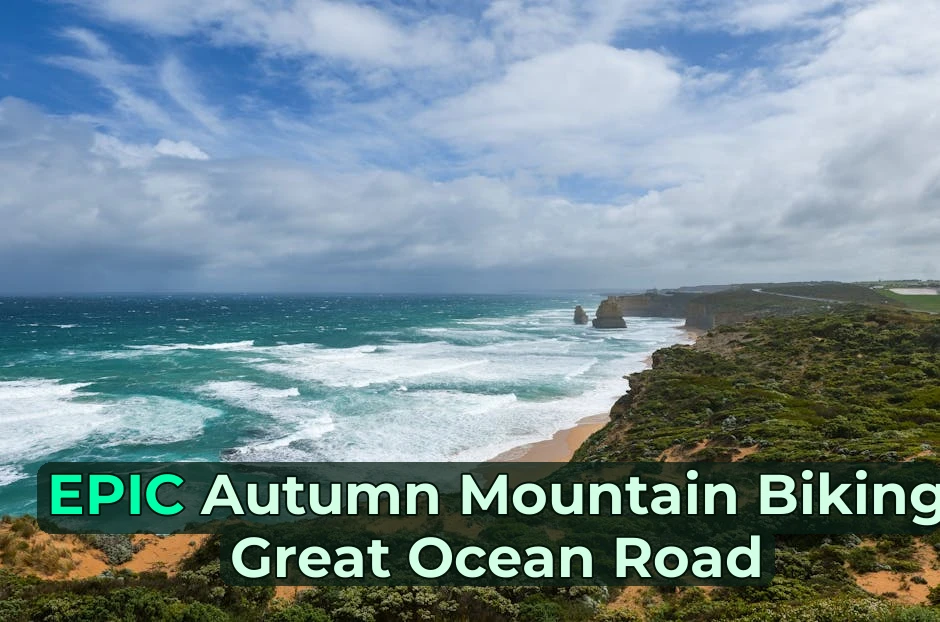
What does it feel like to be completely alone on a mountain pass, with the roar of the Southern Ocean below and only your own breathing to keep time? It’s a visceral, slightly terrifying question that strips away the romanticised version of cycling often sold on postcards. While Instagram feeds show endless golden-hour sunsets, the reality of tackling the Great Ocean Road requires more than just a helmet and optimism; it demands respect for wind shear, steep gradients, and the unpredictable coastal weather of Western Victoria. This isn’t just a scenic drive for your new bicycle; it’s a physical challenge that rewards preparation with some of the most stunning landscapes on Earth.
The “Reverse” Revelation: Riding Against the Grain (Literally)
Most first-timers make the classic mistake of starting in Lorne and riding east towards Apollo Bay. While this follows the standard tourist flow, it fights the prevailing westerly winds that whip off the Southern Ocean for most of the year. Instead, argue for the counter-intuitive approach: start in Apollo Bay and ride west towards Port Campbell.
By reversing the direction, you change the entire dynamic of your trip. You ride *with* the wind for the majority of your journey, saving the toughest climbs—like the punishing descent into Otway National Park—for when your muscles are warmed up and your confidence is high.
The Timing Reality Check
There’s a massive difference between seeing the 12 Apostles at 6 AM versus noon.
* The Dream: You arrive as the light hits the limestone stacks, the crowds are thin, and you have the coastline almost to yourself.
* The Nightmare: You arrive mid-morning, only to be stuck in a traffic jam of tour buses and distracted pedestrians fighting for a spot at the main viewing platform.
Starting early in Apollo Bay allows you to reach these iconic sights when they are most photogenic and least crowded. It turns a stressful logistical hurdle into a serene experience, giving you the space to actually enjoy the ride rather than just navigating through it.
The Gear That Actually Matters: Surviving the Squall
You might be tempted to buy the lightest carbon frame, but on the Great Ocean Road, your choice of clothing will save you far more than your bike’s weight class. A few years ago, I completely underestimated the coastal weather near Cape Otway.
One minute, I was admiring the lighthouse; the next, a sudden squall swept in from the ocean with zero warning. Within ten minutes, I was shivering violently, my cotton t-shirt soaked through, and facing a very real risk of hypothermia. I spent the next hour pushing my bike through salt-spray mud, learning a hard-earned lesson that I now share with every rider I meet.
Layers trump waterproofs. A single heavy waterproof jacket often traps sweat, making you colder in the long run. Instead, focus on technical gear that manages moisture:
* Gilets and Arm Warmers: These allow you to vent heat on climbs while keeping your core warm.
* Buff or Neck Gaiter: Essential for blocking wind when the spray hits your face.
* Shoe Covers: Cheap, effective, and vital when you’re riding through puddles that feel like ice baths.
* Waterproof Panniers: Your sleeping bag and spare clothes must stay dry, regardless of your own comfort.
> Safety Note: Coastal weather on the Great Ocean Road changes in minutes, not hours. Always check the Bureau of Meteorology forecasts for coastal areas specifically, not just general regional predictions. Wind speeds can double instantly near headlands like Apollo Point.
The “Local’s Secret” Stops: Eating and Resting Like a Pro
Skip the crowded cafes in Lorne with the 45-minute wait times. The real value of this trip lies in the hidden gems that locals guard fiercely. These spots offer better food, quicker service, and often a more authentic connection to the region.
1. The Hidden Cafe in Aireys Inlet
Tucked away on a side street, this small spot serves the best sourdough toast in the region. It’s quiet, affordable, and staffed by people who have lived here for decades and know the best riding conditions of the day.
2. The Erskine Falls Lookout (The Unmarked One)
While most tourists flock to the main township, there’s a specific lookout near Erskine Falls that isn’t on most standard maps. It offers a stunning view of the canyon without the crowds, perfect for a quick stretch and photo op.
3. The Coffee Shop Epiphany
I once stopped at “The Grotto” (a well-known but lesser-seen stop near Lorne) and struck up a conversation with a long-time resident. She handed me a map marked with the “secret track” behind Lorne that bypasses the main road’s traffic entirely. It’s quieter, more scenic, and runs along the edge of protected bushland. Always ask locals where they ride; their knowledge is worth more than any GPS route.
> Pro Tip: Reliable Wi-Fi can be scarce on remote stretches of the coast. Before you leave town, download offline maps for your navigation app. Also, identify where you can charge your phone and GPS device—many small cafes offer outlets if you buy a drink, but it’s never guaranteed.
Logistics Without the Stress: Making It Work
Planning a multi-day cycling trip requires more than just choosing a route; it demands smart logistics regarding transport and daily mileage.
Bike Transport: Train vs. Car
* Train: V/Line trains running from Melbourne to Apollo Bay allow bikes (folded or disassembled) for a small fee. It’s eco-friendly and stress-free, dropping you directly at your starting point.
* Car: If you have a vehicle, it offers flexibility but requires roof racks or a trailer. Ensure your bike is secured properly, as the coastal winds can be strong enough to rattle loose fixtures.
Daily Mileage and Elevation
Don’t judge your day by distance alone; judge it by elevation gain. A 50km ride with 800m of climbing is significantly harder than a flat 70km stretch.
| Day | Route | Distance (Approx) | Elevation Gain | Key Challenge |
| :— | :— | :— | :— | :— |
| Day 1 | Apollo Bay to Lorne | 35 km | 400m | Headwinds near Anglesea |
| Day 2 | Lorne to Aireys Inlet | 25 km | 300m | Steep climbs out of valleys |
| Day 3 | Aireys Inlet to Port Campbell | 60 km | 900m | Wind exposure, remote stretches |
Wildlife and Road Sharing
Warning: Kangaroos and wallabies are most active at dawn and dusk. If you plan to ride early or late, slow down significantly on unlit stretches. Additionally, share the road respectfully with heavy trucks. The Great Ocean Road is a vital transport link; give them space, stay visible, and never assume they can stop quickly.
Mechanical Mishap: Embracing the Uncertainty
You will get a flat. It’s not a matter of *if*, but *when*. A few years back, I suffered a pinch flat on a remote stretch near Anglesea with zero cell service.
Panic set in until I remembered my multi-tool and the tubeless repair kit I’d packed “just in case.” It took 45 minutes of sweaty, frustrating work, but fixing it myself gave me a sense of independence that no resort concierge could provide. Carry a spare tube, a tire lever, and a small patch kit. Learn basic mechanics before you go. Knowing how to fix your own bike in the middle of nowhere is a skill that will boost your confidence more than any gear purchase.
> Expert Tip: If you’re new to tubeless setups, practice converting your wheels before the trip. A sealant failure in a remote area can turn a 5-minute fix into an hour-long struggle if you’re unprepared.
Final Thoughts: The Road Changes You
Are you planning to conquer the Great Ocean Road, or are you ready to let it change how you see Australia?
This route isn’t just about checking boxes or beating personal records. It’s about embracing the uncertainty of the weather, the kindness of strangers in hidden cafes, and the raw power of the ocean. Leave space in your itinerary for spontaneous detours. Get lost on a side road if you must, because the best stories often come from those unexpected moments of being slightly off-script.
Respect the wind, pack for the worst, and ride with an open mind. The mountains will roar, but if you listen closely, they’ll also teach you how to ride.
Frequently Asked Questions
What is the recommended direction for riding the Great Ocean Road?
You should ride west from Apollo Bay to Port Campbell, rather than the standard eastward direction. This ‘reverse’ approach allows you to ride with the prevailing westerly winds off the Southern Ocean for most of the journey, saving your energy. It also lets you tackle tough climbs, such as the descent into Otway National Park, when your muscles are already warmed up and confidence is high. This strategic reversal transforms a physically demanding ride into a more manageable challenge.
What specific gear is essential for handling coastal weather?
Prioritise layers over single heavy waterproofs, which can trap sweat and cause hypothermia. Essential items include gilets and arm warmers to vent heat on climbs, a buff or neck gaiter to block wind spray, and shoe covers to protect against icy puddles. Additionally, use waterproof panniers to keep sleeping bags dry. Always check Bureau of Meteorology forecasts for coastal areas specifically, as wind speeds near headlands like Apollo Point can double instantly without warning.
How can I avoid crowds at the 12 Apostles?
Start your ride early in Apollo Bay to reach the 12 Apostles by 6 AM. Arriving at this time ensures you experience the iconic limestone stacks with thin crowds and beautiful light, avoiding the mid-morning traffic jams of tour buses and distracted pedestrians. Starting early turns a stressful logistical hurdle into a serene experience, giving you the space to enjoy the ride and take photos without navigating through dense crowds.
What are the logistical options for transporting bikes to the start?
You can take a V/Line train from Melbourne to Apollo Bay, which allows bikes (folded or disassembled) for a small fee. This is an eco-friendly option that drops you directly at your starting point without stress. Alternatively, if using a car with roof racks or a trailer, ensure your bike is securely fastened. Coastal winds can be strong enough to rattle loose fixtures, so proper securing is vital for safety during transport.

Be the First to Comment
Sign in to start the conversation.