
The car winds around the bend and suddenly the ocean stretches out, vast and glittering, hugging the horizon where the skyline meets the sea. On the water below, a sleek sailboat catches the afternoon breeze off Main Beach, its hull cutting a clean line through the turquoise swell as the wind fills the canvas. The sunlight dances across the ripples, creating a blinding sparkle that forces you to squint, and in that precise moment, the chaotic noise of the city fades into the rhythmic lapping of waves against the fibreglass. This is South East Queensland, a region where the sailing is defined not just by the water, but by the stunning backdrop of the Surfers Paradise skyline and the subtropical warmth that invites you out onto the bay year-round. Before you rush to charter a yacht or uncover the vessel from its winter cover, however, it is essential to understand that these waters are as temperamental as they are beautiful.
The Windward Passage: Reading the Coast’s Personality
Navigating South East Queensland isn’t just about plotting a course on a chart; it’s about understanding the distinct personality of each stretch of water. The region offers a variety of sailing environments that cater to different moods and skill levels, from the adrenaline of open water to the tranquillity of sheltered estuaries.
The Gold Coast Broadwater
For those seeking a relaxed day on the water or a family-friendly introduction to sailing, the Broadwater is the ultimate playground. It’s a massive estuary protected by the Spit, offering calm waters that are perfect for novices or those wanting to practice their manoeuvres without the threat of a rogue swell. The vibe here is social and leisurely; you’ll see kayaks, pontoons, and luxury cruisers all sharing the space.
Moreton Bay
Step out into Moreton Bay, and the game changes entirely. This is serious sailing territory. The bay is expansive, offering deep waters and consistent breezes that make for exhilarating runs. The scenery shifts from high-rises to the untouched sand dunes of Moreton Island. It’s a place where you can really open up the sails and feel the power of the wind, but it demands respect for the larger tides and the occasional commercial traffic.
Jumpinpin
The passage between North Stradbroke and South Stradbroke Island, known locally as ‘The Pin’, is wild and rugged. This area is for the experienced sailor. The shifting sandbars and the tidal currents that funnel through the narrow gap create a dynamic and sometimes challenging environment. But the reward is isolation and beauty that feels miles away from civilization, offering anchorage spots that are nothing short of pristine.
“South East Queensland offers a unique blend of cosmopolitan sailing and wild frontier waters. You can be sailing past a high-rise cafe in the morning and anchored beside a sand dune with kangaroos hopping past by the afternoon.”
The Local Almanac: When the Water Talks
Forget the generic seasonal advice you find in travel brochures. To sail SEQ successfully, you need to know what the water is actually telling you month by month. The weather here is subtropical, meaning it doesn’t just get cold; it gets erratic.
Summer (December – February)
The water is warm, the fishing is great, and the sunsets are spectacular. However, summer is also the season of the sudden storm. You can be sailing in 15 knots of breeze and flat water, and within twenty minutes, be fighting a 25-knot squall with reduced visibility.
Autumn (March – May)
Many locals consider this the ‘goldilocks’ period. The water is still warm enough for a swim, but the humidity drops, and the severe storm risk begins to fade. The winds tend to be more consistent from the south-east, making for predictable spinnaker runs.
Winter (June – August)
This is the season of the ‘Woody’—the strong, persistent south-westerly winds that can make the bay choppy and cold. You’ll need a wet-weather jacket and perhaps a spray hood, but the visibility is crystal clear. It’s bracing, fast sailing, but it’s not for the faint-hearted or those seeking a sunbaking session.
Spring (September – November)
The winds begin to lighten and swing back to the north-east. It can be flukey, requiring patience and light-air sailing skills, but it is the perfect time to explore the shallow creeks around the bay without the fear of getting caught out by a southerly buster.
Anchoring Down: Resident Secrets & Practical Hacks
Brochures will tell you about the marinas, but locals know that the magic happens when you drop the hook in a spot only the locals frequent. To get the most out of your sailing adventure, you need to look beyond the published moorings.
Launch Ramps and Access
Launching on the weekend can be a nightmare if you pick the wrong spot. For the Gold Coast, avoid the ramp at Marina Mirage if you value your sanity; instead, head to the integrated boating facility at Coomera. It has ample parking, multiple lanes, and easy access to the Broadwater. For Moreton Bay, the Scarborough ramp is excellent, but get there early to beat the crowd.
Hidden Anchorages
Tipplers at South Stradbroke is famous, but if you want a bit more peace, try the western side of Wave Break Island, away from the main thoroughfare. The sand is white, the water is shallow, and it’s a perfect spot for a sundowner. In Moreton Bay, head to the Pelican Banks on a rising tide for a true desert island feel, but keep a close eye on your depth sounder.
Tide Talk
The tides here are significant. You can easily have a 2-metre difference between high and low tide. This transforms the landscape completely. A creek you sailed in at high tide might be a mudbank six hours later. Always plan your route with the tide table in hand, not just the wind forecast.
Key Moments on the Water
The Narrow Escape
I remember a Tuesday afternoon in early 2026, heading back into the Gold Coast Seaway. We’d misjudged the run-out tide, treating it like a gentle river rather than the powerful funnel it is. As we approached the entrance, the outgoing current was fighting the incoming southerly swell, creating a chaotic, standing wave pattern. We turned the helm, but the boat was pushed sideways, dangerously close to the training wall. It was a stark reminder that the Seaway demands respect; we ended up idling outside for an hour, waiting for the slack tide, safe but humbled.
The Dolphin Encounter
One of the most authentic experiences you can have in these waters isn’t at a tourist attraction. It happened just north of Wave Break Island. We were ghosting along in a light 5-knot breeze, the engine off, enjoying the silence. Without warning, a pod of around twenty dolphins began riding our bow wave. They weren’t just passing through; they stayed with us for twenty minutes, leaping and turning in the crystal-clear water just inches from the hull. It’s moments like these that remind you why we sail.
The Club Recommendation
If you want the absolute best real-time advice, stop by the Southport Yacht Club kiosk before you unmoor. The staff there aren’t just behind a counter; they are usually locals who have sailed the Broadwater that very morning. They can give you the lowdown on which markers have shifted or where the best protection is for the wind direction that day.
Key Takeaways
- Know your region: The Broadwater is for leisure, Moreton Bay for adventure, and Jumpinpin for the experienced.
- Respect the summer storms: Always check the BOM forecast and keep an eye on the horizon for rapid weather changes.
- Watch the tides: A 2-metre tidal range means a calm anchorage can turn into a mudflat very quickly.
- Use local knowledge: Chat with staff at yacht clubs and marinas for the most current conditions.
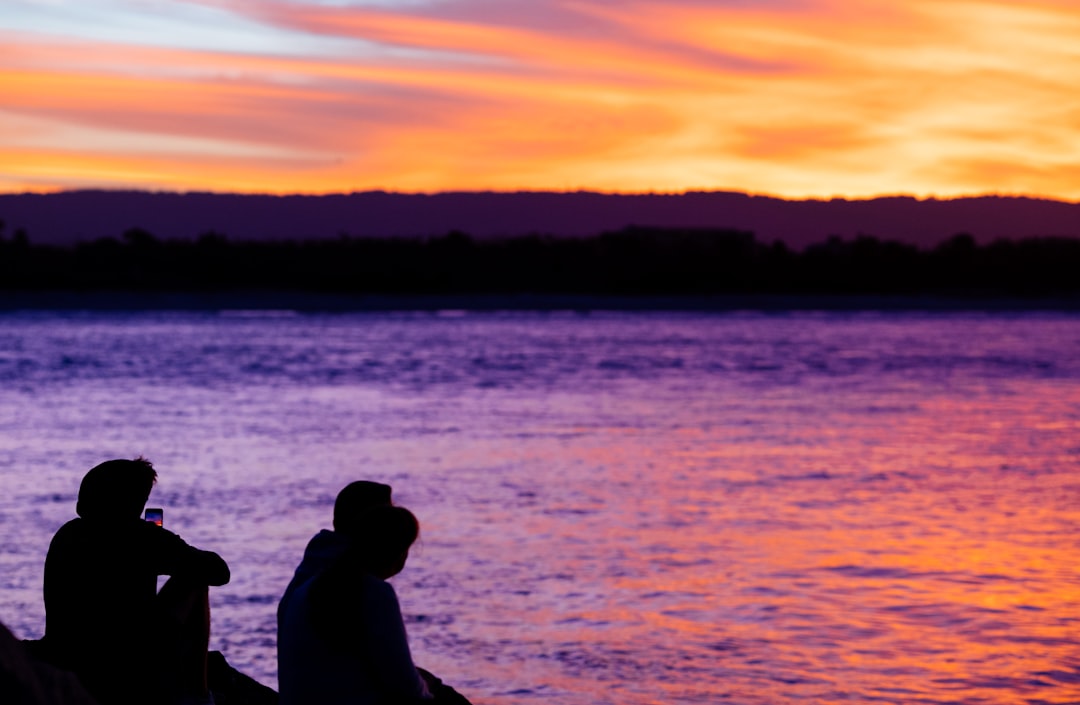
So, stop scrolling through the charts on your screen and start planning your route. Whether you’re chasing the winter chop or a summer sunset, the water is waiting. Picture yourself on the deck this evening, a cold drink in hand, watching the sun dip below the MacPherson Ranges, painting the sky in shades of violet and burnt orange. That is the Gold Coast sailing experience, and it is yours for the taking.
Be the First to Comment
Sign in to start the conversation.