
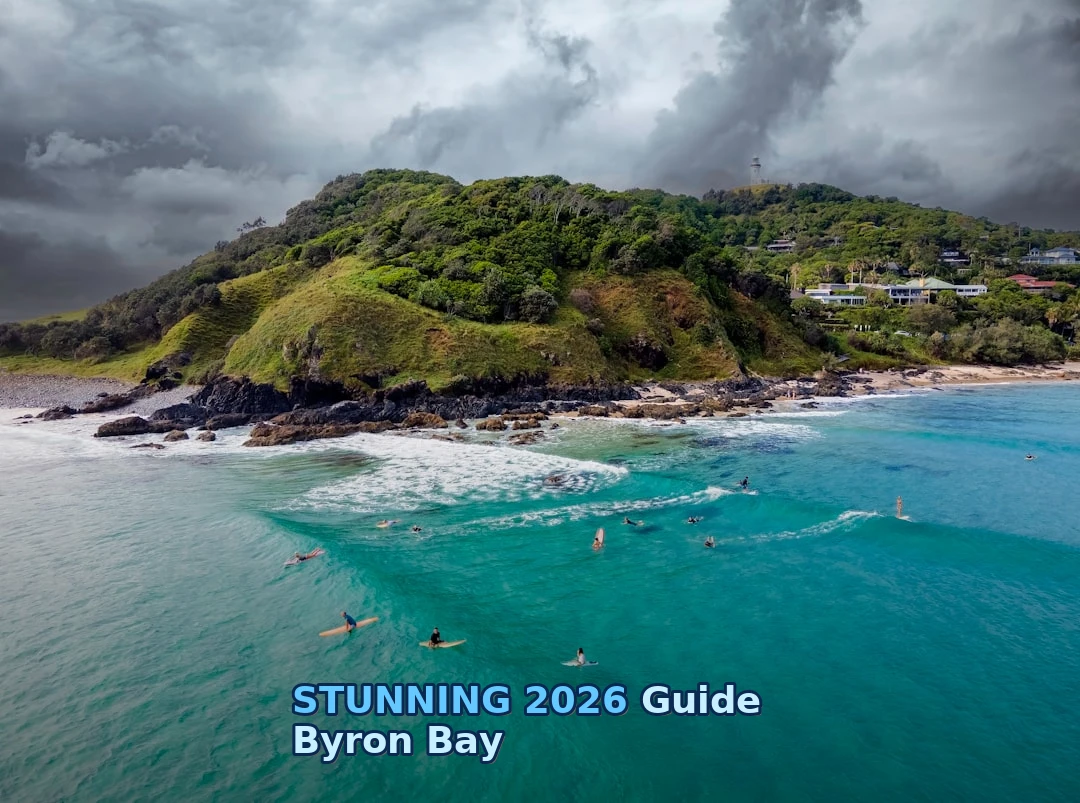
The first paddle stroke cuts through water so clear you can count the shells on the sandy bottom three metres below. A shadow moves beneath your kayak — not threatening, just curious — and then the loggerhead turtle surfaces beside you, taking a breath before disappearing back into the blue. Behind you, the Cape Byron lighthouse watches from its clifftop perch, and ahead, the outline of Julian Rocks rises from the sea like something from a dream. This is what keeps drawing people back to kayaking in Byron Bay — but getting here requires knowing where to launch, when to go, and which operators actually deliver on the promise.
The Water Speaks First: Why Byron Bay Kayaking Hits Different
Let’s be honest about what you’re actually signing up for. Byron Bay isn’t just another pretty coastline — the Cape Byron Marine Park creates a protected corridor that draws wildlife in numbers you won’t see elsewhere on the east coast. We’re talking about a place where dolphin pods numbering 30+ aren’t rare, they’re just Tuesday. Where humpback whales breach so close to shore you can hear them exhale from your beach towel. Where the water clarity on a good day rivals the tropics.
But here’s the thing — not every kayaking experience delivers that postcard moment. The difference between a forgettable paddle and the story you tell for years comes down to timing, location, and frankly, who’s guiding you. The Brunckhorst family has been running kayaking tours here for over two decades, and they’ve figured out the patterns: when the dolphins feed, where the turtles hang out, and which conditions turn a good morning into a great one.
So is it worth your time? If you’re looking for Byron Bay things to do that actually earn their reputation — yes. But let’s get into the specifics so you can make it count.
Where to Launch: Three Distinct Personalities
Not all Byron Bay kayaking spots serve the same purpose. Where you put in depends entirely on what kind of experience you’re chasing.
The Pass: Wildlife Central
This is the heavy hitter. The Pass sits at the western end of Clarkes Beach, and it’s where most commercial tours launch for good reason — it’s the closest access point to Julian Rocks Marine Reserve. The wildlife density here is genuinely absurd. Dolphins use this channel as a highway. Turtles nest on the beaches nearby and feed in the seagrass beds. During whale season (June through November), you’ll see blows on the horizon constantly.
But The Pass demands respect. The current between the headland and Julian Rocks can move quickly, especially on an outgoing tide. Go with a guide if you’re not confident reading water. For Byron Bay things to do adults who want that full-throttle nature encounter, this is your spot.
Wategos to Little Wategos: The Gentler Option
If you’re looking for Byron Bay things to do for couples that lean romantic rather than adrenaline-fuelled, this is your answer. Wategos Beach offers a more protected launch, and the paddle around to Little Wategos — Australia’s easternmost beach — feels like discovering a secret. The water stays shallower and calmer here. You’re not chasing dolphins (though they do appear); you’re chasing a different kind of magic.
The light hits different at Wategos. Sunrise turns the cliffs gold. Sunset paints everything soft pink. It’s the kind of paddle where you stop often, float, and just exist in the moment. Perfect for beginners, ideal for couples, and honestly therapeutic if your soul needs a reset.
Tallow Beach: The Solitude Seeker’s Choice
Closer to town but somehow feeling miles away, Tallow Beach appeals to a different crowd. This isn’t about wildlife encounters — though you’ll still see plenty — it’s about space. When The Pass feels crowded and Wategos is full of tour groups, Tallow offers breathing room. The launch is straightforward, the coastline stretches endlessly south, and you can paddle as far as you want without competing for water real estate.
Best for: experienced paddlers who want independence, early risers chasing solitude, and anyone who finds crowds exhausting.
What Nobody Tells You: The Reddit-Style Honesty
If you’ve spent any time on Byron Bay things to do Reddit threads, you’ll see the same themes pop up. Let’s address them directly.
The fitness reality check: Kayaking looks easy until you’re 45 minutes in, fighting a cross-current, and your arms are reminding you they exist. The tours cover 4-6 kilometres on average. It’s not extreme, but it’s not nothing either. Do some upper body stretches beforehand, and don’t skip breakfast.
Seasickness is real: Even in calm water, the motion of a kayak differs from a boat. If you’re prone to nausea, take something beforehand. Tell your guide — they’d rather know than fish you out of the water.
Booking hacks: Dawn tours beat sunset for wildlife activity — the dolphins are hunting, the water’s glassier, and the light is spectacular. Weekdays are quieter than weekends (obvious, but people forget). Whale season peaks July through September, but October brings the southern migration with calmer seas. Book three days out minimum — the good operators fill fast.
For Couples and Adults: Making It Memorable
Let’s talk about why kayaking keeps appearing on Byron Bay things to do for couples lists. It’s not just the activity — it’s the shared experience of being small in something vast together.
Sunrise tours offer something sunset can’t match: the world waking up. You’ll see the sky shift through a dozen colours. You’ll hear birds stir in the littoral rainforest. And if you book with the right operator, some tours finish with a champagne breakfast on the beach. That’s the kind of morning that becomes a core memory.
For adults travelling without partners, the same logic applies. There’s something about being on the water at dawn that strips away the noise of regular life. You’ll return to shore feeling like you’ve had a holiday within a holiday.
The Decision Matrix: Quick Reference
Let’s make this simple.
- If you want dolphins and turtles: Book a dawn tour from The Pass. Go June-November for whales.
- If you want romance and calm: Wategos launch, morning or late afternoon. Bring a dry bag with snacks.
- If you want solitude: Tallow Beach, early morning, self-guided if you’re experienced.
- If you’re a true beginner: Any guided tour — but tell them upfront so they pair you with a stable kayak and patient guide.
Seasonal considerations: Summer (December-February) brings warmer water and turtle breeding season — you’ll see more turtles but also more crowds. Autumn (March-May) offers the calmest conditions and fewer people. Winter (June-August) is whale prime time but pack layers; it gets cold on the water. Spring (September-November) delivers the southern whale migration and warming water.
Pricing reality: Guided tours run $70-95 per person. It’s not cheap, but you’re paying for local knowledge, quality equipment, and the difference between seeing wildlife and almost seeing wildlife. Private tours cost more but let you set the pace.
The Stories That Stick
Quick anecdote: A woman booked a standard tour last September, expecting a pleasant morning on the water. Twenty minutes out from The Pass, a superpod of dolphins surrounded the group — not swimming past, but playing. They jumped. They surfed the kayaks’ wake. They made eye contact. The whole encounter lasted maybe ten minutes, but she’s still telling people about it. That’s not guaranteed, but it’s not rare either. That’s Byron Bay.
Another one: A couple on a sunset paddle around Wategos got lucky with the conditions — no wind, glass water, the light hitting Julian Rocks like a painting. They floated in silence for twenty minutes, not wanting to break the spell. When they got back to shore, they said it was the best thing they’d done in a week of holiday. Sometimes the absence of drama is the whole point.
Getting Out There
You’re drying off on Wategos Beach now — salt crusting on your skin, your arms satisfyingly tired, the morning’s dolphin encounter still playing in your head. You’re already thinking about tomorrow’s launch. That’s the effect this place has on people.
The best tours fill three days out. Book before you’ve unpacked your bags. And when you’re out there, floating in that absurdly clear water with the lighthouse watching from above, remember: this is why you came to Byron Bay. This is the story you’ll tell when you get home.
Frequently Asked Questions
What are the best kayaking spots around Byron Bay and the Gold Coast region?
Three main launch points serve different purposes. The Pass is wildlife central and closest to Julian Rocks Marine Reserve — dolphins use this channel as a highway and turtles feed in nearby seagrass beds. Wategos to Little Wategos offers calmer, protected waters ideal for couples and beginners, with the paddle reaching Australia’s easternmost beach. Tallow Beach suits experienced paddlers seeking solitude when other spots feel crowded. Each location sits within the Cape Byron Marine Park, a protected corridor that draws exceptional wildlife numbers.
How much does a guided kayaking tour cost and what’s included?
Guided tours run $70-95 per person for standard group experiences. You’re paying for local knowledge, quality equipment, and guides who know when dolphins feed and where turtles gather. Private tours cost more but allow you to set your own pace. Some dawn tours finish with a champagne breakfast on the beach. Book at least three days ahead — the quality operators fill quickly, especially during peak whale season from July through September.
When is the best time to go kayaking for wildlife encounters?
Dawn tours beat sunset for wildlife activity — dolphins are actively hunting, water conditions are glassier, and the light is spectacular. Whale season runs June through November, with peak activity July to September. October brings the southern whale migration with calmer seas. Summer (December-February) offers warmer water and turtle breeding season with more turtle sightings. Autumn (March-May) provides the calmest conditions with fewer crowds. Weekdays are consistently quieter than weekends.
How fit do you need to be for a Byron Bay kayaking tour?
Tours cover 4-6 kilometres on average — not extreme but not effortless either. Beginner-friendly means guides teach technique, kayaks are stable, and routes are manageable, but you still need to paddle and engage your core. Do upper body stretches beforehand and don’t skip breakfast. If you’re prone to seasickness, take something before the tour and tell your guide. The current between the headland and Julian Rocks can move quickly, especially on outgoing tides, so less confident paddlers should always go with a guide.



Be the First to Comment
Sign in to start the conversation.