


The Runner’s Map to Blue Mountains
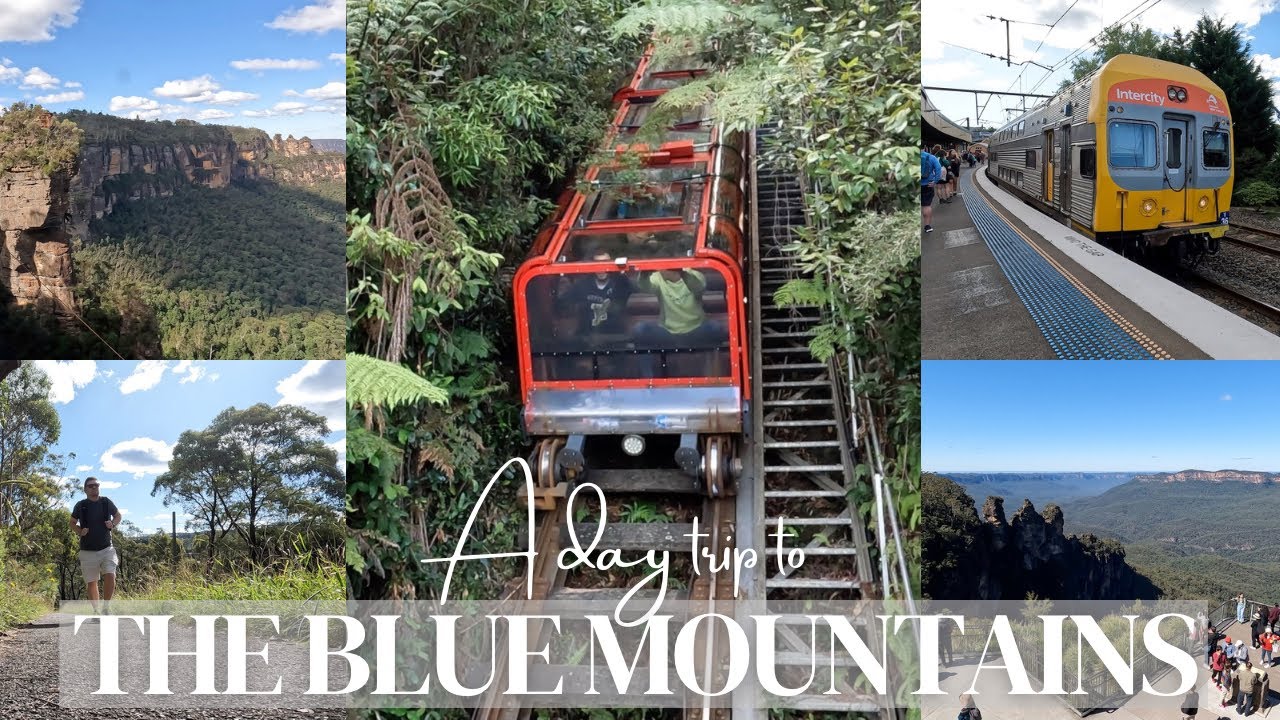
The mist is still clinging to the valley floor when you crest the final rise, legs burning from the ascent, and there it is—the Three Sisters emerging from the fog like ancient sentinels watching over Jamison Valley. The air here tastes different. Cleaner. Sharper. That distinctive eucalyptus scent fills your lungs with each breath, and for a moment, the pre-dawn drive from Sydney feels like absolutely the right decision you ever made. This is the Blue Mountains at its most honest—no crowds, no souvenir shops, just you and 400 million years of sandstone carved into something that makes your morning trail run feel like a pilgrimage.
This moment doesn’t happen by accident. It takes planning, local knowledge, and a healthy respect for just how vast this World Heritage-listed wilderness actually is. That’s where a proper Blue Mountains map becomes less of a suggestion and more of a survival tool—but not the tourist version you pick up at a service station. We’re talking about the mental map that separates a mediocre shuffle from a genuinely transformative run.
Your Blue Mountains Map—Decoded for Runners
Here’s the thing most guides won’t tell you: the Blue Mountains isn’t one destination. It’s a sprawl of plateaus, gorges, and hidden valleys stretching over 11,400 square kilometres. A Blue Mountains map for runners needs to be organised by ambition, not geography.
The “I Have Two Hours” Options
Short on time but still want that mountains fix? These trails deliver maximum reward for minimum commitment:
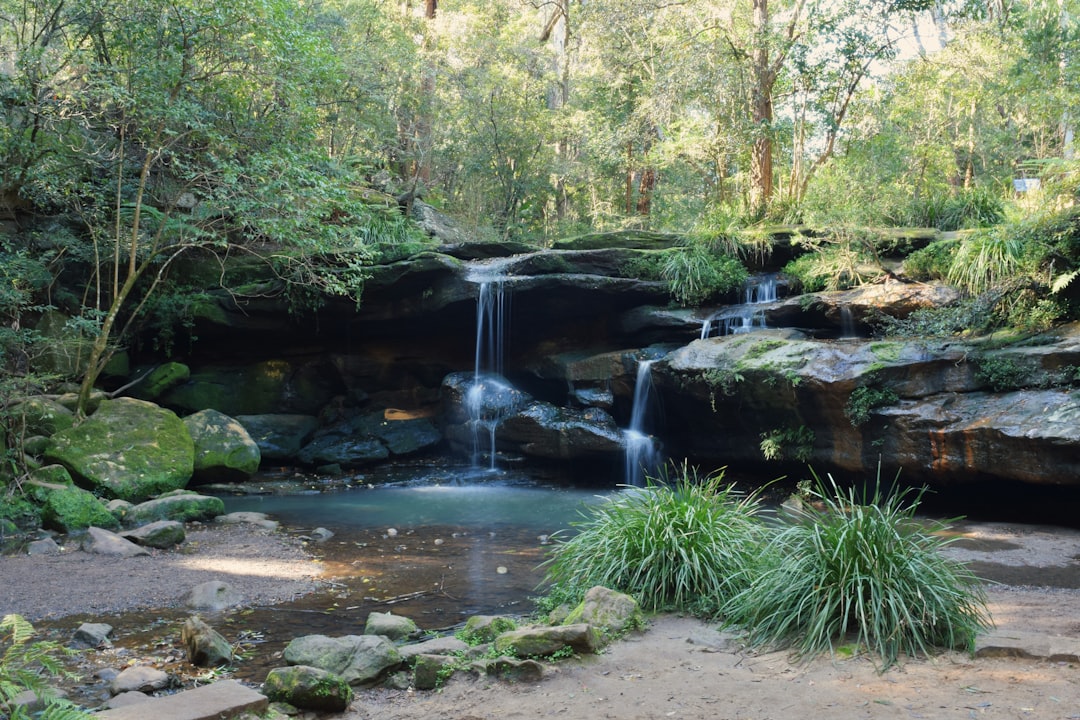
- Fern Bower Circuit (Leura) — 3km loop with enough elevation to feel like work, plus waterfall views that make the climb worthwhile. Park at Leura Cascades picnic area.
- Prince Henry Cliff Walk (Katoomba to Leura) — Pick any 4-5km section and shuttle back. Boardwalks make it runnable even in winter mud season.
- Lincoln’s Rock to Wentworth Falls Lake — Flat, fast, and stroller-friendly if you’re convincing the family to join.
The “I’m Training for Something Bigger” Routes
When fitness goals meet wilderness therapy:
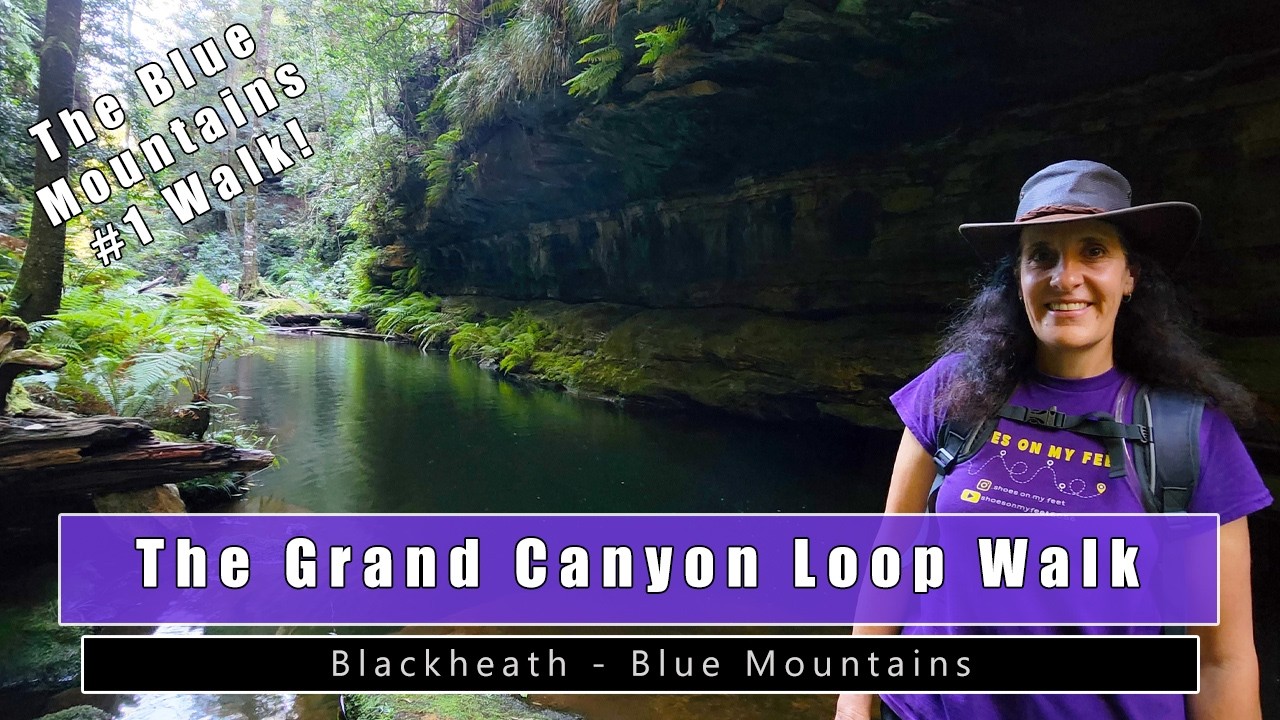
- Grand Canyon Track (Blackheath) — 6km of technical single-track that will humble you. Roots, steps, creek crossings. Not for trail beginners.
- National Pass (Wentworth Falls) — Currently closed for upgrades (check NPWS alerts), but when open, this historic cut-track is 4.5km of exposed sandstone drama.
- Darling Causeway Link-up — String together Mount Victoria to Blackheath via the Great Western Highway shoulder (not glamorous) then drop into Grose Valley for the real payoff.
Reading Your Blue Mountains Map Like a Local
Those contour lines aren’t decoration. In the Blue Mountains, “flat” on a map often means “flat along a cliff edge”—which translates to exposed, windy, and psychologically challenging even when your legs aren’t working hard. Conversely, what looks like a short distance can involve 400+ metres of vertical gain if you’re dropping into and climbing out of valleys.
Getting to Blue Mountains from Sydney Without the Headache
The Blue Mountains from Sydney calculus comes down to one question: do you value sleep or freedom more?
The Train Option
The 5:14am departure from Central gets you to Katoomba by 7:18am. Yes, it’s early. But here’s what you gain:
- Sleep on the journey (try that while driving)
- Coffee from a thermos while watching the suburbs give way to bushland
- No parking stress at popular trailheads
- The smug satisfaction of arriving fresh while car drivers are still circling for spots
Cost: around $8 each way with an Opal card. The train stations at Katoomba, Wentworth Falls, and Leura all drop you within walking distance of decent trails.
The Car Option
Driving Blue Mountains from Sydney takes 90 minutes to two hours depending on traffic and how many roadworks are active on the Great Western Highway (answer: always some). Depart by 5am for dawn runs, earlier in summer when heat becomes a factor.
The car wins if you’re targeting remote trailheads around Mount Victoria, Blackheath, or Mount Wilson—places where the train would leave you with a long road-walk before any actual trail running begins.
The Trails Locals Actually Run
Tourists flock to Scenic World and the Three Sisters lookouts. Locals know better. Here’s where experienced trail runners actually log their kilometres:
Leura Cascades to Gordon Falls
This 5km point-to-point (or 8km return) stays surprisingly quiet even on busy weekends. Technical enough to stay interesting, shaded for summer comfort, and the waterfall at Gordon Falls is a proper reward. Start early and you’ll have the boardwalks to yourself.
Mount Victoria to Fairy Bower
The local fitness test. Park at Mount Victoria station, descend into the valley, then climb back out via Fairy Bower track. Roughly 7km with significant elevation. Do this one fast and you’re ready for any Sydneyside race.
What to Avoid (and When)
- Echo Point on weekends — Unless you enjoy weaving through Instagram influencers and tour groups, save the Three Sisters for weekday dawn runs.
- Katoomba anywhere near school holidays — The entire town becomes a traffic jam with hiking boots.
- Any south-facing slope in winter — Boardwalks stay icy until mid-morning. One slip and you’re explaining trail rash at work on Monday.
Honest Limitation
I still haven’t figured out a satisfying loop run directly from Blackheath station without a decent warm-up road section. The Grose Valley tracks are spectacular, but they’re destination trails requiring either a car or a long approach. Blackheath locals, feel free to correct me—genuinely keen to know what I’m missing.
Seasonal Truths No One Tells You
The Blue Mountains sits 1,000 metres above Sydney. That changes everything.
Summer (December–February)
Early or miserable—those are your options. Temperatures can hit 35°C, but the real danger is dehydration on exposed ridgelines where shade doesn’t exist. Start before 6am, carry more water than you think you need, and know the signs of heat exhaustion.
Autumn (March–May)
May is magic. Crisp mornings, golden light through deciduous trees in Mount Wilson, stable weather patterns, and fewer day-trippers. If you’re planning a Blue Mountains from Sydney running weekend, aim for mid-April to late May.
Winter (June–August)
Cold, crisp, and honestly perfect for running. Frost on the boardwalks is genuine—tread carefully in shaded areas. The air clarity in winter is unmatched; you’ll see further than any other season. Just pack layers for the post-run cool-down.
Spring (September–November)
Wildflowers, warming temperatures, and the unglamorous truth: leeches after rain. They’re harmless but annoying. Carry salt or a dedicated leech-removal wipe if you’re squeamish. The ground is also muddier, making technical tracks genuinely tricky.
The Wrong Turn That Became the Best Run
Sometimes the best trails find you. Last autumn, I misread a Blue Mountains map near Wentworth Falls and took what looked like a shortcut. Turned out to be a disused maintenance track, overgrown and barely visible. Should have turned back. Instead, it opened onto a private valley view—no other runners, just lyrebirds scratching in the undergrowth and that particular silence you only get in ancient places. I’ve never found that track again on any map. Not every wrong turn is a mistake.
Getting Started: Your First Blue Mountains Run
Next weekend, pick one trail from this list. Just one. Doesn’t matter which one—pick based on your fitness and available time, not what looks most impressive on social media.
Set your alarm. Pack your bag the night before. If you’re training from Sydney, book that early train ticket or prep the car with water, snacks, and a physical Blue Mountains map (batteries die, phones overheat, but paper maps are stubbornly reliable).
The mist will still be there at dawn. The eucalypts aren’t going anywhere. That first breath at the trailhead, the one that tastes like distance and ancient stone? That’s yours to claim. All you have to do is show up.
Frequently Asked Questions
What are the best short trail running routes in the Blue Mountains for time-limited runners?
For runners with limited time, three trails offer maximum reward for minimal commitment. The Fern Bower Circuit in Leura is a 3km loop with elevation gain and waterfall views—park at Leura Cascades picnic area. The Prince Henry Cliff Walk between Katoomba and Leura lets you pick any 4-5km section and shuttle back, with boardwalks that remain runnable even during winter mud season. For a flat, fast option that’s also stroller-friendly, try Lincoln’s Rock to Wentworth Falls Lake.
How do I get to the Blue Mountains from Sydney for a trail run?
You have two main options. The train from Central Station departs at 5:14am and arrives at Katoomba by 7:18am, costing around $8 each way with an Opal card. Stations at Katoomba, Wentworth Falls, and Leura drop you within walking distance of trails. Driving takes 90 minutes to two hours via the Great Western Highway, but be aware that parking at Echo Point, Scenic World, and Wentworth Falls fills by 9am on weekends. Side streets around Leura Cascades offer the best backup parking when main carparks overflow.
When is the best time of year to go trail running in the Blue Mountains?
Mid-April to late May is ideal for trail running, offering crisp mornings, golden light through deciduous trees in Mount Wilson, stable weather patterns, and fewer day-trippers. Winter (June to August) is also excellent with cold, crisp conditions, unmatched air clarity, and frost on boardwalks in shaded areas. Avoid summer unless you start before 6am, as temperatures can hit 35°C on exposed ridgelines. Spring brings wildflowers but also leeches after rain and muddier technical tracks.
What should I know about reading a Blue Mountains map for trail running?
A Blue Mountains map for runners must be read with specific local knowledge. Contour lines are critical—what appears ‘flat’ on a map often means flat along a cliff edge, which translates to exposed, windy conditions. Short distances can involve 400+ metres of vertical gain when dropping into and climbing out of valleys. Learn to distinguish dotted versus solid lines on topographic maps: dotted tracks are often unmaintained, overgrown, or gone after bushfire season. Stick to solid lines unless you carry a personal locator beacon.


Be the First to Comment
Sign in to start the conversation.