

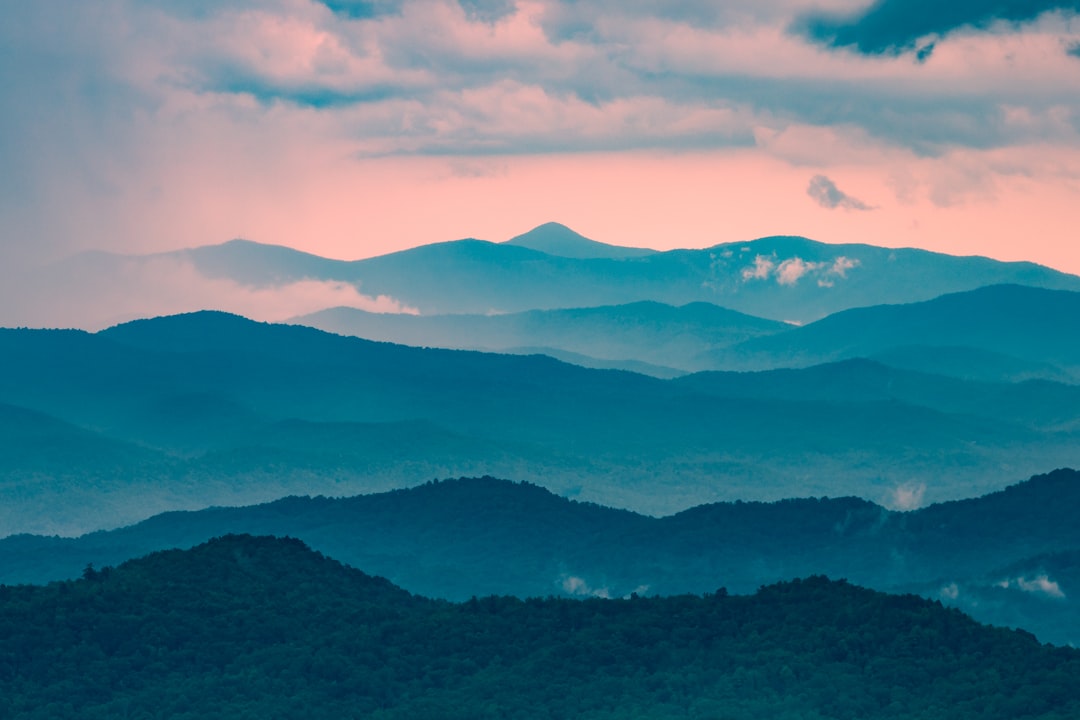


🔥 Ever wondered what makes the Blue Mountains so bloody special? I’ve spent over five years exploring every corner of this UNESCO World Heritage site, and today I’m sharing the 12 essential tips to help you hike it safely and have a ripper time!
🎒 What You’ll Need (Prereqs)
First things first, mate. The Blue Mountains aren’t just a stroll in the park (literally!). You need proper gear. I’m talking sturdy hiking boots with good grip, a daypack, and definitely sunnies—those southern hemisphere UV rays don’t play fair! Bring at least 2L of water per person, high-energy snacks like trail mix or an apple, and a basic first aid kit. Check the weather forecast on the Bureau of Meteorology app before you head out; conditions change faster than a koala’s mood!
1️⃣ Start with the Easier Tracks
If you’re new to hiking, don’t jump straight into the Three Sisters summit climb without prep. Start with the easier tracks like the Lakeside Walk in Katoomba or the Valley of the Waters. These are family-friendly, well-marked, and give you a taste of the stunning rainforest scenery without exhausting your legs. Trust me, building up your stamina is key to enjoying the bigger hikes later in your trip.
2️⃣ Park It Right & Save Money
Here’s a pro tip: Blue Mountains National Park is free to enter! You don’t need a pass unless you’re camping. Just park in the designated areas near Katoomba, Leura, or Wentworth Falls. Avoid parking on narrow road shoulders as it’s dangerous and annoying for locals. Use the free bus services from Katoomba to get between major trailheads—it’s cheap, easy, and saves you the stress of finding parking at 7am.
3️⃣ Timing is Everything
When should you go? Early morning (7-9am) or late afternoon (4-6pm) is best, especially in summer. The midday sun can be brutal on the exposed ridges. If you’re visiting this season (June 2026), it’s winter, so bring warm layers! Mornings can drop below 5°C. Avoid weekends if you hate crowds; weekdays are significantly quieter and offer that true sense of solitude among the ancient eucalypts.
4️⃣ Respect the Bushfire & Fire Danger
This is critical, mate. The Blue Mountains are high-risk for bushfires. Always check the NSW Rural Fire Service (RFS) app for fire bans and track closures. During Summer, some tracks are closed entirely to protect the ecosystem. Don’t be that tourist who ignores signs—respect the closures for your safety and the park’s health. Carry a portable power bank in case you need to call for help.
5️⃣ Wildlife & Safety First
Keep an eye out for wildlife, but give them space! Koalas are often found in gum trees near the trails, but don’t disturb them. Snakes are active in warmer months, so watch where you step and sit on logs rather than directly on the ground. Stay on marked trails to avoid erosion and getting lost. Cell service can be spotty in deep valleys, so download offline maps on Google Maps or AllTrails before you head out.
📋 Practical Info
📍 Blue Mountains National Park, NSW 2795, Australia
🚗 From Sydney CBD, take the BMT train to Katoomba Station (approx. 2 hours), then local buses or taxis to trailheads.
💰 $0 Entry (National Park is free). Parking fees vary by lot but are generally under $15/day. Bus tickets ~$6 return.
🕐 National Park is open 24/7. Visitor centres (e.g., Leura, Katoomba) typically open 9am-5pm daily.
⏱️ Half-day to full day depending on track selection (2-6 hours hiking).
💡 Tips & Warnings
✅ ✅ Do carry a physical map or downloaded offline maps; signal dies fast near waterfalls and deep gorges.
❌ ❌ Don’t swim in the waterfalls without checking for warning signs; currents can be unpredictable and strong.
⚠️ ⚠️ Warning: Watch for falling rocks on the Scenic World stairs and keep children close near cliff edges.
🚀 Give it a crack and let me know how you go! 🚀
#BlueMountains #SydneyHiking #AusTrails #NationalParkLife #HikingTips



Be the First to Comment
Sign in to start the conversation.