


Have you ever wondered what lies beyond the bitumen roads that most travelers never see? Australia’s vast outback holds secrets that can only be discovered when you’re willing to venture off the beaten path. From the rugged tracks of the Kimberley to the red sand dunes of the Simpson Desert, 4WD adventures offer an authentic connection to the continent’s raw beauty and ancient landscapes. Whether you’re planning a weekend getaway or an epic expedition across multiple states, this guide will help you navigate the essentials of exploring Australia’s most remote regions.
The Map vs. The Reality: Planning with Purposeful Flexibility
Australia’s outback operates on its own timeline—one that often defies even the most carefully crafted itineraries. While digital mapping tools have revolutionized trip planning, nothing replaces the wisdom of locals who know these landscapes intimately. The Gibb River Road, for instance, stretches over 660 kilometers through the Kimberley region, offering breathtaking gorges and waterfalls, but requires careful consideration of the season. During the wet season (typically November to April), many sections become impassable, transforming this scenic route into a challenging adventure.
Planning your 4WD adventure should balance research with flexibility. Create a framework for your journey but leave room for spontaneous detours. The best Australian experiences often come when you’re willing to deviate from your original path—whether it’s following a sign pointing to a hidden swimming hole or taking advice from a local at a roadhouse about a shortcut that saves hours of travel time.
Iconic 4WD Destinations Worth Exploring
- The Gibb River Road (Western Australia): Known for its spectacular gorges including Manning, Galvins, and Bell Gorges
- Simpson Desert (Queensland, South Australia, Northern Territory): Famous for its red sand dunes and the famous “Big Red” near Birdsville
- Cape York Peninsula (Queensland): The northernmost tip of Australia, offering challenging tracks and indigenous cultural experiences
- Tanami Track (Northern Territory, Western Australia): A remote 1,750km journey through some of Australia’s most isolated country
- Flinders Ranges (South Australia): Diverse landscapes ranging from rugged mountains to ancient fossil fields
Seasons of the Outback: Timing Your Adventure Right
Australia’s vast size means seasonal conditions vary dramatically across different regions. Understanding these patterns is crucial for both safety and maximizing your experience. The dry season (roughly May to October) is generally considered the best time for most outback adventures, as roads are more accessible and temperatures are milder. However, the wet season transforms the landscape in ways that the dry season simply can’t replicate.
Timing your adventure also depends on what you hope to experience. Wildlife viewing is often better during the cooler months, while photography enthusiasts might prefer the “golden hour” lighting of the shoulder seasons when temperatures are more comfortable. For families with children, school holidays might influence your timing, but be prepared for more crowded popular destinations during these periods.
Regional Seasonal Considerations
| Region | Best Time to Visit | What to Expect |
|---|---|---|
| Kimberley (WA) | May-September | Pleasant temperatures, accessible roads, but book accommodation well ahead |
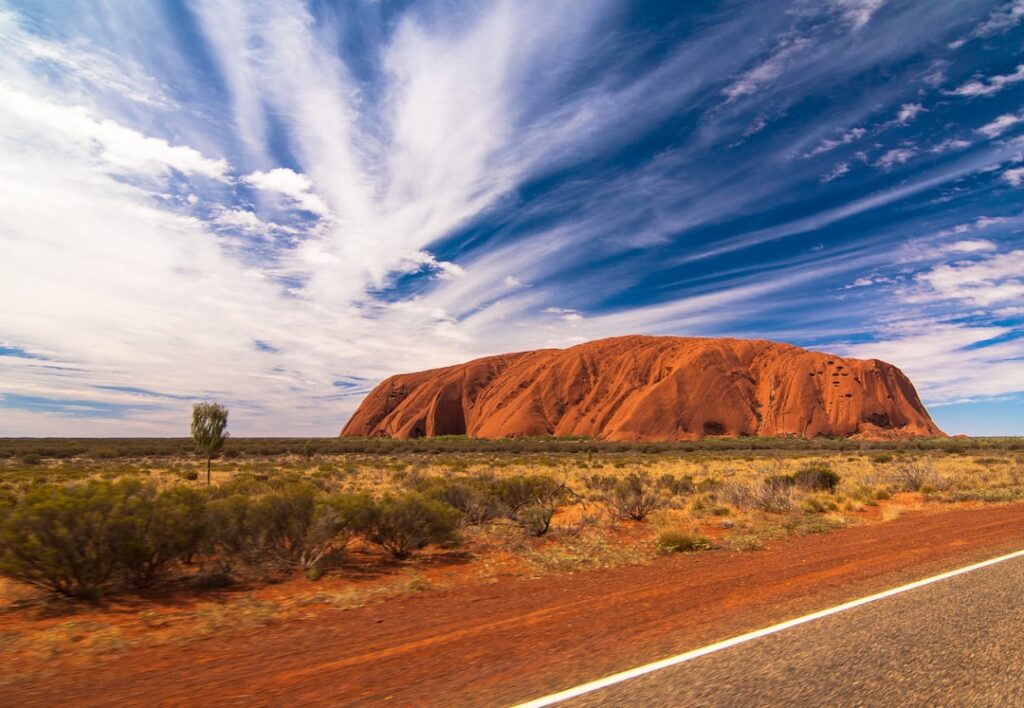
| Red Centre (NT) | March-May, September-November | Moderate temperatures, fewer crowds, ideal for hiking Uluru |
| Simpson Desert (QLD/SA/NT) | April-September | Cooler temperatures, dunes more stable, water available at roadhouses |
| Tasmanian Highlands | December-February | Milder summer conditions, alpine wildflowers in bloom |
The Unwritten Rules of the Australian Outback
Australia’s outback operates on a different set of social and environmental protocols than urban areas. Understanding these unwritten rules not only shows respect for the land and its people but can also enhance your experience and keep you safe. The concept of “treading lightly” is deeply ingrained in Australian outdoor culture, emphasizing minimal environmental impact and leaving no trace.
Respecting indigenous heritage sites is paramount in Australia. Many rock art sites, waterholes, and sacred areas are culturally significant and should only be visited with appropriate permission and guidance. When in doubt, always ask permission before entering or photographing sites, and never remove artifacts or disturb the natural environment.
Essential Outback Etiquette
- Right of Way: When meeting oncoming traffic on narrow tracks, the descending vehicle has right of way. If ascending, pull over to let descending vehicles pass.
- Camping Etiquette: Keep noise levels down after sunset, respect designated campsites, and always carry out what you carry in.
- Water Conservation: In remote areas, water is precious. Use sparingly and never contaminate natural water sources.
- Wildlife Interaction: Observe from a distance, never feed native animals, and secure food to avoid attracting wildlife to your camp.
Beyond the 4WD: Creating the Complete Adventure
The true beauty of Australian 4WD adventures lies not just in the driving but in the experiences that unfold along the way. These journeys often become transformative experiences that connect travelers with the land, its people, and themselves in meaningful ways. Planning a multi-day adventure allows you to immerse yourself completely in the rhythm of the outback, from sunrise campsites to stargazing nights far from city lights.
Combining your 4WD adventure with other Australian experiences creates a richer journey. Consider adding bushwalks in national parks, fishing in remote waterholes, or learning about indigenous culture through guided tours. Many outback communities welcome visitors and offer authentic cultural experiences that can’t be found in tourist brochures.
Family-Friendly 4WD Considerations
4WD adventures can be fantastic for families, offering children experiences that build resilience and appreciation for nature. However, planning for families requires additional considerations:
- Choose routes with established facilities and more accessible tracks
- Pack entertainment for long stretches between attractions
- Plan shorter travel days with plenty of stops for stretching and exploration
- Bring educational resources about local flora, fauna, and indigenous culture
- Consider the ages and interests of all family members when selecting destinations
Key Takeaways
- Plan your adventure but remain flexible—Australia’s outback has its own timeline
- Timing your journey based on seasonal conditions is crucial for safety and experience
- Respect local customs and environmental protocols to preserve these fragile landscapes
- The best Australian experiences often come from spontaneous detours and local recommendations
- 4WD adventures offer more than just driving—they provide transformative connections to land and culture
As you prepare for your own Australian 4WD adventure, remember that the journey itself becomes as important as the destinations. The stories you’ll collect, the challenges you’ll overcome, and the connections you’ll make with fellow travelers and locals will become the most valuable souvenirs of your expedition. So when you’re planning your next off-road adventure, ask yourself not just where you’ll go, but how you’ll let Australia change you along the way.
Frequently Asked Questions
What is the Gibb River Road and what should I know before attempting it?
The Gibb River Road stretches over 660 kilometers through the Kimberley region in Western Australia, featuring spectacular gorges including Manning, Galvins, and Bell Gorges. The road requires careful consideration of the season, as during the wet season (typically November to April), many sections become impassable. Always check local road conditions before departure through official sources like the Main Roads department websites for each state, as what appears passable on a map can quickly change with seasonal weather patterns.
How should I plan my 4WD adventure to balance research with flexibility?
When planning your 4WD adventure, create a framework for your journey but leave room for spontaneous detours. The best Australian experiences often come when you’re willing to deviate from your original path—whether it’s following a sign pointing to a hidden swimming hole or taking advice from a local at a roadhouse about a shortcut that saves hours of travel time. Digital mapping tools are useful, but nothing replaces the wisdom of locals who know these landscapes intimately.
When is the best time to visit the Simpson Desert for a 4WD adventure?
The best time to visit the Simpson Desert, which spans Queensland, South Australia, and the Northern Territory, is between April and September. During this period, temperatures are cooler, making the experience more comfortable, and the sand dunes are more stable. Water is also available at roadhouses during these months, which is crucial for safety in this remote region.
What are the essential outback etiquette rules I should follow during a 4WD adventure in Australia?
When 4WDing in Australia’s outback, follow these key etiquette rules: descending vehicles have right of way on narrow tracks, keep noise levels down after sunset at campsites, use water sparingly as it’s precious in remote areas, and observe wildlife from a distance without feeding them. Always inform someone of your travel plans before heading into remote areas, consider carrying a satellite phone or PLB, and never disturb indigenous heritage sites or remove artifacts without proper permission.




Be the First to Comment
Sign in to start the conversation.