
What if Australia’s Most Spectacular Wildlife Encounter Was Hiding in Plain Sight Along a Road You’ve Probably Already Marked on Your Map—And What Would Happen If You Arrived Only to Find That Stretch Suddenly Closed?
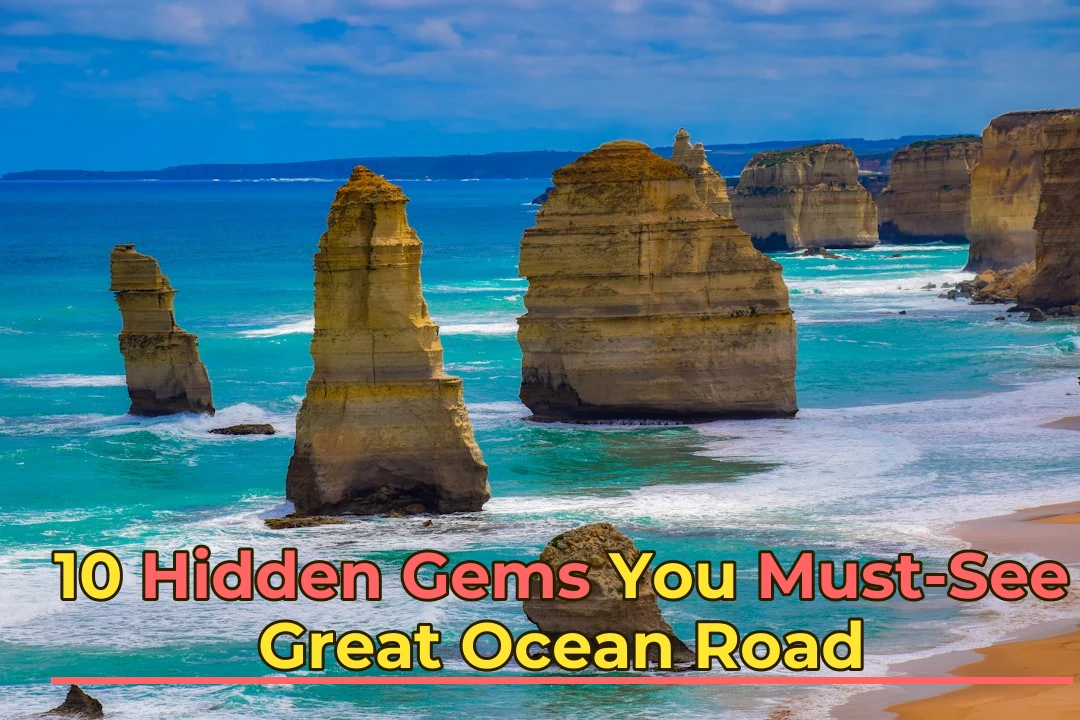
This is the question that catches in every wildlife enthusiast’s throat when planning a journey along the Great Ocean Road. Victoria’s legendary 243-kilometre coastal drive isn’t merely one of the world’s most scenic routes—it’s a living corridor where koalas doze in manna gums above passing cars, southern right whales breach offshore during their annual migration, and echidnas waddle across bitumen with complete indifference to human schedules. But here’s what brochures don’t tell you: this extraordinary highway clings to cliffs and cuts through rainforest in a region prone to landslides, storm damage, and infrastructure repairs. A Great Ocean Road closure can transform your carefully planned wildlife itinerary into an impromptu adventure through inland Otway forests—sometimes delivering even better encounters than the coastal route promised. Understanding how to read a Great Ocean Road map, interpret closure alerts, and adapt your journey in real-time separates tourists from true wildlife watchers.
The Living Map — Understanding Wildlife Corridors Along the Great Ocean Road
Most travellers treat a Great Ocean Road map as a simple navigational tool—point A to point B, with the Twelve Apostles somewhere in between. But for wildlife enthusiasts, this map reveals something far more valuable: distinct ecological zones, each hosting different species and requiring different viewing strategies.
Torquay to Anglesea: Coastal Heathland Zone
The journey begins where surfing culture meets coastal heathland. This stretch, roughly 35 kilometres from Torquay through to Anglesea, offers excellent opportunities to spot:
- Swamp wallabies — Often seen grazing near the Anglesea Heath in early morning
- Short-beaked echidnas — Surprisingly common along walking trails near Point Addis
- Crimson rosellas and eastern rosellas — Frequent visitors to picnic areas
- Blue-tongue lizards — Sunning themselves on rock formations near Bells Beach
The heathland ecosystem here is particularly special during spring (September to November) when wildflowers attract nectar-feeding birds and the insects that support small marsupial populations.
Lorne to Wye River: Wet Sclerophyll Forest Zone
As the road climbs and twists through taller timber, you’re entering prime koala territory. This middle section of the Great Ocean Road features wet sclerophyll forest—taller trees, denser canopy, and higher rainfall than the western reaches.
Key wildlife corridors include:
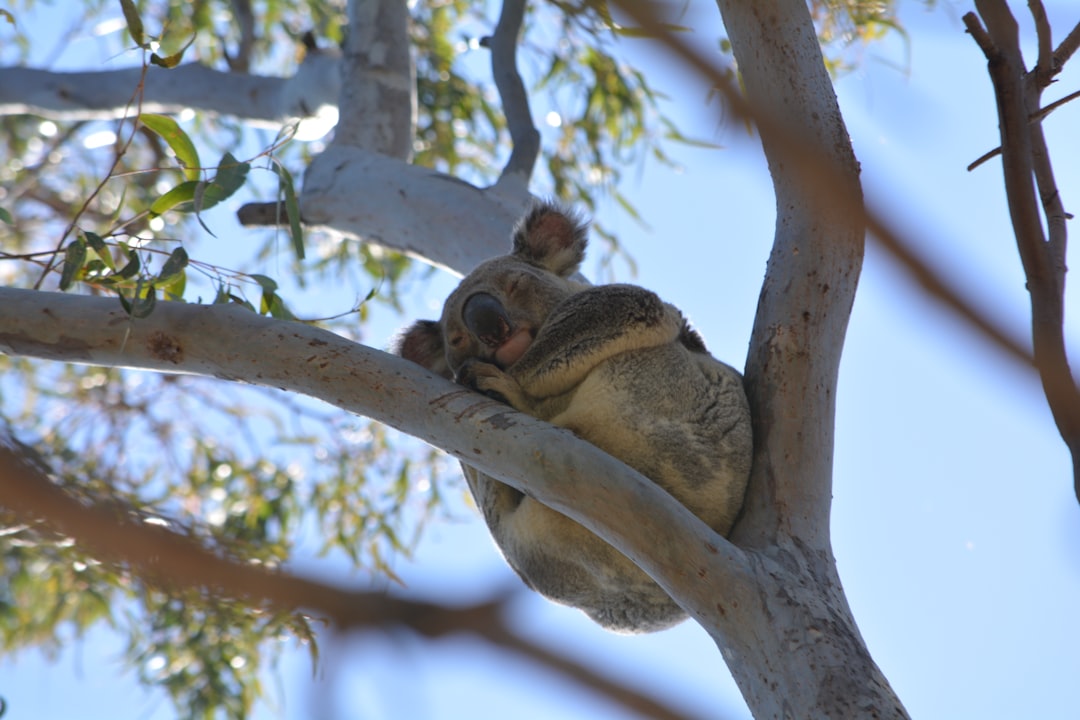
- Kennett River koala population — One of Victoria’s most reliable wild koala viewing areas
- Grey River Road — An unsealed side road that hosts dense koala populations but appears on few tourist maps
- Yellow-bellied gliders — Nocturnal species best detected by their distinctive calls at dusk
- Superb lyrebirds — Often spotted scratching through leaf litter in shaded gullies
Apollo Bay to Lavers Hill: Cool Temperate Rainforest Zone
Behind Apollo Bay, the road climbs into the Otway Ranges proper. This is where a good Great Ocean Road map becomes essential—the main tourist route stays coastal, but the richest wildlife habitat lies inland through the rainforest.
Species diversity peaks in this zone:
- Spot-tailed quolls — Rare, but occasionally camera-trapped in remote sections
- Platypus — Lake Elizabeth near Forrest offers Victoria’s most reliable platypus viewing
- Otway black snail — An endemic species found nowhere else on Earth
- Powerful owls — Australia’s largest owl species, often heard at night near campgrounds
Port Campbell to Warrnambool: Limestone Coast Zone
The western section transforms into dramatic limestone cliffs and open coastal waters. Here, your Great Ocean Road map should highlight offshore viewing platforms:
- Little penguins — London Bridge precinct hosts a small but accessible colony
- Southern right whales — Logan’s Beach at Warrnambool serves as a nursery from May to October
- Australian fur seals — Visible at Marengo Reef near Apollo Bay (technically in the previous zone)
- Short-tailed shearwaters — Mutton Bird Island near Port Campbell hosts massive seasonal colonies
When the Road Closes — Navigating Wildlife Viewing During Disruptions
Let’s address the anxiety that brings most visitors to search “Great Ocean Road closure” at 6am on their departure date. Closures happen. They’re frustrating, expensive when accommodation bookings are affected, and can derail carefully planned itineraries. But here’s what experienced wildlife watchers know: a Great Ocean Road closure doesn’t mean your wildlife adventure is over—it means you need to read your map differently.
Understanding Current Closure Points (2026 Update)
As of March 2026, the most significant Great Ocean Road closure zones involve ongoing slope stabilisation works between Skenes Creek and Cumberland River. These repairs, triggered by a series of landslides during the wet winters of 2023-2024, have become semi-permanent features of the route.
Alternative Wildlife Routes During Closures
When the coastal route closes between Lorne and Apollo Bay, the inland detour through Colac opens up an entirely different wildlife experience. Your Great Ocean Road map should include this alternative:
The Colac-Otway Detour:
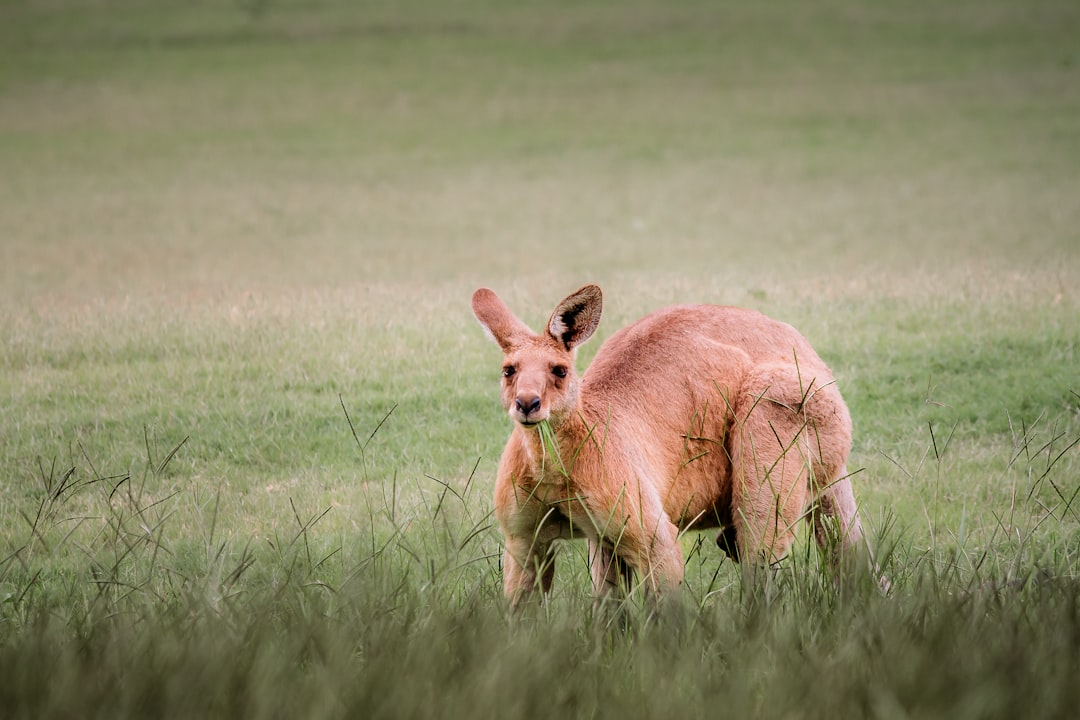
- Colac to Forrest — Drive through agricultural land transitioning to forest, spotting eastern grey kangaroos in paddocks at dawn and dusk
- Forrest to Lake Elizabeth — Platypus viewing opportunities that rival any coastal wildlife experience
- Forrest to Apollo Bay via Turtons Track — A stunning rainforest drive with excellent chances of spotting lyrebirds, wallabies, and if you’re exceptionally lucky, a spot-tailed quoll
This detour adds approximately 45 minutes to your journey but delivers wildlife encounters that many coastal travellers never experience.
Real-Time Resources: How to Check If Great Ocean Road Is Open
Before any wildlife watching trip, save these resources and check them on the morning of departure:
- VicRoads Traffic Website — The official source for all road closures and conditions
- VicRoads Facebook Page — Often updated faster than the main website during rapidly evolving situations
- Local ABC Radio (774 AM Melbourne, 106.3 FM Colac) — Essential when mobile coverage drops out in the Otways
- Great Ocean Road Tourism Association social media — Crowd-sourced updates from other travellers
Why Closures Sometimes Improve Wildlife Viewing
There’s a counterintuitive truth that local wildlife guides have observed for years: when sections of the road close, wildlife becomes more visible in the remaining open areas.
“During the big closures in 2024, we were seeing koalas at Kennett River in numbers we hadn’t recorded for a decade. Fewer cars, less noise, less roadkill risk—the animals moved back into roadside trees. It was extraordinary. I tell people now: if you hear about a closure, don’t cancel. Reroute.”
— Marcus Chen, Wildlife Guide, Apollo Bay Eco Tours
The reduction in traffic noise also improves birdwatching significantly. Species that retreat from busy roadsides during peak season often reappear when vehicle numbers drop.
The Field Guide — Species-by-Species Intelligence
Generic wildlife guides tell you what animals exist. A useful field guide tells you where to find them, when to look, and honestly assesses your chances of success. Here’s species-specific intelligence gathered from local wildlife guides, park rangers, and long-term observation data along the Great Ocean Road.
High-Probability Sightings
| Species | Best Location | Optimal Time | Success Rate |
|---|---|---|---|
| Koala | Kennett River, Grey River Road | Dawn, dusk | 90% |
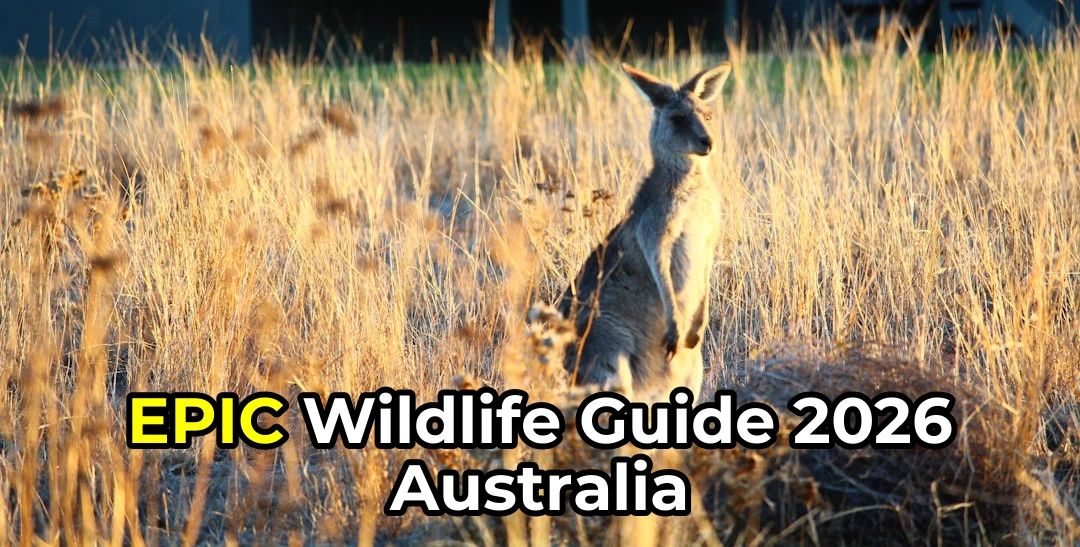
| Eastern Grey Kangaroo | Anglesea Golf Club, Forrest hinterland | Late afternoon | 95% |
| Swamp Wallaby | Great Otway National Park trails | Early morning | 85% |
| Australian Magpie | All picnic areas, campgrounds | Any time | 100% |
| Crimson Rosella | Lorne, Anglesea heathlands | Morning | 90% |
Medium-Probability Sightings (Requires Patience and Planning)
| Species | Best Location | Optimal Time | Success Rate |
|---|---|---|---|
| Platypus | Lake Elizabeth, Forrest | First light, last light | 40% |
| Short-beaked Echidna | Point Addis, coastal heath | Mid-morning | 50% |
| Little Penguin | London Bridge precinct | Dusk | 60% |
| Southern Right Whale | Logan’s Beach, Warrnambool | May–October, midday calm | 70% (seasonal) |
| Superb Lyrebird | Maits Rest, Sheoak Falls walk | Early morning | 45% |
Low-Probability but Possible Sightings
These species exist along the Great Ocean Road corridor but require exceptional luck, specialised knowledge, or multiple attempts:
- Spot-tailed quoll — Australia’s largest mainland carnivorous marsupial; rarely seen but occasionally camera-trapped in remote Otway sections
- Long-nosed potoroo — Small kangaroo-relative favouring dense undergrowth
- Powerful owl — Australia’s largest owl; more often heard than seen
- White-bellied sea eagle — Occasionally spotted hunting along the coast
The “Guaranteed” Myth
Common misconceptions include:
- “Koalas are everywhere along the Great Ocean Road” — False. Koalas require specific eucalyptus species (primarily manna gum and swamp gum) and are concentrated in a few key areas. You can drive 50 kilometres without seeing a single one.
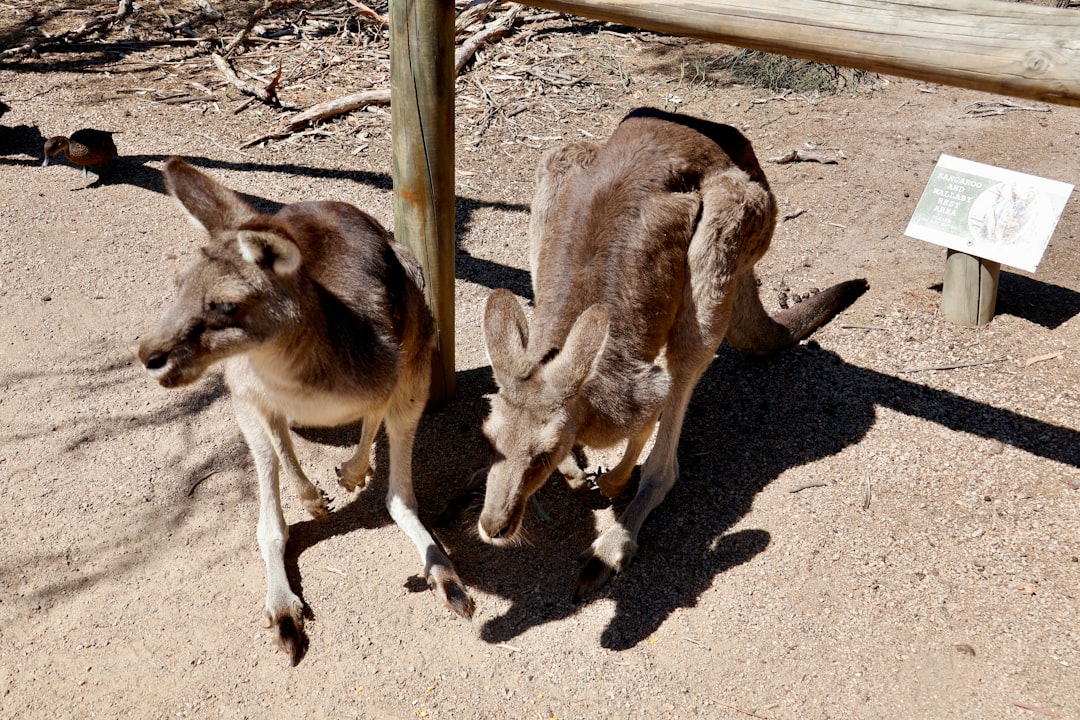
- “Kangaroos on every golf course” — Mostly true at Anglesea Golf Club, but not universal. Some courses actively discourage kangaroo populations.
- “Whales can be seen year-round” — Southern right whales are seasonal visitors (May–October). Humpbacks pass through during migration but rarely close to shore.
The Quiet Season — When Wildlife Watching Actually Peaks
The Great Ocean Road receives peak visitor numbers from December through February—the Australian summer. Wildlife watchers, however, should consider avoiding this period entirely.
Why Autumn (March–May) Delivers Better Results
Several factors converge to make autumn the sweet spot for serious wildlife observation:
Koala Mating Season — Male koalas become highly vocal and active from March through May. Their distinctive bellowing calls carry for kilometres, making them easier to locate. Competition between males also forces more movement through the canopy, increasing visibility.
Reduced Traffic Volume — Fewer cars means several things: less roadkill risk for animals, reduced noise pollution that drives wildlife away from roadsides, and more opportunities to stop safely when you spot something.
Lower Great Ocean Road Closure Risk — Drier ground conditions through autumn stabilise slopes. Most significant Great Ocean Road closure events occur during wet winters when saturated soil triggers landslides. Autumn travel faces fewer infrastructure disruptions.
Whale Migration — While southern right whales are heading south by March, humpback whale migration extends through autumn, with viewing opportunities from headlands.
Month-by-Month Wildlife Calendar
- March — Peak koala activity, echidna breeding season begins, calm seas for pelagic bird watching
- April — Late koala mating, excellent conditions for forest birdwatching, platypus active at Lake Elizabeth
- May — First southern right whale arrivals at Warrnambool, lyrebird display season begins, reduced tourist numbers
- June–July — Peak whale watching season, lyrebird displays at their most elaborate, but higher Great Ocean Road closure risk due to winter storms
- August–September — Whale season continues, wildflowers begin blooming in heathland zones, joeys emerging from pouches
- October–November — Peak wildflower season, migratory bird arrivals, increased snake activity (caution required)
- December–February — Peak tourist season, heat can drive animals into shade, crowded viewing areas
Your Planning Toolkit — Maps, Apps, and Real-Time Intel
A successful wildlife watching trip along the Great Ocean Road requires more than enthusiasm. The right tools transform a pleasant drive into a productive expedition.
Recommended Offline Maps
Mobile coverage along the Great Ocean Road is unreliable. Between Torquay and Anglesea, service is generally adequate. From Lorne westward, dead zones multiply. Beyond Apollo Bay and through the Port Campbell section, you may lose signal for 30-minute stretches.
Why Google Maps alone will fail you:
- No offline capability without advance download (and downloads expire after 30 days)
- Doesn’t show unsealed roads like Grey River Road—precisely where the best koala viewing occurs
- No topographic information for understanding wildlife habitat
- Traffic data stops working without signal
Better alternatives:
- Maps.me — Free offline mapping with reasonable detail; download Victoria before departure
- Avenza Maps — Supports georeferenced PDF maps; Parks Victoria produces official maps compatible with this app
- Paper map backup — The RACV Great Ocean Road map remains the gold standard; available at visitor centres and service stations
When reviewing any Great Ocean Road map, mark these wildlife hotspots that casual tourists
Frequently Asked Questions
Where are the best locations to see koalas along the Great Ocean Road?
The Kennett River area and Grey River Road offer Victoria’s most reliable wild koala viewing with approximately 90% success rates at dawn and dusk. Grey River Road, an unsealed side road that appears on few tourist maps, often delivers better sightings than the main tourist areas because koalas frequently cross between feeding trees. The Kennett River koala boardwalk provides elevated viewing platforms specifically designed to protect tree roots while giving visitors optimal viewing angles.
How do I check if the Great Ocean Road is closed before my wildlife watching trip?
Check the VicRoads Traffic Website for official road closures and conditions, and the VicRoads Facebook Page for faster updates during rapidly evolving situations. Local ABC Radio broadcasts on 774 AM (Melbourne) and 106.3 FM (Colac) are essential when mobile coverage drops out in the Otways. Screenshot closure maps before departure since mobile coverage disappears in several sections between Lorne and Apollo Bay.
When is the best time of year for wildlife watching along the Great Ocean Road?
Autumn (March to May) delivers the best wildlife watching results. Male koalas become highly vocal and active during mating season, making them easier to locate. Traffic volume is reduced, meaning less noise pollution driving wildlife away from roadsides. Drier ground conditions also mean fewer Great Ocean Road closure events from landslides, which typically occur during wet winters. Avoid peak tourist season from December through February when crowded viewing areas and heat drive animals into shade.
What wildlife detour options exist when the Great Ocean Road is closed between Lorne and Apollo Bay?
The Colac-Otway Detour offers an alternative wildlife experience: drive Colac to Forrest spotting eastern grey kangaroos in paddocks at dawn and dusk, then Forrest to Lake Elizabeth for platypus viewing with about 40% success rate at first or last light. Continue via Turtons Track to Apollo Bay through stunning rainforest with excellent chances of spotting lyrebirds and wallabies. This detour adds approximately 45 minutes but delivers wildlife encounters many coastal travellers never experience.
What are the fines for entering closed sections of the Great Ocean Road?
Fines for entering closed road sections in Victoria exceed $900, and if you become stranded, emergency rescue costs fall entirely on the driver. Beyond financial penalties, road work zones often contain loose debris that can damage vehicles and injure occupants. Closures between Skenes Creek and Cumberland River have been semi-permanent since 2023-2024 due to slope stabilisation works triggered by landslide damage during wet winters.


Be the First to Comment
Sign in to start the conversation.