
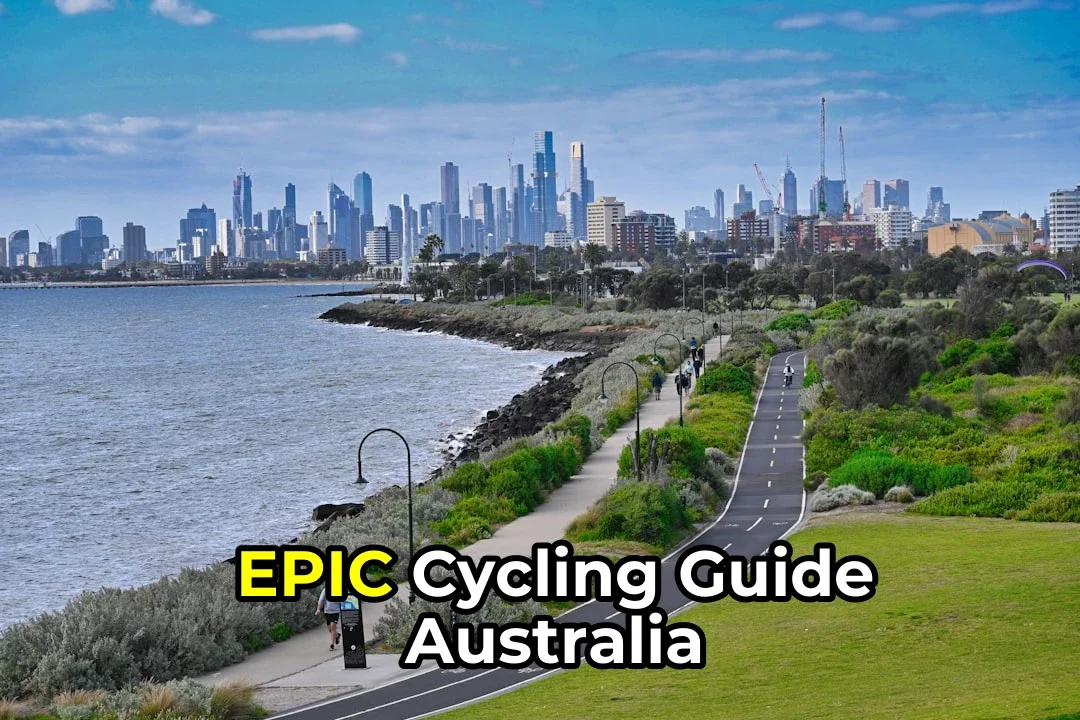
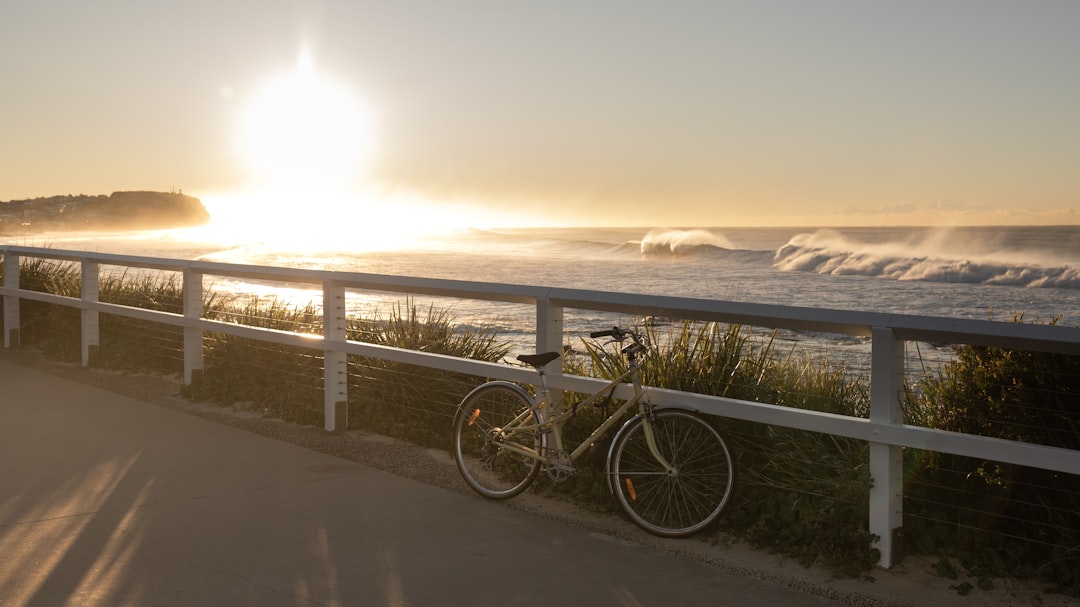
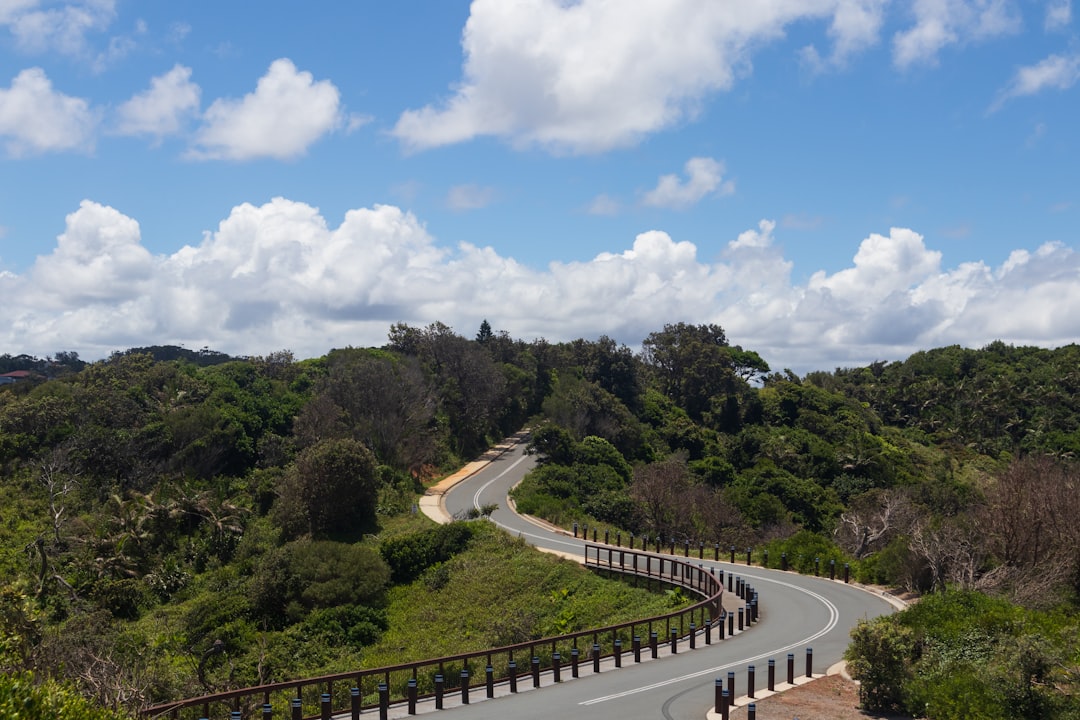
The car winds around the bend and suddenly, the vast expanse of the Southern Ocean slaps against the limestone cliffs with a rhythmic thud, sending spray high enough to mist the helmet visor. The air here tastes distinctly of salt and crushed eucalyptus, a sharp olfactory greeting that signals you are no longer on ordinary tarmac but have entered the domain of the Great Ocean Road. It is dawn in Victoria, and the light doesn’t just illuminate; it cuts—a stark, golden beam hitting the rugged coastline with an intensity that demands respect. You clip into your pedals for the first stroke, and immediately feel the headwind pushing back against your chest, a physical handshake from the Southerly Buster that defines every coastal ride in this part of Australia. The asphalt stretches ahead, shimmering under the rising sun, demanding focus, balance, and a deep appreciation for the raw beauty of this UNESCO World Heritage-listed stretch of coast.
The Anatomy of Australian Light and Air
Riding in Australia is not merely a physical exertion; it is an atmospheric negotiation. Unlike the temperate, often overcast skies of Europe or the predictable humidity of Southeast Asia, Australian cycling requires an understanding of volatile microclimates and intense solar radiation. To ride the Great Ocean Road or traverse the ranges of New South Wales, one must master the rhythm of the weather before mastering the gears.
Golden Hour vs. White Heat
The concept of the “Golden Hour” in Australian cycling is not just a photographer’s term; it is a safety window. In winter, particularly in Victoria and Tasmania, the sun rises late but hits with deceptive ferocity. The UV index can reach “Extreme” levels (11+) long before the sun has burned off the morning dew. This is critical for road cyclists who are exposed to significant reflection from both asphalt and ocean water.
The real challenge, however, is the “White Heat”—the period between 11:00 AM and 2:00 PM during summer months. On the Sunshine Coast or the Mid North Coast of NSW, riding during these hours is not just uncomfortable; it is dangerous. The heat radiates off the road surface, creating thermal updrafts that can destabilise lighter wheels, while dehydration sets in rapidly. Experienced Australian riders organise their training schedules around these thermal peaks, shifting intense efforts to early morning or late afternoon windows.
Navigating Regional Microclimates
Australia’s cycling landscape is defined by sudden weather shifts. A ride starting in the Blue Mountains of New South Wales might begin with humid, still air, only to drop into a freezing headwind as you descend towards the Hawkesbury River. This is due to “katabatic winds”—cold air draining from the high country into the valleys.
In Queensland, the dynamic is different but equally tricky. The coastal breeze often dies down abruptly around midday, turning a crosswind into a stagnant heat trap. Riders moving from the Gold Coast hinterland down to Byron Bay must be prepared for this thermal collapse. Understanding these regional nuances—whether it’s the Nor’Wester in Western Australia or the Southerly Buster in Victoria—is what separates a casual rider from an expert.
The Gear That Survives the Salt
There is a specific enemy that haunts every coastal cyclist in Australia: salt corrosion. The “Salty Chain” incident is a rite of passage for many new riders on the east coast. It typically happens around the 50-kilometre mark of a beautiful ride along the Sunshine Coast. The chain seizes up with a grinding noise, leaving you stranded kilometers from home. This is not user error; it is the result of ignoring the chemical reality of salt air.
Maintenance Protocols for Coastal Humidity
Salt air accelerates oxidation, turning standard chain lubricants into abrasive paste within weeks. For riders frequenting coastal routes, the maintenance schedule must be aggressive. It is not enough to clean your bike after a ride; you must lubricate it with specific formulations designed for marine or high-humidity environments.
- Dry Lube vs. Wet Lube: In humid coastal areas, dry lube (Tefon-based) often fails because humidity prevents the solvents from evaporating properly, leaving a sticky residue that attracts dust. Wet lube is thicker and adheres better but can become gummy.
- The “Soak and Scrub”: Post-ride, never just rinse your bike. Salt crystals are invisible until they grind your cassette teeth down. Use a degreaser specifically formulated for salt removal, followed by a light application of marine-grade wax.
- Tire Pressure Adjustments: Gravel shoulders are common on rural Australian roads, particularly near the Great Ocean Road and the regional NSW coast. Lowering tire pressure by 5-10 PSI can prevent pinch flats when hitting unexpected gravel patches or washed-out edges.
Brands and Local Suppliers
Supporting local Australian brands often yields gear that is more resilient to our specific conditions. Companies like 7½ Designworks (originating from the Gold Coast) engineer frames and components that account for heat expansion and salt resistance. Similarly, retailers such as Performance Bike or local bike shops in the Bellarine Peninsula often stock specific cleaning kits that cater to the local maritime climate. Building a relationship with these suppliers ensures you get advice tailored to your specific riding environment, whether that’s the salt air of Perth or the humidity of Brisbane.
Navigating the Bureaucracy of Passion
Cycling in Australia is not just a solitary pursuit; it is a structured community activity governed by national bodies. For many, the idea of “Cycling Australia” (the national governing body) seems daunting—a wall of paperwork and fees. However, understanding the value proposition of membership is crucial for safety, legal compliance, and accessing top-tier events.
The Value of Membership
Maintaining a license with Cycling Australia (formerly Cycle Sport Australia) provides several critical benefits that extend beyond the casual weekend rider:
- Third-Party Insurance: This is the most critical aspect. Riding in a group or on open roads carries inherent risks. Cycling Australia membership includes third-party public liability insurance, which is often required by local councils to host or participate in organized rides and races.
- Competitive Access: To participate in the Australian Road Cycling Championships 2026, or any state-based championships, you must hold a valid race license. This ensures all participants meet minimum safety standards and have undergone basic anti-doping education.
- Data and Analytics: Membership grants access to databases that help track national fitness trends, race results, and development programs for young cyclists.
The Cycling Australia Login System
The Cycling Australia Login system has been modernised to streamline registration. For beginners, this portal is the gateway not just to racing, but to finding local clubs. By navigating to the “Find a Club” section within your dashboard, you can locate groups near your postcode. This is how the “Community Hall Realization” happens: discovering that the bureaucratic login is actually a social network connecting you with hundreds of local riders who share your specific route interests.
For experienced riders looking to train, the portal lists official training camps and high-performance clinics. These are often held in conjunction with state institutes of sport, offering coaching from elite level athletes. Leveraging this resource can transform a solitary rider into part of a high-performance squad.
Routes That Define the Spirit
Australia offers some of the world’s most diverse cycling terrain, from alpine climbs to coastal sprints. The following routes are curated for their accessibility, beauty, and the unique challenges they present.
Level 1: Family Friendly – The Yarra Valley Loop (Victoria)
Starting from Healesville, this route offers gentle rolling hills and stunning vineyard views. The roads are well-maintained with wide shoulders, making it ideal for families with older children on bikes.
- Distance: 40km Loop
- Key Feature: Plenty of cafes and rest stops.
- Local Knowledge: Take the turnoff to Strathewen for a quieter, tree-canopied stretch that feels worlds away from the main road.
Level 2: Intermediate Climb – The Great Ocean Road (Victoria)
This is the quintessential Australian coastal ride. The challenge here is not just distance, but the variable weather and blind corners.
- Distance: 60km (Apollo Bay to Lorne)
- Danger Zone: The descent near Port Campbell. Traffic is heavy with tourist trucks and campers who may not anticipate cyclists.
- Hidden Water Stop: There are few reliable water fountains on this stretch. Carry double the water you think you need.
Level 3: Pro-Level Endurance – The Old Pacific Highway (NSW)
Famous for the “Shute Harbour” climb, this route tests the lungs and legs. It is a favourite for training camps aiming to build high-intensity capacity.
- Distance: 80km (Port Macquarie to Wauchope)
- The Climb: A relentless 12km gradient averaging 6%.
- Post-Ride Recovery: The town of Wauchope has excellent sports clubs and cafes, making it a perfect reward point.
The Midnight Start on the Great Ocean Road
A narrative moment that defines respect for this road: The Midnight Start. To avoid the crushing heat and the heavy tourist traffic, expert riders often begin before dawn. This requires specific safety preparations.
Frequently Asked Questions
Do I need a license to ride the Great Ocean Road?
No, you do not need a license for casual riding on public roads. However, if you wish to participate in organized events or races along the route, a Cycling Australia license is mandatory for insurance and liability purposes.
What are the best months to cycle in Australia?
The “best” time depends on your location. In Victoria (Great Ocean Road), spring (October-November) and autumn (March-April) offer the most stable weather. In Queensland, winter (May-August) is ideal to avoid humidity and stingers in the water.
How can I find local cycling clubs?
The most reliable method is through the Cycling Australia Login portal, which lists registered clubs by state and region. Alternatively, apps like Strava often have local “Club” features that are very active in major Australian cities.
Conclusion: Your Road Awaits
Cycling in Australia is more than a hobby; it is an engagement with the landscape’s raw power and beauty. From the salt-crusted chains of the Sunshine Coast to the wind-battered cliffs of the Great Ocean Road, every ride is a lesson in adaptation and resilience. The “Salty Chain” incident, the midnight start, and the community hall realization are not just stories; they are signposts on your own journey.
You now have the knowledge of when to ride, what gear will survive the salt, and how to navigate the system that supports your passion. The road is no longer just a surface for travel; it is a community, a challenge, and a privilege.
Action Step: Do not let this information sit in your mind. Today, go to the Cycling Australia website and create your login. Find one local club within 50km of your postcode. Register for their next social ride. The road is waiting, and it is time to clip in.
Frequently Asked Questions
What are the specific safety windows for riding on the Great Ocean Road?
Australian cycling requires navigating volatile microclimates, specifically avoiding the ‘White Heat’ between 11:00 AM and 2:00 PM during summer. This period poses risks such as thermal updrafts destabilizing wheels and rapid dehydration. Instead, experienced riders schedule intense efforts during the ‘Golden Hour’ in winter or late afternoon/early morning windows. It is critical to check the daily UV index via the Bureau of Meteorology (BOM), as levels above 3 require protection, with coastal routes often reaching ‘Extreme’ levels (11+) due to reflection from asphalt and ocean water.
How should I maintain my bike to prevent salt corrosion on coastal rides?
Salt air accelerates oxidation, turning standard lubricants into abrasive paste within weeks. Post-ride maintenance must be aggressive: never just rinse your bike, as invisible salt crystals grind down cassette teeth. Use a degreaser formulated for salt removal followed by marine-grade wax. For lubrication, wet lube adheres better in humid coastal areas than dry lube, which can become gummy. Additionally, installing mud flaps on road bikes protects the rear derailleur from constant ocean spray, significantly extending component life.
Why is a Cycling Australia license recommended even for casual riders?
While not required for solo riding, a Cycling Australia license provides essential third-party public liability insurance, which is often mandatory for participating in organized rides or races hosted by local councils. It also grants access to competitive events, such as the Australian Road Cycling Championships 2026, ensuring participants meet safety standards. Furthermore, membership offers access to national fitness databases and allows you to use the ‘Find a Club’ portal on the official login system to connect with local groups near your postcode.
What are the distance and key features of intermediate cycling routes in Victoria?
For intermediate riders, the Great Ocean Road segment from Apollo Bay to Lorne covers 60km. This route is renowned for variable weather and blind corners, particularly the dangerous descent near Port Campbell where heavy tourist traffic is common. Riders must carry double the water they think they need due to a lack of reliable fountains. For family-friendly options, the Yarra Valley Loop offers a 40km distance starting from Healesville with gentle hills and wide shoulders, including a quieter turnoff to Strathewen.
What specific gear adjustments and safety protocols are needed for night riding on the Great Ocean Road?
The ‘Midnight Start’ is popular to avoid heat and traffic but requires rigorous safety preparations. You must have front and rear lights visible from 200 meters, as well as high-visibility reflective vests, which are often a legal requirement in Victoria for night riding. Riders must remain hyper-aware of heavy trucking traffic common even at 4:00 AM, as diesel engine noise can mask your approach. Lowering tire pressure by 5-10 PSI is also advised for rural sections to prevent pinch flats when hitting unexpected gravel patches or washed-out road edges.




Be the First to Comment
Sign in to start the conversation.