
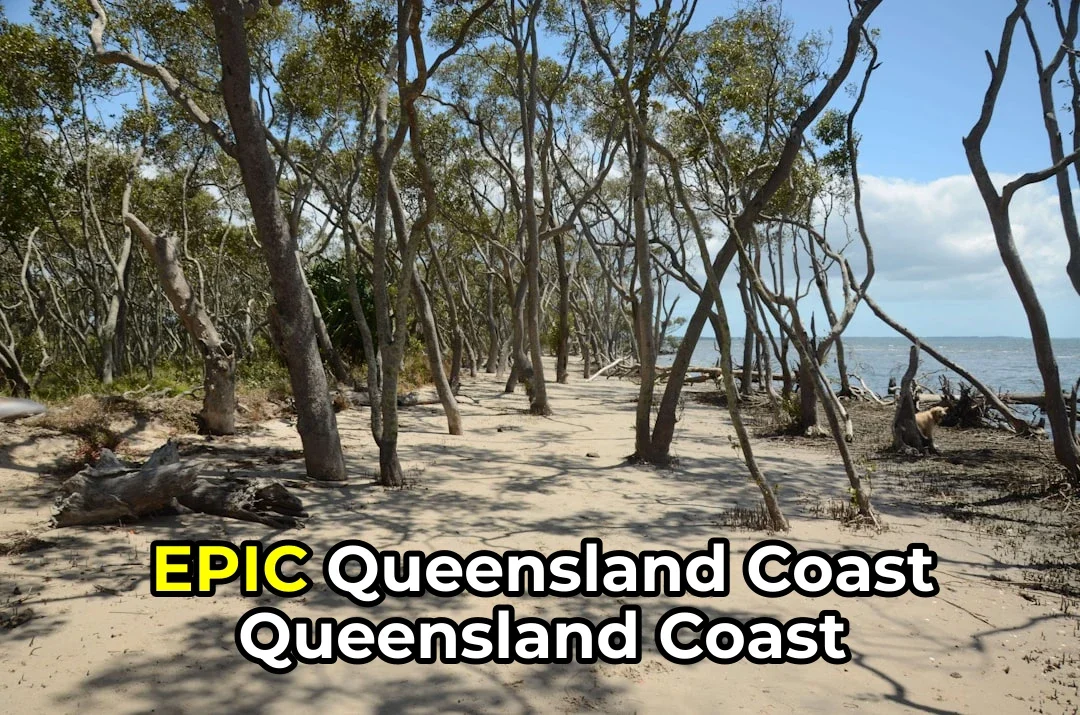
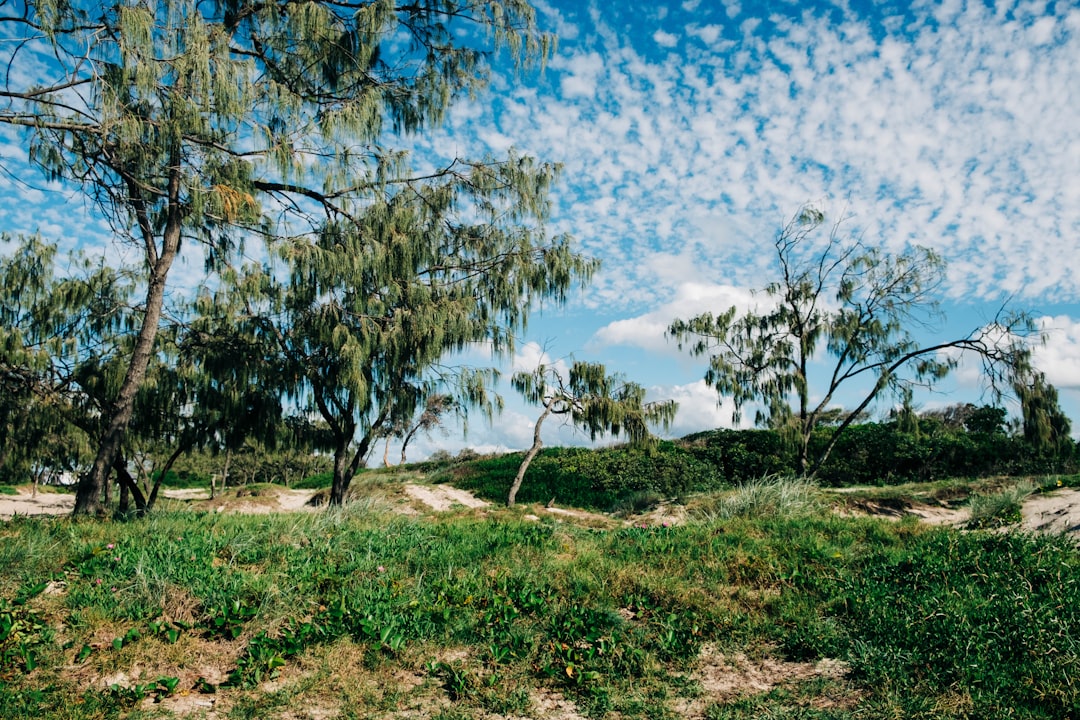
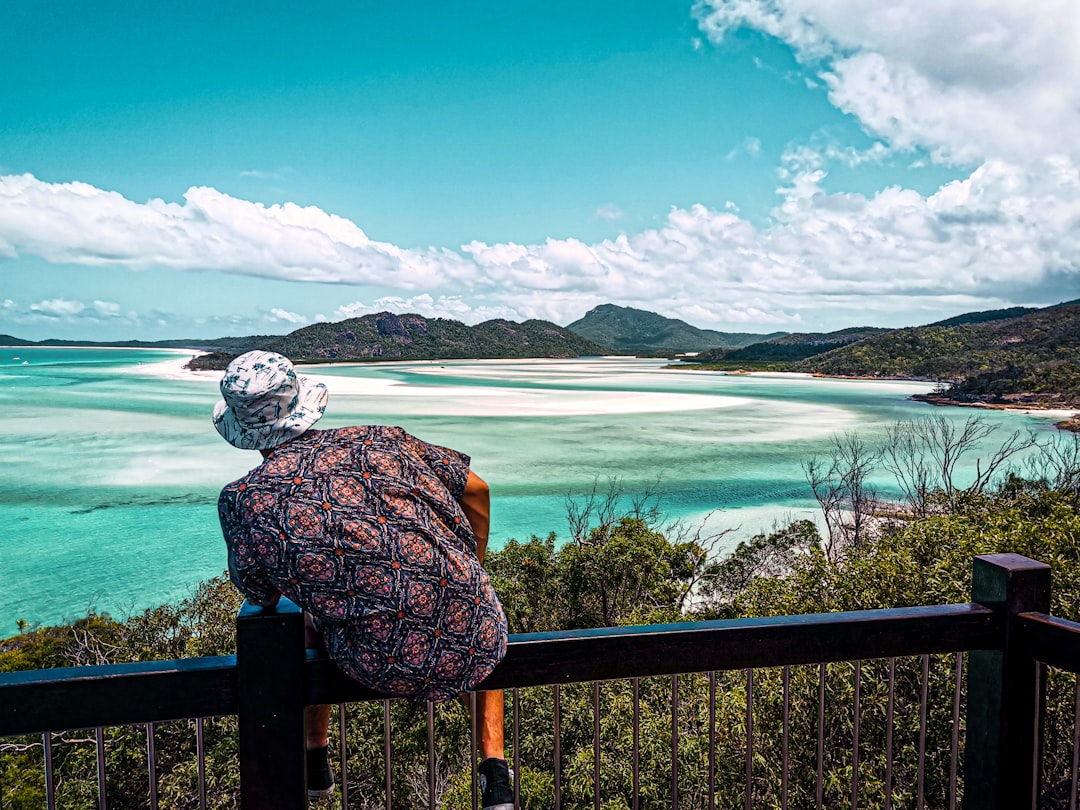
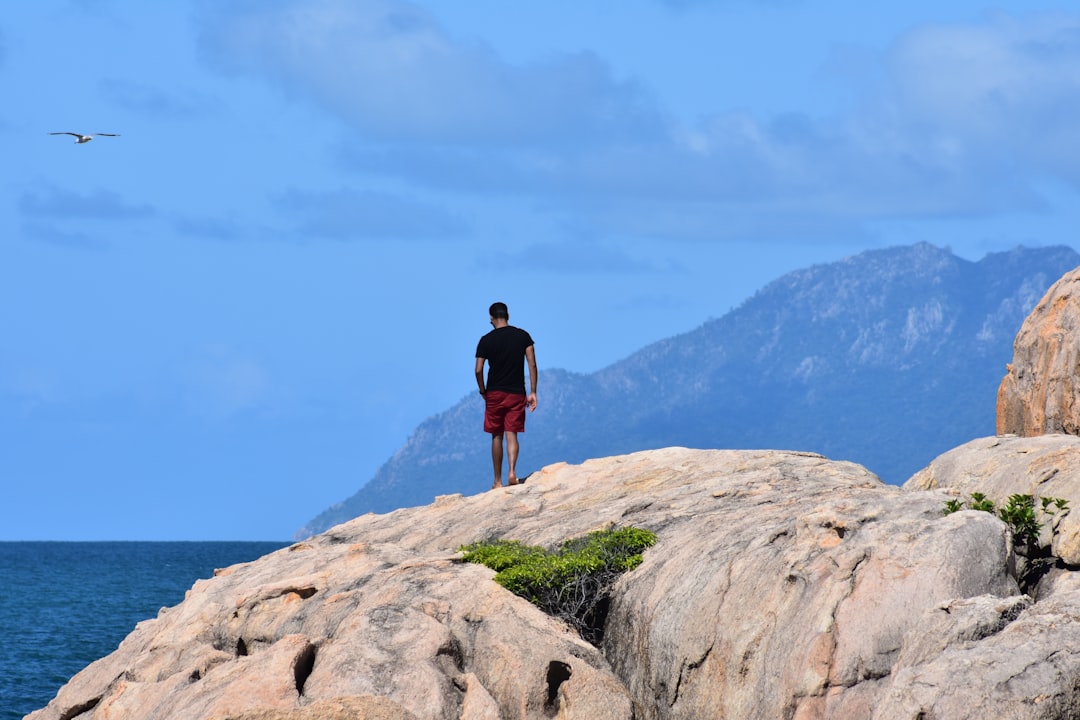
The car winds around the bend and suddenly, the world opens up into a cathedral of turquoise. Standing at the edge of Rainbow Beach, the pre-dawn chill of a Queensland morning bites gently at your cheeks. There is a specific, rhythmic sound to this hour—the crisp crunch of heavy boots on wet, packed sand, followed by the soft hiss of receding waves. The air smells distinct: salt mixing with damp earth and dried eucalyptus from the nearby dunes. As the first light hits the water, turning the surface into a sheet of hammered gold, you cast your line. The world is quiet, save for the lap of the tide and the distant cry of a brolga. You aren’t just fishing; you are waiting for the ocean to speak, knowing that in this vast stretch of coastline along the Great Barrier Reef Marine Park, timing is everything.
The Tide’s Secret Language: When to Cast Your Line
In Queensland, the calendar is less important than the moon. While tourists check dates, serious anglers watch the tides. The best time for beach fishing here is dictated by lunar cycles, which drive baitfish closer to the shore, bringing predators like Snapper, Bream, and tailor with them.
Shoulder Seasons: The Sweet Spot
The absolute “Golden Window” for beach fishing in Queensland runs from April to June. During these months, the summer heat has broken, but the winter fronts haven’t fully set in. The water temperatures are moderate, and fish are actively feeding to build energy reserves for the cooler months ahead.
- April-May: Target Tailor and Mackerel. As the water cools, these fast-moving predators move into shallower surf zones.
- June-July: Target Snapper. This is peak season for larger species, particularly around rocky headlands and sandy estuaries.
The Summer Slump and The Stinger Season
While summer (December to February) offers warm water, it comes with a caveat. The “Stinger Season” for box jellyfish and Irukandji is in full swing along the northern coast. During these months, many beaches are patrolled by stinger nets, which can restrict where you can fish safely. Furthermore, large species often move deeper water to escape the heat, making beach fishing less productive unless you target specific structure points.
Local Lore: Beyond the Tourist Maps
Data gets you to the beach, but local knowledge keeps you hooked. One of the most satisfying discoveries in Queensland fishing is finding a “hidden” spot that isn’t on the standard tourist maps.
Take, for example, a reef break near Gladstone known only to locals. It’s not marked on major tourist brochures, but it’s a hotspot for Red Emperor and Snapper. The secret here isn’t just the location; it’s understanding the current that funnels bait right past your feet. Success here isn’t about casting furthest; it’s about reading the water texture—looking for ripples that indicate moving fish.
The “Golden Hour” Story
I remember a trip in November, targeting Red Bream. The locals had warned me that the midday sun pushes fish out of the surf, so we arrived at 5:30 AM. It was 6:45 AM when the sun crested the horizon, hitting a sandbar that hadn’t been submerged since low tide. The light was perfect—low and golden. Within twenty minutes, the water exploded with surface activity. It wasn’t luck; it was the combination of low tide exposing bait and early light triggering a feeding frenzy. That morning, I learned that the best catches often happen when you respect the rhythm of the coast rather than fighting it.
The Honest Limitation: Safety and Regulations
To be a responsible angler in Queensland, you must respect the limitations imposed by weather and marine life. There is no point having the best gear if you ignore local conditions.
Furthermore, always be aware of stinger nets. If you see yellow and red flags on the beach, or netting extending into the water, you are in a stinger-protected zone. It is illegal to fish outside these nets during the high-risk season (typically December 1st to May 31st) in many northern jurisdictions.
Gear & Go: What to Bring
Beach fishing in Queensland requires lightweight, adaptable gear. You aren’t sitting on a boat; you are moving with the tide.
- Lightweight Rods: Opt for 7-9ft rods with medium-heavy action. They allow you to cast lures far into the surf without exhausting your arm.
- Sun Protection: The Queensland sun is unforgiving. A broad-brimmed hat, polarised sunglasses (to see into the water), and SPF 50+ sunscreen are non-negotiable.
- Bait and Permits: Visit a local bait shop for fresh mullet or prawns. Ensure you have your Fishing Equipment Permit if you are in a regulated area, and check the latest Fishing Queensland regulations for current bag limits on Snapper or Bream.
Key Takeaways
* Best Months: April to June offers the best balance of weather and fish activity.
* Tidal Timing: Fish around spring tides when currents are strongest.
* Summer Safety: Respect stinger nets and avoid fishing outside protected zones during Stinger Season.
* Local Knowledge: Look for rip currents and sandbars—they hold the bait, and therefore the fish.
The Queensland coast offers an authentic adventure that goes far beyond a simple day out. It is about understanding the language of the tides and respecting the power of the reef. Whether you are a beginner holding your first rod or an experienced angler chasing personal bests, the ocean here rewards patience and respect.
So, as you pack your gear for your next trip to the Gold Coast or the Sunshine Coast, ask yourself: What’s your perfect catch, and will you be there when the tide turns?
Frequently Asked Questions
When is the best time of year for beach fishing in Queensland?
The absolute ‘Golden Window’ for beach fishing runs from April to June. During these shoulder seasons, the intense summer heat has broken, but harsh winter fronts have not fully set in. Water temperatures remain moderate, encouraging active feeding as fish build energy reserves for cooler months. April and May are ideal for targeting fast-moving predators like Tailor and Mackerel, while June to July offers peak season for larger Snapper around rocky headlands and sandy estuaries. This period provides the best balance of favourable weather conditions and high fish activity compared to the summer slump.
How do lunar cycles and tides affect fish behaviour?
In Queensland, lunar cycles are more critical than calendar dates because they drive baitfish closer to shore, attracting predators like Snapper, Bream, and Tailor. Anglers should prioritise ‘spring tides’, which feature extra high and low water levels that create stronger currents. These powerful flows concentrate baitfish, causing predators to follow them into shallower waters. If the tide drops significantly, fish may scatter quickly once they have fed on exposed bait. Success relies on reading water texture for ripples indicating moving fish and casting early during these optimal tidal windows rather than relying on luck.
What are the safety risks associated with fishing during summer?
Summer, particularly from December 1st to May 31st in northern jurisdictions, presents significant risks known as ‘Stinger Season’. Box jellyfish and Irukandji are prevalent, leading to the deployment of stinger nets on many beaches. It is illegal to fish outside these protected zones during this high-risk period, and ignoring yellow and red flags or netting can be dangerous. Additionally, large species often move to deeper water to escape heat, making beach fishing less productive unless you target specific structure points. Cyclone season (November to April) also brings lethal strong currents and debris, so always check Bureau of Meteorology forecasts before heading out.
What gear and permits are essential for Queensland beach fishing?
Beach fishing requires lightweight, adaptable gear suitable for moving with the tide. Opt for 7-9ft rods with medium-heavy action to cast lures far into the surf without fatigue. Essential safety items include a broad-brimmed hat, polarised sunglasses to see underwater, and SPF 50+ sunscreen. You must carry a valid Fishing Equipment Permit if in regulated areas and check the latest Fishing Queensland regulations for current bag limits on species like Snapper or Bream. Fresh mullet or prawns make effective bait, but always check tide tables before departure to avoid being caught by a rapidly rising tide with heavy gear.




Be the First to Comment
Sign in to start the conversation.