
Ever Stood on a Board in Water So Clear You Could Count the Sea Turtles Gliding Six Metres Below Your Feet?
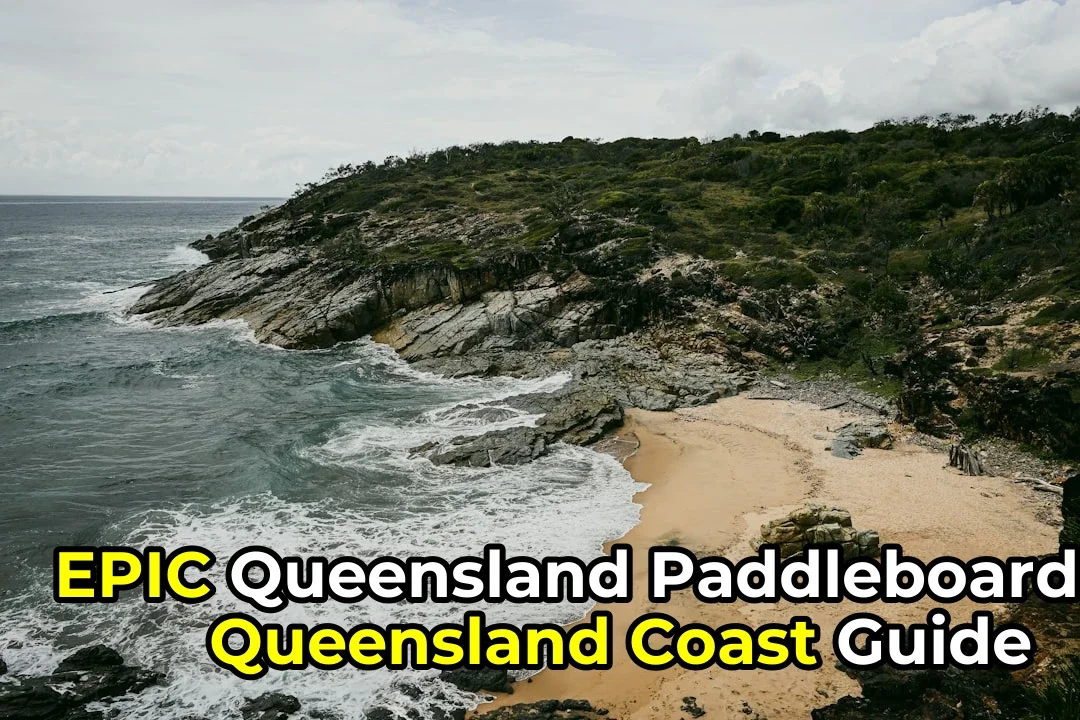
That’s not hyperbole—that’s a standard Tuesday morning in Queensland. The thing about paddleboarding along Australia’s eastern coastline is that it tricks you into thinking you’ve travelled somewhere tropical and foreign, when really you’ve just driven two hours north of Brisbane or hopped a flight to Cairns. The water clarity, the wildlife density, the absurdity of paddling directly above the world’s largest living structure… it’s the kind of experience that makes you understand why Queensland consistently delivers some of the best water sports Australia has to offer. And here’s the myth that needs busting immediately: you don’t need pro balance, a fitness model’s core, or even particularly good coordination. The calm coastal stretches protected by the Great Barrier Reef create conditions where beginners genuinely can relax. Let’s get into the real talk.
The Water That Tricks You — Understanding Queensland’s Paddleboarding Personality
Here’s what nobody tells you about outdoor water sports Australia coastline variety: the Southern Ocean and the Coral Sea might as well be different planets. Victoria’s surf coast will humble you. Western Australia’s afternoon seabreeze will test your resolve. But Queensland? Queensland cheats in your favour.
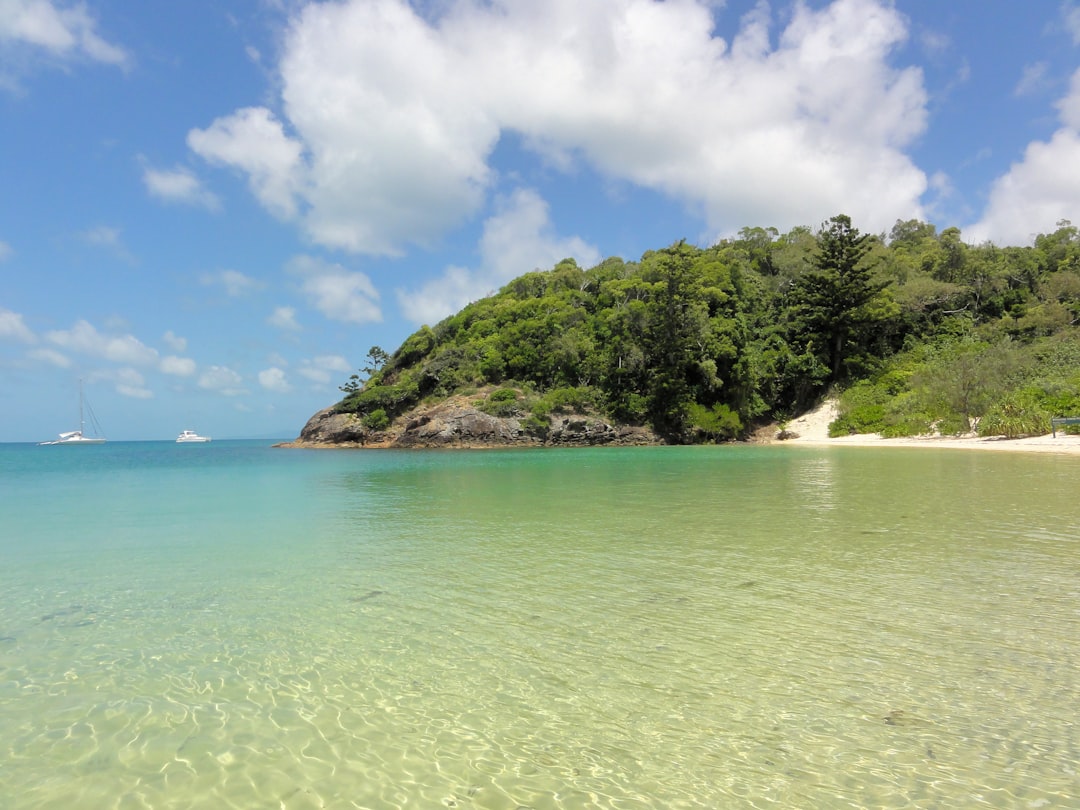
The Great Barrier Reef doesn’t just look pretty on postcards—it acts as a massive breakwater that flattens ocean swell before it reaches the mainland. This means locations like the Whitsundays, Noosa, and Port Douglas experience chop conditions that are genuinely beginner-friendly for about 80% of the year. The water clarity is the other factor that separates Queensland from other water sports Australia destinations. We’re talking 30-metre visibility in peak conditions. You’re not just paddling on water; you’re floating above an aquarium.
The Honest Limitations
Not every Instagram-perfect spot delivers. Airlie Beach looks idyllic but battles fierce afternoon winds that turn paddleboarding into a core workout you didn’t sign up for. The Gold Coast’s broadwater suffers from boat traffic that creates constant wake disruption. And anywhere north of Port Douglas during the summer wet season (January through March) faces reduced visibility from runoff. The trick is knowing where the protected microclimates exist—and that’s what the rest of this guide delivers.
Three Creatures That Will Probably Crash Your Paddle (And One That Definitely Won’t)
Wildlife encounters aren’t guaranteed in outdoor water sports Australia experiences, but Queensland paddleboarding gets suspiciously close. Here’s the probability breakdown from someone who’s spent more hours on a board than is probably healthy.
The Near-Guarantee: Sea Turtles
Noosa’s everglades system and the Whitsundays’ fringing reefs host turtle populations that have zero fear of paddleboards. Green sea turtles and loggerheads surface for air every 15-20 minutes, and they’ll often drift directly beneath your board with the casual indifference of locals who’ve seen it all. Double Island Point, reachable only by 4WD or boat, delivers such reliable turtle encounters that I’ve stopped counting.
The “I Can’t Believe This Is Real” Moment: Dugongs
Moreton Bay shelters one of Australia’s significant dugong populations. These gentle sea cows (technically sirenians, related to manatees) graze on seagrass beds and surface slowly, creating a heart-stopping moment when you realise that grey shape isn’t a rock. Late winter through early spring offers the best water clarity for spotting them. They’re shy, so maintain distance and savour the silence.
The Graceful Startle: Rays
Eagle rays and cowtail rays launch from the seafloor when spooked, occasionally directly under your board. The first time it happens, you’ll wobble. The tenth time, you’ll barely flinch. They’re not aggressive—just dramatic in their exit strategy.
The One You’re Secretly Worried About: Sharks
Let’s address the unspoken fear. Reef sharks exist in these waters. Blacktip sharks and whitetips patrol the drop-offs. Here’s the reality: they’re not interested in you. Paddleboards don’t resemble prey, and the vibrations you create don’t trigger feeding responses. In 15 years of Queensland paddleboarding, I’ve never had a shark approach a board. The danger isn’t the sharks—it’s letting the fear of them stop you from experiencing what makes the best water sports Australia offers so extraordinary.
The “I Wish Someone Had Told Me” Files — Local Knowledge Drop
This is the section born from mistakes. Expensive, frustrating, trip-damaging mistakes that you can now avoid.
The 10:30am Mistake
Board Rental Realities
I almost booked a $30 half-day rental in Airlie Beach before a local paddleboard instructor noticed me eyeing the warped, sun-damaged equipment. Those boards were waterlogged, unstable, and would have wrecked my lower back within an hour. The extra $20-30 for quality epoxy or inflatable boards from established operators isn’t upselling—it’s the difference between loving your day and counting minutes until you can return the thing. Check for pressure dings, soft spots, and fin stability before handing over cash.
The Seasonal Secret
Late August through October delivers Queensland’s sweet spot. The winter crowds have dispersed, water clarity peaks at 25-35 metres, and the stinger risk is minimal (more on that below). January looks appealing on paper—summer warmth, holiday vibes—but brings cyclone swells, reduced visibility, and the full marine stinger season. If you’re planning around water sports Australia experiences, September is your gold standard month.
Parking Truths Nobody Shares
Noosa’s main beach carpark is a nightmare by 7am during peak season. The locals’ secret: park at Noosa Heads Lions Park and walk the coastal track to the everglades launch point. Airlie Beach? The Cannonvale Beach parking area sits 15 minutes walk from the main strip but saves you the circling frustration. Port Douglas operators often include parking coordination—ask when booking.
Your Three-Day Paddleboarding Roadmap (That You Can Actually Pull Off)
Forget the overwhelming 20-spot lists. Here’s a buildable itinerary that progresses from confidence-builder to pinch-yourself moments.
Day 1: Noosa Everglades — The Confidence Builder
Fitness required: Low. Wildlife probability: High. Instagram factor: High.
The everglades system north of Noosa offers flat, protected water with minimal boat traffic and extraordinary wildlife density. You’ll paddle through melaleuca and mangrove forests where the only sounds are paddle strokes and bird calls. The water is tannin-stained (like tea) which reduces visibility but creates stunning reflections. Book a guided eco-tour for your first outing—they’ll handle the logistics and point out wildlife you’d otherwise miss.
Day 2: Whitsundays — The “Pinch Yourself” Day
Fitness required: Moderate. Wildlife probability: Very high. Instagram factor: Off the charts.
Base yourself at Airlie Beach and take a water taxi to Whitehaven Beach or Hook Island. The fringing reefs here mean you’re paddling directly over coral gardens with turtle and ray encounters virtually guaranteed. The turquoise absurdity of Hill Inlet viewed from your board is the kind of moment that justifies the entire trip. Pack lunch, beach your board on the white silica sand, and snorkel directly from shore.
Day 3: Fitzroy Island or Palm Cove — The Recovery Day
Fitness required: Low to moderate. Wildlife probability: Moderate. Flexibility factor: High.
The Overrated Skip
Surfers Paradise broadwater. The boat traffic, jet ski congestion, and murky water make it the antithesis of what makes Queensland paddleboarding special. Drive 30 minutes north or south and the experience transforms entirely.
Stinger Season: The Honest Safety Brief
Marine stingers (box jellyfish and Irukandji) are present in Queensland waters from November through May. This isn’t fear-mongering—it’s manageable reality. During these months, wear a stinger suit (most rental operators provide them free or for a small fee). The suits also provide sun protection, which you’ll appreciate by hour two. Outside of stinger season (June through October), the risk is negligible and many paddlers skip the suits. Always check local signage and operator guidance.
Key Takeaways
- Dawn launches avoid wind — be on water by 6am, off by 9am for best conditions
- Late August to October is the sweet spot for visibility, weather, and minimal stinger risk
- Spend extra on quality board rentals — cheap equipment will ruin your experience
- Noosa Everglades for beginners, Whitsundays for the spectacular, Fitzroy Island for reef access
- Stinger suits are non-negotiable November through May — provided by most operators
The Board’s Waiting
The only question is whether you’re the person who reads about paddling over the world’s largest living structure, or the one who comes back with the turtle photo that makes their group chat genuinely jealous. Queensland’s combination of protected waters, extraordinary visibility, and accessible wildlife encounters delivers some of the best water sports Australia experiences available—and you don’t need elite fitness or pro skills to access them.
Here’s your first actionable step: if you’re a beginner, book the Noosa Everglades eco-tour for day one. The guides handle everything, the water is forgiving, and the turtle encounters will hook you immediately. If you’re confident on a board, secure a Whitsundays camping permit through the Queensland Parks website and spend a night on Whitehaven Beach. Either way, target September for your trip, set that 5am alarm, and prepare for the kind of morning that recalibrates what you thought was possible on a paddleboard.
Frequently Asked Questions
What makes Queensland’s coastline different from other Australian paddleboarding destinations?
The Great Barrier Reef acts as a massive natural breakwater that flattens ocean swell before it reaches the mainland, creating beginner-friendly conditions at locations like the Whitsundays, Noosa, and Port Douglas for about 80% of the year. The Coral Sea maintains consistently warm temperatures of 22-29°C year-round, meaning the season never closes unlike southern states. Water clarity is exceptional, reaching 30-metre visibility in peak conditions, essentially letting you float above an aquarium.
When is the best time of year to go paddleboarding in Queensland?
Late August through October delivers Queensland’s sweet spot for paddleboarding. During this period, winter crowds have dispersed, water clarity peaks at 25-35 metres, and stinger risk is minimal. September is the gold standard month. Avoid January through March if possible, as the summer wet season brings cyclone swells, reduced visibility from runoff, and full marine stinger season.
How can I avoid wind and crowds when paddleboarding in Queensland?
Launch at dawn and plan to be off the water by 9am. Queensland’s coastal heating creates thermal onshore breezes from 10:30am onwards that turn relaxed paddles into battles against drift. For parking, avoid Noosa’s main beach carpark (full by 7am in peak season) and instead use Noosa Heads Lions Park. At Airlie Beach, park at Cannonvale Beach for a 15-minute walk rather than circling the main strip.
How much should I expect to pay for quality paddleboard rentals in Queensland?
Budget around $50-60 for a quality half-day rental rather than the cheap $30 options. The extra $20-30 for epoxy or quality inflatable boards from established operators is essential—cheap equipment is often warped, waterlogged, and unstable, which will strain your lower back and ruin the experience. Always inspect boards for pressure dings, soft spots, and fin stability before paying.
Be the First to Comment
Sign in to start the conversation.