

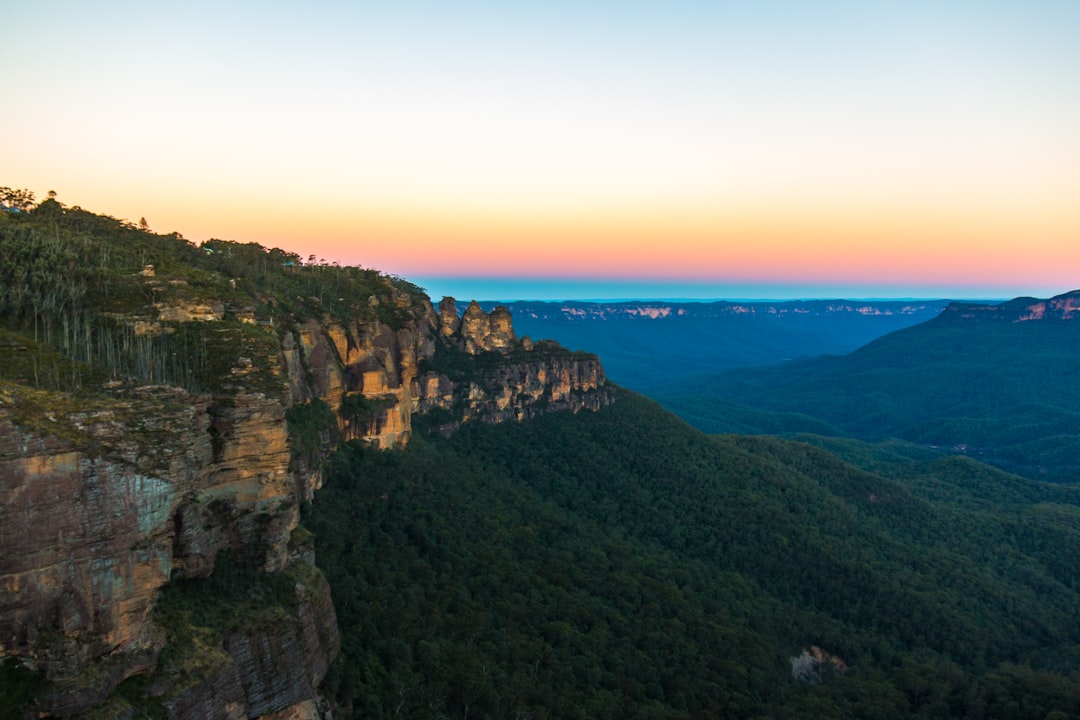

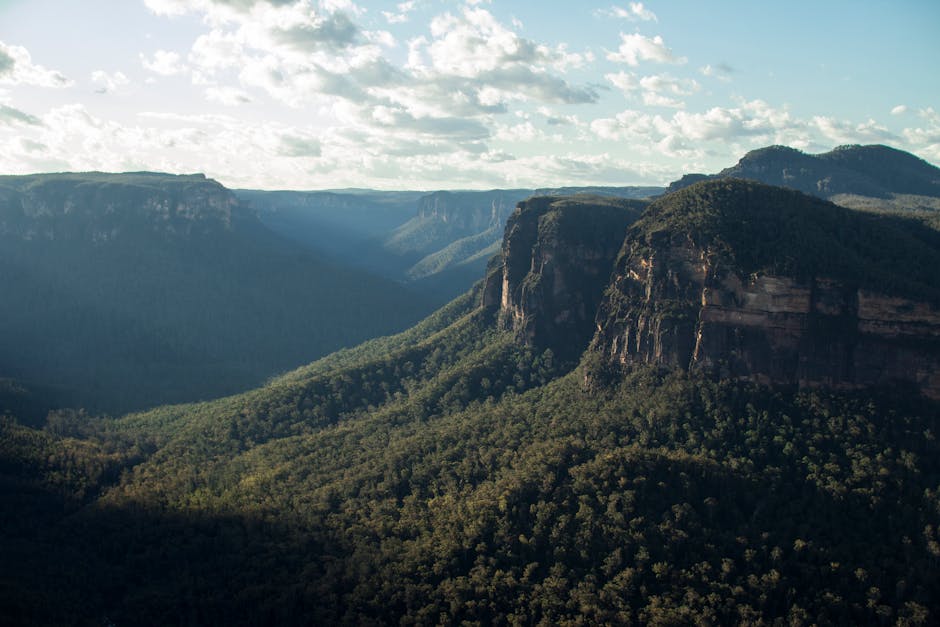
🔥 Standing at the edge of the Jamison Valley, the mist rolls through the eucalypt canopy and suddenly—a vibrant Galah flits past! Everything you need to know about Blue Mountains Wildlife Watching in one post!
📍 Location Overview: The Wildlife Capital of NSW
Listen mate, if you’re chasing native wildlife in Australia, the Blue Mountains are absolutely your best bet! Located just a solid 90-minute drive west of Sydney, this UNESCO World Heritage site isn’t just about those iconic three sisters rock formation. It’s a thriving ecosystem where you’ll spot everything from tiny pygmy possums to majestic wedge-tailed eagles. The key here is knowing where to look—keep your eyes on the higher canopy and the misty valleys during early morning.
🚗 Getting There & Best Spots
Driving from Sydney via the M4 is a ripper trip in itself, but once you’re in, stick to these gems. First up, Katoa Valley walking track is a deadset classic for spotting kangaroos and wallabies grazing on the weekends. For birdwatchers, head to Wentworth Falls—birdlife there is insane! I also reckon the Mount Tomah Botanic Gardens have native bird feeders that attract honeyeaters and lorikeets. Pro tip: The earlier you start, the better. Wildlife is most active between 6am and 9am before the tour buses roll in.
⚠️ Essential Gear Checklist for First-Timers
Don’t turn up unprepared, yeah? Here’s what you need to pack. First, binoculars—seriously, don’t rely on your eyes alone if you want to spot a possum up high. A good zoom lens camera is handy too, but leave the flash off! Wear sturdy walking shoes because tracks can get muddy. Bring a long-sleeved shirt and insect repellent—mosquitoes love the valleys in summer. And pack plenty of water! A lightweight backpack with a thermos of coffee is my personal must-have.
🐨 What Wildlife Will You Actually See?
You’re gonna be spoilt for choice! Koalas are everywhere here, especially in the eucalyptus forests near Leura and Katoomba. Look for them sleeping high in the branches—don’t expect to see many on the ground unless they’re moving between trees. Kangaroos and wallabies are common in open grassy areas, especially at dawn or dusk. Keep your ears peeled for the distinctive call of the Kookaburra (hence the name ‘Laughing Jackass’), and keep a lookout for the rare Glossy Black-Cockatoo in the wetter forest areas. Oh, and keep an eye out for the tiny Yellow-Bellied Glider if you’re lucky!
💰 Costs & Practical Info
The good news? Most wildlife watching here is free! National Park entry fees apply on weekends and public holidays (currently around $8-15 AUD per car), but weekday visits are dirt cheap. Some guided tours exist, but honestly, self-guided is often more rewarding and way cheaper. Pack your own brekkie—there are plenty of picnic spots along the Great Western Highway. Just remember to respect the wildlife: never feed them, keep a safe distance (at least 5 metres for kangaroos), and stay on marked trails to protect their habitat.
💡 Insider Tips for the Best Experience
Here’s my secret weapon: patience. Don’t just drive past; stop and look up! Many beginners miss the canopy dwellers like Pygmy Possums or Sugar Gliders. Try visiting during autumn (March-May) when the weather is crisp but not freezing, and birds are especially active preparing for winter. If you’re visiting with kids, the Australian Reptile Park in nearby Sydney is a great backup, but for raw nature? The Blue Mountains deliver every time. Check the NSW National Parks website for fire bans before you go!
📋 Practical Info
📍 Blue Mountains National Park, NSW 2795, Australia
🚗 From Sydney CBD, approx. 1.5 – 2 hours by car via M4/M32
💰 $8-$15 AUD per vehicle (weekends/holidays); Weekdays often free
🕐 National Park gates open 24/7; Visitor centres operate 9am-5pm
⏱️ Full day recommended (4-6 hours minimum for best sightings)
💡 Tips & Warnings
✅ Start early! 6am-9am is peak wildlife activity time. You’ll have fewer people and better light for photos.
❌ Never feed the wildlife. It’s illegal, harmful to their health, and encourages aggressive behaviour.
⚠️ Check for Fire Danger Ratings before heading out. Some tracks close during high-risk days.
🚀 Have you been to Blue Mountains for wildlife watching? Share your experience! 🚀
#BlueMountains #AustralianWildlife #KoalaSpotting #SydneyDayTrip #NatureLoversAU


Be the First to Comment
Sign in to start the conversation.