
On the Great Ocean Road, wind speeds regularly exceed 100 km/h, and temperatures can drop 15°C below the national average during winter months. This isn’t just ‘breezy’; it is a climate that actively dismantles poorly pitched gear. A stretch of Victoria’s coastline spanning 243 kilometres from Torquay to Allans Ford, the Great Ocean Road (GOR) is globally recognised for its dramatic cliffs and the iconic 12 Apostles limestone stacks. However, to treat it as a standard camping destination is a critical error. This environment does not offer passive relaxation; it demands active respect and technical precision. The romanticised image of the 12 Apostles at sunset often obscures the gritty reality of camping here, where the “Furious Fifties” – those roaring latitudinal winds from the Southern Ocean – dictate every aspect of the experience. For the Australian outdoor enthusiast, understanding this microclimate is the first step in ensuring survival and comfort.
The “Furious Fifties” Protocol: Site Selection & Gear
The primary challenge of camping along the Great Ocean Road is not distance, but exposure. The geography of Victoria’s coast creates natural wind tunnels between rock formations and headlands, accelerating airflow to dangerous levels. A standard site selection strategy based on flat ground or proximity to water will likely fail here. Instead, campers must employ a “Furious Fifties” protocol that prioritises shelter over scenery.
The Mechanics of Coastal Wind
When the Southern Ocean storms move east to west, they encounter the Otway Ranges. The compression of air against these cliffs increases wind velocity significantly. Consequently, campers must look for specific geological features that break the wind pattern. Valleys and coves offer natural protection, whereas headlands act as amplifiers for gust fronts.
Site Selection Checklist:
* Avoid Chimney Effects: Do not pitch tents in narrow, steep-sided valleys. The wind accelerates through these spaces, creating a chimney effect that can destabilise structures and generate deafening noise.
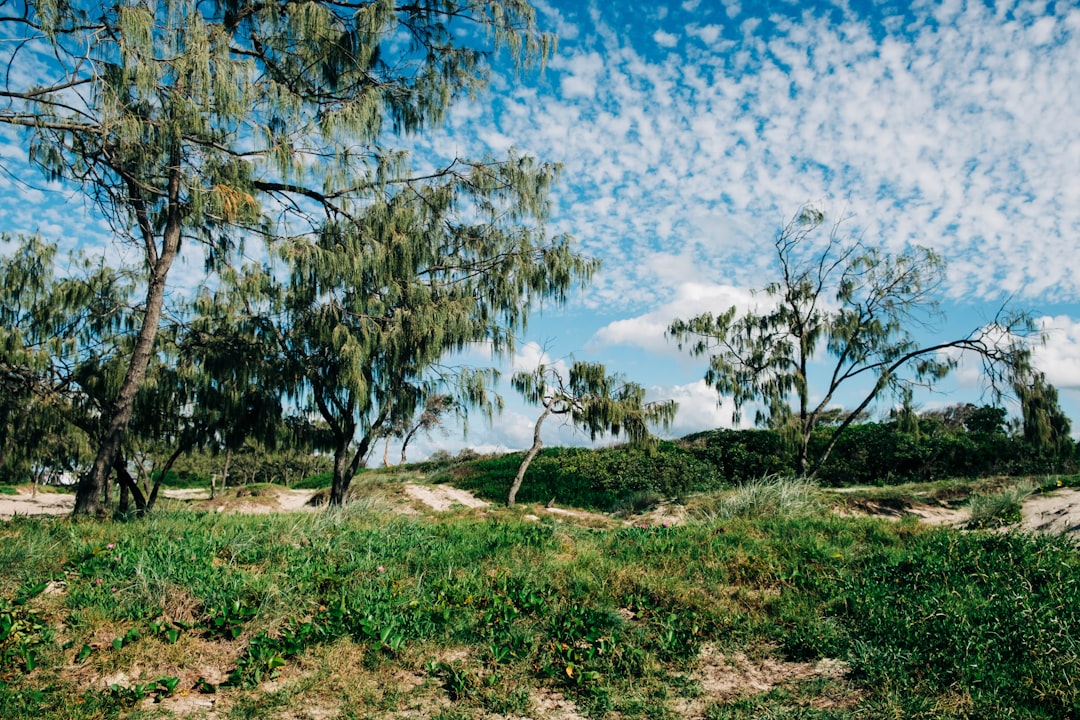
* Utilise Natural Windbreaks: Look for sites near mature gum forests or dune systems. Trees, when properly spaced, act as permeable barriers that slow wind without creating turbulent eddies.
* Elevation Matters: Paradoxically, slightly elevated sites within a protected cove can be safer than low-lying areas prone to pooling saltwater and fog.
> Warning: Never attempt to set up a tent on exposed headlands during the winter months (May–August). The combination of salt spray and high winds can cause moisture penetration that leads to hypothermia, even in summer-grade sleeping bags.
Technical Gear Requirements
Standard three-season camping gear is often insufficient for the Great Ocean Road, particularly outside of peak summer. The “Wind Tunnel” tale—a composite of frequent incidents near Port Campbell—describes a scenario where a standard tent collapsed under a sudden gust front. The failure was not in the fabric strength, but in the anchoring system.
The Essential Gear List:
1. 4-Season Tents: Opt for geodesic or semi-geodesic structures that distribute wind load across multiple poles. These are designed to shed high winds rather than resist them like an airfoil.
2. Weighted Guylines: Standard pegs often pull out of sandy or rocky coastal soil. Use deadman anchors (buried bags filled with sand) or rock anchors. Add extra weight to guylines using specific pouches to prevent flapping, which wears out the fabric.
3. Wind-Resistant Stoves: Butane stoves lose efficiency in cold air. Iso-butane mixes or liquid fuel stoves are mandatory for reliable cooking and warmth during early mornings.
> Expert Tip: If you must camp on exposed sites, always bring sandbags and large rocks. In the absence of soil anchors, these can secure your tent’s perimeter effectively. Admitting that even with perfect gear, comfort levels will be lower on exposed sites is crucial; choose campgrounds known for shelter, such as Aire River Campground near Apollo Bay, rather than scenic but harsh headland options.
The Coastal Corridor Map: Geographic Zoning
The 243km route is not a monolith; it is three distinct camping zones, each with unique logistical profiles. Understanding these zones allows campers to plan their itinerary based on infrastructure needs and desired isolation levels.
Zone 1: The Bay Zone (Torquay to Lorne)
This northern stretch offers the highest level of infrastructure. It is family-friendly, with plenty of powered sites, flush toilets, and easy access to medical facilities.
* Characteristics: High booking urgency is required for weekends and school holidays. The landscape is gentler, with wider beaches and established forests.
* Best For: Families with young children, beginners to camping, and those requiring regular vehicle maintenance access.
* Local Insight: The town of Lorne offers a vibrant café culture and late-night supply options, making it an ideal base for resupplying on remote stretches.
Zone 2: The Wild Coast (Apollo Bay to Port Campbell)
Moving south, the infrastructure thins significantly. This zone is rugged and remote, requiring self-sufficiency in water, power, and waste management.
* Characteristics: Campsites are often basic, with unpowered sites and composting toilets. The density of tourist traffic is lower, offering a more authentic “wild” experience.
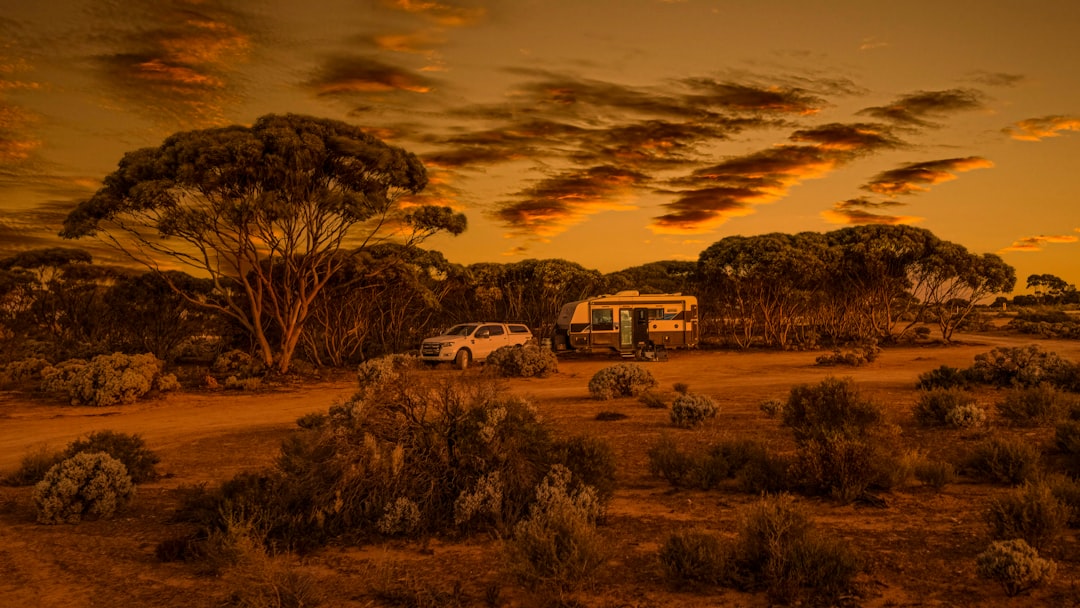
* Best For: Experienced campers, van lifers with solar/water capacity, and those seeking solitude.
* Specific Reference: Campsites near the Apollo River offer stunning scenery but require strict adherence to Leave No Trace principles due to fragile dune systems.
Zone 3: The Twelve Apostles Perimeter (Port Campbell to Apollo Bay)
This is the “golden zone” for sunrise and sunset viewing but presents significant logistical challenges.
* Characteristics: Limited facilities mean campers must bring all water and firewood (where permitted). The proximity to the 12 Apostles viewpoint means parking at campsites is difficult, requiring shuttle strategies.
* Logistical Risk: The “Great Ocean Road closure” risk is highest in this section due to landslides or storms. Before booking, always check VicRoads status updates. A closure here can strand campers or cut off emergency services.
> Pro Tip: Use GPS coordinates to locate lesser-known but high-value campsites. For example, specific access tracks near the Shipwreck Museum offer secluded spots with low light pollution, ideal for stargazing away from town lights.
The “12 Apostles” Paradox: Timing & Access
The greatest challenge for campers is not the weather, but the congestion. The 12 Apostles viewpoint receives millions of visitors annually, creating parking nightmares and diminishing the sense of isolation. The “12 Apostles” paradox suggests that the best time to camp is often *not* when the sun sets over the Apostles, but 48 hours prior or after.
The Shuttle Strategy
Driving a campervan into the parking lot at 6 AM is a recipe for stress and environmental damage. Instead, employ a shuttle strategy:
1. Camp Out of Zone: Stay in Apollo Bay or Port Campbell, where parking is easier and resources are available.
2. Use Local Transport: Utilise local buses or hire bicycles to access the Twelve Apostles Viewpoint. This reduces your environmental footprint and avoids the stress of navigating large vehicles in tight spaces.
3. Timing: Arrive at the viewpoint during off-peak hours (mid-morning or late afternoon) to avoid tour bus crowds.
> Did you know: The 12 Apostles are not static. Erosion continues to shape the limestone stacks, with some arches collapsing in recent years. Camping here offers a unique opportunity to witness geological change over time, but it also requires respecting the fragile dunes that protect these formations from further erosion.
The “Hidden Gem” Discovery
One of the most rewarding aspects of camping along the GOR is finding spots off the beaten path. A recent exploration revealed a secluded, sheltered cove near Apollo Bay that isn’t on major tourist maps. This spot was found not by following official campground listings, but by looking for “access tracks” marked on topographic maps. The key to finding these gems is flexibility: be willing to walk a few hundred metres from the main road, and you will often find pristine, wind-protected spots that offer a profound sense of discovery.
Eco-Stewardship & Leave No Trace: Coastal Specifics
Camping on the Great Ocean Road carries a heavy responsibility. The coastal ecosystem is fragile, and human activity can easily disrupt local wildlife and marine environments. Eco-stewardship must be a core part of every camping plan.
Waste Disposal Near Marine Environments
Sewage handling and grey water management are critical. Using chemical toilets in non-designated areas is strictly prohibited and carries heavy fines.
Key Guidelines:
* Grey Water: Direct grey water (from sinks/showers) at least 50 metres away from water bodies and trails. Use biodegradable soaps only.
* Sewage: Only use designated sewage dump stations. Do not bury waste or discharge it into the bush.
* Food Storage: Use bear-proof containers or hang food from trees to prevent interference with local wildlife, including birds and possums.
> Safety Note: Marine debris is a growing concern along the GOR. Campers have reported encountering plastic waste and fishing gear entangled in dune vegetation. This debris poses a risk to native species like the Little Penguin and various seabirds. Every camper must carry out more than they bring in, actively participating in the cleanup effort to maintain the “authentic Australian experience.”
Personal Story: The Storm Watch Protocol
A defining moment in coastal camping is the “Storm Watch” scenario. During a severe weather forecast, having a pre-planned strategy saved a recent trip. The protocol involved:
1. Securing Loose Gear: All external items (chairs, tables) were stowed inside the tent or vehicle.
2. Vehicle Shelter: In extreme cases, staying in a vehicle with windows up proved safer than pitching a tent.
3. Communication: Keeping a charged satellite phone or radio for emergency updates from VicEmergency.
This experience reinforced that resilience is not just about gear, but about planning for the worst-case scenario. The ability to adapt and prioritise safety over comfort is the hallmark of an expert camper.
Practical Tips for a Seamless Experience
To ensure your camping trip is enjoyable and safe, consider these additional practical tips:
* Booking Urgency: Sites along the Great Ocean Road, especially near Lorne and Apollo Bay, book up months in advance for summer. Book as soon as your dates are confirmed.
* Fire Regulations: Fire bans are common due to drought conditions. Always check current fire danger ratings and use designated barbecue areas or camping stoves only.
* Wildlife Awareness: Be aware of snakes, particularly in grassy areas. Shake out shoes and check bedding before use. Keep a safe distance from any wildlife observed.
* Fuel Up: Gas stations are sparse in the Wild Coast zone. Fill your vehicle’s tank and bring ample fuel for stoves and heaters.
Conclusion: The “Resilient Joy” Reflection
The Great Ocean Road doesn’t offer easy comfort; it offers profound connection. When you secure your tent against the wind, respect the fragile dunes, and navigate the coastal corridor with intention, you aren’t just camping – you’re participating in a centuries-old dialogue between humans and this rugged coastline. The challenges of the “Furious Fifties” and the logistical demands of remote camping are not obstacles to be overcome, but invitations to engage deeply with the environment.
By choosing the right gear, understanding the geography, and committing to eco-stewardship, campers gain a sense of accomplishment that standard tourism cannot provide. The resilience built through these experiences translates into greater confidence and appreciation for the natural world.
Key Takeaways:
* Gear Up: Use 4-season tents and weighted anchors for coastal winds.
* Zone In: Understand the three distinct zones (Bay, Wild, Apostles) for better planning.
* Shuttle Smart: Use local transport to access the 12 Apostles to avoid congestion.
* Eco First: Strictly adhere to Leave No Trace principles, especially regarding waste.
For the best experience, download the official VicRoads weather alert app and monitor local emergency broadcasts daily. The Great Ocean Road rewards those who prepare well, respect its power, and embrace the wild beauty it offers.
Frequently Asked Questions
What specific gear is required to camp safely on the Great Ocean Road?
Standard three-season gear is often insufficient for the Great Ocean Road’s extreme conditions. You must use 4-season geodesic or semi-geodesic tents that distribute wind load across multiple poles. Anchoring is critical; standard pegs fail in sandy or rocky soil, so use deadman anchors (sand-filled bags) or rock anchors. Additionally, butane stoves lose efficiency in cold air, making iso-butane mixes or liquid fuel stoves mandatory for reliable cooking and warmth during early mornings.
How should I select a campsite to avoid the ‘Furious Fifties’ wind tunnels?
Prioritise shelter over scenery by employing a ‘Furious Fifties’ protocol. Avoid narrow, steep-sided valleys that create dangerous chimney effects. Instead, look for sites near mature gum forests or dune systems which act as permeable windbreaks. Slightly elevated sites within protected coves are safer than low-lying areas prone to saltwater pooling. Never pitch tents on exposed headlands during winter (May–August) due to hypothermia risks from salt spray and high winds. Opt for campgrounds known for shelter, such as Aire River Campground near Apollo Bay.
When is the best time to visit the 12 Apostles to avoid congestion?
The best time to camp is often 48 hours prior to or after sunset at the 12 Apostles. The viewpoint receives millions of visitors, creating parking nightmares and diminishing isolation. To manage this ‘paradox’, camp out of the immediate zone in Apollo Bay or Port Campbell where parking is easier. Use local buses or hire bicycles to access the Twelve Apostles Viewpoint, arriving during off-peak hours like mid-morning or late afternoon to avoid tour bus crowds and reduce environmental impact.
What are the logistical costs and restrictions for waste disposal along the coast?
Eco-stewardship is critical and strictly enforced. Using chemical toilets in non-designated areas carries heavy fines. Direct grey water at least 50 metres away from water bodies and trails using only biodegradable soaps. Sewage must only be disposed of at designated dump stations; never bury waste or discharge it into the bush. Additionally, campers are expected to carry out more than they bring in, actively participating in cleanup efforts to protect native species like the Little Penguin from marine debris entangled in dune vegetation.
Be the First to Comment
Sign in to start the conversation.