
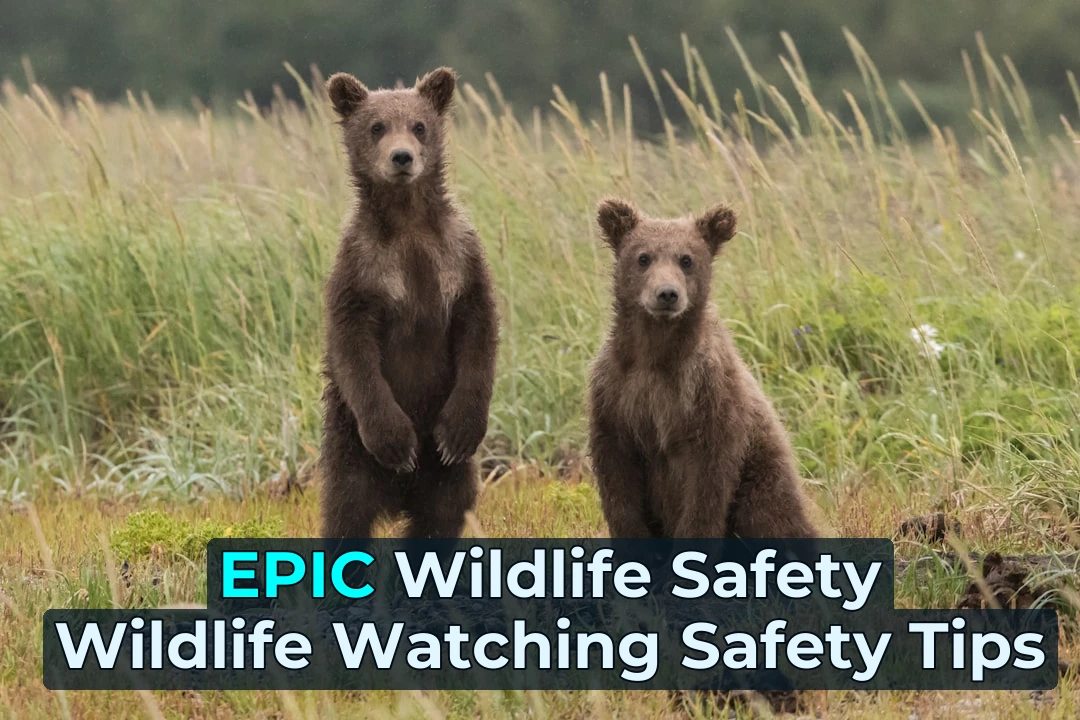
🔥 Did you know that over 50,000 visitors spot native wildlife in the Blue Mountains each year? First time wildlife watching? Don’t stress – I’ve got you covered!
🤔 What to Expect in the Blue Mountains
Righto, mate! The Blue Mountains are basically a wildlife playground. You’re gonna see everything from kookaburras laughing at your presence to pademelons (those cute little wallabies) hopping around. It’s heaps good, but it’s also a wild place! Animals are unpredictable, so respect their space. I’ve seen folks get too close to a galah or try to feed a possum, and let me tell you, it’s not a good look—and can be dangerous. The goal is to observe, not interact.
✅ Must-Have Gear Checklist
You don’t need a million bucks of kit, but you do need the basics. First up: binoculars! A good pair lets you see details without creeping into their territory. Sunnies are a must—the bush is bright! Wear sturdy walking shoes (the tracks can be rocky) and dress in layers; the mountain air changes faster than a koala’s mood. Lastly, pack a small first-aid kit and plenty of water. I always carry a whistle just in case, though I’ve never needed it!
📋 Step-by-Step: How to Watch Safely
1️⃣ Start early! Animals are most active at dawn. 2️⃣ Stay on marked tracks—this keeps you safe and protects the habitat. 3️⃢ Keep your voice down; shouting scares them off (and annoys other mates!). 4️⃣ Do NOT feed wildlife. It changes their diet and makes them aggressive. 5️⃤ If an animal approaches you, slowly back away. Never turn your back on a kangaroo! I learned this the hard way at Wentworth Falls last year—almost got headbutted by a ringer!
❌ Mistakes to Avoid
Don’t be that tourist waving food at a possum! It’s illegal and dangerous. Also, avoid using flash photography; it blinds them and stresses them out. And please, don’t chase animals for a ‘better angle.’ They’re not zoo exhibits! Another big no-no: leaving food scraps or gum wrappers lying around. Picking up your rubbish is crucial because it prevents animals from getting sick or tangled in plastic.
💪 You’ve Got This!
Honestly, it’s easier than you think! The Blue Mountains are incredibly safe if you just use your common sense. Bring your mates, grab a cuppa before the hike, and take it slow. The rewards are worth it—hearing that kookaburra cackle at sunrise is pure magic. Just remember: observe, respect, and leave no trace. Happy hunting!
📋 Practical Info
📍 Blue Mountains National Park, NSW 2795
🚗 From Sydney CBD, take the train to Katoomba Station (2 hours), then local bus or taxi.
💰 $0 entry fee for the national park (park passes required if staying overnight or camping).
🕐 Park gates are usually open dawn to dusk, but trails vary.
⏱️ 2-4 hours for a typical wildlife spotting walk.
💡 Tips & Warnings
✅ ✅ Go at dawn or dusk when animals are most active and the light is beautiful for photos.
❌ ❌ Don’t feed any wildlife, including possums or birds. It’s illegal and harmful to them.
⚠️ ⚠️ Warning: Keep a safe distance from kangaroos, especially males during breeding season. They can be territorial!
🚀 First-timers, drop your questions below! 🚀
#BlueMountainsWildlife #AustraliaTravel #WildlifeSafety #SydneyDayTrip #EcoTourism #NatureLovers

Be the First to Comment
Sign in to start the conversation.