


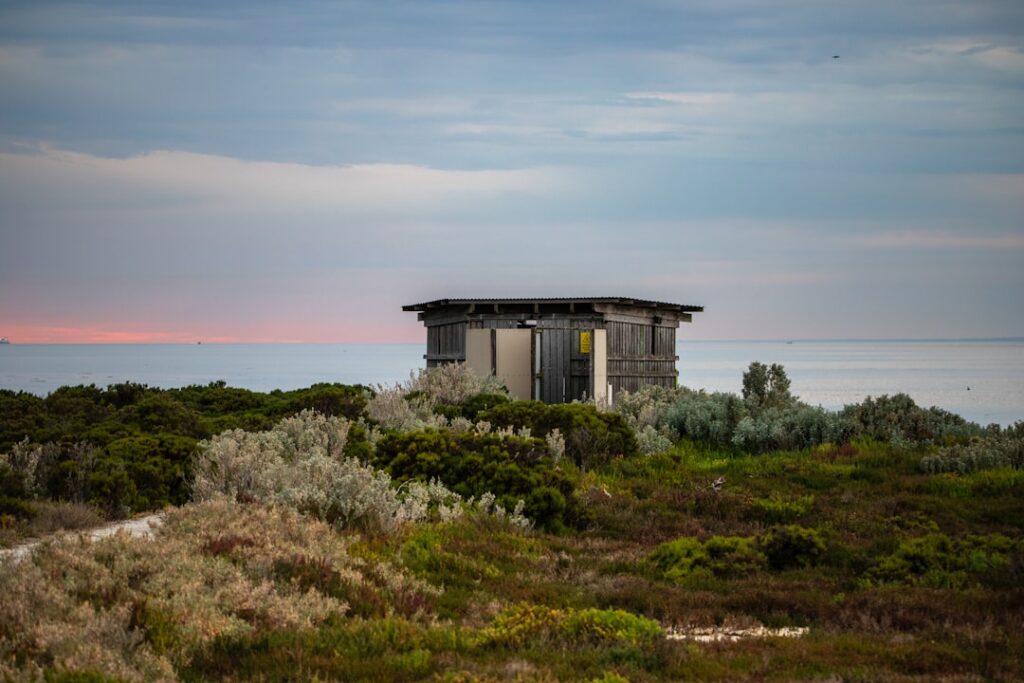
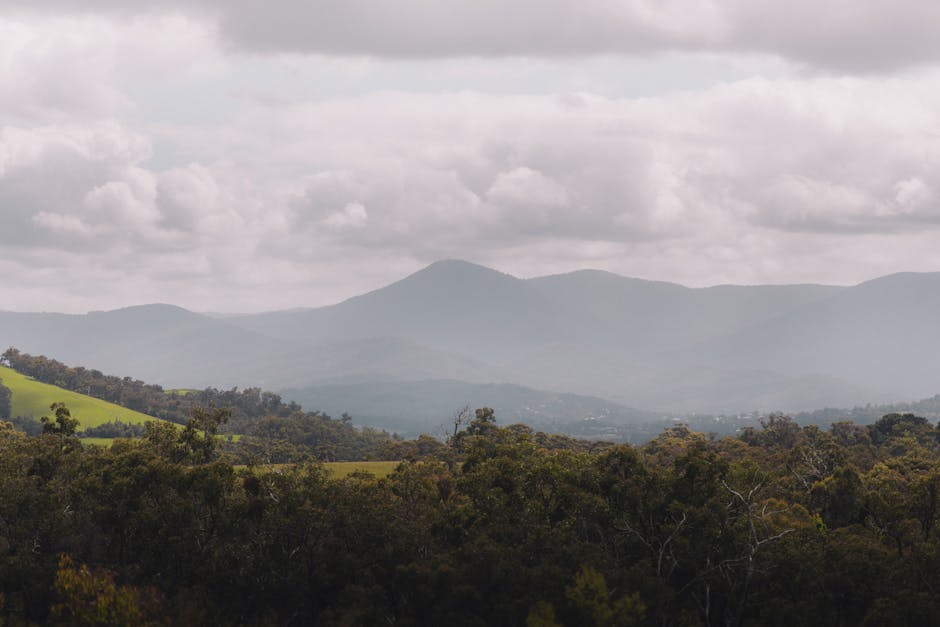
The scent of saltwater mingles with eucalyptus as you step onto the Great Ocean Road, the summer sun warming your cheeks while the cool breeze carries the rhythmic crash of waves against ancient cliffs. Your feet sink slightly into the well-worn path, where countless others have paused to take in the same breathtaking view—a panorama where turquoise waters meet rugged coastline under endless Australian sky. This is more than just a walk; it’s a journey through one of the world’s most spectacular coastal landscapes, where the Great Ocean Road stretches along 243 kilometers of Victoria’s southwest coast, offering walkers an unparalleled experience of dramatic cliffs, lush rainforests, and pristine beaches.
The Coastal Rhythm: Timing Your Summer Journey
Summer on the Great Ocean Road has its own unique rhythm, and understanding it can transform your walking experience from pleasant to extraordinary. The key is synchronizing your adventure with the natural patterns of this incredible coastline.
Early Mornings and Late Afternoons
Weather Patterns to Watch
Summer in this region can be unpredictable. While December through February typically offers warm days, sudden southerly busters can bring dramatic temperature drops and strong winds within minutes. Always check the Bureau of Meteorology forecasts before heading out, especially for coastal walks.
Beyond the Postcard: Hidden Treasures of the Limestone Coast
While the Twelve Apostles and Loch Ard Gorge rightfully draw crowds, the true soul of the Great Ocean Road reveals itself to those willing to venture slightly off the beaten path.
Secret Lookouts and Secluded Beaches
After chatting with local tour operator for over a decade, I’ve discovered several hidden gems that most visitors never see. The Castle Cove lookout, just a short detour off the main road near Princetown, offers stunning views without the crowds of more famous spots. Similarly, Apollo Bay’s Blanket Bay—accessible only via a narrow track from the town center—provides a sheltered swimming spot surrounded by dramatic rock formations.
The Rainforest Circuit
Don’t miss the opportunity to experience the contrast between the dramatic coastline and the lush temperate rainforests just inland. The Melba Gully Rainforest Walk near Lorne offers a magical escape from summer heat, with ancient ferns, towering eucalypts, and the chance to spot lyrebirds in their natural habitat.
Walking with Wisdom: Practicalities & Local Secrets
Even the most breathtaking coastal walk can become challenging without proper preparation. Here’s what locals know that you won’t find in standard guidebooks.
What to Carry (and What to Leave Behind)
Tailoring Your Walk to Your Fitness Level
The Great Ocean Road offers walks for every ability level, but summer conditions require additional planning:
- Easy: The Gibson Steps near Twelve Apostles (45 minutes return), Apollo Bay’s Foreshore Walk (1 hour), and the Cape Otway Lightstation grounds (30 minutes).
- Moderate: The Great Ocean Walk sections between Apollo Bay and Marengo Beach (3-4 hours), and the rainforest walks near Maits Rest (1.5 hours).
- Challenging: The full day hike from Castle Cove to Milanesia Beach (5-6 hours), and the challenging terrain between Johanna Beach and Ryans Den (7-8 hours).
Nature’s Gifts: What to Look For, What to Protect
The Great Ocean Road region is a biodiversity hotspot, with unique flora and fauna that have adapted to the challenging coastal conditions. Summer is a particularly vibrant time to witness this natural abundance.
Summer Wildlife Spotting
Eco-Friendly Walking Practices
As visitor numbers continue to grow, maintaining the pristine condition of this delicate environment becomes increasingly important. The Great Ocean Road National Park actively promotes the “Leave No Trace” principles, which all visitors should follow:
- Stay on marked tracks to protect fragile vegetation
- Carry out all rubbish, including organic waste like fruit scraps
- Use reef-safe sunscreen to protect marine life
- Never feed wildlife, as this can alter their natural behaviors
- Respect cultural sites and never remove artifacts or rocks
Conclusion
As you reach the end of your chosen path, the setting sun paints the sky in hues of orange and purple, reflecting off the still waters of a protected inlet. The day’s warmth gives way to the cool evening air as you take one last look at this spectacular stretch of coastline—a place where nature’s raw power meets delicate beauty in perfect harmony. Whether you’ve completed a challenging multi-day hike or enjoyed a leisurely coastal stroll, the Great Ocean Road offers experiences that stay with you long after you’ve returned home. This summer, slow down, breathe deeply, and let the rhythm of this ancient landscape guide your steps—it’s more than just a walk; it’s a connection to one of Australia’s most treasured natural wonders.
Frequently Asked Questions
What are the best times to walk the Great Ocean Road during summer?
The optimal times for summer walks on the Great Ocean Road are between 6-9 AM and 4-7 PM. These hours help you avoid peak heat while providing spectacular lighting conditions for photography. Morning light creates a golden glow on the Twelve Apostles, while late afternoons paint the cliffs in warm sunset hues. Additionally, many coastal animals including little penguins and seabirds are most active during dawn and dusk, increasing your chances of wildlife sightings.
How long are the different difficulty walks available on the Great Ocean Road?
The Great Ocean Road offers walks for all fitness levels. Easy options include the Gibson Steps near Twelve Apostles (45 minutes return), Apollo Bay’s Foreshore Walk (1 hour), and Cape Otway Lightstation grounds (30 minutes). Moderate walks consist of sections between Apollo Bay and Marengo Beach (3-4 hours) and rainforest walks near Maits Rest (1.5 hours). Challenging hikes include the full day walk from Castle Cove to Milanesia Beach (5-6 hours) and the terrain between Johanna Beach and Ryans Den (7-8 hours).
What hidden gems can be found along the Great Ocean Road beyond the main attractions?
Beyond the popular spots, several hidden gems await discovery. The Castle Cove lookout near Princetown offers stunning views with fewer crowds, while Apollo Bay’s Blanket Bay—accessible only via a narrow track—provides a sheltered swimming spot surrounded by dramatic rock formations. The Melba Gully Rainforest Walk near Lorne offers a lush escape from summer heat, with ancient ferns, towering eucalypts, and opportunities to spot lyrebirds. The stretch between Apollo Bay and Port Campbell contains some of Australia’s highest coastal cliffs with many unmarked viewpoints.
What practical items should I carry for summer walks on the Great Ocean Road?
Local experts recommend a ‘summer walking kit’ including a lightweight wide-brimmed hat, high-SPF reef-safe sunscreen (to protect marine ecosystems), electrolyte tablets for dehydration prevention, and a small first-aid kit for minor cuts from uneven surfaces. While many sections have cafes and facilities, never rely entirely on them during summer, as popular spots can run out of water and smaller kiosks may have limited hours. Carry sufficient water for your planned walk duration, especially for moderate to challenging routes.



Be the First to Comment
Sign in to start the conversation.