

What If the Most Extraordinary Underwater Experience in Australia Isn’t Where Everyone Tells You to Look?
What if the most extraordinary underwater experience in Australia isn’t where everyone tells you to look? The Great Barrier Reef gets the glory, the marketing budgets, and the international recognition—but savvy marine enthusiasts know that some of the continent’s most remarkable snorkelling happens far from Cairns. Julian Rocks Marine Reserve, situated just 2.5 kilometres off Byron Bay’s coastline, represents one of Australia’s most biologically diverse underwater environments. Here, where the warm tropical currents of the north meet the cooler temperate waters of the south, snorkelers encounter an improbable gathering of species that have no business sharing the same reef. This convergence zone creates encounters that shouldn’t exist in a single ecosystem—and it’s accessible via a 20-minute boat ride from one of Australia’s most beloved coastal towns.
The Meeting Point: Understanding What Makes Australian Snorkelling Different
Australia’s snorkelling magic isn’t simply about warm water and coral formations. The continent’s 35,000-plus kilometres of coastline encompasses an extraordinary range of marine environments, from the tropical reefs of Queensland to the temperate kelp forests of Victoria. What makes places like Byron Bay genuinely special is their position at biological crossroads—convergence zones where ocean currents create unique opportunities for encounters you won’t find elsewhere.
The East Australian Current—that famous “expressway” immortalised in Finding Nemo—transports warm tropical water southward along the coast, allowing species like butterflyfish, angelfish, and manta rays to venture far beyond their typical ranges. Meanwhile, the Leeuwin Current on Australia’s west coast performs a similar function, pushing tropical species further south than geography would suggest possible. These currents don’t just transport warmth; they carry larvae, nutrients, and entire communities of marine life that establish themselves in places where temperate and tropical worlds collide.
Byron Bay sits precisely at one of these collision points. The waters surrounding Julian Rocks—named by Captain James Cook in 1770—receive influences from both the warm Coral Sea currents and the cooler Tasman Sea. The result? A marine reserve where you might spot a tropical painted moray eel sharing territory with a temperate blue groper, or witness grey nurse sharks (a species more commonly associated with southern waters) patrolling alongside loggerhead turtles that have ridden the currents from tropical nesting grounds.
This isn’t accidental geography. Australia’s position as an island continent, combined with its span across multiple climate zones, creates numerous such convergence zones. Lord Howe Island, Ningaloo Reef in Western Australia, and even sections of the Great Barrier Reef’s southern reaches all benefit from similar oceanographic phenomena. Understanding this framework transforms how you approach Australian snorkelling: it’s not about finding the single “best” location, but about understanding which convergence zone matches your interests, timing, and experience level.
The Local’s Gradient: A New Way to Choose Your Spot
Traditional snorkelling guides organise locations by skill level—beginner, intermediate, advanced. But this framework misses something crucial about how people actually experience the ocean. A 70-year-old with decades of snorkelling experience might prefer calm, sheltered waters not because they lack skill, but because they’ve learned to prioritise comfort over adventure. Conversely, a fit 25-year-old first-timer might crave the adrenaline of an open-water encounter. What matters more than skill classification is what I call “commitment level”—a combination of effort, expense, and logistical complexity that helps you choose experiences matching your energy, budget, and curiosity on any given day.
Low Commitment, High Reward: Wategos Beach
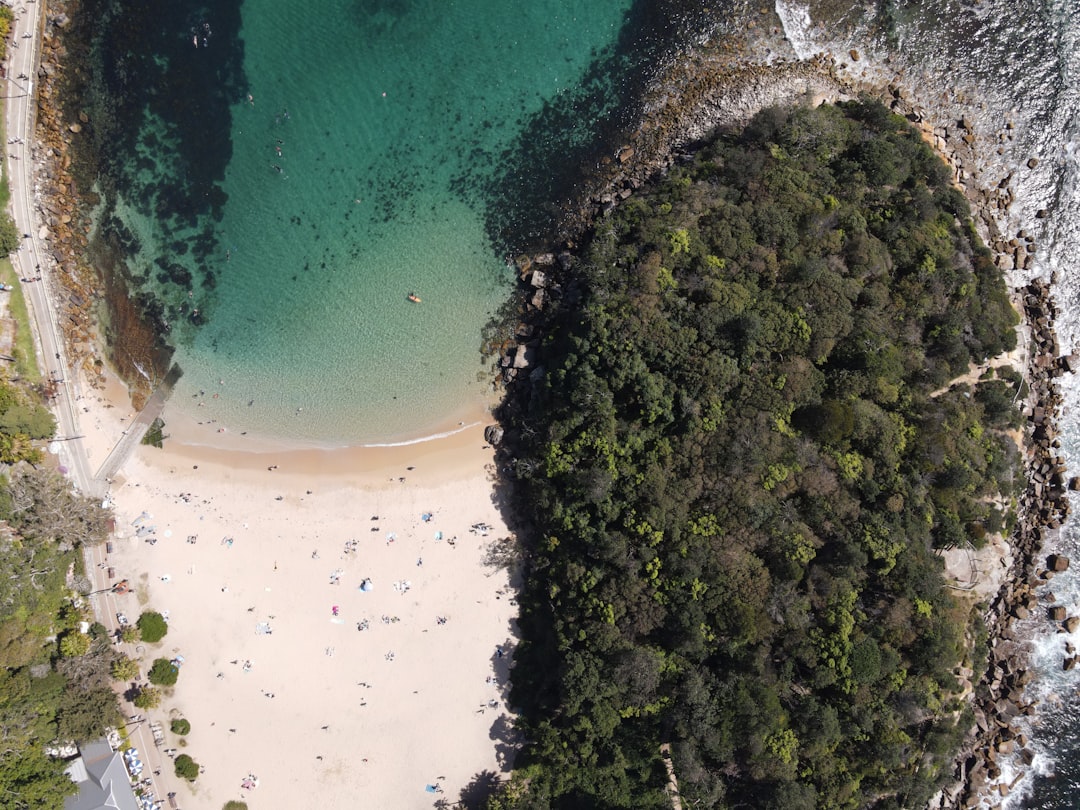
Wategos Beach represents everything excellent about low-commitment snorkelling: drive-up access, no booking required, free parking (if you arrive early), and genuinely rewarding marine life just metres from shore. The northern end of the beach, near the rocky headland, offers the best snorkelling territory. Here, a shallow rocky reef extends outward, attracting a surprising diversity of species despite the beach’s popularity with swimmers and surfers.
What you’ll encounter: Schools of yellowtail scad, sweep, and occasionally friendly blue gropers—the Labrador retrievers of the fish world, known for approaching snorkellers with curiosity rather than caution. The rocky substrate provides habitat for octopus, colourful nudibranchs, and various wrasse species. Visibility varies dramatically; calm summer mornings can deliver 10-plus metres, while post-storm conditions might leave you peering through milky water at shapes you can’t quite identify.
Honest limitations: Wategos won’t give you turtles, manta rays, or sharks. The reef is limited in extent, and serious snorkellers will exhaust its possibilities within a few sessions. But for a spontaneous morning dip that costs nothing but your time, it’s genuinely worthwhile—and an excellent confidence-builder for children or nervous beginners.
Medium Commitment: The Pass
The Pass sits at the northern end of Clarkes Beach, where a rocky promontory creates the channel through which most Byron Bay boat traffic passes. This location requires more from you: careful attention to conditions, timing your visit around boat traffic, and enough confidence to handle water that’s occasionally deeper and more dynamic than Wategos offers.
The reward for this increased commitment is significantly better marine diversity. The rocky walls of the headland drop into deeper water, creating habitat for species that avoid the shallows. This is prime leopard shark territory during warmer months (November through April), when these beautifully patterned, entirely harmless sharks congregate on the sandy bottom to rest. Growing up to 1.5 metres in length, leopard sharks present an impressive sight—yet they’re filter feeders, posing zero threat to humans.
What you need to know: The Pass requires genuine condition-reading skills. Check swell direction and height before entering; a south-easterly swell creates washing-machine conditions against the rocks, while a northerly swell often leaves the area calm. Avoid the area entirely when fishing boats are actively working the channel—their presence means bait in the water, which attracts larger predators you may not want to share space with.
High Commitment, Transformative Potential: Julian Rocks Marine Reserve
Julian Rocks represents the premium snorkelling experience in Byron Bay—and for many enthusiasts, along the entire Australian east coast. Accessible only by boat, requiring advance booking with a licensed operator, and costing between $95-140 depending on the provider, this isn’t a spontaneous beach visit. It’s a planned expedition, and that’s precisely why it delivers experiences impossible from shore.
The reserve encompasses two main rocky outcrops—technically the eroded remnants of an ancient volcanic plug—surrounded by sandy bottom and scattered reef. Multiple dive sites around the rocks offer different experiences: The Nursery, a shallow area perfect for beginners, teems with colourful reef fish and often hosts resting wobbegong sharks. The Cod Hole, a cave-like swim-through, shelters massive Queensland groupers that can exceed two metres in length. And the deeper drop-offs occasionally attract pelagic species—manta rays, eagle rays, and during winter months, the migrating grey nurse sharks that make Julian Rocks famous.
What makes Julian Rocks genuinely exceptional isn’t any single species, but the ecological impossibleness of the whole. Where else in Australia can you encounter tropical species like clownfish and butterflyfish sharing territory with temperate visitors like silver drummer and pigfish? The current-driven mixing creates a biological richness that surprises even experienced marine biologists.
Honest Limitation: I’ve had days at Julian Rocks with three-metre visibility where I saw more plastic than fish. This isn’t a sales pitch—it’s realistic preparation. The same currents that bring nutrients and marine life also carry runoff after heavy rains, and plankton blooms can reduce visibility to frustrating levels. I now call dive shops directly and ask: “Would you send your mother out today?” Their hesitation tells you everything.
The Biological Calendar: When to Find What
Understanding seasonal patterns transforms your chances of meaningful encounters. Rather than a generic “best time to visit” recommendation, here’s what you might reasonably expect throughout the year—and how to stack the odds in your favour.
Summer (December–February): Leopard Sharks and Warm Water
Water temperatures peak at 25-27°C during Byron Bay summers, bringing the highest species diversity of the year. Leopard sharks become the star attraction, congregating at The Pass and around Julian Rocks in numbers that can reach dozens of individuals in a single area. These docile sharks spend daylight hours resting on sandy substrate, making them reliable photographic subjects for patient snorkellers who approach without sudden movements.
Summer also brings increased turtle activity, with green and loggerhead turtles more frequently spotted around Julian Rocks. However, this is peak tourist season—book your Julian Rocks trips at least a week in advance, and expect higher prices and fuller boats.
Autumn (March–May): Manta Season and Settling Conditions
As water temperatures begin their gradual decline from summer highs, autumn often delivers the most reliable visibility of the year. The crowds thin, boat bookings become easier, and a particular magic begins: manta ray season. While mantas appear at Julian Rocks throughout the year, autumn (and spring) bring the highest encounter rates, as these magnificent rays—some with wingspans exceeding four metres—visit cleaning stations where small fish remove parasites from their bodies.
Floating motionless while a manta ray circles metres from your face ranks among the most profound wildlife experiences Australia offers. The key is patience: mantas are curious but easily disturbed by aggressive swimmers. Let them come to you.
Winter (June–August): Grey Nurse Sharks and Clear Water
Winter water temperatures drop to 18-21°C—cold enough that a wetsuit becomes essential rather than optional. But this seasonal change brings the grey nurse sharks that have made Julian Rocks internationally significant. These magnificent predators, growing to over three metres, congregate around the reserve in numbers that can exceed thirty individuals during peak season.
Winter also delivers the clearest visibility of the year—often exceeding 20 metres on good days—as reduced rainfall means less runoff and fewer algal blooms. For serious underwater photographers, winter represents the premium season.
Spring (September–November): Transitions and Surprises
Spring in Byron Bay brings transitional conditions: water temperatures climbing, occasional visibility challenges as the first summer rains arrive, but also a second peak in manta ray activity. This is also when you might encounter juvenile turtles, hatched on beaches further north and riding the strengthening East Australian Current southward.
Spring’s unpredictability makes it fascinating for repeat visitors. Each session might deliver something different—a wandering dugong (rare but documented), orca (even rarer, but several sightings have occurred in recent years), or the more reliable summer species beginning their return.
The Gear Reality: What Actually Matters
Snorkelling gear marketing has created an entire industry around features you probably don’t need. Let’s cut through the noise with ruthlessly practical advice.
What to Rent vs. Buy
Masks: Always personal. Face shape matters enormously—a mask that seals perfectly on one person will leak constantly on another. If you’re committed to multiple snorkelling sessions, invest in a quality mask fitted by professionals. Several Byron Bay dive shops offer prescription masks for around $120-180—a worthwhile investment if you wear glasses, as the underwater world is considerably less impressive when blurred.
Wetsuits: Rent them. Quality wetsuits are bulky to travel with and expensive to purchase. Byron Bay operators rent 3mm shorties (adequate for summer) and 5mm full suits (necessary for winter) for $15-25 per day. The exception: if you run cold or plan extended sessions, owning a well-fitted wetsuit ensures comfort.
Fins: Personal preference dominates here. Some snorkellers love split fins for their efficiency; others prefer traditional blade designs. If you’re travelling light, rent. If you’re building a kit for regular use, try multiple styles before committing.
What No One Tells You
Defogging: The hierarchy of effectiveness is baby shampoo (mixed with water in a small spray bottle) > spit > commercial defogging sprays. The reason is simple: baby shampoo cleans the lens without leaving residue, while many commercial sprays eventually build up and become counterproductive.
Dry-top snorkels: These sound appealing—valves that prevent water entry when you dive below the surface—but they often cause more problems than they solve. The valves can stick, creating breathing resistance precisely when you don’t want it. For most snorkellers, a simple J-tube with a splash guard works better and costs less.
The Practical Pilgrimage: Logistics, Access, and Stacking the Deck
Booking Julian Rocks
Multiple operators run trips to Julian Rocks, but they’re not equivalent. Some carry 20+ snorkellers on large vessels, creating crowded conditions at the best sites. Others limit numbers to 8-10, providing more personalised attention and less underwater congestion. During peak periods (school holidays, summer weekends), book at least a week in advance.
Operators with marine biologists on staff justify their slightly higher prices. The commentary transforms a good experience into an educational one—you’ll learn about the species you’re seeing, the conservation challenges they face, and the research being conducted at the reserve. Look for operators who mention research partnerships or who contribute to citizen science programs.
Reading Conditions
Learning to read marine forecasts dramatically improves your chances of good experiences. Key tools include:
- Willyweather: Provides detailed swell direction, height, and period data. For Byron Bay snorkelling, you want swell heights under 1.5 metres and periods over 10 seconds (longer periods mean more organised, less chaotic swell).
- Willyweather tide predictions: Tide timing matters more than most snorkellers realise. Incoming tides bring clearer ocean water; outgoing tides can carry turbid water from estuaries and creeks.
- Wind forecasts: Any wind over 15 knots creates surface chop that reduces visibility and makes boat travel uncomfortable. North-westerly winds create the calmest conditions for Byron Bay.
Cost Breakdown
| Experience | Approximate Cost | What’s Included |
|---|---|---|
| Wategos Beach (shore snorkel) | $0-15 | Just parking; bring your own gear or rent mask/fins from town |
| The Pass (shore snorkel) | $0-15 | Same as above; conditions matter more here |
| Julian Rocks (boat trip) | $95-140 | Boat transport, guide, gear rental usually included |
| Julian Rocks (premium small group) | $150-180 | Limited numbers, often includes underwater photos, marine biologist guide |
When to Bail
Not every day delivers magic. Signs that you should reconsider your plans:
- Recent heavy rainfall (within 48 hours) causing runoff and reduced visibility
- Swell direction directly into Byron Bay (south to south-east) creating surge conditions
- Operator hesitation when you ask direct questions about conditions
- Strong winds creating surface chop that will exhaust you quickly
The best snorkellers aren’t the most skilled—they’re the most patient, willing to wait days or weeks for conditions that will deliver the experience they’re seeking.
Beyond the Bay: The Australian Snorkelling Landscape
Byron Bay offers an accessible entry point to Australian snorkelling, but the continent’s underwater diversity extends far beyond one location. Understanding how Byron fits into the broader landscape helps you plan longer trips and appreciate what makes each region distinctive.
Ningaloo Reef (Western Australia)
Ningaloo represents a fundamentally different proposition: a fringing reef accessible directly from shore in many locations, unlike the Great Barrier Reef which requires boat access. The highlight here is whale shark encounters (March through July), but the snorkelling along the inner reef offers exceptional coral gardens and abundant tropical fish. The remote location (Exmouth or Coral Bay) means fewer crowds but significantly more travel expense and time.
Lord Howe Island
Another convergence zone, Lord Howe sits where tropical and temperate waters meet, creating
Frequently Asked Questions
What is Julian Rocks Marine Reserve and why is it significant for snorkelling in Australia?
Julian Rocks Marine Reserve is situated 2.5 kilometres off Byron Bay’s coastline, accessible via a 20-minute boat ride. Named by Captain James Cook in 1770, it’s one of Australia’s most biologically diverse underwater environments. A 2022 Southern Cross University study documented 267 fish species at the reserve. What makes it exceptional is its position at a convergence zone where warm tropical currents from the north meet cooler temperate waters from the south, allowing tropical species like clownfish and butterflyfish to share territory with temperate visitors like blue gropers and grey nurse sharks.
How much does it cost to snorkel at Julian Rocks compared to shore-based options around Byron Bay?
Shore snorkelling at Wategos Beach or The Pass costs $0-15 (essentially just parking if you have your own gear, or a small rental fee from town shops). Julian Rocks boat trips cost $95-140 with standard operators, including boat transport, guide, and gear rental. Premium small-group tours with limited numbers (8-10 snorkellers), marine biologist guides, and underwater photos cost $150-180. Book at least a week in advance during peak periods like summer weekends and school holidays.
When is the best time of year to see grey nurse sharks and manta rays at Julian Rocks?
Grey nurse sharks congregate at Julian Rocks during winter (June-August), when water temperatures drop to 18-21°C. Numbers can exceed thirty individuals during peak season, and winter typically delivers the clearest visibility—often exceeding 20 metres. Manta rays appear year-round, but autumn (March-May) and spring (September-November) bring the highest encounter rates. Some mantas have wingspans exceeding four metres. For leopard sharks, visit during summer (December-February) when water temperatures reach 25-27°C.
How can I check conditions before booking a Julian Rocks snorkelling trip?
Use Willyweather for swell direction, height, and period data—for Byron Bay snorkelling, aim for swell heights under 1.5 metres and periods over 10 seconds. Check wind forecasts for anything over 15 knots, which creates surface chop. North-westerly winds create the calmest conditions. Time your visit with incoming tides, which bring clearer ocean water. Call dive shops directly and ask honestly about conditions—one expert tip is to ask: “Would you send your mother out today?” Their hesitation tells you everything. Avoid snorkelling within 48 hours of heavy rainfall due to runoff.
What snorkelling gear should I buy versus rent for snorkelling around Byron Bay?
Always buy your own mask—face shape matters enormously for a proper seal, and quality masks fitted by professionals are essential. Prescription masks cost $120-180 if you wear glasses. Rent wetsuits ($15-25 per day) as they’re bulky to travel with; 3mm shorties work for summer (25-27°C water), while 5mm full suits are necessary for winter (18-21°C). Fins are personal preference—rent if travelling light. For defogging, baby shampoo mixed with water in a spray bottle works better than commercial sprays. Avoid dry-top snorkels as their valves often stick.



Be the First to Comment
Sign in to start the conversation.