
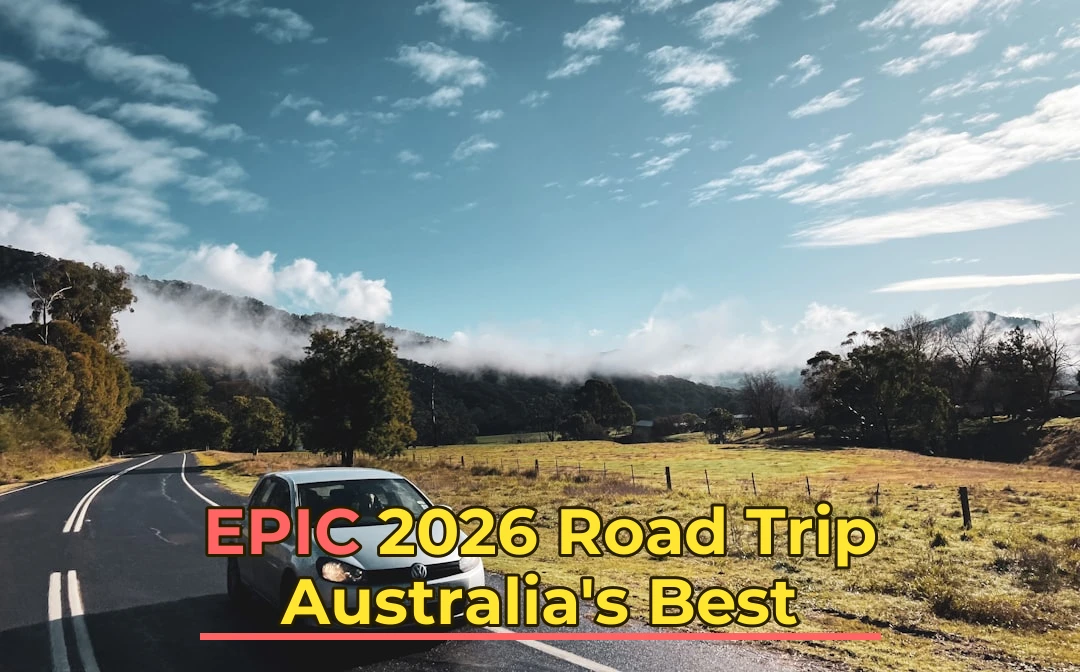
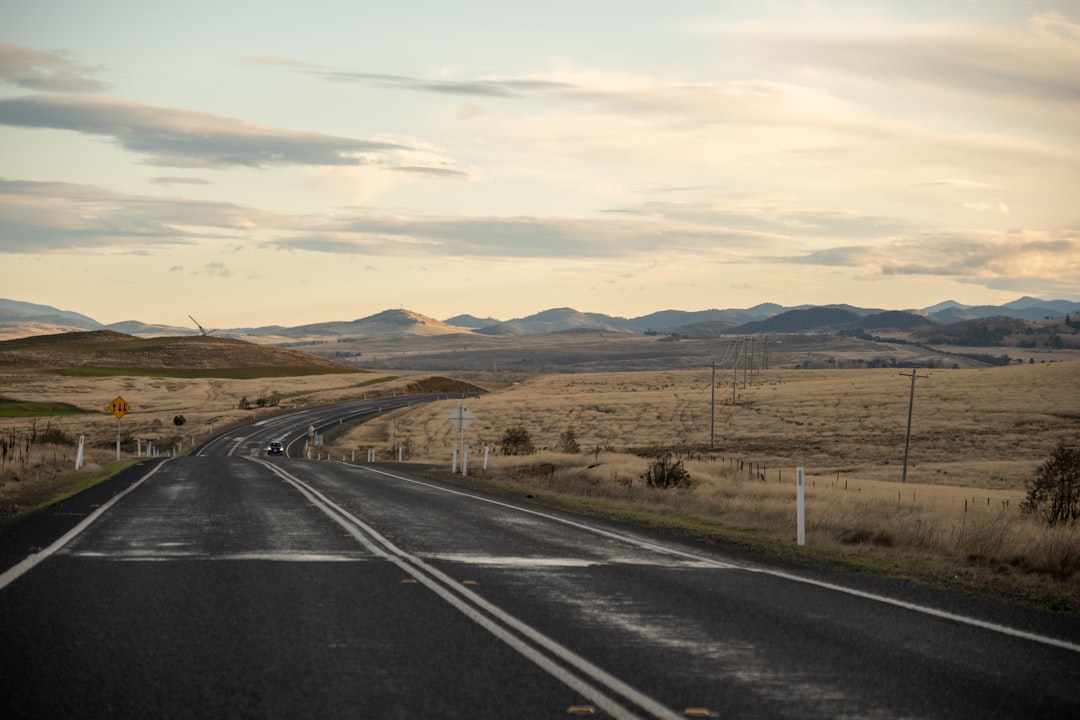
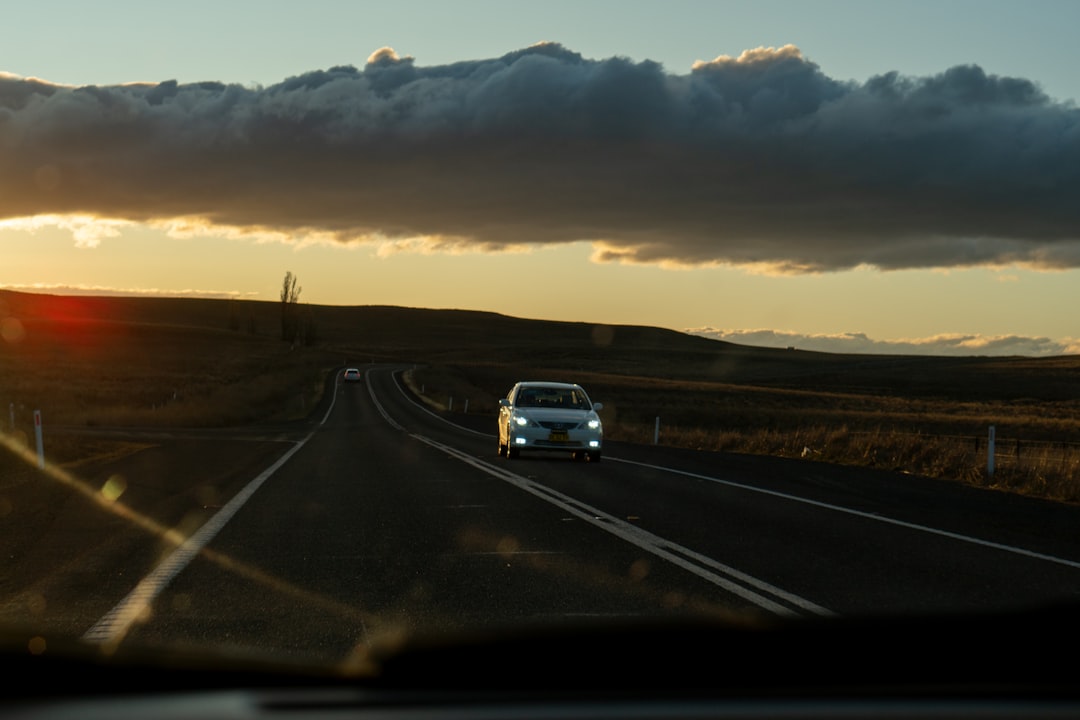
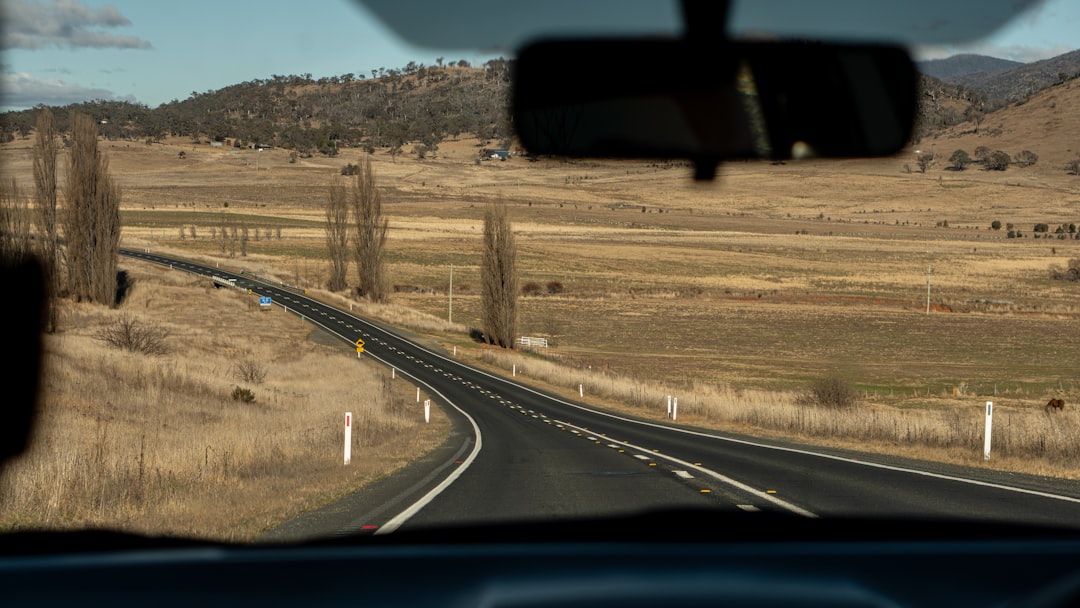
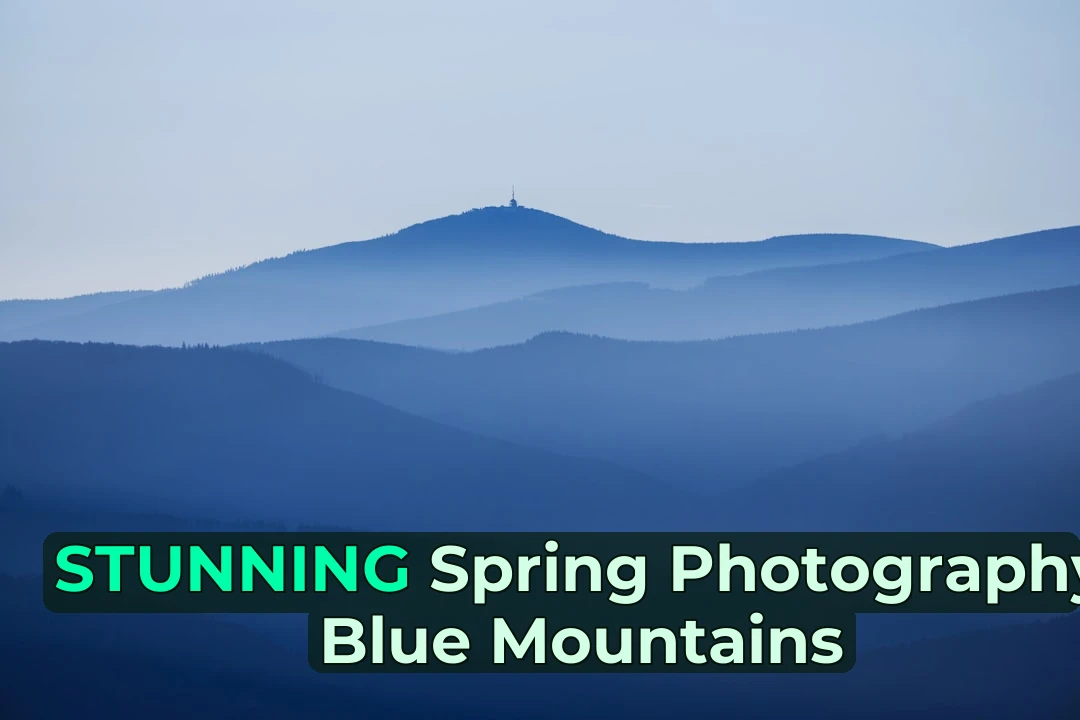
The car winds around the final sweeping bend of the Great Western Highway, and suddenly, the relentless hum of Sydney’s urban sprawl is replaced by a vast, undulating sea of eucalyptus canopy. As you crest the ridge towards Leura, the morning mist clings to ancient sandstone cliffs, casting a literal “blue” haze over Katoomba that seems to hold the world in suspension. The air changes instantly, shifting from exhaust fumes and hot asphalt to the cool, damp scent of mountain gum leaves and rainforest ferns. This isn’t just a change in scenery; it is a transition into a different dimension of time and space, where the silence isn’t empty but filled with the rustle of wind through towering trees and the distant, echoing call of a kookaburra. Here, in the heart of New South Wales, Australia’s Blue Mountains stand as a testament to geological endurance and natural beauty, welcoming visitors not merely as tourists, but as intruders into a world that has existed long before the concrete paths of the city began to creep closer.
Section A: The Pre-Flight Checklist (The 2026 Reality)
Entering the Blue Mountains from Sydney is no longer just about filling a tank with fuel and hitting the road. In 2026, the logistics of travelling between Sydney’s CBD and the mountain high country require a level of precision that didn’t exist five years ago. The route is well-mapped, but the variables have multiplied. To ensure your “blue mountains directions” are foolproof, you must understand the current infrastructure landscape.
The Route & Traffic Patterns
The primary artery remains the Great Western Highway, but traffic patterns have shifted. With remote work policies stabilising in Sydney, weekend “blue mountains from sydney” traffic no longer peaks solely on Saturdays. Fridays have become the new bottleneck, while Sundays see a steady trickle of return traffic that can extend well into Katoomba past 4:00 PM.
* Toll Road Updates: If you are taking the M4 Western Motorway to connect to the highway, note that all tolls are now electronic. Ensure your e-tag is active or that you have an account linked to your licence plate. There are no physical booths, but fines for non-payment have increased in severity this year.
* Fuel Station Spacing: Historically, you could top up anywhere in the Western Suburbs. However, recent depot consolidations mean fewer options once you pass Penrith before entering the mountain towns. Fill up in Blacktown or Penrith rather than waiting for Katoomba, where prices are approximately 15% higher due to transport costs.
What’s Changed in 2026?
* EV Infrastructure: Leura now boasts six rapid-charging stations, including a major hub near the Leura Mall. However, options in Katoomba remain limited to standard plug-in points at scenic lookouts. If you are driving an electric vehicle, your range anxiety is valid; plan your charging stops in Leura before heading deeper to Mount Victoria.
* Trail Closures: Following the recovery efforts from the 2024 bushfire season, several minor trails in the Wentworth Falls area remain fenced off for ecological regeneration. Always check the National Parks NSW website 24 hours before departure, as seasonal closures can happen without warning.
Section B: The Three Villages, Reimagined (Accommodation & Base)
Choosing where to stay in the Blue Mountains is less about finding a bed and more about selecting your operational base. The region is traditionally divided into three main hubs: Katoomba, Leura, and the smaller settlements to the west like Mount Victoria. In 2026, “blue mountains accommodation” has moved beyond standard motels to cater specifically to the *traveler archetype*.
1. The “Basecamp” (Katoomba)
Target: Families, First-Timers, Active Hikers.
Katoomba is the undisputed capital of the high country. It offers walkability to the famous Three Sisters rock formation and immediate access to the Scenic World cable cars.
* Why Choose It: You want convenience. Most boutique lodges here offer “early bird” breakfast packages designed for hikers wanting to beat the crowds.
* Local Knowledge: Cell service is generally reliable in Katoomba town centre, but inside deeper valley accommodations (like those near Wentworth Falls), expect spotty 4G coverage. Wi-Fi is standard in high-end lodges but often throttled or non-existent in budget hostels.
2. The “Secluded” (Leura)
Target: Couples, Digital Nomads, Art Enthusiasts.
Just 10 minutes north of Katoomba lies Leura, often called “The Jewel of the Mountains.” It is smaller, more affluent, and famous for its gardens and boutiques.
* Why Choose It: If you prefer artisan markets over souvenir shops, Leura is superior. Accommodation here often features garden retreats that offer genuine privacy amidst the town bustle.
* Connectivity: Leura has better fibre-optic infrastructure than Katoomba, making it the preferred choice for remote workers needing reliable upload speeds.
3. The “Wild” (Mount Victoria / Hazards Retreat)
Target: Experienced Adventurers, Wellness Seekers.
Further west along the highway lies Mount Victoria and Hazards Retreat. This area is quieter, with less light pollution and a profound sense of isolation.
* Why Choose It: For those seeking “bush camping” or high-end glamping, this is the place. The views of the Jamison Valley from these western points are often clearer and less obstructed by tourism crowds.
* Logistics: Cell service drops off significantly here. You must plan for offline maps and emergency comms devices if venturing further west towards Mount Wilson or Blackheath.
Section C: The Road Less Traveled (Itinerary by Skill Level)
A generic itinerary wastes time. To truly experience the Blue Mountains, you must self-select based on your physical capability and interests. The following tracks allow you to navigate the region’s vastness without getting lost in the hype of the main tourist traps.
Track 1: The Family & Accessible Route
Best For: Strollers, Wheelchairs, Casual Walkers.
This track prioritises accessibility and low-impact enjoyment. The Blue Mountains National Park has invested heavily in making nature accessible to all abilities.
* The Rainforest Walk: Start at the Echo Point car park (early arrival is crucial). Instead of waiting for the Three Sisters viewpoint, head immediately to the interpretive trails. The Rainforest Walk is fully paved and wheelchair accessible, offering a magical journey through ancient cycad palms.
* Scenic World: For families with young children, the Scenic Railway and Skyway are indispensable. They offer high-impact views without requiring physical exertion.
* Stroller-Friendly Cafes: Katoomba’s main street is pedestrianised and stroller-friendly. Look for cafes with outdoor seating near the Katoomba Park Golf Course, which offers flat, wide paths perfect for prams.
Track 2: The Active Explorer (Beginner to Intermediate)
Best For: Regular Hikers, Photography Enthusiasts.
If you have basic hiking gear and moderate fitness, this track offers high rewards for moderate effort. The goal is to experience the “sandstone wonderland” without extreme exertion.
* Prince Henry Cliff Walk: This is the crown jewel of moderate hiking. Starting from Katoomba Falls, it offers uninterrupted views of the Jamison Valley. The path is well-marked but can be slippery when wet.
* Parish Nature Circuit: A 3km loop that is lesser-known than the Grand Canyon Walk. It offers a mix of rainforest and open scrubland, with excellent birdwatching opportunities (look for the Regent Parrot).
* Parking Hack: To avoid the 7:00 AM rush, start your hike from the *lower* end of trails (e.g., Wentworth Falls Car Park) rather than the upper viewpoints. You will have fewer people and often clearer views as you climb.
Track 3: The Expert’s Descent
Best For: 4WD Owners, Serious Trekking Groups.
For those willing to venture off the beaten path, this track explores the rugged edges of the national park.
* Blackheath to Mount Irvine: A challenging 12km return trek that involves significant elevation gain. It leads to one of the most remote and pristine vantage points in the park, with almost zero foot traffic.
* Off-Grid 4WD Routes: The Great Western Highway is well-maintained, but the side tracks to places like Mount Wilson or the Wentworth Falls back-of-the-falls area require high-clearance vehicles. *Warning:* Do not attempt these tracks during or immediately after heavy rain, as sandstone tracks become impassable mud.
* Hidden Waterfalls: Follow the lesser-marked trails behind Wentworth Falls to discover cascades that don’t appear on standard maps. These areas require self-rescue capability and a GPS device, as mobile reception is virtually non-existent in the deep gullies.
Time-Block Strategy: Beating the Crowds
The “Three Sisters” viewing platform is a choke point. Tour buses arrive between 9:30 AM and 11:00 AM daily. To secure a prime photo spot or simply peace, you must adopt the “Anti-Tourist” schedule:
1. The Early Bird: Arrive by 6:30 AM. You will have the vista to yourself for an hour as the sun rises over the Jamison Valley.
2. The Late Afternoon: Return after 3:00 PM when the day-trippers begin to depart. The lighting is softer, and the crowds thin out significantly.
Section D: The Hidden Gems & Unexpected Discoveries
The Blue Mountains are vast, and the standard “Top 10” lists often lead to crowded car parks. To inject humanity and authentic discovery into your trip, you must venture beyond the main thoroughfares.
The Back of the Falls
Most visitors stand at the railing directly in front of Wentworth Falls, looking down. However, there is a specific walkway that takes you *behind* the curtain of water. This less-crowded vantage point offers a roaring, immersive experience where you can feel the mist on your face. It is accessible via a signed trail from the main car park, but few take it.
A Local’s Secret: Mount Wilson Bakery
Tucked away in the small settlement of Mount Wilson, accessible only by a short but steep walk along the old railway line, is a local bakery known for its sourdough bread. It is not on the major tourist maps, but it is renowned among locals for its quality and price. The walk to get there passes through a beautifully preserved section of the Great Western Railway, offering a quiet contrast to the busy towns.
Historical Depth: The Warrigal Dreaming Walk
No visit to the Blue Mountains is complete without acknowledging its deep Aboriginal history. The Warrigal Dreaming Walk near Katoomba offers a guided tour that connects the physical landscape to the spiritual beliefs of the Gundungurra and Darug people.
Key Moments: Specific Stories & Examples
Data and itineraries provide the skeleton of a trip, but stories provide the soul. These three narratives highlight the realities of visiting the Blue Mountains in 2026.
Story 1: The “Fogged Out” Misadventure
Last winter, a group of tourists planned a sunrise trip to the Three Sisters. They arrived at 5:00 AM, only to find themselves completely enveloped in dense fog. Visibility was less than five metres. Frustrated, they turned back and drove into Leura. Seeking shelter from the cold wind, they stumbled into a small local gallery. They ended up speaking with the owner for two hours about Australian landscape art, purchasing a piece that now hangs in their living room back in Sydney. They never saw the Three Sisters that day, but they gained a connection to the local community that a crowded viewpoint never offered. *Lesson: Flexibility is part of the Blue Mountains experience.*
Story 2: The Gear Mismatch Incident
A hiker attempting the Prince Henry Cliff Walk in mid-summer decided to wear canvas sneakers and carry no water. Halfway through, the humidity spiked, and the sandstone steps became like ice ramps. He slipped, sustaining a minor ankle sprain, but more critically, he suffered from heat exhaustion. This incident highlights why “casual” hiking fails in this microclimate. The Blue Mountains’ humidity traps heat, and sudden temperature drops are common near waterfalls. Proper layering systems (moisture-wicking base, insulated mid-layer) and waterproof footwear are not optional; they are survival gear.
Story 3: The Sunrise at the Three Sisters (The Anti-Tourist Move)
Imagine waking up at 4:30 AM. You drive to the lookout before the first shuttle bus arrives from Katoomba. There are no crowds, no shouting tour guides, and no traffic. The silence is absolute, broken only by the wind. You have the entire vista to yourself for photography and contemplation. This sacrifice of sleep offers unparalleled solitude and is the “holy grail” for serious photographers and introspective travellers. It transforms the experience from a sightseeing chore to a spiritual event.
Closing Approach: The “Pack Your Bags” Call to Action
The Blue Mountains are not just a destination; they are an assertion of nature’s persistence against the encroaching city. In 2026, with better infrastructure, clearer guidance, and deeper respect for the land, there has never been a better time to visit. However, this is not a trip for the unprepared.
Your Action Plan:
1. Book Accommodation Early: Especially for weekends, “blue mountains accommodation” sells out months in advance. Prioritise Leura or Katoomba lodges that offer flexible cancellation policies due to weather uncertainties.
2. Check the Weather Daily: Do not assume Sydney’s weather applies to the mountains. Pack for four seasons, even in summer.
3. Download Offline Maps: Assume you will have no signal once you pass Katoomba.
4. Respect the Environment: Pack out what you pack in. The Blue Mountains are fragile, and your visit should leave no trace.
Pack your bags, but pack lightly—leave the ego at home and bring respect for the land. The road awaits, winding through the eucalyptus canopy, ready to reveal its secrets to those who approach it with curiosity and caution. Whether you are a family seeking accessible boardwalks, an expert tackling the western ridges, or a couple hiding away in Leura’s gardens, the Blue Mountains offer a journey that is as much about the internal shift as it is about the external view. Drive slowly, look up, and let the blue haze take you away.
Frequently Asked Questions
What are the key logistical changes for driving to the Blue Mountains in 2026?
In 2026, travelling from Sydney requires updated planning. The primary route is the Great Western Highway, but traffic patterns have shifted; Fridays are now the busiest days, with return traffic extending past 4:00 PM on Sundays. All tolls via the M4 Western Motorway are electronic, requiring an active e-tag to avoid increased fines. Additionally, fuel station spacing has reduced options past Penrith, so drivers should fill up in Blacktown or Penrith to avoid prices approximately 15% higher in Katoomba due to transport costs.
Where is the best place to charge an electric vehicle in the region?
EV infrastructure varies significantly between towns. Leura currently boasts six rapid-charging stations, including a major hub near the Leura Mall, making it the optimal base for electric vehicle owners. In contrast, Katoomba’s options are limited to standard plug-in points at scenic lookouts. If you plan to drive deeper into the mountains towards Mount Victoria, ensure you charge fully in Leura first, as charging infrastructure becomes sparse further west.
How should I prepare my footwear for hiking the Prince Henry Cliff Walk?
Do not attempt the Prince Henry Cliff Walk in sneakers or flat sandals. The sandstone steps are naturally slick due to moss and eucalyptus oil residue, creating dangerous conditions. You must invest in hiking boots with aggressive tread, such as Vibram soles, and ensure they provide adequate ankle support. Proper footwear is critical for balance on these slippery surfaces, especially when combined with the region’s humidity and sudden temperature drops near waterfalls.
What is the most effective strategy for avoiding crowds at the Three Sisters viewpoint?
To beat the daily influx of tour buses between 9:30 AM and 11:00 AM, adopt an ‘Anti-Tourist’ schedule. The best approach is to arrive by 6:30 AM, securing the vista for yourself during sunrise. Alternatively, return after 3:00 PM when day-trippers begin to depart; the lighting is softer, and crowds thin out significantly. For serious photographers, waking at 4:30 AM to drive before the first shuttle bus arrives offers unparalleled solitude and silence.
What are the budget considerations for accommodation and fuel in the Blue Mountains?
Accommodation in Katoomba often features ‘early bird’ breakfast packages for hikers, while Leura offers higher-end garden retreats with better fibre-optic infrastructure for remote workers. To manage costs, fill your vehicle with fuel in Blacktown or Penrith before entering the mountains, as prices in Katoomba are approximately 15% higher. When booking lodges, balance your budget with drive-time; a property 5km further up the mountain may be quieter but will increase your daily driving costs.


Be the First to Comment
Sign in to start the conversation.