
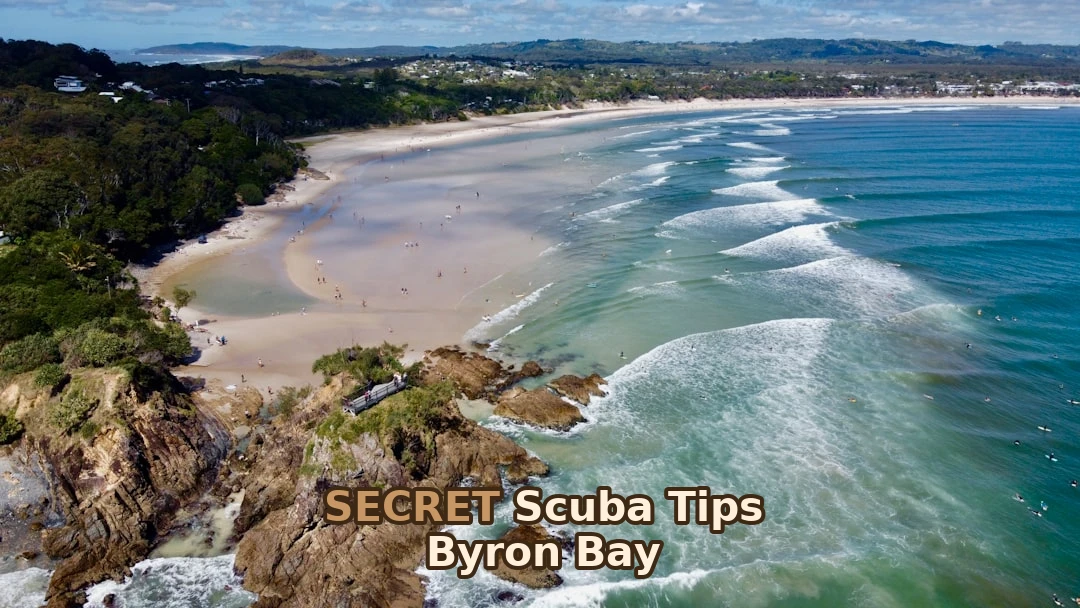
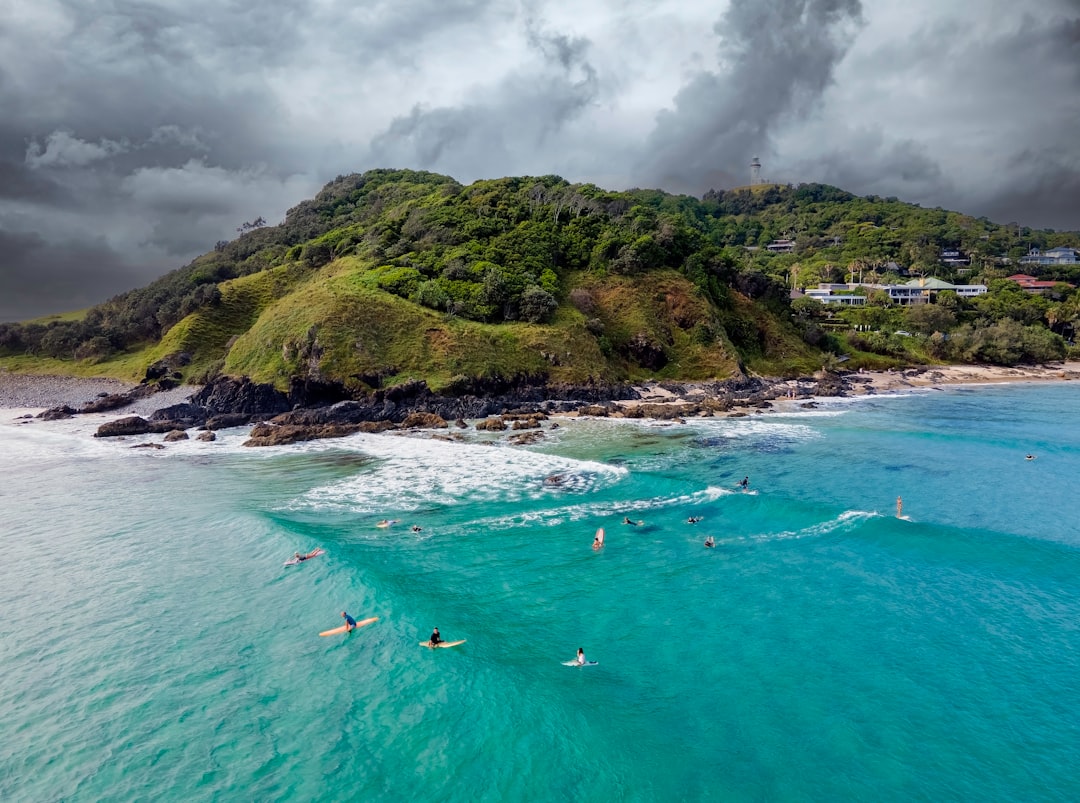
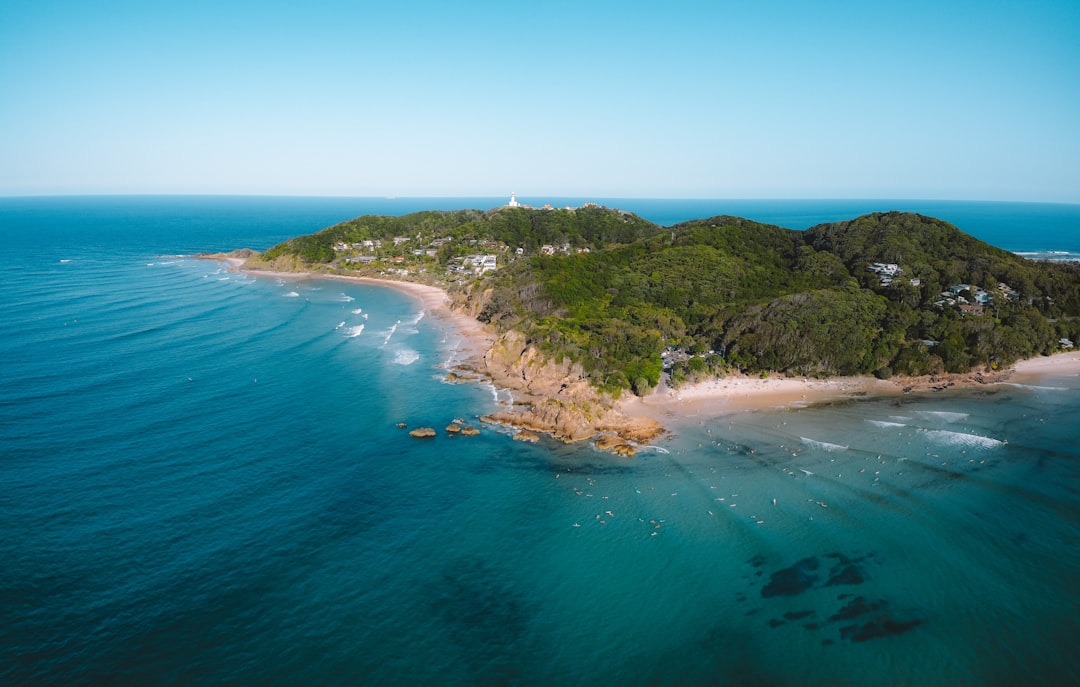
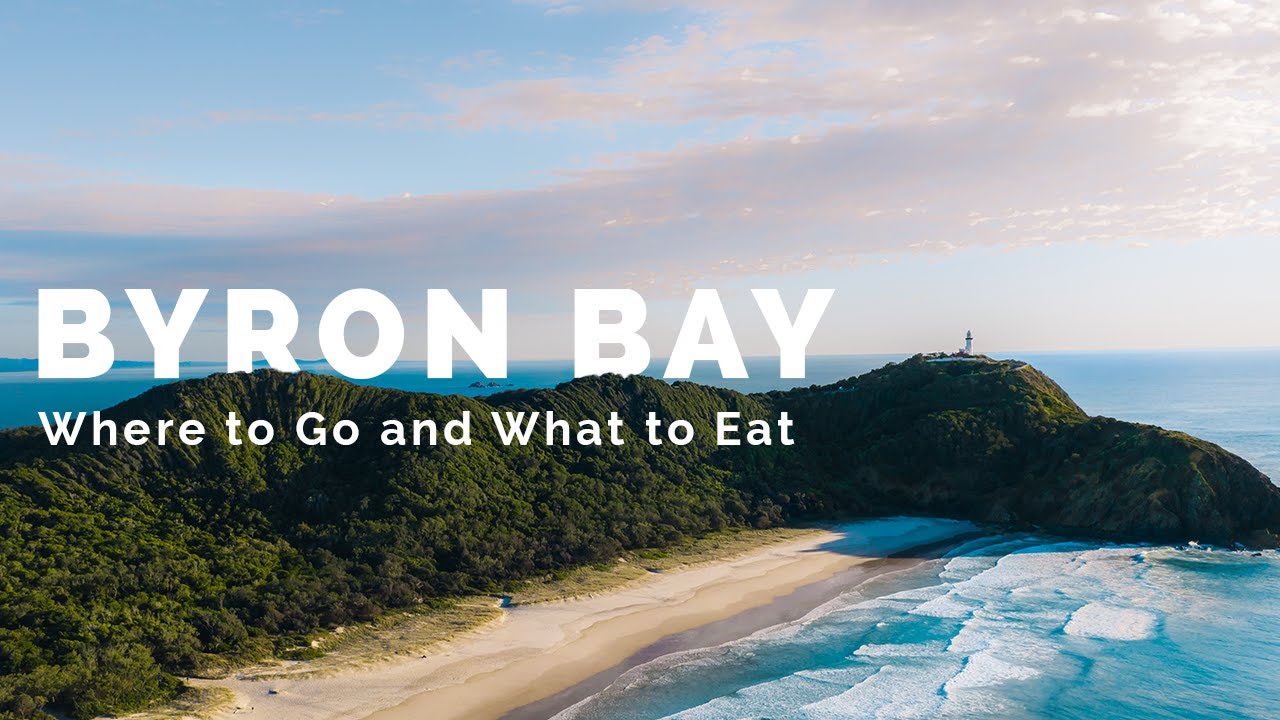
🔥 The cool, salty spray kisses your face as you descend beneath the turquoise waves of Byron Bay, sunlight dancing through the water above like a kaleidoscope of shimmering diamonds. That’s the moment you’ll fall in love with scuba diving, and I’m gonna show you exactly how to make it happen!
🎒 What You’ll Need (Prereqs)
Before you even think about strapping on a tank, you’ll need to tick off a few basics:
1️⃣ Basic swimming ability – you don’t need to be an Olympic champ, but you should be comfortable in water
2️�️ Medical certificate – gotta make sure you’re fit to dive. Most dive shops have a questionnaire, but if you’ve got any heart, lung, or serious medical conditions, get a doctor’s sign-off first
3️⃣ Three-day schedule – the Open Water course takes about 3 days to complete properly
4️⃣ Around $500-$700 for the course – prices vary between operators, so shop around
Last arvo I caught up with a mate who just did his course at Sundive – he reckons it was the best $600 he’s spent in ages!
1️⃣ Choose Your Dive Operator
Byron’s got some ripper dive operators, but they’re not all the same:
• Sundive Byron Bay – been around donkey’s years, super professional, great for beginners
• Byron Bay Dive Centre – smaller groups, more personal attention
• Crystal Dive – if you wanna do your advanced cert while you’re there
I’d recommend ringing ahead and having a yarn with them about your experience level. Most’ll let you rock up for a chat and check out their gear. Pro tip: ask about their instructor-to-student ratio – smaller groups mean more one-on-one time!
2️⃣ Book Your Course
Once you’ve picked your operator, it’s time to lock in your dates:
• Best time to go: April to November when the water’s warmer and visibility is clearer
• Book at least a week ahead in peak season (Dec-Jan)
• Courses usually run over 3 days with theory sessions, confined water training, and open water dives
• Most operators include all gear hire in the price
I did mine last year during winter – the water was a bit nippy (about 18°C) but there were fewer crowds and the viz was still heaps good. Just grab a proper wetsuit and you’ll be right!
3️⃣ Master the Theory
Don’t stress about the classroom stuff – it’s actually pretty interesting:
• You’ll learn about pressure, dive tables, safety procedures, and marine life
• Most operators use e-learning now so you can do the theory bits before you arrive
• Take your time with it – rushing the theory is how people get into trouble
• Ask questions if you don’t get something – no such thing as a silly question when it comes to diving
The instructor I had was a legend – made all the physics stuff actually make sense. Still use what he taught me every time I dive!
4️⃣ Confined Water Training
This is where the real fun starts – getting comfortable underwater:
• Day 1 is usually in a pool or shallow bay getting used to the gear
• You’ll practice basic skills like clearing your mask, recovering your regulator, and buoyancy control
• Take it slow – there’s no rush to master everything on day one
• Don’t worry if you stuff something up – everyone does, and that’s what the pool is for!
I’ll never forget the first time I knelt on the bottom and just breathed – total magic! Felt like I was in another world. By the end of the day, I was gliding around like I’d been doing it for years.
5️⃣ Open Water Dives
Time to hit the ocean and see what Byron’s all about:
• You’ll do 4 dives over 2 days at spots like The Cod Hole, Julian Rocks, or Lennox Head
• Depth limits are 18m for Open Water divers – plenty deep to see amazing stuff
• Your instructor will be right with you the whole time
• Keep an eye out for turtles, wobbegongs, and if you’re lucky, some dolphins! Last year I even saw a manta ray glide past – absolutely unreal!
The key here is relax and breathe. If you feel yourself getting anxious, just signal your instructor, grab onto a rock, and take a few deep breaths. The water does all the work for you if you let it.
💰 Budget Breakdown
Let’s break down what you’re looking at cost-wise:
• Open Water course: $500-$700
• Gear hire: Usually included in course price
• Marine Park fee: Around $10 per day
• Accommodation: From $50/night for a hostel to $200+/night for a nice spot
• Food: $15-$30 per day if you’re eating simple
Total for a 3-day trip: Around $650-$1000 depending on your accommodation style. Not bad for a skill you’ll have for life! I usually camp at the local caravan park to save a few bucks – the beach is right there anyway!
📋 Practical Info
📍 Julian Rocks Marine Reserve, Byron Bay NSW 2481
🚗 From Byron Bay town centre, 15-minute drive or 30-minute walk to dive sites
💰 Open Water course: $500-$700 | Gear hire: Usually included | Marine Park fee: $10/day
🕐 Dives typically start at 8:00 AM daily | Best season: April to November
⏱️ 3-day course for Open Water certification
💡 Tips & Warnings
✅ Do take motion sickness pills if you’re prone to sea sickness – even on calm days
❌ Don’t skip the theory sessions – even if it seems boring, it’s crucial for safety
⚠️ ⚠️ Don’t fly within 24 hours of your last dive – you’ll get the bends!
✅ Do bring an underwater camera – the marine life is worth capturing!
🚀 Give it a crack and let me know how you go! 🚀 Byron’s underwater world is waiting for you – trust me, once you’ve experienced it, you’ll be hooked for life!
#byronbaydiving #scubadivingaustralia #learnscuba #byronbayadventure #julianrocks #underwaterworld #australiatravel #oceanexploration
Be the First to Comment
Sign in to start the conversation.