



# Complete Guide to Bushwalking in Australia 2025
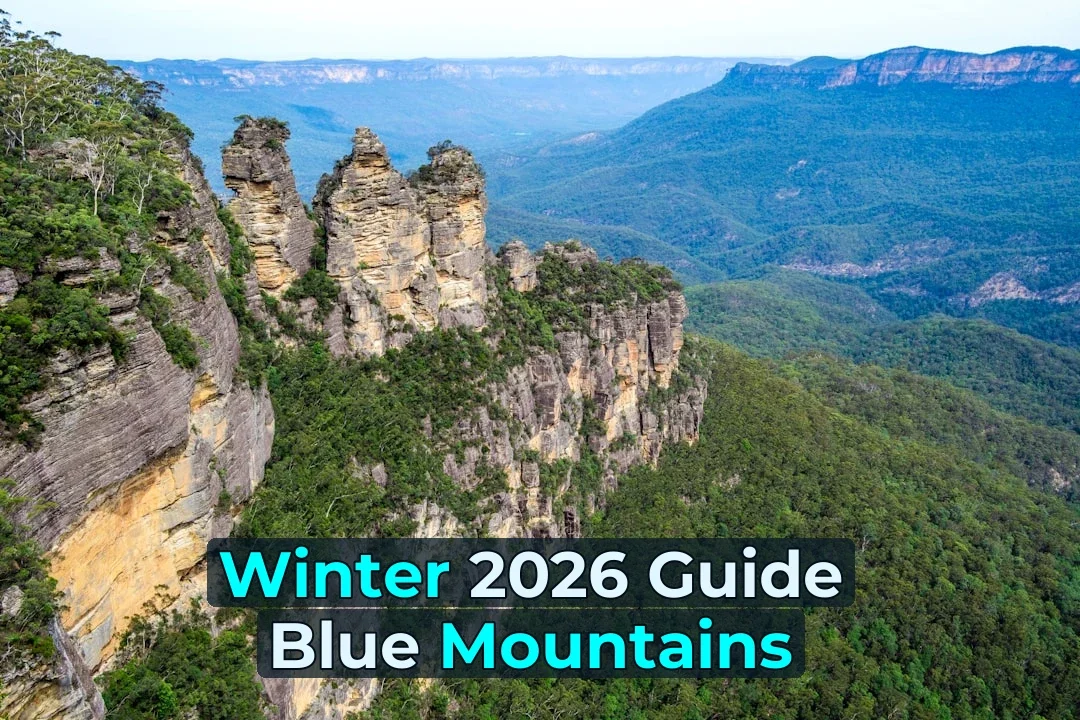
The morning sun breaks through the valley mist, illuminating a sea of eucalyptus that stretches endlessly across the horizon. At your feet, the famous Three Sisters sandstone formations stand sentinel over the Jamison Valley, their jagged peaks catching the first light of dawn. This is the Blue Mountains World Heritage Area – a vast wilderness just 90 minutes west of Sydney that offers some of Australia’s most spectacular bushwalking experiences. The air hums with the call of kookaburras and the distant scent of eucalyptus, creating an atmosphere that simultaneously energizes and calms the soul.
The Threshold: Crossing into Australian Wilderness
Bushwalking in Australia isn’t just exercise through nature – it’s a cultural and spiritual experience that connects you to the world’s oldest continent. The Blue Mountains, named for the blue haze created by eucalyptus oil evaporating in the air, represents the threshold between urban Australia and its wild heart.
The journey begins long before you reach the trailhead. Sydney’s suburban sprawl gradually gives way to the dramatic escarpment that marks the edge of the Great Dividing Range. This transition is symbolic – a psychological shift from the familiar to the unknown, from the controlled to the wild.
Understanding Australian wilderness requires a different mindset than other hiking destinations. Unlike the well-marked and maintained trails of European or American national parks, Australian bushwalking often involves minimal signage and self-reliance. The terrain can be challenging, with steep ascents and descents, and weather conditions can change rapidly.
The Rhythm of Australian Bushwalking
Australian bushwalking operates on a different rhythm. The heat of midday can make strenuous activity uncomfortable, so early starts are common. The golden hours of dawn and dusk offer the best conditions and most spectacular lighting for photography.
Unlike some international hiking cultures where conversation is part of the experience, Australian bushwalkers often embrace the silence, allowing the sounds of the bush – rustling leaves, bird calls, the crunch of gravel underfoot – to become the soundtrack to your journey.
“Bushwalking in Australia is less about conquering mountains and more about walking with Country – understanding that you are a guest in ancient landscapes that have been shaped over millions of years.”
What Makes the Blue Mountains Unique
The Blue Mountains boasts over 1 million hectares of wilderness, featuring dramatic sandstone cliffs, deep valleys, waterfalls, and lush rainforests. It’s one of the most accessible wilderness areas from a major city in the world, yet offers experiences that feel worlds away from urban life.
Reading the Country: Blue Mountains Decoded
To truly appreciate the Blue Mountains, you must first understand its story. This ancient landscape tells a geological narrative that spans millions of years, shaped by volcanic activity, erosion, and climatic changes.
Geological History
The Blue Mountains sandstone began forming approximately 300 million years ago when sand accumulated in a shallow sea. Over millions of years, this sand compacted into rock, then was uplifted and folded through tectonic activity. The characteristic “staircase” pattern of the landscape results from horizontal sandstone layers capped by erosion-resistant caprock, with softer shale in between that erodes more easily.
Understanding the Ecology
The Blue Mountains boasts three main vegetation communities: open eucalypt forest, heathland, and rainforest. Each creates its own microclimate and supports different wildlife.
Eucalyptus forests dominate the landscape, with species like the blue-leaved stringybark and the scribbly gum creating the distinctive blue haze that gives the mountains their name. These trees have evolved unique adaptations to Australia’s climate, including oil-rich leaves that create flammable conditions – a relationship with fire that has shaped Australian ecosystems for millennia.
Aboriginal Heritage and Connection to Country
The Blue Mountains is the traditional Country of the Gundungurra and Darug peoples, who have lived here for at least 50,000 years. For these First Nations peoples, the landscape isn’t just scenery – it’s a living cultural landscape with deep spiritual significance.
The Three Sisters, for example, are known as “Meehni, Wimlah and Gunnedoo” in Gundungurra stories. According to Dreaming stories, these three sisters fell in love with three men from another tribe, but tribal law forbade their marriage. A witchdoctor turned the sisters to stone to protect them, but was killed before he could reverse the spell, leaving the sisters as permanent stone formations.
Tracks, Trails, and Truths: Finding Your Path
The Blue Mountains offers walking experiences for every level of fitness and experience. From easy strolls to multi-day expeditions, the options are nearly endless. Here’s a breakdown of what to expect across different skill levels:
Beginner-Friendly Walks
These walks are generally well-marked, under 5km, and suitable for families with children or those with limited fitness. They offer the essence of Blue Mountains beauty without requiring extensive navigation skills.
- Fairfax Walk – A 1.8km loop through temperate rainforest with a gentle gradient. Features beautiful tree ferns and waterfalls.
- Glenbrook Nature Walk – A 2.5km circuit that showcases the diverse plant life of the area, with informative signs about local flora.
- Leura Cascades – A 1km return walk to a picturesque waterfall, perfect for a refreshing break during warmer months.
- Echo Point to Three Sisters – A paved 500m walk with wheelchair access, offering stunning views of the Three Sisters formation.
Intermediate Trails
These walks range from 5-15km and offer more challenging terrain with rewarding views. They may include some steep sections and require basic navigation skills.
- Jenolan Caves to Blue Lake – A 14km one-way walk through stunning karst landscape, featuring underground rivers and limestone formations.
- Wentworth Pass – A challenging 10km return walk with steep ascents and descents, rewarded with panoramic views of the valley.
- Grand Canyon Track – A 6km loop through a spectacular canyon with waterfalls, lush vegetation, and unique rock formations.
- Mount Solitary – A 14km return hike to one of the Blue Mountains’ most distinctive peaks, offering 360-degree views.
Advanced Adventures
For experienced bushwalkers, the Blue Mountains offers multi-day expeditions and challenging day walks that test navigation skills and endurance.
- Blue Mountains National Parks Great Walk – A 44km multi-day walk linking several national parks, requiring camping gear and careful planning.
- Canyoning in the Wollemi Wilderness – Technical adventures involving abseiling, swimming, and navigating through narrow canyons.
- Six Foot Track – A 44km historic track from Katoomba to Jenolan Caves, originally used to transport goods to the goldfields.
Honest Assessments of Trail Conditions
While many guidebooks describe trails as they were when researched, conditions can change rapidly due to weather, landslides, or maintenance issues. As of 2025, several trails have undergone significant changes:
- The National Pass – Reopened in 2024 after extensive restoration work following the 2019-2020 bushfires. This challenging but rewarding track features steep staircases and hand-hewn tunnels through the cliff face.
- Blue Gum Forest
- Katoomba to Scenic World – The popular cliff-top walk was partially damaged in the 2022 storm season. As of early 2025, the full route remains closed with no reopening date confirmed.
– The traditional camping ground is undergoing ecological restoration until late 2025, with limited access during this period.
The Walker’s Kit: Beyond the Basics
Packing correctly for Australian bushwalking requires careful consideration of the unique conditions you’ll encounter. The Blue Mountains’ variable climate and rugged terrain demand specialized equipment that goes beyond standard hiking gear.
Essential Equipment
For any Blue Mountains walk, regardless of duration or difficulty, you should carry:
- At least 2 liters of water per person (more in summer)
- Map and compass (and the skills to use them)
- First aid kit
- Weather-appropriate clothing (see below)
- Headlamp with spare batteries
- Whistle and emergency blanket
- Mobile phone (with emergency numbers saved and offline maps downloaded)
- Snacks with high energy content
Clothing Considerations
The Blue Mountains experiences four distinct seasons, and weather can change dramatically, even within a single day:
- Summer (December-February): Lightweight, breathable fabrics with UV protection. Long sleeves are recommended to protect from both sun and insects. Don’t forget a wide-brimmed hat and sunglasses.
- Autumn (March-May): Layering is essential. Mornings can be cool (5-10°C), afternoons warm (15-20°C), and evenings cool rapidly.
- Winter (June-August): Cold temperatures, especially at higher elevations. Pack thermal layers, a waterproof jacket, and be prepared for potential snow at higher elevations.
- Spring (September-November): Variable weather with increasing warmth. Wildflower season brings spectacular displays but also increased insect activity.
Navigation Tools
While many popular Blue Mountains walks are well-marked, the ability to navigate independently is essential safety knowledge. Modern technology complements traditional skills rather than replacing them:
- Physical Maps: Always carry a topographic map, preferably water-resistant. The “Blue Mountains National Parks & Reserves” map by Sydneyscale is highly recommended.
- GPS Devices: Dedicated GPS units with pre-loaded topographic maps provide reliable navigation, especially in areas with poor mobile coverage.
- Smartphone Apps: Apps like Avenza Maps allow you to download maps for offline use. However, battery life can be limited, so always carry a power bank.
- Compass Skills: Basic compass skills are non-negotiable for serious bushwalkers. Consider taking a navigation course before attempting advanced walks.
Water Purification
The Blue Mountains offers numerous water sources, but treating water before drinking is essential due to potential contamination from wildlife and agricultural runoff:
- Chemical Treatment: Tablets or drops are lightweight and effective but take time (20-40 minutes) and leave a chemical taste.
- Pump Filters: Effective against bacteria and protozoa but require pumping effort and don’t remove viruses.
- UV Sterilization: Devices like the SteriPEN use UV light to purify water quickly but require batteries and don’t remove sediment.
Seasons of the Mountains: Timing Your Adventure
The Blue Mountains offers unique experiences throughout the year, with each season revealing different aspects of this remarkable landscape. Understanding seasonal patterns can help you plan the perfect bushwalking experience.
Spring (September-November)
Spring transforms the Blue Mountains into a botanic wonderland. Wildflowers bloom in abundance, with waratahs, banksias, and orchids creating spectacular displays. Birdlife becomes more active, with many species breeding during this period.
Advantages:
- Mild temperatures ideal for walking
- Wildflower displays at their peak
- Increasing daylight hours
- Waterfalls flowing strongly
Considerations:
- Increased insect activity (mozzies and march flies)
- Popular walks become busier
- Some areas may still be recovering from winter weather events
Summer (December-February)
Summer in the Blue Mountains brings warm to hot temperatures, especially in the valleys. While this is peak tourist season, strategic planning can help you avoid crowds and extreme heat.
Advantages:
- Long daylight hours
- Spectacular thunderstorm activity (from a safe distance)
- Waterfalls at their most powerful
Considerations:
- Extreme heat in valleys (start early)
- Increased risk of bushfires
- Higher visitor numbers on popular trails
Autumn (March-May)
Autumn offers perhaps the best balance of conditions for bushwalking in the Blue Mountains. The heat of summer has passed, but the days remain warm and pleasant.
Advantages:
- Mild temperatures perfect for walking
- Dropping visitor numbers after summer peak
- Beautiful autumn colors in some deciduous trees
- Generally stable weather conditions
Considerations:
- Earlier sunsets
- Morning fogs that can delay starts
- Some water sources may start to dry up
Winter (June-August)
Winter brings the coolest temperatures and occasional snow to higher elevations. While some walks become challenging due to cold conditions and potential ice, others offer spectacular crisp days and clear views.
Advantages:
- Fewer crowds on most trails
- Clear air and spectacular visibility
- Unique winter landscapes with occasional snow
- Waterfalls often frozen at their base
Considerations:
- Cold temperatures, especially at dawn and dusk
- Shorter daylight hours
- Some higher elevation tracks may be icy or closed
- Some facilities may have reduced hours
Emergency Preparedness
Regardless of when you visit, proper emergency preparedness is essential:<!–
Frequently Asked Questions
What is the unique geological formation of the Blue Mountains that creates its distinctive landscape?
The Blue Mountains landscape features a characteristic ‘staircase’ pattern resulting from horizontal sandstone layers capped by erosion-resistant caprock, with softer shale in between that erodes more easily. This sandstone began forming approximately 300 million years ago when sand accumulated in a shallow sea, then was uplifted and folded through tectonic activity. The area is particularly known for its slippery sandstone when wet, requiring extra caution after rain.
How should I prepare for navigation when bushwalking in the Blue Mountains?
Navigation in the Blue Mountains requires specialized preparation due to its complex cliff-line terrain and dense forests. Always carry a water-resistant topographic map like the ‘Blue Mountains National Parks & Reserves’ by Sydscale, plus a compass and the skills to use them. While smartphone apps like Avenza Maps are useful for offline navigation, always carry a power bank as battery life is limited. Consider taking a navigation course before attempting advanced walks, as it’s possible to walk past track junctions without realizing them in low visibility conditions.
When is the best time to visit the Blue Mountains for bushwalking?
Autumn (March-May) offers perhaps the best balance of conditions for bushwalking in the Blue Mountains, with mild temperatures perfect for walking, dropping visitor numbers after summer peak, and generally stable weather conditions. Spring (September-November) is ideal for wildflower displays and birdlife, though with increased insect activity. Summer requires early starts to avoid extreme heat in valleys, while winter offers clear air and unique winter landscapes but with cold temperatures and shorter daylight hours.
What essential equipment should I carry for Blue Mountains bushwalking?
For any Blue Mountains walk, regardless of duration, carry at least 2 liters of water per person (more in summer), map and compass with navigation skills, first aid kit, weather-appropriate clothing, headlamp with spare batteries, whistle and emergency blanket, mobile phone with emergency numbers saved and offline maps, and high-energy snacks. In summer, temperatures can exceed 35°C in valleys, so pack more water than you think you’ll need. Consider a water filter for longer walks near reliable water sources.
What are some recommended beginner-friendly walks in the Blue Mountains?
Beginner-friendly walks in the Blue Mountains include the Fairfax Walk (1.8km loop through temperate rainforest with tree ferns and waterfalls), Glenbrook Nature Walk (2.5km circuit showcasing diverse plant life with informative signs), Leura Cascades (1km return walk to a picturesque waterfall), and Echo Point to Three Sisters (500m paved walk with wheelchair access offering stunning views). Many of these walks are accessible via the Blue Mountains train line from Sydney, making car-free adventures possible.



Be the First to Comment
Sign in to start the conversation.