

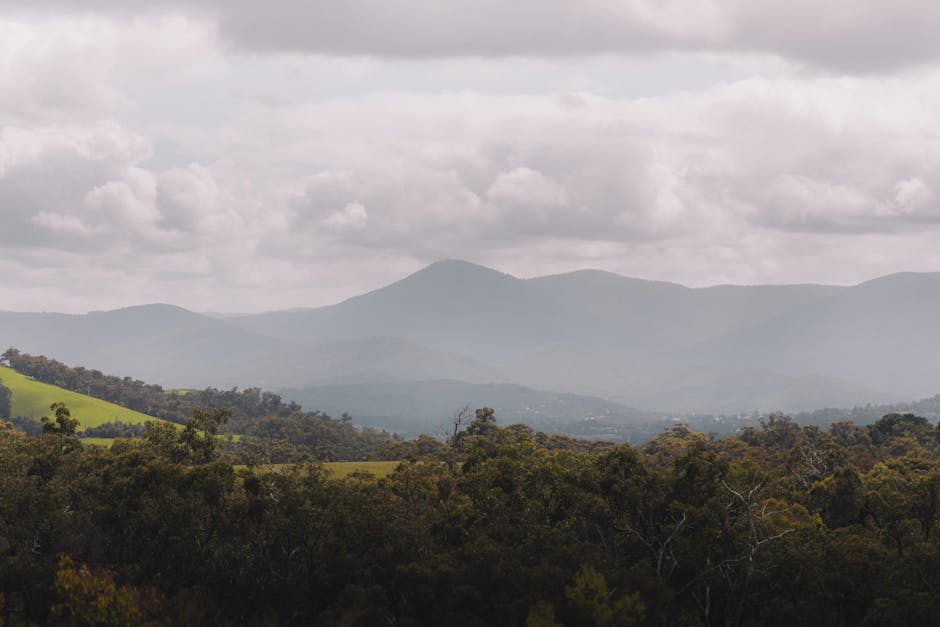
What if I told you that Western Victoria holds some of Australia’s most underrated hot spring experiences, just waiting to be discovered between rugged mountains and ancient landscapes? The Grampians region, known for its dramatic sandstone peaks and abundant wildlife, also boasts natural thermal springs that offer a perfect blend of relaxation and adventure. Whether you’re seeking a family-friendly day trip or a romantic getaway, these hidden gems provide an authentic Australian experience that goes beyond typical tourist attractions.
The Hot Spring Detective: Uncovering Western Victoria’s Hidden Gems
Before you pack your swimwear, it’s essential to understand what makes Western Victoria’s hot springs unique. Unlike commercial spa resorts, these natural thermal springs offer an unspoiled experience where you’ll share the water with local wildlife and surrounded by breathtaking scenery.
“The magic of these springs isn’t just in the warm water—it’s in how they connect you to the ancient landscape that has been healing people for thousands of years.” — Local Grampians tour guide
Key Hot Springs to Explore
- MacKenzie Falls Hot Springs – Perhaps the most accessible option, located near the popular MacKenzie Falls. The thermal pools form naturally where hot water meets the cool McKenzie River.
- Yellow Gully Springs – A more secluded option requiring a short hike through native bushland. The journey is part of the experience, with stunning wildflower displays in spring.
- Deep Pool – Located in the northern Grampians, this spring offers a deeper pool experience and is particularly popular with local families during weekends.
Timing is Everything: When to Visit for Maximum Magic
Western Victoria’s hot springs offer different experiences depending on when you visit. The region experiences four distinct seasons, each bringing its own charm to the thermal waters.
Seasonal Considerations
- Summer (December-February) – While popular with families, summer can be crowded. The springs are busiest on weekends, so plan for a weekday visit if possible. Morning visits offer cooler temperatures and fewer crowds.
- Autumn (March-May) – Many locals’ favorite time. The weather is mild, and the surrounding landscape transforms into a tapestry of reds and golds. Less crowded than summer but still comfortable for swimming.
- Winter (June-August) – The springs become even more magical as steam rises from the warm water meeting the crisp air. Be prepared for cooler air temperatures while you enjoy the toasty water.
- Spring (September-November) – Wildflower season! The surrounding bushland bursts with color, and wildlife becomes more active after the winter months.
From Planning to Soaking: Creating Your Perfect Day
Essential Preparation Checklist
- Check weather conditions and forecasts
- Bring reef-safe sunscreen (reef-safe products protect both you and the delicate ecosystem)
- Pack swimwear, towels, and a change of clothes
- Bring water and snacks (no glass containers allowed)
- Consider water shoes for rocky approaches
- Download offline maps as cell service can be limited
Maximizing Your Experience
Combining Hot Springs with Other Grampians Activities
Western Victoria’s hot springs work perfectly as part of a larger adventure. Consider combining your soak with:
- Day hikes to famous lookouts like The Balconies or Reeds Lookout
- Visiting Brambuk National Park and Cultural Centre to learn about Aboriginal heritage
- Exploring the diverse wildlife at Mount William or Halls Gap
- Sampling local produce at nearby farmers’ markets
Key Takeaways for Your Hot Springs Adventure
- Research multiple spring options to find one that matches your group’s needs and fitness level
- Visit during off-peak times whenever possible for the best experience
- Respect the natural environment by taking all rubbish with you
- Be prepared for variable conditions and always have a backup plan
- Allow extra time to simply soak and absorb the therapeutic benefits of these natural wonders
Western Victoria’s hot springs aren’t just destinations—they’re experiences that stay with you long after you’ve left the water. The combination of thermal comfort, stunning scenery, and authentic Australian bushland creates a perfect recipe for relaxation and adventure. As you plan your own journey, remember that the best experiences often come from embracing the unexpected—whether it’s a sudden rain shower that creates steam tunnels through the landscape or a local who shares a secret viewing spot that most visitors never discover.
Frequently Asked Questions
What are the main hot spring locations in Western Victoria?
Western Victoria’s Grampians region features three primary hot spring locations: MacKenzie Falls Hot Springs near the popular MacKenzie Falls, Yellow Gully Springs requiring a short hike through native bushland with wildflower displays in spring, and Deep Pool in the northern Grampians offering a deeper experience popular with local families on weekends. The thermal waters naturally range between 35-42°C year-round.
How should I prepare for a hot springs visit in Western Victoria?
Essential preparation includes checking weather conditions, bringing reef-safe sunscreen, packing swimwear, towels and a change of clothes, carrying water and snacks (no glass containers), considering water shoes for rocky approaches, and downloading offline maps as cell service is limited. For the best experience, visit on weekdays when possible to avoid crowds and consider timing your visit for golden hour for optimal photography.
When is the best time to visit Western Victoria’s hot springs?
Each season offers unique experiences: Summer (December-February) is popular but crowded; Autumn (March-May) is locals’ favorite with mild weather and fewer crowds; Winter (June-August) provides magical steam effects with warm water in crisp air; Spring (September-November) features wildflower displays and active wildlife. Always check current access information before visiting, as springs may close temporarily due to weather or maintenance conditions.
What activities can I combine with hot springs in the Grampians region?
Combine your hot spring experience with day hikes to famous lookouts like The Balconies or Reeds Lookout, visit Brambuk National Park and Cultural Centre to learn about Aboriginal heritage, explore diverse wildlife at Mount William or Halls Gap, or sample local produce at nearby farmers’ markets. These activities complement the relaxation of the hot springs and provide a comprehensive Grampians adventure showcasing the region’s natural beauty and cultural significance.
Be the First to Comment
Sign in to start the conversation.