
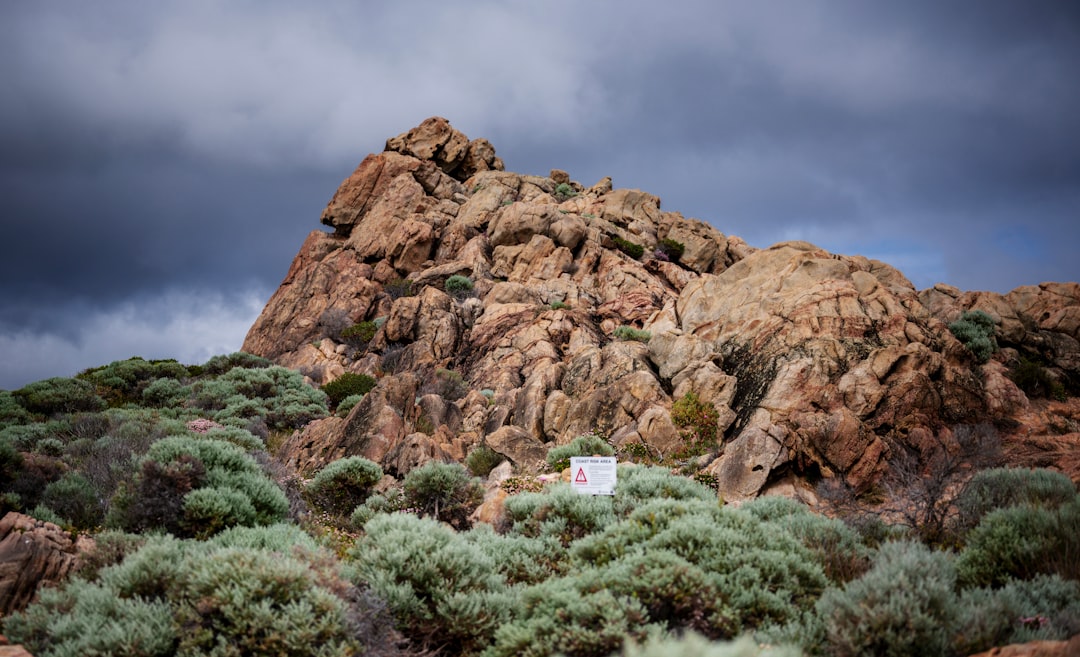
Standing on the edge of the limestone cliffs at Conto Spring, the world is painted in shades of pre-dawn grey. The air here has a distinct texture, carrying the sharp, saline tang of the Southern Ocean mixing with the earthy, menthol scent of the coastal eucalyptus. Below, the ocean heaves, the swell booming against the rock shelves with a rhythm that vibrates through the soles of your boots. As you thread the live bait onto the hook, the anticipation is palpable—you aren’t just casting a line; you’re dropping an offering into a wild, unseen world. While the Margaret River region is globally feted for its Cabernet Sauvignon and Chardonnay, the fishing here is the “best-kept secret” that locals usually try to hide. It’s a raw, rugged alternative to the cellar doors, offering a connection to the land that is just as intoxicating as the region’s famous wine.
The “Local’s Only” Map: A Confidential Itinerary
If you want to catch fish in Margaret River, you have to be willing to do more than just follow the crowd to the nearest white sand beach. The locals know that the real action happens where the scenery gets a bit dramatic and the access requires a little bit of a scramble. Here is the confidential itinerary, moving from the safe zones for the kids to the rugged ledges where the trophies hide.
- The “Kid-Friendly” Zone: Hamelin Bay – This is your safest bet. The turquoise water is usually calm, protected by the bay, and the old timber jetty pylons provide a natural fish magnet. It’s perfect for targeting Skippy and Herring without worrying about the heavy swell.
- The Sunset Spot: Canal Rocks – Famous for its impressive geological formation where the ocean surges through a narrow channel. This is an evening spot. Fish the rising tide here for Taylor (Herring) and the odd Salmon. It’s visual, accessible, and incredibly photogenic.
- The “Ghost” Beach: Redgate Beach (South) – Everyone parks at the main Redgate car park to see the shipwreck, but if you walk 500 metres south along the track towards the rocky headland, you’ll find a stretch of beach that is almost always empty. This is where the gutters form deep holes holding big Dart and Whiting.
- The Rugged Ledge: Conto Spring – This is serious rock fishing. It requires non-slip boots and a keen eye on the swell. But the reward? Big Snapper and Samson Fish that will test your gear to the absolute limit.
- The Deep Blue: Boranup Lookout (Beach Access) – A bit of a trek down the dunes, but the deep water access close to shore makes it worth it. Great for Mulloway in the evenings.
- The Estuary Classic: Margaret River Mouth – Where the river meets the sea. The mix of fresh and saltwater attracts Bream and Tailor. It’s the classic “dad and the kids” fishing spot that never fails to produce a bite.
- – A local gem that requires a bit of a bush walk. The rock wall creates a perfect eddy for predatory species. Bring heavy gear; the fish here fight dirty.
“If you’re fishing where you see other people, you’re probably in the wrong spot. The best spots in this region require a bit of dirt on your boots.”
The “Secret Gut” Story
I’ll never be too proud to admit when I’ve been schooled. Last season, I spent three frustrating hours casting high-end lures at a popular beach spot, managing only to snag a piece of seaweed. Dejected, I stopped in at the local tackle shop in Augusta. The owner, a bloke named Dave who has sand permanently embedded in his skin, took one look at my rig and laughed. He handed me a hand-drawn map of a spot five kilometres north of the town centre. “Looks like dry sand,” he warned me, “but walk out at low tide, and you’ll find a hidden gutter that drops off into the abyss.”
The next morning, I walked past a dozen other anglers casting into empty water. I kept walking. When I finally reached the unassuming patch of sand Dave had circled, I saw it—a dark, swirling indent in the water barely visible from the high tide mark. First cast? A 60cm Pink Snapper. It turns out, the fish don’t care about how much your lure cost; they care if you’re in the room.
The Hinge Seasons & The Honest Limitations
Timing isn’t just about the calendar here; it’s about the oceanography. Margaret River sits at the point where the Indian Ocean meets the Southern Ocean. This convergence creates a dynamic marine environment, but it also demands respect.
The Tactical Breakdown
The “hinge” seasons—spring and autumn—are when the magic happens. In spring (September to November), the water warms up and the species diversity explodes. You’ll get the Tailor running the beaches and the Dhufish moving closer to the reefs. Autumn (March to May) is often the premium season for anglers. The weather is stable, the “Leeuwin Current” is pushing warm water south, and the big pelagics like Spanish Mackerel and Tuna venture within casting distance of the shore.
This brings us to the honest limitation: sometimes, the fishing is simply impossible. If the ocean is angry, don’t force it. Margaret River has world-class wineries for a reason. If you can’t fish, pivot to a lunch at a winery. It’s a pretty good backup plan.
The “Don’t Skimp” Gear Guide & Bait Hack
You can spend thousands on gear, but for 90% of the fishing in this region, you only need one rig: the Paternoster rig.
- The Rod: A 10-12ft surf rod (rated 4-6kg or 6-8kg) is ideal. It gives you the casting distance to reach the deeper gutters where the fish are holding.
- The Reel: A 4000-6000 size spin reel with a smooth drag is essential.
- The Rig: Use a running Paternoster rig with 2 droppers. It presents two baits at different depths, doubling your chances.
- The Bait Hack: Don’t bother with expensive soft plastics for bottom bashing. The most effective bait in Margaret River is fresh squid or a strip of tailor mullet. It’s tough, stays on the hook, and the fish love the scent trail.
The “Dinner vs. Trophy” Decision
There is a specific, visceral moment that every angler in WA has to face: landing a Dhufish. Known locally as “Dhuies,” these are the holy grail of West Australian demersal fishing. They are incredibly beautiful, with distinct purple and golden stripes, and they fight hard.
Last autumn, I hooked a solid Dhufish right on dusk at Conto. It was a legal size, just on the limit, maybe 45cm. As I dragged it up the rocks, the ethical wrestling match began. This fish is a prized table fish—arguably the best eating in the country. But I also knew that the breeding stocks are sensitive. I sat with the fish in the net, watching the sunset reflect off the water. In the end, I decided that the memory of the catch and the photo was worth more than one meal. I slid him back into the wash, and he kicked off strong. It wasn’t an easy call, but it’s the call that keeps our fisheries sustainable.
Conclusion: The Last Cast Reflection
There is no feeling quite like the drive home after a successful session. The car smells of salt, fresh bait, and maybe a little bit of success. The esky is rattling in the back, and your arms are heavy from casting. You pass the tourist buses heading to the main beaches, feeling a quiet sense of satisfaction because you found the spots that aren’t on the brochures.
The Margaret River region offers more than just wine; it offers a rugged, authentic slice of Australian outdoor life that is increasingly hard to find. Whether you land a monster or just manage to avoid a snag in the rocks, the time spent on these limestone ledges is time well spent.
So, here is the advice I leave you with: The best spot is the one where you have the beach to yourself—keep driving until you find it.




Be the First to Comment
Sign in to start the conversation.