

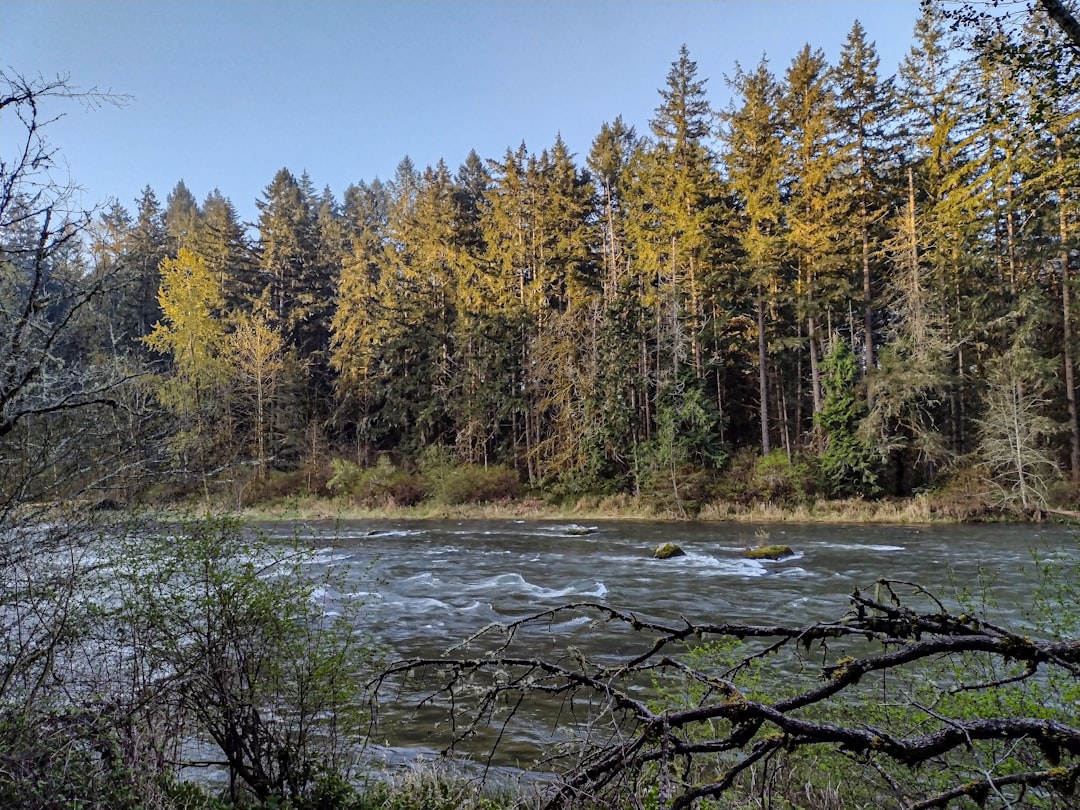

The Brunswick River holds its breath at first light. The water’s so still you can see the silhouette of Mount Chincogan reflected perfectly, and there’s a lone pelican perched on the channel marker like he’s been waiting all night for you to arrive. The first cast breaks the surface with a soft splash, and for a moment, nothing exists except the gentle tug of the current and the possibility that something’s down there. This is fishing in the Northern Rivers — not the polished, charter-boat experience advertised in brochures, but the quiet meditation that locals have been practising for generations. It’s also the answer to that question every visitor eventually asks: “What do people who actually live here do on weekends?” The honest answer involves early mornings, a healthy respect for the elements, and the deeply satisfying knowledge that you’re experiencing Byron Bay the way it was meant to be experienced — awake, present, and part of something far older than the backpacker strip.
The River Chases — Where Beginners Actually Catch Something
When it comes to Byron Bay things to do adults that don’t involve breweries or beach yoga, the Brunswick and Richmond Rivers are the no-ego entry points that deliver genuine rewards. The Brunswick River, winding through Brunswick Heads about 20 minutes north of Byron, offers some of the most accessible land-based fishing in the region. The boat ramp area near the highway bridge produces consistent bream, flathead, and whiting year-round, and you don’t need a boat to get amongst it.
The key here is timing your visit around the tide changes. The two hours either side of a rising tide push baitfish into the shallower sections, and the predatory fish follow. Flathead love to lurk on the drop-offs, waiting to ambush anything that wanders past, while bream hug the structure around the oyster leases and moored boats.
What You’ll Actually Catch
- Bream — Year-round residents, best around structure and weed beds
- Flathead — The perfect beginner’s fish; they fight hard but not dramatically, and they’re delicious
- Whiting — Summer peaks, love the sand flats near the river mouth
- Tailor — Morning and evening raiders, particularly active around the full moon
Beach Fishing: The 4AM Club Nobody Advertisess
The serious beach fisherman don’t advertise themselves. You’ll see them at Tallows Beach or South Golden Beach in the pre-dawn darkness, reading the beach like a text written in sand and foam. They’re looking for gutters — the deeper channels that form between sandbars where fish patrol for food. Learning to read a beach is part science, part intuition, and it takes time to develop.
Here’s the honest truth they won’t tell you in the fishing magazines: your first dozen beach fishing sessions will probably produce more weed than fish. The learning curve is real. But there’s a specific reward that comes when a school of tailor moves through at sunrise, when the first silver flash breaks the surface and suddenly everything clicks into place. That moment transforms standing on a beach holding a stick into something approaching magic.
The Monthly Rhythm — What Bites When in Byron Bay
Understanding the seasonal patterns transforms fishing from a game of chance into something approaching reliable. This breakdown serves as your practical reference for planning any Northern Rivers fishing adventure.
Summer (December – February)
The heat and humidity intensify, but so does the action. Mangrove jack become active in the river systems, attacking lures with aggression that’ll surprise first-timers. Mackerel species appear offshore, and the early mornings become essential — not just for the fish, but to avoid the midday furnace. The trade-off is crowds; everyone has the same idea, and the popular spots see plenty of pressure.
Autumn (March – May)
Locals call this the sweet spot. The humidity drops, the water’s still warm, and the fish are feeding aggressively before winter. Jewfish (mulloway) start appearing on the beaches, particularly around the new and full moons. Flathead go on the chew, fattening up for the cooler months. If you had to pick one season to visit purely for fishing, make it autumn.
Winter (June – August)
Don’t let anyone tell you fishing shuts down in winter. Bream school up in big numbers, particularly around the river mouths and rock walls. Tailor hunt the beaches with renewed aggression. Offshore, snapper fishing reaches its peak. The mornings are crisp rather than cold, and you’ll often have the best spots to yourself. Pack a thermos, embrace the quiet, and enjoy some of the year’s most consistent fishing.
Spring (September – November)
The wildcard season. Weather becomes unpredictable — beautiful calm days can follow howling southerly changes. But jewfish potential peaks, particularly in the deeper holes of the Brunswick and Richmond systems. It’s hit-and-miss fishing, but the hits can be spectacular. Keep an eye on the forecasts and stay flexible with your plans.
Market Mornings — From Hook to Plate (Almost)
Here’s where Byron Bay markets become the perfect backup plan for fishing mornings that don’t go according to script. The Byron Farmers Market runs every Thursday morning at the Butler Street Reserve, and it’s become an institution for a reason. Among the organic vegetables and artisan breads, you’ll find local seafood stalls selling the morning’s catch — often run by the same commercial fishers who motored past you at dawn.
There’s something deeply satisfying about arriving at the market with an empty esky but full stories, knowing that even though the fish didn’t cooperate, breakfast still involves fresh local seafood. The breakfast burritos from the food vans have achieved legendary status among locals, and they’re best enjoyed sitting in the morning sun, watching the community gather.
The Bangalow Market, held on the second Sunday of each month, offers a different vibe — more crafts, more browsing, but still excellent food and a beautiful setting under the fig trees. For the true local experience, the Mullumbimby Farmers Market (Saturday mornings) remains the regional secret, smaller and more intimate, with exceptional produce and fewer tourists.
The Quiet Confession: What Charter Captains Won’t Tell You
If you’re browsing Byron Bay things to do reddit threads looking for honest fishing advice, here’s what the promotional material leaves out: some days, the ocean simply says no. You can have the best gear, the right tide, and perfect weather, and still catch nothing worth mentioning. The charter operators won’t advertise this because they’re selling an experience, but every experienced fisher knows it’s true.
What they also won’t tell you is that you don’t need to spend hundreds on a charter to have a great fishing experience in Byron Bay. A basic rod and reel setup from the local tackle shop ($50-80), some fresh bait, and a bit of local knowledge will put you in with a genuine shot at catching dinner. The money you save can go toward an excellent breakfast at one of the many local cafes when the fish don’t cooperate.
The real insider secret? The best fishing often happens in the least glamorous locations. The patch of water behind the caravan park, the rocky point everyone walks past, the section of beach that doesn’t look like much. These unremarkable spots frequently out-produce the famous ones simply because they see less pressure.
Key Takeaways
- The Brunswick and Richmond Rivers offer the most accessible fishing for beginners, with consistent catches of bream, flathead, and whiting
- Beach fishing requires learning to read gutters — expect a learning curve of 10+ sessions before consistent results
- Autumn (March-May) offers the sweet spot of comfortable weather and aggressive feeding fish
- Byron Bay markets provide the perfect backup plan when fishing sessions don’t produce — and excellent breakfast either way
- You don’t need expensive charters; land-based fishing with basic gear delivers genuine rewards
The Earned Reward
Circle back to that dawn scene on the Brunswick River, and now the picture makes more sense. Whether the bucket ends up full or empty isn’t really the point — though a couple of flathead for dinner certainly doesn’t hurt. The real reward is having experienced Byron Bay the way people who actually live here do: awake before the tourists, present in the landscape, part of something quieter and more genuine than the typical visitor trail.
The best things to do in Byron Bay are the ones where you forget you’re a visitor. Fishing does that. It forces you to slow down, read the water, pay attention to tides and seasons and weather patterns. It connects you to this place in a way that watching a sunset from the lighthouse car park never quite manages. And if you come home with nothing but a good story and a recommendation for the best coffee in town? That’s still a morning well spent.
Frequently Asked Questions
When is the best time of year to go fishing in the Northern Rivers region?
Autumn (March to May) is considered the sweet spot by locals, offering comfortable weather with lower humidity while the water remains warm and fish feed aggressively before winter. Jewfish (mulloway) start appearing on beaches around new and full moons, and flathead go on the chew as they fatten up. If you had to pick just one season for fishing in Byron Bay and surrounding areas, autumn delivers the most reliable combination of conditions and catches.
Where are the best spots for beginner fishing near Byron Bay?
The Brunswick River at Brunswick Heads, about 20 minutes north of Byron, offers the most accessible land-based fishing in the region. The boat ramp area near the highway bridge produces consistent bream, flathead, and whiting year-round without needing a boat. The Richmond River is another no-ego entry point. For beginners, hiring a small tinny from Brunswick Heads Boat Hire lets you explore the upper reaches with less fishing pressure at a fraction of charter costs.
How should I time my fishing trip around tides in the Northern Rivers?
Time your visit around tide changes, specifically the two hours either side of a rising tide. This timing pushes baitfish into shallower sections, and predatory fish follow. Flathead lurk on drop-offs waiting to ambush prey, while bream hug structure around oyster leases and moored boats. Beach fishers should look for gutters — deeper channels between sandbars where fish patrol for food — which are best read during pre-dawn sessions.
What does basic fishing gear cost for land-based fishing in Byron Bay?
A basic rod and reel setup from a local tackle shop costs between $50-80, which is sufficient to have a genuine shot at catching dinner. Combined with fresh bait and local knowledge, this eliminates the need to spend hundreds on charter boats. The money saved can go toward breakfast at local cafes when fish don’t cooperate. This land-based approach delivers genuine rewards without the expense of polished charter experiences.




Be the First to Comment
Sign in to start the conversation.