
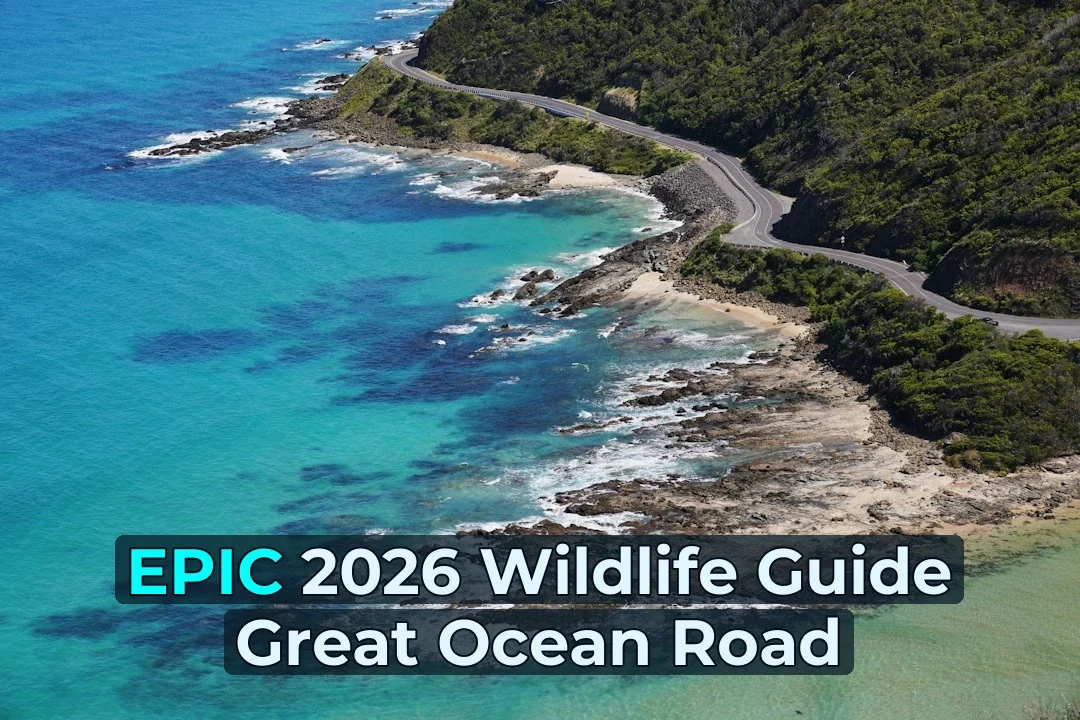
🔥 The salt spray hits your face as the sound of crashing waves fills your ears, and suddenly you spot a kangaroo bounding across the coastal scrub. Want to learn how to catch these elusive Aussie icons on the Great Ocean Road? Here’s exactly how I did it, mate.
🎒 What You’ll Need (The Essentials)
Before you even think about packing the ute, grab these essentials. Binoculars are non-negotiable for spotting distant wallabies or koalas in the treetops. I always carry a pair of 8x42s—they’re compact but powerful enough for 100m+ distances. Don’t forget your sunnies (polarised, obviously), a wide-brimmed hat, and sturdy hiking boots. The terrain can be rocky and uneven near the Twelve Apostles, so protect your feet! Lastly, pack a reusable water bottle; hydration is key when you’re out exploring the coastal trails.
1️⃣ Choose Your Spot: Twelve Apostles & Apollo Bay
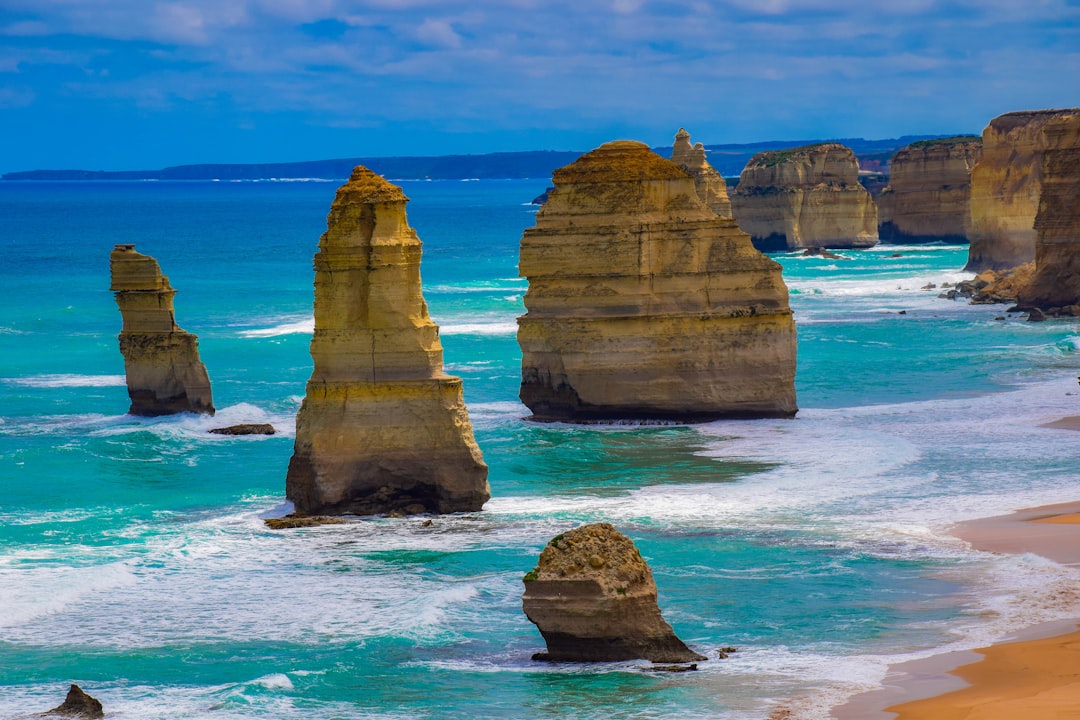
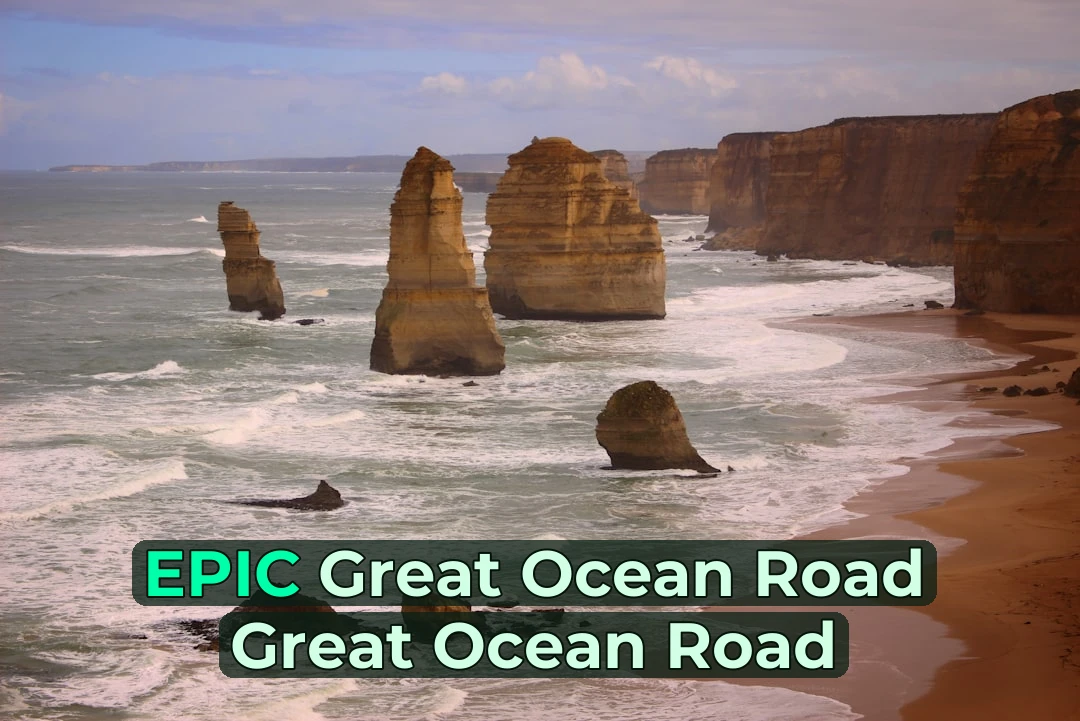
The Great Ocean Road is massive, so focus your efforts. The Twelve Apostles area isn’t just about the limestone stacks. Check the coastal scrub behind the viewing platforms at dawn or dusk—this is prime time for Eastern Grey Kangaroos. I’ve had lucky encounters right near the base of the cliffs! Further east, head to Apollo Bay. The forests here are koala heaven. Look for tall Gum trees near the Apollo Bay Foreshore Reserve. You might spot wombats waddling out of their burrows in the early arvo too.
2️⃣ Master the Art of Quiet Observation
Wildlife doesn’t like loud noises. When you spot movement, stop dead in your tracks. Turn off your phone’s ringer and whisper to your mates. I once lost a magnificent wedge-tailed eagle because someone behind me clicked their camera shutter! Use your binoculars to scan the tree line or grassy banks. If you see a flash of grey or brown, move slowly towards it—don’t run! Patience is everything. Sit still for 10-15 minutes, and the animals will often return to their natural behaviours.
3️⃣ Know the Best Times to Visit
Timing is everything, mate. The golden hours are sunrise (around 6:30 AM) and sunset (around 5:00 PM in winter). This is when kangaroos are most active, grazing before the heat of the day sets in. Avoid midday unless you’re looking for birds; many mammals will be hiding in the shade. I’ve found that visiting during weekdays is a game-changer too—less traffic means less noise and fewer people spooking the locals. Spring (Sept-Nov) brings baby wallabies, which is just rippers!
4️⃣ Respect the Wildlife & Environment
This is a nature reserve, not a zoo. Keep your distance—at least 20 metres for kangaroos and wombats, further for birds. Never feed them; human food makes them sick and dependent on us. If an animal changes its behaviour because you’re there, you’re too close! Back away slowly. Also, take all your rubbish with you. We want to keep the Great Ocean Road pristine for both humans and wildlife. Leave no trace, mate!
⚠️ Common Mistakes to Avoid
Don’t rely on GPS alone; signal can be spotty. Carry a physical map or download offline maps. Also, don’t ignore weather warnings—the coastal winds can whip up fast! Lastly, don’t assume you’ll see wildlife every single day. It’s nature, after all. But if you follow these steps, your chances skyrocket!
💡 Pro Tips for Success
Tip 1: Listen. Birds often give away the location of larger animals. Tip 2: Bring a thermos of hot coffee; winter mornings on the coast are biting! Tip 3: Check local Facebook groups for ‘sighting reports’ before you head out. And finally, have fun! The Great Ocean Road is one of the best places on Earth for wildlife watching.
📋 Practical Info
📍 Great Ocean Road, Victoria (Start point: Apollo Bay Foreshore Reserve, Apollo Bay VIC 3233)
🚗 From Melbourne, 2.5 hours by car via Geelong
💰 $0 (Free viewing areas) – Parking at Twelve Apostles is approx $15 per vehicle
🕐 Best times: Sunrise (6:30 AM) & Sunset (5:00 PM). Park gates usually open 7am-8pm depending on season
⏱️ Half-day to Full-day trip
💡 Tips & Warnings
✅ Always carry binoculars and wear comfortable, sturdy hiking boots for uneven coastal terrain.
❌ Never feed wildlife or get within 20 metres of kangaroos and wombats.
⚠️ Coastal winds can change rapidly; check the Bureau of Meteorology forecast before heading out.
🚀 Give it a crack and let me know how you go! 🚀
#GreatOceanRoad #WildlifeWatching #AustraliaTravel #NatureLovers #VisitVictoria #EcoTourism

Be the First to Comment
Sign in to start the conversation.