
The Humid Golden Hour
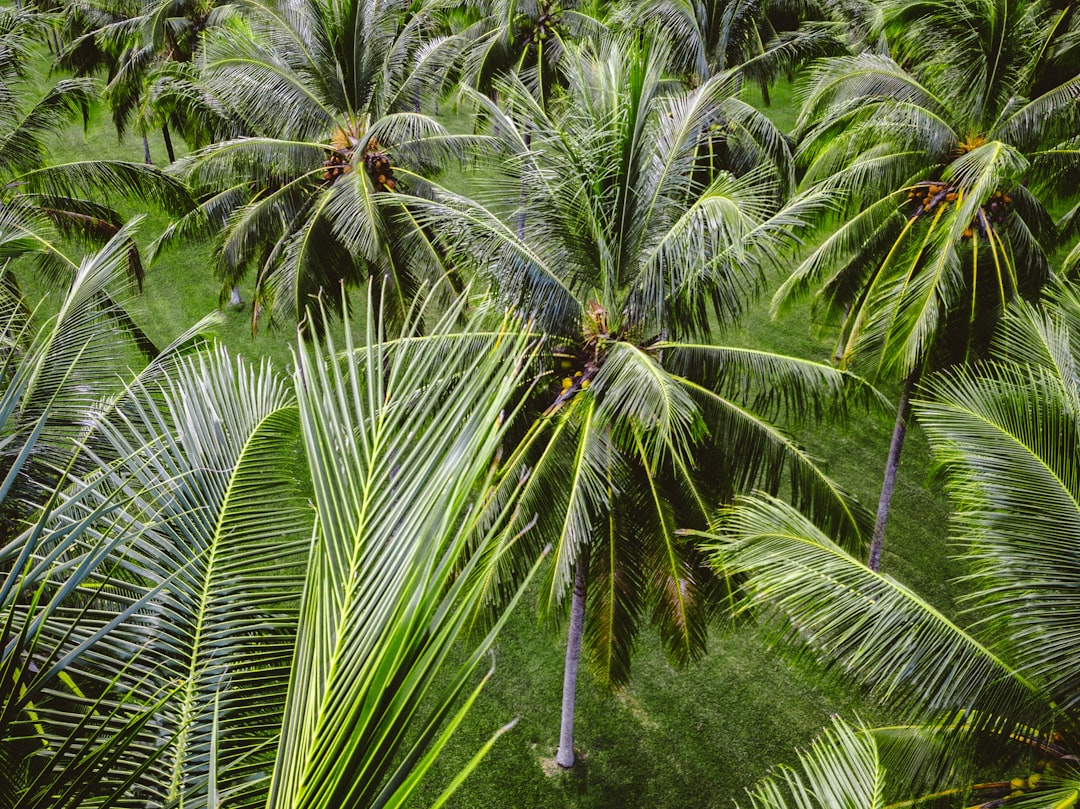
The heavy, wet air of the Daintree Rainforest clings to your skin like a second layer of clothing, a thick mixture of salt spray from the Coral Sea and the earthy decay of ferns. It is 5:30 AM, and the world holds its breath. There is no harsh sunlight here yet—only a thick, golden mist diffused through the canopy, catching the dew on a spiderweb stretched between two mangrove roots. The soundscape is distinct: not just the distant cry of a frigatebird, but the low, guttural croak of a tree frog and the rhythmic thrum of water against coral. This isn’t just weather; it is an atmosphere that dictates whether your photograph will feel alive or flat. As you stand on the edge of this ancient ecosystem, ready to capture the perfect, fleeting moment before the sun burns off the fog, you realize that photography in Far North Queensland is less about checking a calendar and more about surrendering to the rhythm of the land.
The Photographer’s Lunar Calendar
To capture the true essence of this region, you must look beyond the standard tourist seasons. The light here behaves differently than in temperate zones, shifting with monsoons and tides rather than just dates.
The Wet Season’s Drama (November – April)
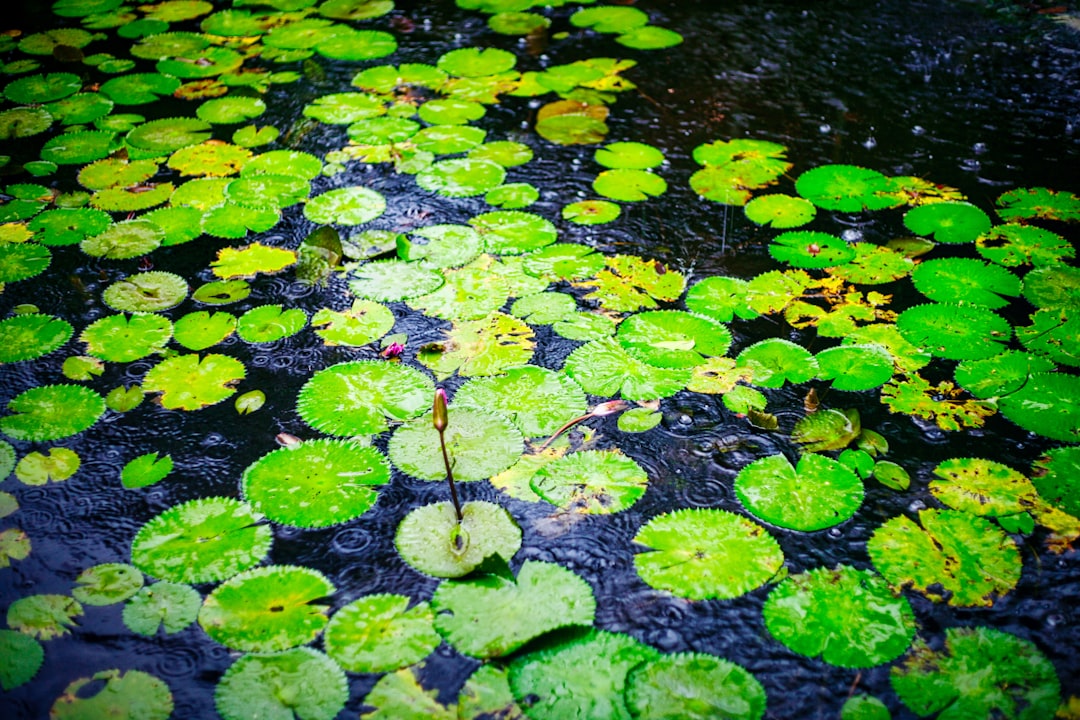
This is the time for power. The tropical rainforest bursts into vibrant greens, and waterfalls swell to epic proportions. However, shooting in the tropics during these months is exhausting, and gear maintenance is non-negotiable. The humidity can turn your camera into a steam engine if you aren’t careful.
Use polarizing filters to cut through the haze, which is particularly effective for reef shots during low tide. The water turns a piercing turquoise that pops against the dark greens of the mangroves, provided you can manage the contrast.
The Shoulder Season’s Softness (May – August)
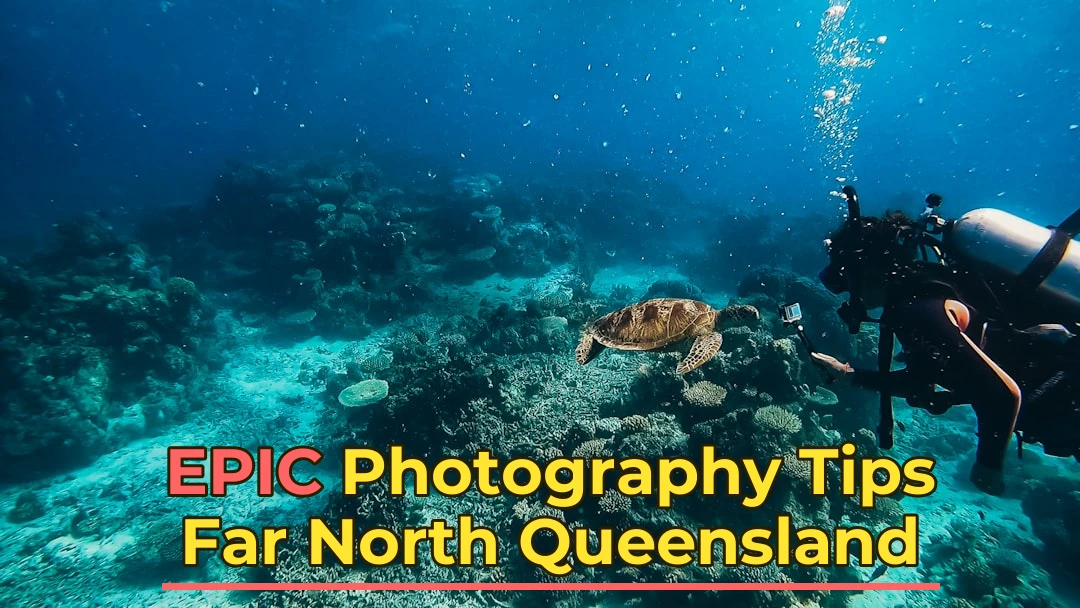
Known locally as the “Golden Months,” this period offers crisp air and exceptional clarity. The water distortion over the Great Barrier Reef is minimal, making it the ideal window for underwater photography. Away from city lights, places like Cooktown offer prime astrophotography opportunities, with the Milky Way arching clearly overhead.
The Dry Season’s Crowds & Clarity (September – October)
This season presents a trade-off: the best visibility comes with the worst crowds. The skies are blue, and the marine life is active, but finding a clear shot requires strategy.
Stories That Anchor the Advice
Technical advice is vital, but experience teaches you how to adapt when things go wrong.
The Unexpected Discovery
I once woke up early at Fitzroy Island, expecting clear skies for a sunrise shoot. Instead, I found myself staring into a thick, opaque fog. My initial instinct was to pack up and leave. However, I waited 45 minutes as the sun rose through the mist. The result was a surreal, ethereal “heavenly” effect—a soft glow that illuminated the mangroves in a way I never would have captured had I stuck to my rigid schedule. This illustrates the value of patience over planning; sometimes, the mistake is the gift.
The Gear Reality Check
There was a failed shoot in Cairns city center where humidity fogged up an expensive lens mid-shoot. I was frustrated, but it taught me a valuable lesson: always carry a microfiber cloth and never assume your gear is sealed. The transition from cool, dry air to 90% humidity happens in seconds. Now, I keep lenses in sealed bags with desiccant packs whenever possible. It’s a small habit that saves thousands of dollars in potential damage and ruined shots.
The Local Insight
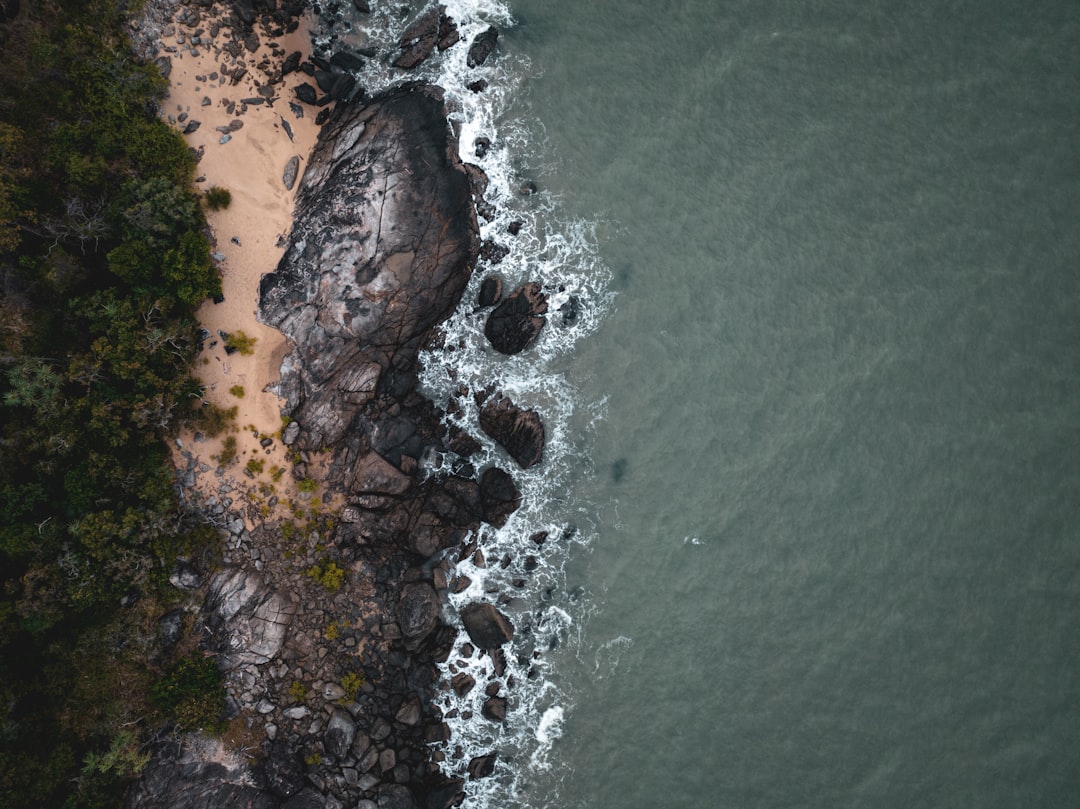
While photographing the mangroves in Trinity Beach, I struck up a conversation with a local fisherman. He pointed out that the best light for photographing these ecosystems isn’t at sunrise, but 20 minutes after high tide. The water reflects the sky perfectly then, creating a mirror effect that doubles your visual impact. This kind of local knowledge isn’t found in generic travel blogs, but it transforms a good photo into a great one.
Practical Travel Information
When visiting this region, remember that your preparation determines your success. Whether you are a family looking for easy walks or an experienced adventurer seeking remote peaks, the basics remain the same.
Key Takeaways for Far North Queensland Photography
- Embrace the Humidity: Treat it as an element, not an enemy. Use polarizers and silica gel.
- Timing is Relative: The best light often depends on tides (mangroves) or cloud cover (rainforest), not just the clock.
- Seek Silence: Visit the Atherton Tablelands or Cape Tribulation during shoulder seasons for solitude and clarity.
- Listen Locally: Ask fishermen and rangers for the “real” times; they know where the light hits hardest.
The Call to Patience
Photography in Far North Queensland isn’t about checking boxes on a calendar; it’s about listening to the land. I encourage you to put your camera down for five minutes during your next trip. Feel the humidity on your skin, listen to the frogs croaking in the mangroves, and let the light guide you. The best shots come when you stop chasing the perfect time and start respecting the season’s rhythm.
The best camera is the one you’re willing to wait for.
Frequently Asked Questions
How should I protect my camera gear from humidity in Far North Queensland?
Humidity can turn your camera into a ‘steam engine’ if not managed correctly. Always keep your camera in a sealed bag with silica gel when moving between air-conditioned interiors and the humid outdoors. Use specific brands of lens cloth and quality silica packets to prevent moisture damage, as humidity seeps into everything rapidly. Additionally, keep lenses in sealed bags with desiccant packs whenever possible to save thousands of dollars in potential damage.
What is the best time of year for underwater photography on the Great Barrier Reef?
The shoulder season, known locally as the ‘Golden Months’ from May to August, is ideal for underwater photography. During this period, there is minimal water distortion over the Great Barrier Reef, offering exceptional clarity compared to other times of the year. The air is crisp, and visibility is at its peak, making it easier to capture vibrant marine life without the interference of heavy rain or excessive cloud cover found in other seasons.
Where can I find astrophotography opportunities away from city lights?
Places like Cooktown offer prime astrophotography opportunities during the shoulder season, with the Milky Way clearly visible overhead. Additionally, patient photographers near Cape Tribulation may catch rare ‘Southern Lights’ (aurora) sightings during clear, dark tropical winter nights. While not guaranteed, these locations provide the necessary darkness and lack of city light pollution to capture stunning night sky images.
How can I avoid crowds when photographing popular lookouts in the Atherton Tablelands?
To avoid crowds, seek out less-known lookouts in the Atherton Tablelands which offer similar vistas to Kuranda but without the bus traffic. Building relationships with local tour operators can grant you early access to specific trails before the 9 AM rush. In Far North Queensland, personal connections with locals often matter more than permits for securing quiet shooting spots during the dry season.
Be the First to Comment
Sign in to start the conversation.