
Have you ever paddled so quietly into a mangrove tunnel that the only sound was your own heartbeat, only to spot a saltwater crocodile sunning itself on the muddy bank just three meters away? It is a visceral moment that perfectly encapsulates why South East Queensland (SEQ) kayaking has become one of the most sought-after water sports in Australia. This isn’t just about paddling; it’s about navigating a unique landscape where the urban sprawl of Brisbane and the Gold Coast meets ancient, untamed ecosystems. Here, the boundary between city living and wilderness is surprisingly thin, offering an authentic Australian adventure that challenges both your physical endurance and your respect for nature.
The Glass House Puzzle: Choosing Your Water
One of the most common mistakes beginners make is treating all water in SEQ as the same. It isn’t. The region offers a diverse “puzzle” of waterways, each with its own character, tide patterns, and difficulty level. To get the best experience, you need to match your skill set with the right body of water.
Protected Waters vs. Tidal Challenges
For families and those new to the sport, the Coomera River is a absolute gem. The water here is often glassy and protected from ocean swells, making it perfect for learning the basics of paddle strokes and balance. However, if you are looking to test your skills against the ocean’s power, the Tweed River estuary offers a more dynamic experience. The tides here can be strong, and the entrance to Tweed Heads requires a solid understanding of how to handle choppy water.
Specific Launch Points
Location matters just as much as the water type.
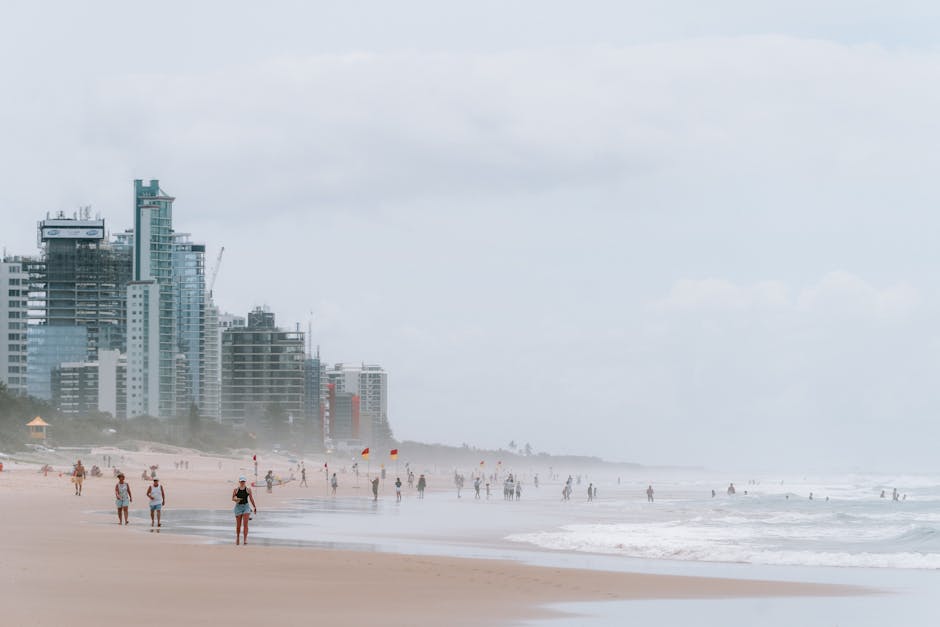
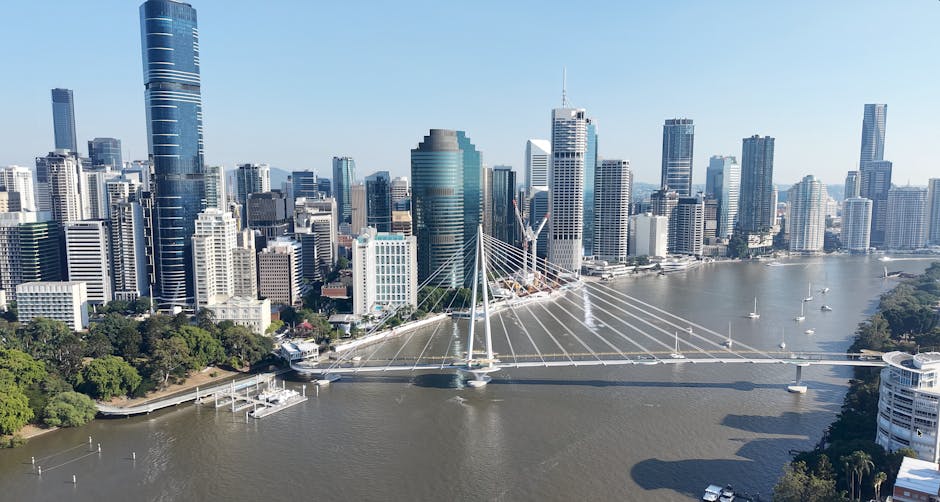
* Main Beach (Gold Coast): This is your spot for city views. Launching here allows you to paddle under the iconic boats and see the skyline, offering a stunning contrast between nature and architecture.
* Burleigh Heads: For those interested in marine conservation, this area borders a protected marine park. The currents are predictable, but the wildlife interactions here are far more frequent and exciting than at quieter launches.
> Pro Tip: Always check the tidal charts for your specific launch point. In SE Queensland, a rising tide can turn a calm paddle into a rapid race against the current within minutes.
The Saltwater Croc Factor: Safety as a Feature
There is no escaping the reality that in many parts of SEQ, you are sharing your kayak with *Crocodylus porosus*. But rather than fearing this “unexpected discovery,” savvy paddlers treat it as a feature of the adventure. Sharing these waters is about respect, not conquest.
Where They Commonly Sighted
Saltwater crocodiles are most frequently sighted in specific stretches of inland waterways, particularly around the Paradise Creek area near Brisbane. While the Gold Coast oceanic waters are generally croc-free, freshwater creeks and rivers that connect to estuaries can be unpredictable.
Warning: Never paddle in marked “Croc Country” zones without a local guide who knows the seasonal patterns.
Respecting Their Territory
The key to safe kayaking in SEQ is maintaining a respectful distance. If you spot a croc, do not attempt to get closer for a photo. Instead, observe from a distance and move on. It is also crucial to acknowledge the “honest limitation” of our knowledge: some areas are strictly off-limits during breeding seasons or after heavy rains, which stir up sediment and reduce visibility. When in doubt, stay on the main channel and avoid paddling close to muddy banks where crocs often hide.
Local Lore: Where the Locals Actually Go
Tourist traps are easy to avoid if you listen to the locals. While popular spots like the Brisbane River pathway are great for a quick dip, the real magic happens in the lesser-known mangrove forests and seagrass beds.
Hidden Gems
* Logan River Mangroves: This area offers a labyrinthine experience that feels worlds away from the city. The mangrove roots create natural tunnels, providing unique lighting for photography and a haven for juvenile fish.
* South Stradbroke Island: The seagrass beds here are a critical habitat for dugongs and dolphins. Paddling through these calm, sheltered waters early in the morning offers some of the best wildlife encounters in Australia.
A Personal Encounter
I remember a morning paddle near the Logan River where we completely missed the outgoing tide. Instead of panicking, we ended up chatting with a local fisherman who showed us exactly where the flathead were hiding under the mangrove roots. It was a reminder that patience and humility often yield better discoveries than rigid planning.
> Note: The best wildlife sightings usually happen at dawn or dusk. Plan your schedule around these golden hours for the highest chance of spotting birds, dolphins, and maybe even a shy dugong.
Gear Up Right: The SEQ Specifics
Paddling in South East Queensland requires more than just a standard kayak and paddle. The tropical climate demands specific gear to ensure comfort and safety.
Essential Equipment
* UV-Protective Clothing: The Australian sun is intense, especially when reflected off the water. Long-sleeved rash vests and UV-rated hats are non-negotiable for preventing sunburn during long paddles.
* Hydration Systems: Humidity in SEQ can be relentless. Carry more water than you think you need, and consider electrolyte supplements to prevent fatigue.
* Bilge Pumps: For those kayaking larger vessels in tidal zones, a bilge pump is essential. Sudden squalls or incoming tides can fill a kayak with water quickly, and manual bailing is exhausting and inefficient.
Safety Checklist
* Whistle: Mandatory for signaling distress.
* PFD (Life Jacket): Always wear it, even if you are a strong swimmer.
* Communication Device: A waterproof phone case or VHF radio is vital for remote areas like the Logans.
Key Takeaways
* Match your waterway to your skill level: Try the Coomera for calm waters or Tweed for tidal challenges.
* Respect croc country: Stay on main channels and avoid marked zones during breeding seasons.
* Go early: Wildlife encounters are best at dawn in protected mangroves and seagrass beds.
* Gear up for the sun: UV protection and hydration are as important as your paddle.
Embrace the Unpredictability
South East Queensland kayaking is not a sport for those who crave rigid control. It is for the adventurous spirit willing to let the elements guide them. Whether you are a family spotting nesting birds near the Gold Coast Airport or an experienced paddler navigating the estuaries of the Tweed, the region offers a profound connection to nature that is hard to find elsewhere.
When was the last time you let the water decide your destination? Leave your rigid itineraries behind, embrace the flow of SEQ’s waters, and discover why this region is becoming a top destination for water activities for kids and adults alike. The adventure is out there, waiting in the silence between your paddle strokes.
Frequently Asked Questions
What are the best waterways for beginners in South East Queensland?
For those new to kayaking, the Coomera River is highly recommended as it offers glassy, protected waters shielded from ocean swells, making it ideal for learning paddle strokes and balance. In contrast, the Tweed River estuary presents a more dynamic challenge with strong tides and choppy water at the Tweed Heads entrance, which requires a solid understanding of handling rougher conditions. It is crucial to match your skill level with the specific waterway characteristics, such as checking tidal charts for launch points like Main Beach or Burleigh Heads to ensure a safe and enjoyable experience.
How can I safely navigate areas with saltwater crocodiles?
Saltwater crocodiles are frequently sighted in inland waterways like Paradise Creek near Brisbane, though Gold Coast oceanic waters are generally croc-free. To stay safe, never paddle in marked ‘Croc Country’ zones without a local guide who understands seasonal patterns. You must maintain a respectful distance and avoid getting closer for photos; instead, observe from afar and move on. It is also vital to stay on main channels and avoid muddy banks where crocs hide, especially during breeding seasons or after heavy rains which reduce visibility. When in doubt, adhere strictly to local safety guidelines.
What essential gear do I need for kayaking in SEQ?
Due to the intense tropical climate, you must pack UV-protective clothing such as long-sleeved rash vests and UV-rated hats to prevent sunburn from water reflection. Hydration is critical, so carry more water than anticipated and consider electrolyte supplements to combat humidity-induced fatigue. For safety in tidal zones, a bilge pump is essential for larger vessels to manage sudden squalls or incoming tides. Additionally, always carry a mandatory whistle for distress signaling, wear a PFD (life jacket) regardless of swimming ability, and use a waterproof phone case or VHF radio for communication in remote areas like the Logan River.
When is the best time to kayak for wildlife sightings?
The optimal times for wildlife encounters are during dawn or dusk, known as the ‘golden hours’. Planning your schedule around these times significantly increases your chances of spotting birds, dolphins, and shy dugongs. For example, paddling through the calm, sheltered seagrass beds near South Stradbroke Island early in the morning offers some of Australia’s best wildlife interactions. Similarly, exploring the labyrinthine mangrove forests along the Logan River can reveal juvenile fish and local fishers if you arrive during these peak activity periods.
Be the First to Comment
Sign in to start the conversation.