

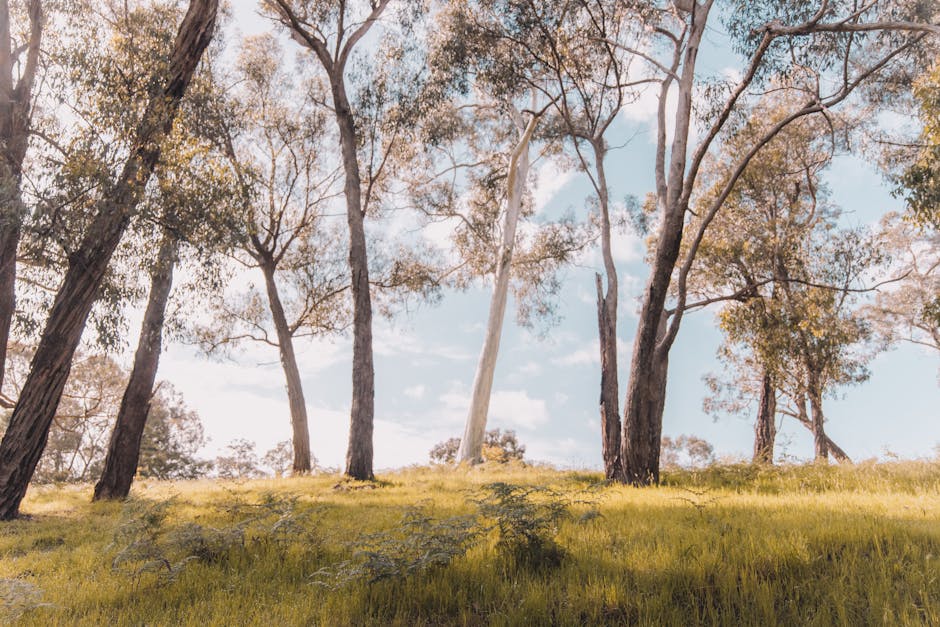
The wind doesn’t just blow through the Grampians; it roars. It whistles through the ancient crevices of Mount Sturgeon, a hollow, haunting sound that vibrates in your chest before you even touch the rock. You stand at the precipice, the rough, cool texture of Victorian sandstone grinding against your palms, and feel that distinct, stomach-dropping lurch as gravity takes hold. This is the visceral reality of abseiling in western Victoria: it’s not just a view from above, but a tactile conversation with the mountain. The air drops in temperature by several degrees as you descend past the tree line, carrying the scent of dried eucalyptus and dust. This is the Grampians National Park, a rugged sanctuary in western Victoria known for its dramatic sandstone peaks and deep gorges, offering one of Australia’s most authentic outdoor experiences.
The “Rock Breath” Calendar (Seasonal Breakdown)
To abseil in the Grampians is to read the rock’s mood. Locals know that these cliffs don’t behave like granite faces in the Blue Mountains or limestone gorges elsewhere. They “breathe” with the seasons, dictating when the rock is safe to touch and when it demands respect.
The Sticky Grip of Summer
While December to February offers long daylight hours, summer in the Grampians is deceptive. The rock absorbs heat until mid-morning, but by 10am, the sandstone becomes “glassy”—a term locals use to describe a dangerous lack of friction for gloved hands. For beginners, this is the riskiest season. The humidity creates a sticky grip on ropes that can cause friction burns, and the sudden afternoon thunderstorms are legendary. Advice: If you visit in summer, go strictly between 7am and 9am. Wait for the dew to evaporate completely, as moisture on sandstone turns it into soap.
The Crisp Clarity of Autumn (May–July)
This is the gold standard for abseiling in western Victoria. The air is bone-dry, offering high-visibility clarity that stretches to the Southern Ocean on clear days. The rock holds a steady temperature, neither baking nor freezing. Morning dew in late April is manageable, but by June, the cliffs are stable and predictable.
The Unpredictable Wind of Spring
September and October bring erratic weather. The wind bursts are sudden, making belaying difficult for solo abseilers. However, this is also when the wildflowers begin to bloom in the gorge areas, adding a splash of colour to the ochre rocks. The trade-off is higher variability in rope friction due to residual winter moisture.
The Guide’s Secret: Beyond the Postcard Views
Most visitors flock to the popular drops near Mackenzie Falls, but true abseiling enthusiasts know that the best experiences are hidden in the nooks of Halls Gap and the lesser-known gorges near Wannon Falls. These areas are less crowded, offering a solitude that transforms the activity from a checklist item into a personal achievement.
Local Insight: A local guide once shared a story about closing a popular crag near the Mackenzie River not due to weather, but because of nesting wedge-tailed eagles. Nature dictates access here more than any calendar. “The mountain closes when it wants to,” they explained. This honest limitation is part of the charm—it forces you to slow down and listen.
Seek out these lesser-known spots for a more immersive experience. They require a bit more scouting but reward you with pristine rock faces and the kind of “unexpected discovery” that makes for the best stories back at camp.
Gear, Logistics, and the “Grampians Factor”
Abseiling here is different from anywhere else in Australia due to the geology. The Grampians are composed primarily of soft sandstone, which is significantly more abrasive than granite. Over time, this creates “rock dust” that can clog pulleys and wear down ropes faster than you might expect.
Rental and Equipment
You don’t need to buy professional gear, but you do need to respect the rock. When renting equipment in Halls Gap, choose shops that specialise in local conditions. They will provide ropes treated for abrasive surfaces and quick-dry harnesses to handle the variable humidity.
The 24-Hour Rule
One of the most valuable pieces of local knowledge is the “24-hour rule” regarding rain. A light shower might seem like a reason to cancel, but if you wait 24 hours for the wind to die down, the rock face is often cleaner and less dusty than on a dry day. The water washes away the loose grit, leaving a smoother, albeit slightly damp, surface that offers excellent grip for experienced hands.
Frequently Asked Questions
Is abseiling in the Grampians suitable for families?
Yes, provided you choose a guided tour with operators who understand family dynamics. Many local companies offer “beginner-friendly” drops in the Wannon area, focusing on low-stress environments.
What is the best time of year?
Autumn (May to July) offers the most stable weather. However, experienced guides can arrange trips year-round if you respect the “24-hour wind rule” after rain.
Do I need to bring my own gear?
No, most operators provide high-quality ropes and harnesses designed for sandstone. However, bringing sturdy hiking boots and thick gloves is highly recommended.
Key Takeaways
- Best Season: Autumn (May–July) for stable, dry conditions.
- Risk Factor: Summer heat creates “glassy” rock surfaces; avoid midday descents.
- Local Tip: Wait 24 hours after rain for cleaner, dust-free rock faces.
- Gear: Bring extra gloves to combat sandstone abrasion.
When you finally reach the base of the cliff, looking up isn’t just about seeing how far you fell. It’s about seeing the landscape from a new angle—the way the sunlight hits the sandstone, how the wind moves through the gum trees above. Timing your visit isn’t just about avoiding rain; it’s about matching your personal rhythm with the mountain’s mood. The Grampians reward those who listen to them, so check your gear, book early with local experts, and go when you are ready.
Frequently Asked Questions
What is the best season for abseiling in the Grampians?
Autumn, specifically from May to July, is considered the gold standard for abseiling in western Victoria. During these months, the air is bone-dry and offers high-visibility clarity that can stretch to the Southern Ocean. The rock maintains a steady temperature, avoiding the extreme heat of summer or the freezing conditions of winter. By June, the cliffs are stable and predictable, making it much safer than other seasons where humidity or erratic winds can pose risks to abseilers.
How should I handle summer abseiling if I must visit?
If you choose to abseil during the summer months of December to February, strict timing is essential. You should only descend between 7am and 9am to ensure the sandstone has not yet absorbed enough heat to become ‘glassy,’ which locals describe as having a dangerous lack of friction. Additionally, you must wait for morning dew to evaporate completely, as moisture on the rock turns it into soap. Avoid midday descents entirely due to the risk of friction burns from sticky ropes and sudden afternoon thunderstorms.
What specific gear adjustments are needed for Grampians sandstone?
Because the Grampians consist of soft, abrasive sandstone that creates ‘rock dust,’ you must bring two pairs of gloves. The first pair will likely become clogged with dust within twenty minutes, significantly reducing your friction control. A second, clean pair is crucial for comfort and safety during longer descents. When renting equipment in Halls Gap, ensure the provider supplies ropes treated for abrasive surfaces and quick-dry harnesses to handle variable humidity.
What is the ’24-hour rule’ for abseiling after rain?
The ’24-hour rule’ suggests waiting 24 hours after a rain shower before abseiling. While a light shower might seem like a reason to cancel, waiting allows the wind to die down and wash away loose grit from the rock face. This results in a cleaner, smoother surface that often offers excellent grip for experienced hands, unlike the dusty conditions found on dry days. This rule helps mitigate the variability in rope friction caused by residual winter moisture.
Be the First to Comment
Sign in to start the conversation.