
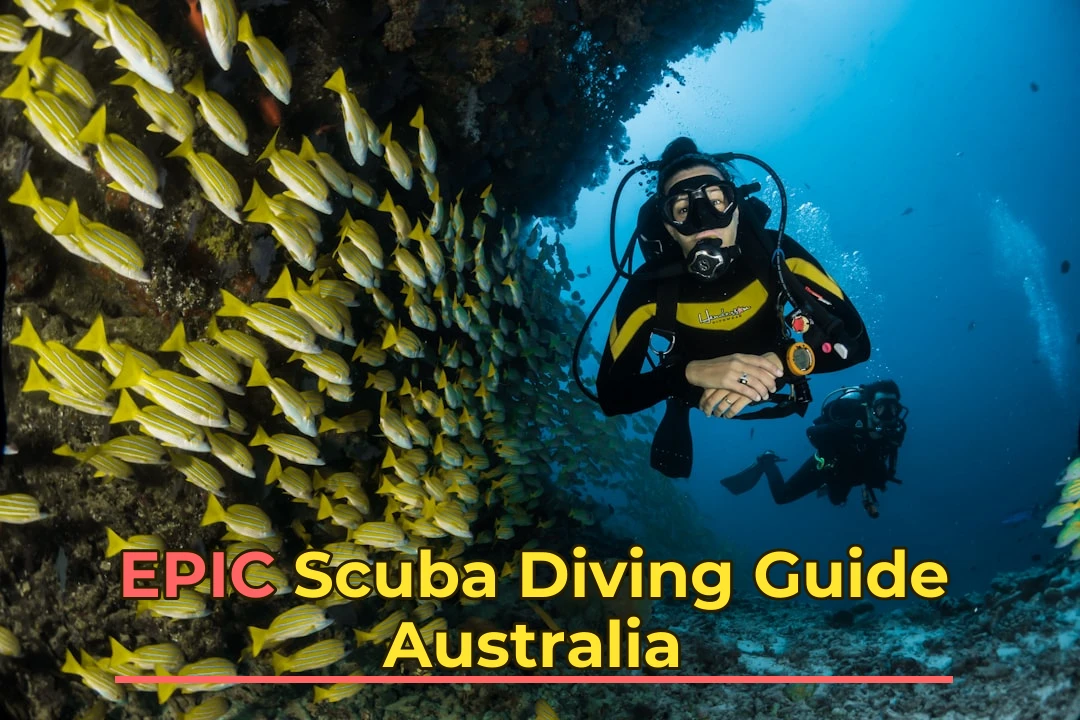
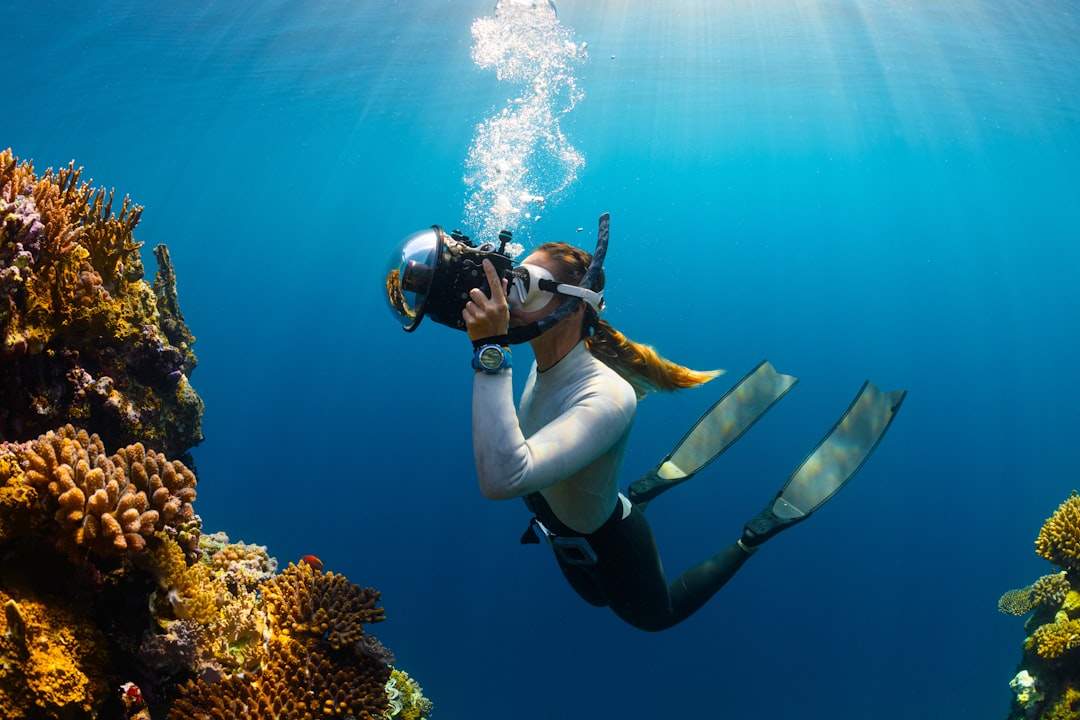
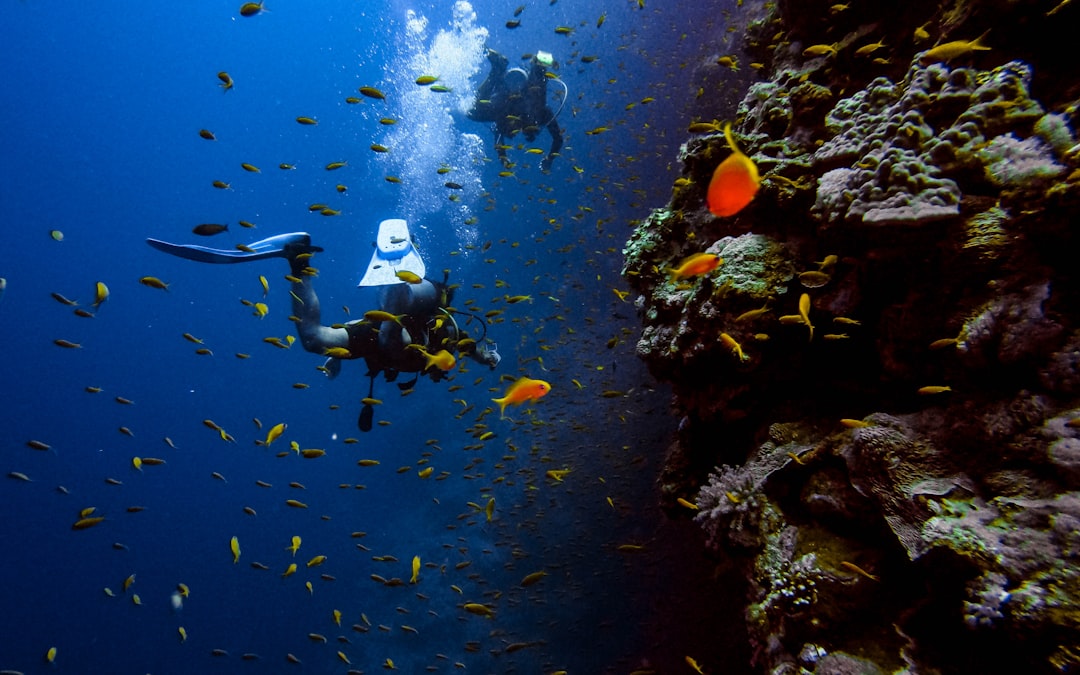
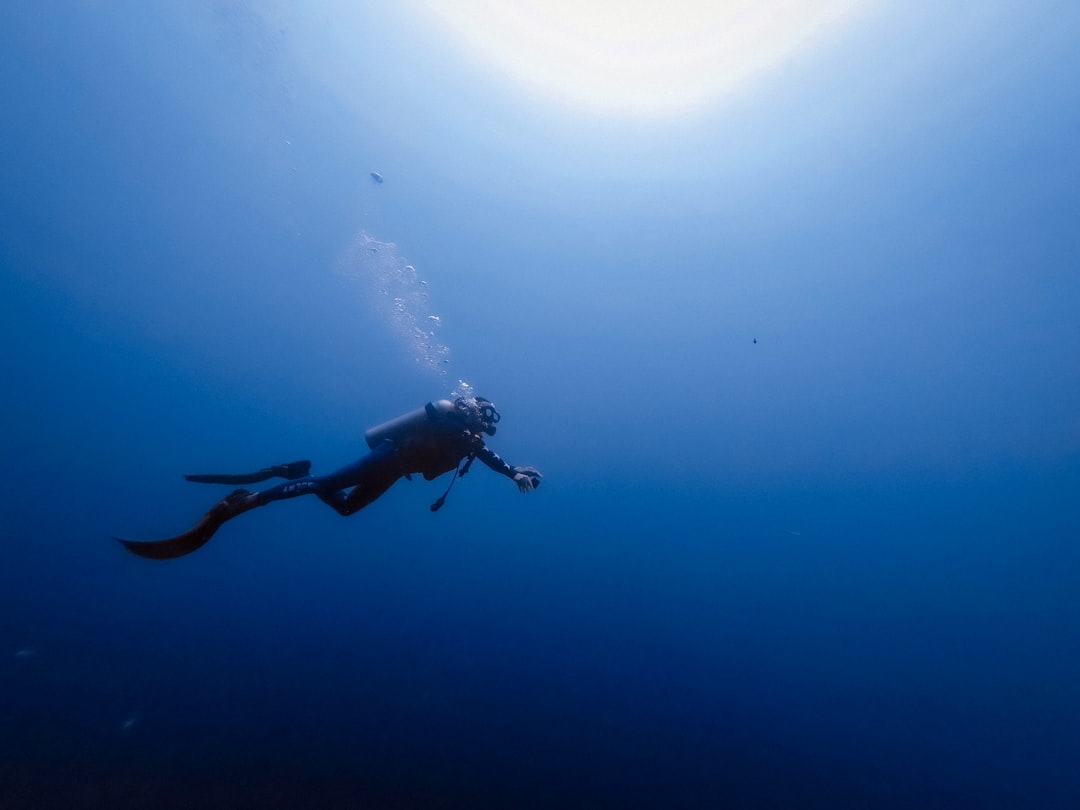
The sharp bite of salt air fills your lungs, a familiar welcome to the harbour, before you take one final step backward into silence. The transition is instantaneous and jarring—the humid, bright energy of the Sydney coastline vanishes, replaced by a cool, weightless suspension in turquoise depths. You hear the rhythmic hiss of your regulator, a mechanical heartbeat against the organic silence of the water. Above you, sunlight fractures through the surface in dancing caustics; below, the seafloor reveals itself as a shifting canvas of deep indigo and vibrant coral. In this suspended world, time dissolves, leaving only the tactile sensation of the regulator clicking firmly into place and your body moving with effortless grace through the cool embrace of Australian coastal waters.
Sydney’s coastal waters offer a unique diving experience that is as much about the physical challenge of navigating temperate currents as it is about the visual reward. For water sports enthusiasts in Australia, scuba diving here provides a distinct contrast to tropical destinations like the Great Barrier Reef. The water is cooler, the visibility fluctuates with seasonal upwellings, and the marine life is teeming with temperate species that thrive in nutrient-rich environments.
This guide serves as your comprehensive resource for exploring Sydney’s underwater world, catering to everyone from families looking for introductory experiences to seasoned adventurers seeking the silence of kelp forests.
The Sydney Canvas: Why Local Waters Demand Specific Preparation
Unlike the crystal-clear, warm waters of the tropics, Sydney’s dive sites are defined by their temperate nature and dynamic hydrodynamics. Understanding these local variables is the first step to a safe and enjoyable dive.
The Temperature Factor
Sydney’s water temperatures typically range between 18°C and 24°C in summer, dropping to 13°C–17°C in winter. This is not “warm” water by global standards, and it dictates your gear choices immediately.
* Summer (December–March): A 3mm or 5mm shorty wetsuit is often sufficient, though a full 5mm suit provides comfort for longer durations.
* Winter (May–August): A 7mm full wetsuit or a drysuit is essential. The cold can set in quickly, affecting muscle control and dexterity if you are not properly insulated.
> Warning: Do not underestimate the cold in Sydney waters, even during summer months when air temperatures soar. The “thermal shock” of entering the water can cause rapid breathing and increased oxygen consumption, which is dangerous for beginners. Always consult local dive operators about current water temperatures before your excursion.
Currents and Visibility
Sydney’s geography creates complex currents, particularly around headlands like North Head, Middle Harbour, and the entrance to Botany Bay.
* Headland Dives: Sites like Shark Island or the South Head Wall can experience strong tidal surges. These currents sweep nutrients through, increasing visibility and marine life density but requiring advanced buoyancy control.
* Harbour Dives: Shallow reef sites, such as those in Middle Harbour or Georges River, offer sheltered environments ideal for beginners but can suffer from sediment disturbance if divers are careless.
Understanding how the water moves here is crucial. A novice diver might find a sheltered cove on a calm day, while an expert might be navigating the powerful surges of the Northern Beaches’ rock walls.
The Learning Curve: Navigating Certification with Authentic Constraints
For those new to the hobby, obtaining a PADI or SSI certification in Sydney is a rewarding journey that blends technical skill with local ecological knowledge.
Choosing the Right Dive Centre
Sydney boasts numerous dive centres, but quality varies significantly. When selecting a provider, look for:
* Safety Records: Prioritise centres that enforce strict student-to-instructor ratios (ideally 4:1).
* Local Knowledge: Instructors who prioritise local conservation efforts over rushing through certification modules.
* Gear Quality: Centres that maintain their own equipment rather than renting cheap, outdated gear.
The Beginner’s First Open Water Dive
The anxiety of your first open water dive is real, but so is the triumph. A typical session involves a confined water session (pool or calm harbour bay) followed by open water dives.
1. Mask Clearing: The initial struggle to clear water from your mask without taking the regulator out is a universal rite of passage.
2. Buoyancy Control: Learning to hover motionless in three-dimensional space is the hardest skill. It requires subtle adjustments of your BCD (Buoyancy Control Device) and breathing patterns.
3. The “Silent Forest” Story: Consider a dive in the Giant Kelp forests of the Northern Beaches. The sensory experience is profound—sunlight filters through towering kelp blades, creating a cathedral-like atmosphere. It was during such a dive that I discovered a rare octopus camouflaged within the kelp blades. This unexpected discovery is only possible if you have mastered your buoyancy; a single kick of your fin could disturb the silt and ruin the visibility for everyone. Patience and skill lead to these unique encounters.
> Expert Tip: When booking your certification, ask specifically about “PADI Open Water” courses that include multiple open water dives in varied conditions (currents, low visibility) rather than just calm harbour walls. This prepares you for real-world diving in Sydney’s variable environment.
Pricing and Expectations
Expect to pay between AUD $600 and $900 for a standard 4-day certification course. This typically includes all rental gear, tuition, and dive insurance for the duration of the course. Avoid bargain-priced courses that may skip essential theory or underwater skills practice.
Beyond the Beginner: Advanced Encounters and Ethical Stewardship
For certified divers, Sydney offers some of the most diverse wreck and reef diving on the east coast.
Wreck Diving and Rock Formations
Sydney’s history as a colonial port has left behind several accessible wrecks. The *SS Lake Macquarie* and various concrete barges in Middle Harbour provide artificial reefs teeming with marine life.
* Visibility: On clear days, visibility can exceed 20 meters in deeper waters.
* Marine Life: Look for Giant Kelp forests near the North Shore, which support a unique ecosystem of reef fish and crustaceans.
Unique Marine Life Encounters
Beyond the standard reef fish, Sydney’s temperate waters host species not found in tropical dives:
* White-spotted Nurse Sharks: Often seen resting on the sandy bottoms of bays like North Narrabeen.
* Giant Australian Cuttlefish: Spotted during breeding seasons in sheltered bays.
* Reef Sharks: Off the coast of Cronulla, you may encounter Grey Reef Sharks, which are generally shy but require respectful distance.
> Did you know? Sydney’s waters are home to over 60 species of coral, though they are not the branching staghorn corals of the tropics. These are primarily soft corals and anemones that thrive in cooler temperatures, providing habitat for diverse fish species.
Ethical Diving Practices
As divers become more prevalent, ethical stewardship is paramount. NSW waters are fragile ecosystems subject to pollution and climate change impacts.
* No Touch Policy: Never touch marine life or coral. Oils from human skin can kill coral polyps.
* Buoyancy Excellence: Poor buoyancy leads to contact with the seafloor, destroying sensitive habitats.
* Leave No Trace: Ensure no gear is left behind, and participate in local reef clean-up initiatives.
The Practical Toolkit: Gear, Logistics, and Family Considerations
Planning a dive day in Sydney requires attention to logistical details that can make or break your experience.
Gear: Rent vs. Buy
* Rentals: Most dive centres offer full gear rentals, including tanks and weights. This is ideal for occasional divers.
* Personal Gear: If you plan to dive regularly, investing in a personal mask, snorkel, and fins is recommended for comfort. A 5mm wetsuit is also a worthwhile investment if you dive more than twice a year.
Logistics and Transport
Getting gear to various Sydney beaches can be cumbersome.
* Vehicle Requirements: Ensure your vehicle has adequate roof racks or space for bulky dive bags.
* Dive Flags: Familiarise yourself with local dive flag regulations. In NSW, a blue and white dive flag must be displayed on boats within 50 meters of divers.
Family-Friendly Options
Scuba diving is not just for adults. Many Sydney dive centres offer “Discover Scuba Diving” programs for kids as young as 10 (with parental consent).
* Shallow Reef Sites: Look for operators who take families to shallow, sheltered sites like those in the Georges River or Middle Harbour.
* Gear for Kids: Ensure the operator provides properly fitted junior-sized gear. Ill-fitting masks are a common source of anxiety for children.
> Note: When planning family dives, choose operators who prioritise safety over speed. A relaxed pace allows children to adapt to the pressure changes and enjoy the experience without stress.
Interpreting Local Dive Flags
* International Code Flag ‘A’ (Blue and White): “I am underwater; keep well clear at slow speed.”
* Local Variations: Some NSW waters may have additional requirements, such as audible horns or surface buoys. Always check local regulations before entering the water.
Key Takeaways for Aspiring Sydney Divers
* Prepare for Temperate Water: Invest in quality thermal protection (5mm–7mm wetsuits) to combat cold water temperatures.
* Respect the Currents: Sydney’s headlands create dynamic currents that require advanced buoyancy skills.
* Choose Quality: Select dive centres with strong safety records and local conservation focus.
* Ethical Stewardship: Practice no-touch diving to protect fragile temperate ecosystems.
* Family Friendly: Many centres offer kid-friendly programs in sheltered, shallow waters.
Conclusion: The Next Challenge
Scuba diving in Sydney is not merely a hobby; it is an immersive interaction with one of Australia’s most complex marine environments. From the bustling activity of harbour walls to the serene silence of kelp forests, each dive offers a unique perspective on our coastal heritage.
As you prepare for your next descent, remember that the goal is not just to see, but to understand. The next time you hear the hiss of your regulator, ask yourself not just what you will see, but how you are seen by the reef. Let your presence be gentle, your curiosity endless, and your respect for the underwater world unwavering. The water is waiting—silent, cool, and alive with stories only those who dive can hear.
Frequently Asked Questions
What water temperature should I expect when scuba diving in Sydney, and how does this affect my gear choices?
Sydney’s waters are temperate, with temperatures ranging from 18°C to 24°C in summer (December–March) and dropping to 13°C–17°C during winter (May–August). This cool water dictates specific gear requirements: a 3mm or 5mm shorty wetsuit is often sufficient in summer, though a full 5mm suit offers better comfort for longer dives. In winter, you must wear a 7mm full wetsuit or a drysuit to prevent cold shock and maintain muscle control. Do not underestimate the cold even in summer, as entering the water can cause rapid breathing and increased oxygen consumption.
How much does a standard PADI Open Water certification course cost in Sydney?
You should expect to pay between AUD $600 and $900 for a standard 4-day certification course. This price typically covers all rental gear, tuition, and dive insurance for the duration of the course. It is advisable to avoid bargain-priced courses, as they may skip essential theory or underwater skills practice. When selecting a dive centre, prioritise those that enforce strict student-to-instructor ratios (ideally 4:1) and maintain their own equipment rather than relying on cheap, outdated rentals.
How can beginners safely experience scuba diving in Sydney’s variable conditions?
Beginners should start with confined water sessions in pools or calm harbour bays before attempting open water dives. Look for dive centres that offer courses including multiple open water dives in varied conditions, such as currents or low visibility, rather than just calm harbour walls. For a safe introduction, consider sheltered sites in Middle Harbour or Georges River. Always consult local dive operators about current water temperatures and conditions, and ensure the instructor prioritises local conservation efforts over rushing through certification modules.
What specific marine life can I expect to encounter in Sydney’s temperate waters?
Sydney’s nutrient-rich environment supports unique species not found in tropical reefs. Look for White-spotted Nurse Sharks resting on sandy bottoms in bays like North Narrabeen, and Giant Australian Cuttlefish during breeding seasons in sheltered bays. You may also encounter Grey Reef Sharks off the coast of Cronulla, which are generally shy but require respectful distance. Additionally, Sydney’s waters host over 60 species of coral, primarily soft corals and anemones that thrive in cooler temperatures, supporting diverse reef fish and crustaceans.
What are the logistical requirements and safety regulations for family diving in Sydney?
Many Sydney dive centres offer ‘Discover Scuba Diving’ programs for children as young as 10, provided they have parental consent. When planning family dives, choose operators who prioritise safety over speed and provide properly fitted junior-sized gear, as ill-fitting masks are a common source of anxiety. Logistically, ensure your vehicle has adequate roof racks for bulky dive bags. In NSW, a blue and white dive flag must be displayed on boats within 50 meters of divers. Always check local regulations regarding additional requirements like audible horns or surface buoys before entering the water.


Be the First to Comment
Sign in to start the conversation.