

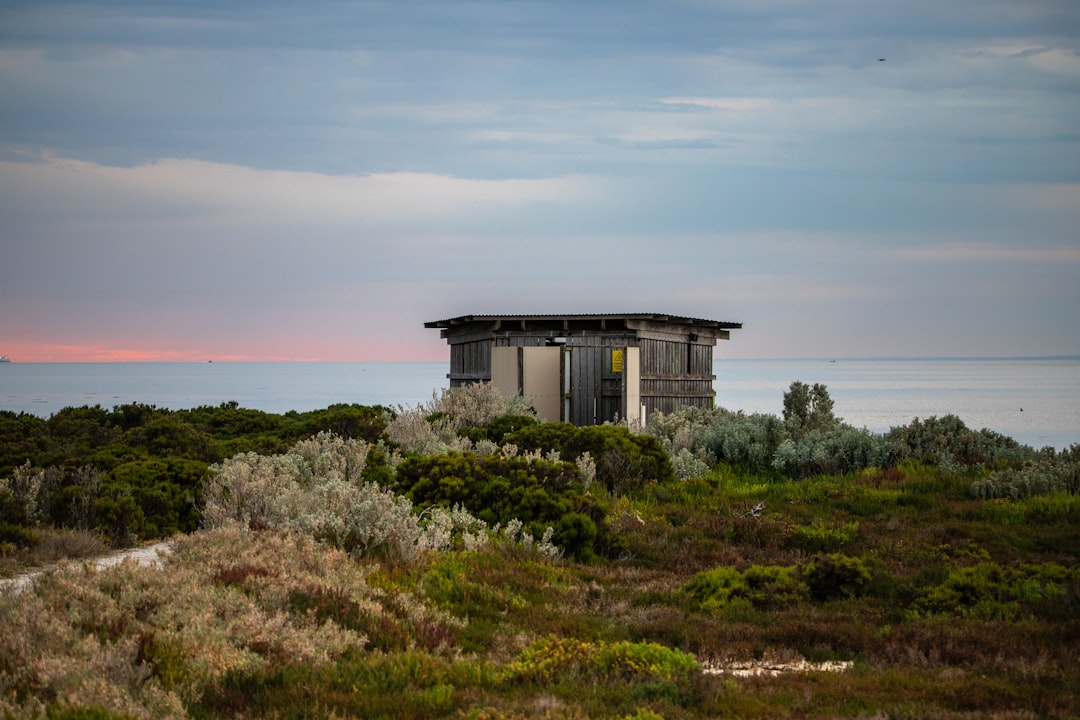


The dry, alpine chill of the Grampians (Gariwerd) hits your lungs like a sharp, clean slap as you stand at the base of Mount Sturgeon. The air tastes of crushed eucalyptus and ancient dust, distinct from the humid warmth of coastal Victoria. Around you, the sky is a bleeding purple-grey, contrasting sharply with the jagged, dark silhouettes of sandstone rock formations that loom like sleeping giants over the landscape. Beneath your trail shoes, the gravel crunches—a sound louder than city pavement but quieter than a forest floor—marking your first steps into this vast, open-air gym. This isn’t just a warm-up; it’s the moment you look up and realise these aren’t merely rocks, but ancient guardians of Western Victoria that have watched over this land for millennia. As the warmth slowly builds in your legs, you understand: you are entering an ecosystem of trails that demands respect, preparation, and a willingness to listen.
Choosing Your Pace: From Scree Slopes to Technical Hops
The Grampians (Gariwerd) National Park isn’t just one trail; it’s a complex web of terrain that can confuse even seasoned adventurers if you don’t choose wisely. When planning your Western Victoria trail running experience, it is crucial to match your fitness level with the specific geological challenges of each region.
The Beginner’s Friendly Loops
For those new to trail running, or recovering from an injury, the loops around Mackenzie Falls are your best entry point. The footing here is generally stable, allowing for high foot turnover without the constant need to stare at your boots. It’s a great place to test gear and build endurance without the immediate pressure of steep ascents.
The Advanced Rock-Hopping Challenge
If you are seeking a challenge, look toward the Mackenzie Gap or the ascent to Mount Sturgeon. Here, the terrain shifts from dirt paths to technical rock-hopping. This requires significant ankle stability and proprioception. The loose scree on some ascents can be brutal for beginners, leading to fatigue much faster than flat ground.
> Safety Note: For absolute novices, avoid attempting the full “Big Walk” immediately. Instead, start with shorter, flatter loops near Halls Gap to get acclimatised to the altitude and uneven footing.
The Local’s Whisper: Timing, Terrain, and Micro-Seasons
One of the most common mistakes visitors make is treating Gariwerd like any other hiking destination. The “micro-seasons” here are unique, dictated by the specific topography of the ranges rather than general state forecasts.
Seasonal Considerations
* Winter (June–August): This is when the waterfalls, particularly Mackenzie and Mackenzie Gap, are at their most powerful. However, rain can make the sandstone slippery and treacherous. Waterproof gear is non-negotiable.
* Spring (September–November): Wildflowers bloom across the plains, but this is also peak season for fog.
* Late Summer (Feb–March): Offers the clearest visibility for sunset runs, but the heat can be deceptive.
> Expert Tip: Always check a local weather radar specific to the Grampians, not just the broader Western Victoria forecast. Fog can roll off the ranges in late autumn with startling speed, reducing visibility to near zero within minutes. A runner I know learned this the hard way when a sudden fog bank isolated him on a ridge; having a GPS device with offline maps was his only way back.
Respecting Cultural Sites
It is vital to remember that Gariwerd is Aboriginal land. Many trails pass near or through culturally significant sites. Signs indicating closed areas or sensitive zones are there for a reason—respect them. Some trails may be restricted to protect sacred ground or allow for cultural ceremonies. This adds an ethical layer to your “value proposition”: you are not just exercising; you are a guest in someone’s ancestral home.
The Summit State of Mind: Recovery and Perspective
The psychological reward of reaching a viewpoint like Borogdae or the summit of Mount Sturgeon is unmatched. But the experience extends beyond the physical effort.
The “Bogong High Plains” Misconception
Many runners coming from the Australian Alps (like the Bogong High Plains) expect similar alpine conditions. They are often humbled by the Grampians’ unique dry heat and vegetation. The mallee scrub here is different from snow gums—it offers less shade but a distinct, earthy aroma that changes the sensory experience entirely. The trails here are drier and rockier, demanding a different style of running than the moist forest tracks further east.
> Fun Fact: The Grampians are home to several endemic species of birds and plants found nowhere else on Earth. Keep your eyes open for the Grampians Mallee Fowl, a rare bird that nests in large mounds of decaying vegetation to incubate its eggs!
Halls Gap: The Recovery Zone
After your run, the historic town of Halls Gap serves as the perfect recovery zone. It’s not just about grabbing a coffee; it’s about immersing yourself in the local culture. Visit the Grampians Visitor Centre for detailed maps, or stop by a local café to swap stories with other runners. The “Silent Agreement” with locals is one of respect—don’t rush the rocks; let them tell you when to step. This mindfulness extends into how you interact with the community and the environment.
Beyond the Run: Regional Highlights
Trail running here is part of a larger cultural and natural experience. Don’t limit yourself to the trails alone.
* Mackenzie Falls: Time your run for the “Golden Hour” in the morning. The mist rising from the falls creates a natural spray that cools you down naturally—a brilliant tip for managing heat without carrying excessive water.
* Lake Boga: A serene spot for a flat, low-intensity recovery run or a family walk along the shore.
* Historic Sites: Explore the remnants of old gold-mining towns nearby to understand the colonial history that overlaid upon the ancient Aboriginal heritage.
Key Takeaways for Your Next Adventure
* Start Small: Begin with flatter loops near Halls Gap before attempting technical ascents like Mount Sturgeon.
* Check Micro-Weather: Local fog can be dangerous; always have a backup plan and offline navigation.
* Respect the Land: Follow all signage regarding Aboriginal cultural sites. These are not suggestions but laws and customs to uphold.
* Timing Matters: Winter offers powerful waterfalls; late summer offers clear views. Choose your season based on what you want to see.
A Call to Stewardship: Leaving No Trace
The trails of the Grampians are free, but they are not infinite. The “value proposition” isn’t just the fitness you gain; it’s preserving the ability for future generations to have this experience. As you conclude your run, feeling that “good” fatigue in your muscles and tasting the cold water from a refill station, remember: you are responsible for this place.
Support local businesses in Halls Gap to keep the economy vibrant and sustainable. Take your rubbish with you, stay on marked trails to protect fragile vegetation, and leave the rocks exactly as you found them. When you walk away, let the silence return to the ranges. It’s not just about the next run; it’s about ensuring Gariwerd remains a place of wonder, respect, and raw, unfiltered beauty for years to come. Go back not just for the distance covered, but for the right way to cover it.
Frequently Asked Questions
What are the best trail running options for beginners in Gariwerd National Park?
For beginner trail runners, the loops around Mackenzie Falls are highly recommended due to their generally stable footing and high foot turnover potential. These trails allow you to test gear and build endurance without the immediate pressure of steep ascents. If you are an absolute novice, start with shorter, flatter loops near Halls Gap to acclimatise to the altitude and uneven terrain. Avoid attempting the full ‘Big Walk’ immediately; instead, focus on these accessible areas before progressing to technical challenges like Mackenzie Gap or Mount Sturgeon.
When is the best time to run in the Grampians for specific conditions?
Timing depends on what you wish to experience. Winter (June–August) offers the most powerful waterfalls like Mackenzie and Mackenzie Gap, but rain makes sandstone slippery, requiring waterproof gear. Spring (September–November) brings blooming wildflowers but comes with peak fog risks. Late Summer (February–March) provides the clearest visibility for sunset runs, though heat can be deceptive. Always check a local weather radar specific to the Grampians, as fog can reduce visibility to near zero within minutes regardless of broader forecasts.
How should I prepare for the technical terrain and cultural responsibilities?
Technical rock-hopping at Mount Sturgeon or Mackenzie Gap demands significant ankle stability and proprioception due to loose scree. Bring GPS devices with offline maps, as sudden fog can isolate runners on ridges. Crucially, remember that Gariwerd is Aboriginal land; many trails pass through culturally significant sites. You must respect signs indicating closed areas or sensitive zones, as these are laws and customs to uphold. Stay on marked trails to protect fragile vegetation and support the local economy by visiting businesses in Halls Gap.
What recovery options and regional highlights are available near the trails?
After your run, Halls Gap serves as the perfect recovery zone. Visit the Grampians Visitor Centre for detailed maps or stop by a local café to swap stories with other runners. For regional highlights, time your run for the ‘Golden Hour’ at Mackenzie Falls to utilise natural mist cooling. Lake Boga offers a serene spot for flat, low-intensity recovery runs or family walks along the shore. You can also explore remnants of old gold-mining towns nearby to understand the colonial history that overlaid upon the ancient Aboriginal heritage.

Be the First to Comment
Sign in to start the conversation.